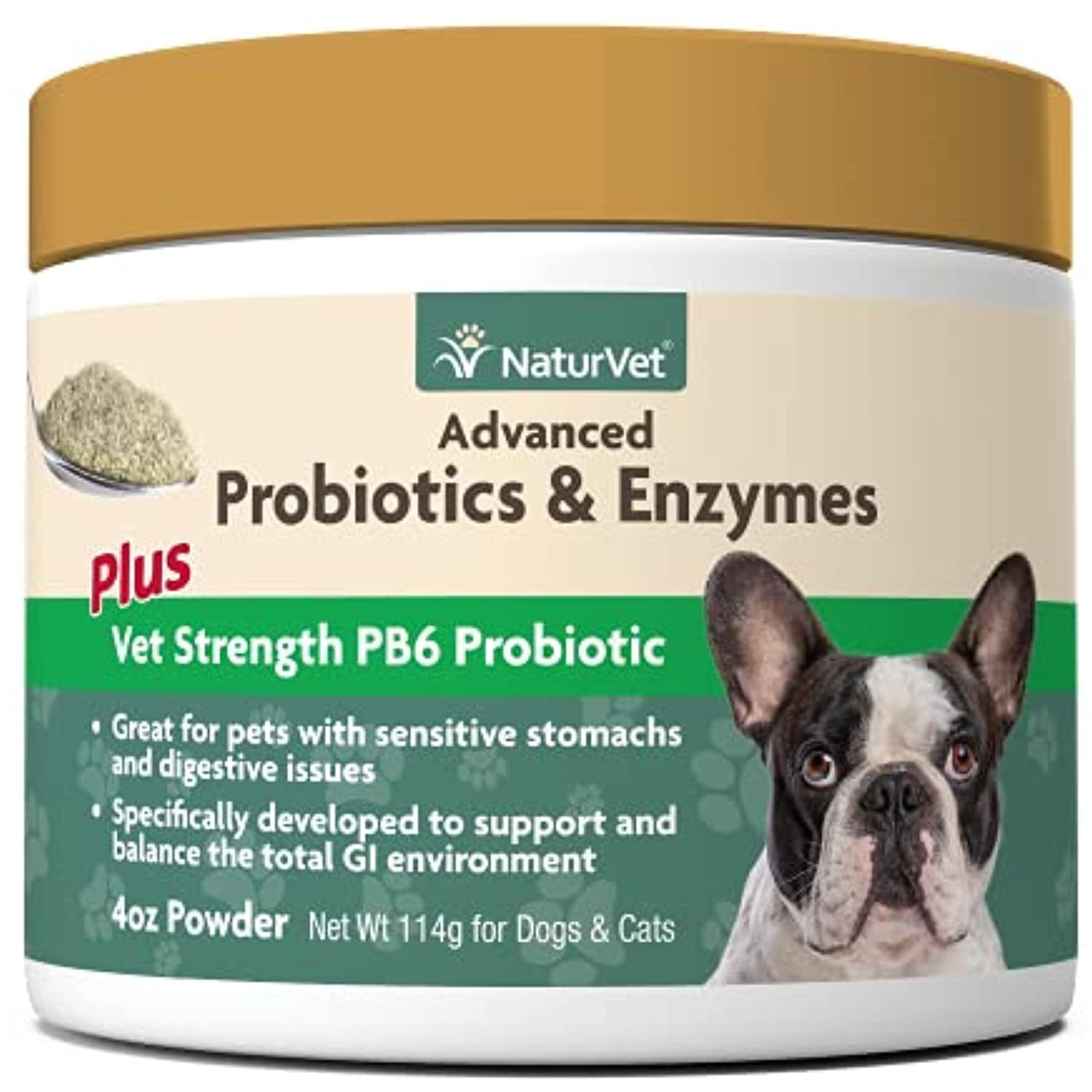
Amylase (from Aspergillus oryzae)
enzyme
Amylase (from Aspergillus oryzae)
What Is Amylase (from Aspergillus oryzae)?
Amylase is a digestive enzyme that plays a crucial role in breaking down complex carbohydrates (starches) into simpler sugars, such as maltose and glucose, which can then be absorbed by the body. While amylase is naturally produced in the pancreas and salivary glands of many animals, including dogs and cats, supplemental forms are often derived from microbial sources. Amylase sourced from Aspergillus oryzae, a common and safe filamentous fungus, is frequently utilized in pet supplements. This particular fungal amylase is valued for its stability and efficacy across a range of pH levels, making it well-suited for the diverse digestive environments found in pets. In pet supplements, it is typically included as part of a broader digestive enzyme blend or as a standalone ingredient to support carbohydrate digestion.
Benefits for Pets
Supplementing with amylase from Aspergillus oryzae can offer several digestive benefits for pets. Its primary role is to enhance the breakdown of starches found in pet foods, which can be particularly beneficial for animals consuming diets high in grains or other carbohydrate sources. By facilitating more complete digestion, amylase helps to improve nutrient absorption, ensuring pets can derive maximum nutritional value from their meals. This enhanced digestion can also contribute to a reduction in digestive discomfort, such as gas, bloating, and loose stools, which may arise from undigested carbohydrates fermenting in the gut. For pets with exocrine pancreatic insufficiency (EPI) or other conditions affecting their natural enzyme production, supplemental amylase can help compensate for deficiencies, supporting overall digestive health and stool quality.
Scientific Evidence
Research into digestive enzymes, including amylase, in companion animals supports their role in improving nutrient digestibility. In vitro studies have demonstrated the ability of fungal amylase to effectively hydrolyze various starches under conditions mimicking the canine and feline gastrointestinal tract. While extensive large-scale clinical trials specifically on Aspergillus oryzae amylase in pets are ongoing, studies in animals with compromised digestive function, such as those with EPI, have shown that enzyme supplementation, including amylase, can significantly improve fat and carbohydrate digestion and reduce clinical signs. Anecdotal evidence from veterinarians and pet owners also frequently highlights improvements in stool consistency and a decrease in digestive upset when these enzymes are incorporated into a pet's diet.
Dosage Guidelines
The appropriate dosage of amylase (from Aspergillus oryzae) can vary significantly depending on the pet's size, specific digestive needs, and the concentration of the enzyme in the supplement. Amylase activity is typically measured in units such as DU (Dextrinizing Units) or SKB (Sandstedt, Kneen, and Blish units). For general digestive support, typical recommendations might range from 500 to 5,000 DU per meal for small dogs and cats, increasing to 5,000 to 20,000 DU or more per meal for medium to large dogs. It is commonly administered orally, mixed directly into the pet's food just prior to feeding, to allow the enzyme to begin working immediately upon ingestion of the meal. Always follow the specific dosing instructions provided by the supplement manufacturer or consult with a veterinarian for personalized guidance.
Safety Considerations
Amylase from Aspergillus oryzae is generally considered safe for pets when administered according to recommended guidelines. Side effects are rare but can include mild gastrointestinal upset such as diarrhea or vomiting, particularly if given in excessively high doses or if the pet has a sensitivity. Allergic reactions to fungal-derived enzymes are possible but uncommon. There are no well-documented significant drug interactions with amylase, but it's always prudent to inform your veterinarian about all supplements your pet is receiving, especially if they are on other medications. Pets with known allergies to molds or fungi should avoid supplements derived from Aspergillus oryzae. Contraindications are generally limited to individual hypersensitivity.
Which Pets Benefit Most
Several categories of pets can particularly benefit from amylase supplementation. Senior pets, whose natural enzyme production may decline with age, often experience improved digestion and nutrient absorption. Pets with chronic digestive sensitivities, such as those prone to gas, bloating, or loose stools, may find relief as undigested carbohydrates are more efficiently processed. Animals transitioning to new diets or those consuming highly processed commercial foods with high carbohydrate content can also benefit from enhanced starch breakdown. Furthermore, pets diagnosed with exocrine pancreatic insufficiency (EPI) or other conditions that impair pancreatic enzyme production are prime candidates for amylase supplementation, as it helps to compensate for their body's inability to produce sufficient digestive enzymes.
Products Containing Amylase (from Aspergillus oryzae)
Top-rated supplements featuring this ingredient, ranked by our PSI+ score.