Betaine Hydrochloride
other
What Is Betaine Hydrochloride?
Betaine Hydrochloride (HCl) is an acidic form of betaine, a naturally occurring compound found in various plants and animals. Chemically, it's a derivative of choline and is often referred to as trimethylglycine. In nature, betaine is abundant in sugar beets, spinach, quinoa, and shellfish. As a pet supplement ingredient, betaine HCl is primarily utilized to support digestive health, particularly by supplementing stomach acid levels. It functions as an exogenous source of hydrochloric acid, which is crucial for protein digestion and nutrient absorption in the stomach.
Benefits for Pets
The primary benefit of betaine HCl for pets revolves around its ability to enhance digestion. By increasing stomach acidity, it facilitates the breakdown of proteins into smaller peptides and amino acids, making them more readily absorbable. This improved digestion can lead to better nutrient utilization from food, potentially supporting overall health and vitality. For pets experiencing occasional digestive upset, such as gas or bloating, betaine HCl may help alleviate these symptoms by ensuring more complete food digestion. It can also support the absorption of essential minerals like calcium, iron, and vitamin B12, which require an acidic environment for optimal uptake.
Scientific Evidence
Research into betaine and betaine HCl, particularly in animal nutrition, highlights its role in digestive physiology. Studies, including various animal feeding trials, have demonstrated that supplementing with betaine HCl can improve protein digestibility and nutrient absorption in monogastric animals. While extensive clinical trials specifically on companion animals are still emerging, the physiological principles are well-established. In vitro studies have also confirmed betaine HCl's ability to lower pH, mimicking the action of natural stomach acid. These findings collectively support its use as a digestive aid, particularly for pets with compromised gastric acid production.
Dosage Guidelines
Dosage guidelines for betaine HCl in pets can vary significantly based on the product concentration and the pet's size and specific needs. It is crucial to follow the manufacturer's instructions on any supplement. However, general recommendations often range from 50 mg to 500 mg per meal, depending on the pet's weight. For small dogs (under 20 lbs), doses might be around 50-100 mg per meal. Medium dogs (20-50 lbs) might receive 100-250 mg, while large dogs (over 50 lbs) could be given 250-500 mg. It is typically administered with food to coincide with the digestive process. For cats, smaller doses, often in the 25-75 mg range, are common. Always consult with a veterinarian before initiating any new supplement regimen.
Safety Considerations
Betaine HCl is generally considered safe when administered appropriately. However, potential side effects can include mild stomach upset, nausea, or heartburn if the dose is too high or if the pet already has sufficient stomach acid. It should be used with caution in pets with pre-existing gastric ulcers or inflammatory bowel conditions, as increasing acidity could exacerbate these issues. Betaine HCl may interact with acid-reducing medications (e.g., antacids, H2 blockers, proton pump inhibitors) by counteracting their effects. It is contraindicated in pets known to have hypersensitivity to betaine or any component of the supplement. Always observe your pet for any adverse reactions and discontinue use if concerns arise.
Which Pets Benefit Most
Pets that may benefit most from betaine HCl supplementation include senior pets, whose natural stomach acid production can decline with age. Dogs and cats on highly processed or low-quality diets, which can be harder to digest, may also see improvements. Pets exhibiting signs of occasional indigestion, such as excessive gas, bloating, or undigested food in their stool, could also be good candidates. Breeds prone to digestive sensitivities or those with known issues related to nutrient malabsorption might also benefit from enhanced protein digestion. However, it's essential to rule out underlying medical conditions with a veterinarian before using betaine HCl as a primary solution.
Products Containing Betaine Hydrochloride
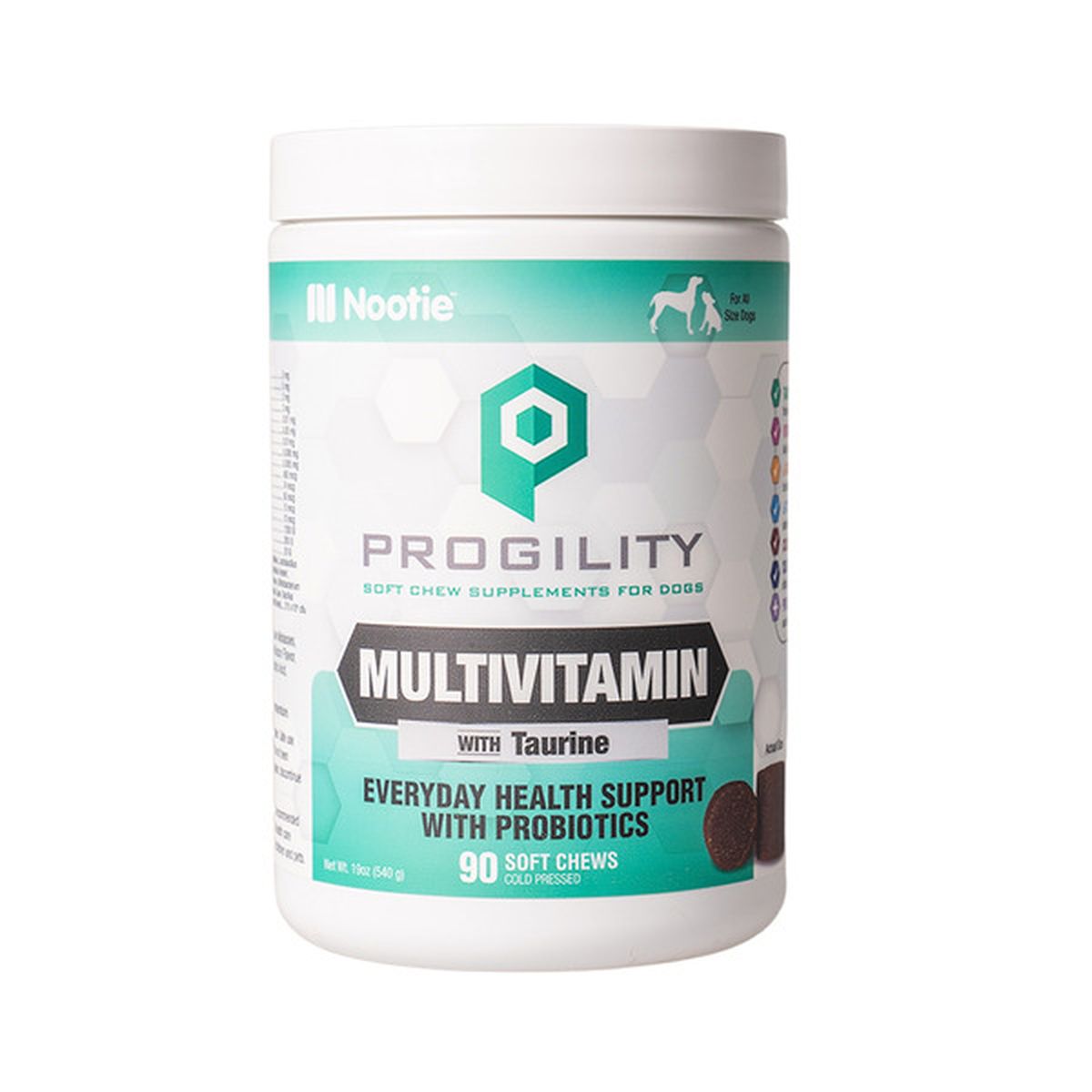
Top-rated supplements featuring this ingredient, ranked by our PSI+ score.