Calcium
general
Calcium: An Essential Mineral for Your Pet's Health
Calcium is a vital mineral that plays a critical role in numerous physiological processes in both dogs and cats. It's not just about strong bones; calcium is involved in everything from nerve transmission to muscle function. Naturally, pets obtain calcium from their diet, primarily through animal products like bones, dairy, and certain fish, as well as some plant sources. Commercial pet foods are typically fortified with appropriate levels of calcium to meet a pet's daily needs.
How Calcium Works and Its Benefits for Pets
In your pet's body, calcium works in conjunction with other minerals like phosphorus and magnesium. Approximately 99% of the body's calcium is stored in the bones and teeth, providing structural integrity. The remaining 1% circulates in the blood and is crucial for a variety of metabolic functions. It helps in the proper clotting of blood, facilitates muscle contraction (including the heart muscle), and is essential for the transmission of nerve impulses. It also plays a role in hormone secretion and enzyme activity.
For pets, adequate calcium intake is paramount. It supports the development and maintenance of strong bones and teeth, which is especially important for growing puppies and kittens, as well as senior pets prone to bone density loss. Calcium also promotes healthy nerve and muscle function, contributing to overall mobility and well-being. In lactating female pets, calcium is critical for milk production to nourish their offspring.
Choosing Calcium Supplements and Safety Considerations
Calcium is a common ingredient in many pet supplements, particularly those aimed at supporting bone and joint health, or for pregnant/lactating animals. When choosing a supplement, look for reputable brands that provide calcium in bioavailable forms, such as calcium carbonate, calcium citrate, or calcium phosphate. The supplement label should clearly state the amount of elemental calcium per serving. It's also beneficial if the supplement includes Vitamin D, as Vitamin D is essential for the proper absorption and utilization of calcium in the body.
While calcium is essential, too much can be detrimental. Excessive calcium intake, especially in growing large-breed puppies, can lead to skeletal abnormalities and other health issues. Conversely, a deficiency can result in conditions like rickets in young animals or osteomalacia in adults. It's crucial to consult with your veterinarian before adding any calcium supplement to your pet's diet. They can assess your pet's individual needs, considering their age, breed, diet, and any existing health conditions, to recommend the appropriate dosage and monitor for any potential interactions with other medications or supplements your pet may be taking.
Products Containing Calcium
Top-rated supplements featuring this ingredient, ranked by our PSI+ score.
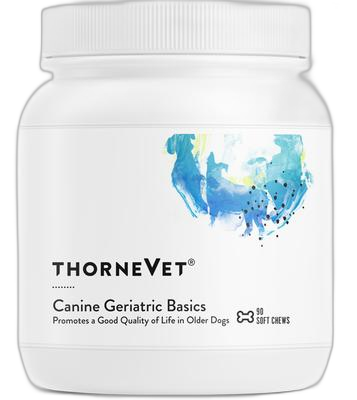
ThorneVET Canine Geriatric Basics Chew Supplement for Senior Dogs
ThorneVet

VetriScience Canine Plus Senior 27+ Active Health Veggie Flavored Soft Chews Multivitamin for Senior Dogs
VetriScience

Pro-Sense Dog Vitamin Solutions Chewable Tablet Multivitamin for Dogs
Pro-Sense

Pet-Tabs Vitamin-Mineral Dog Supplement
Pet-Tabs

Makondo Pets Multivitamin for Dogs and Cats
Makondo Pets

Multi-Vitamin & Mineral for Dogs
NaturVet

NaturVet VitaPet Adult Daily Vitamins for Dogs
NaturVet

Daily Multi Adult Canine Supplement
NaturVet