Cellulase (from Aspergillus niger)
enzyme
Cellulase (from Aspergillus niger)
Category: Enzyme
What Is Cellulase (from Aspergillus niger)?
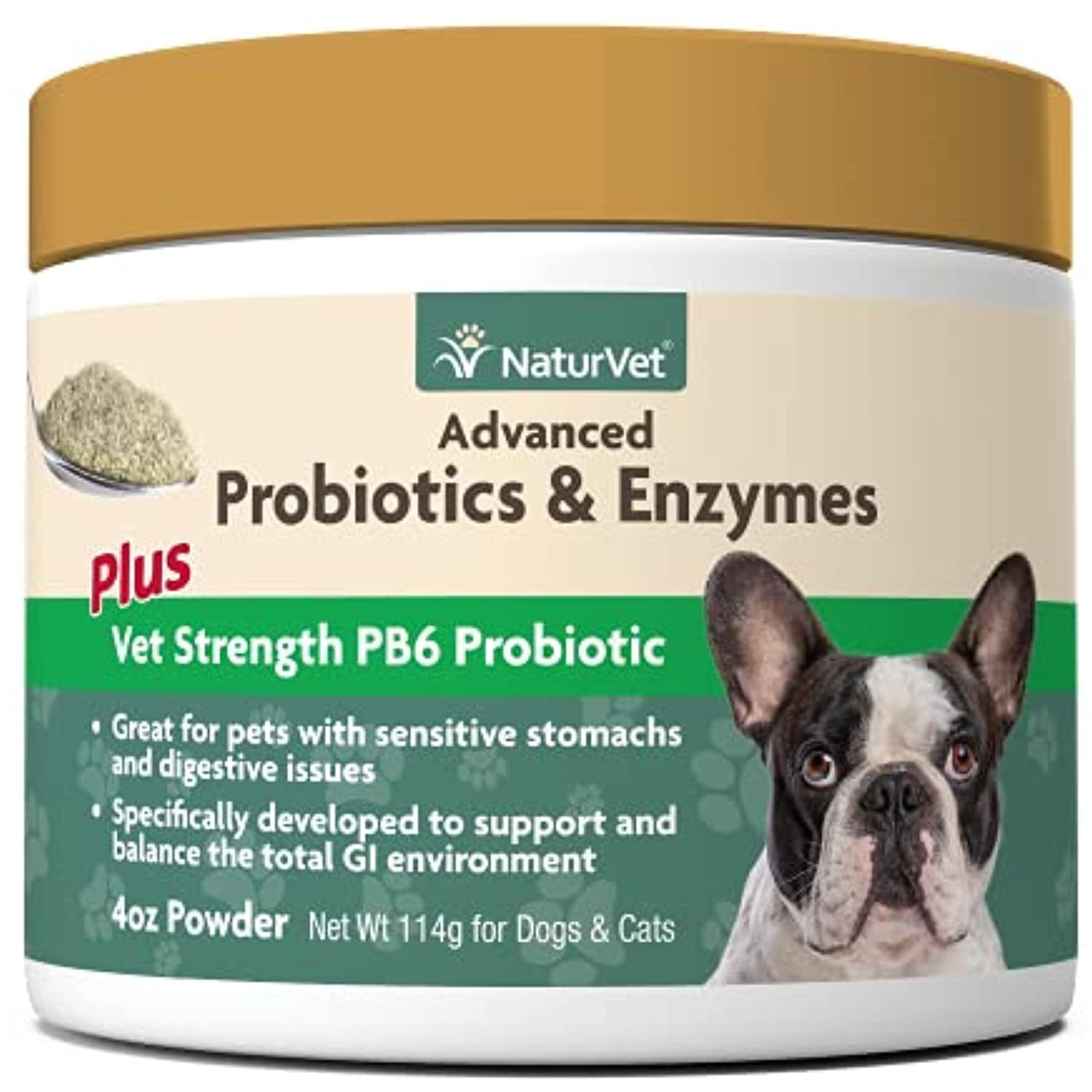
Cellulase is an enzyme that catalyzes the hydrolysis of cellulose, a complex carbohydrate found in the cell walls of plants. The specific form of cellulase commonly used in pet supplements is derived from the fungus Aspergillus niger, a well-established and safe source for enzyme production in food and supplement industries. In pet supplements, cellulase is included to aid in the breakdown of fibrous plant material that pets may ingest, either through their diet or by consuming non-food items. Unlike ruminants, dogs and cats do not naturally produce significant amounts of cellulase in their digestive tracts, making supplemental cellulase a valuable addition for processing plant-based fibers.
Benefits for Pets
The primary benefit of cellulase for pets revolves around improved digestion and nutrient utilization. By breaking down cellulose, cellulase can help to:
- Enhance Nutrient Absorption: When plant cell walls are broken down, nutrients encapsulated within them become more accessible for absorption in the small intestine. This can lead to better utilization of vitamins, minerals, and other beneficial compounds from plant-based ingredients in pet foods or treats.
- Support Digestive Comfort: For some pets, particularly those on diets containing higher levels of plant fiber, the incomplete digestion of cellulose can lead to digestive discomfort, gas, or inconsistent stool quality. Cellulase can help mitigate these issues by facilitating more thorough fiber breakdown.
- Promote Healthy Gut Microbiome: While cellulase directly breaks down cellulose, its action can indirectly influence the gut microbiome by making other plant components available for beneficial gut bacteria, thereby supporting a balanced intestinal environment.
Scientific Evidence
Research into the effects of supplemental enzymes like cellulase in monogastric animals, including companion animals, has shown promising results. In vitro studies have demonstrated the ability of Aspergillus niger-derived cellulase to effectively degrade various forms of cellulose, confirming its enzymatic activity. Animal feeding trials, particularly in livestock and poultry, have indicated that cellulase supplementation can improve feed efficiency and nutrient digestibility, especially when diets contain high levels of plant fiber. While specific large-scale clinical trials directly on dogs and cats are less numerous compared to livestock, the fundamental enzymatic action and observed benefits in other monogastrics provide a strong basis for its application in pet supplements to support digestive health.
Dosage Guidelines
Dosage for cellulase in pet supplements varies significantly based on the product's concentration, the pet's size, and the intended dietary application. A common approach involves units of activity, such as Cellulase Units (CU) or Fungal Cellulase Units (FCU). Typical dosages might range from 50 to 500 CU per meal for an average adult dog, with smaller pets requiring less and larger pets potentially benefiting from higher amounts. It is crucial to follow the specific dosing instructions provided on the supplement packaging, as formulations differ. Cellulase is usually administered orally, often mixed with food.
Safety Considerations
Cellulase from Aspergillus niger is generally considered safe for pets when administered according to recommended guidelines. Side effects are rare but could include mild gastrointestinal upset, such as loose stools or gas, particularly if very high doses are given initially. There are no known significant drug interactions with cellulase. Contraindications are minimal, though pets with pre-existing severe gastrointestinal conditions should have enzyme supplementation introduced under veterinary guidance. As with any supplement, discontinue use if adverse reactions occur and consult a veterinarian.
Which Pets Benefit Most
Pets that may benefit most from cellulase supplementation include:
- Pets on Plant-Rich Diets: Dogs and cats consuming diets with significant amounts of vegetables, fruits, or plant-based protein sources may experience improved digestion.
- Pets with Digestive Sensitivities: Those prone to occasional gas, bloating, or inconsistent stool quality related to fiber intake.
- Senior Pets: Older animals often experience a decline in digestive efficiency, and enzyme support can be beneficial.
- Pets with Coprophagia: While not a direct treatment, improving nutrient absorption might indirectly reduce the urge for some pets to consume feces due to nutrient deficiencies.
Products Containing Cellulase (from Aspergillus niger)
Top-rated supplements featuring this ingredient, ranked by our PSI+ score.