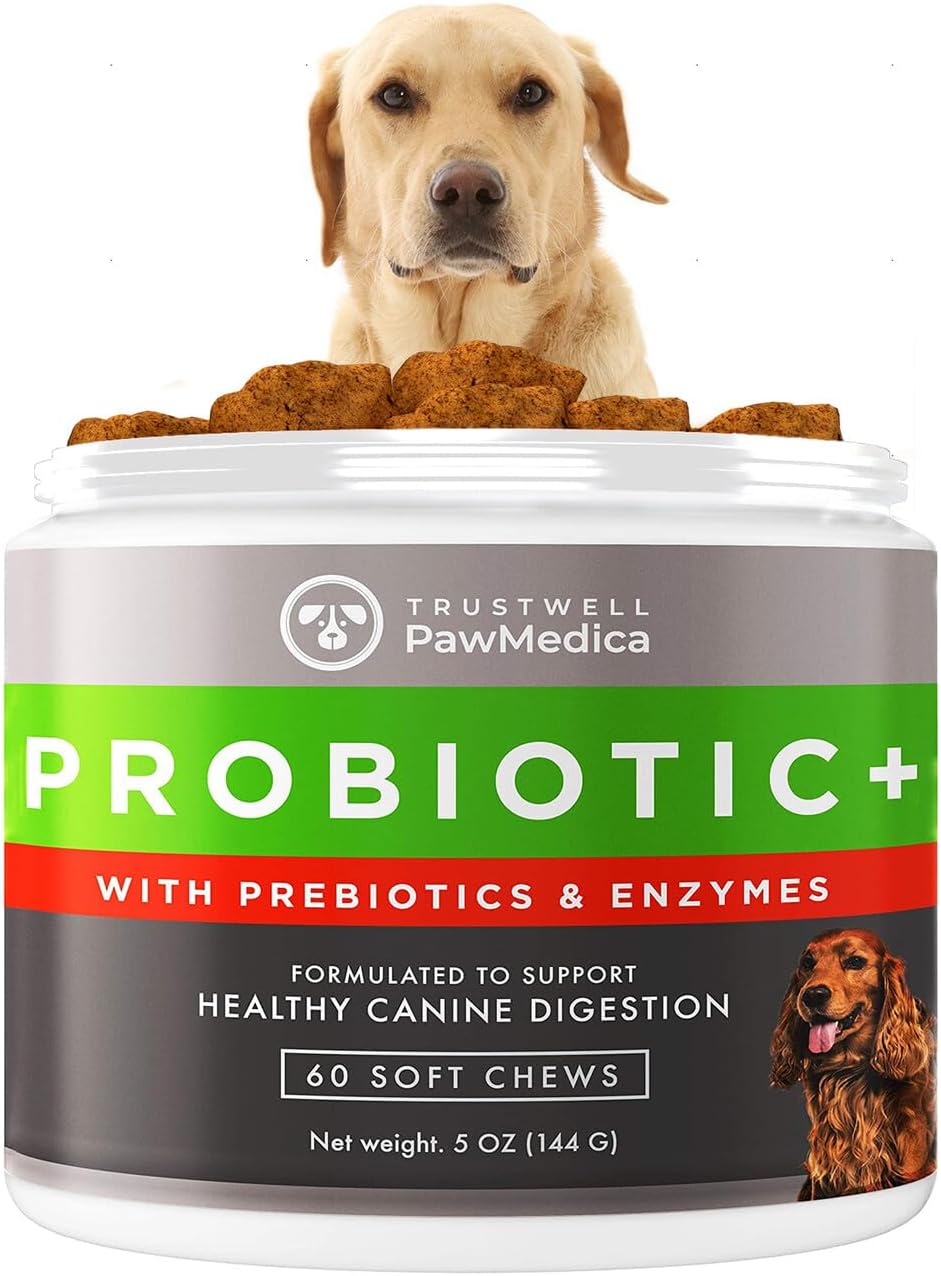
Digestive Enzyme Blend (Amylase, Protease, Lipase)
enzyme
Digestive Enzyme Blend (Amylase, Protease, Lipase)
Category: Enzyme
Current Description: This Digestive Enzyme Blend (Amylase, Protease, Lipase) enhances nutrient absorption by breaking down carbohydrates, proteins, and fats. It supports optimal digestion, reduces digestive discomfort, and ensures pets efficiently utilize their food.
What Is Digestive Enzyme Blend (Amylase, Protease, Lipase)?
A digestive enzyme blend typically refers to a combination of three primary enzymes crucial for nutrient breakdown: amylase, protease, and lipase. Amylase is responsible for breaking down complex carbohydrates (starches) into simpler sugars. Protease facilitates the breakdown of proteins into amino acids and smaller peptides. Lipase is essential for digesting fats (lipids) into fatty acids and glycerol. These enzymes are naturally produced in the pancreas and small intestine of pets. In pet supplements, these enzymes are often derived from fungal (e.g., Aspergillus oryzae, Aspergillus niger) or plant sources (e.g., bromelain from pineapple, papain from papaya), or sometimes from animal sources (e.g., porcine pancreas). They are included in supplements to augment a pet's natural digestive capacity, particularly when endogenous enzyme production is insufficient or during periods of digestive stress.
Benefits for Pets
Supplementing with a digestive enzyme blend offers several potential benefits for pets. The primary advantage is improved nutrient absorption, as food is more thoroughly broken down into absorbable components. This can lead to better utilization of dietary nutrients, supporting overall health, coat quality, and energy levels. For pets experiencing digestive discomfort, such as bloating, gas, or loose stools, these enzymes can help alleviate symptoms by ensuring more complete digestion of food before it reaches the large intestine. Furthermore, by improving digestion, these enzymes can reduce the workload on the pancreas, potentially benefiting pets with pancreatic insufficiency or those prone to digestive upset.
Scientific Evidence
Research into digestive enzyme supplementation for pets, while ongoing, has shown promising results. Clinical trials in dogs with exocrine pancreatic insufficiency (EPI) have consistently demonstrated that pancreatic enzyme replacement therapy significantly improves digestion and reduces clinical signs like malabsorption and weight loss. Studies on healthy pets, including both dogs and cats, have indicated that supplemental enzymes can enhance the digestibility of macronutrients, particularly fats and proteins, leading to improved fecal quality and nutrient uptake. In vitro studies have confirmed the ability of various fungal and plant-derived enzymes to effectively break down carbohydrates, proteins, and fats under conditions mimicking the pet digestive tract. While the most dramatic effects are seen in pets with diagnosed enzyme deficiencies, evidence suggests benefits for healthy pets facing digestive challenges.
Dosage Guidelines
Dosage guidelines for digestive enzyme blends vary significantly based on the specific enzyme activities (measured in FCC units), the pet's size, and the severity of digestive issues. For a general digestive aid, a common recommendation might be 50-100 mg per 10-20 lbs of body weight, administered with each meal. For pets with more significant digestive challenges, such as EPI, much higher doses are typically prescribed by a veterinarian, often ranging from 1/4 to 1 teaspoon of a pancreatic enzyme powder per meal, depending on the product's concentration. It is crucial to follow the manufacturer's instructions or a veterinarian's guidance, as enzyme potency can differ greatly between products. Enzymes are most effective when mixed directly with food and allowed to sit for 10-20 minutes before feeding, though this can vary by product.
Safety Considerations
Digestive enzyme blends are generally considered safe for pets when administered appropriately. Potential side effects are rare but can include mild gastrointestinal upset such as diarrhea or vomiting, especially at very high doses or if the pet is sensitive to a specific enzyme source. Some pets may experience oral irritation or mouth sores if enzyme powders are not thoroughly mixed into food. There are no significant known drug interactions with common pet medications, but it's always advisable to consult a veterinarian if a pet is on other treatments. Contraindications are primarily limited to pets with known allergies to specific enzyme sources or those with acute pancreatitis, where enzyme supplementation might be contraindicated during the acute phase.
Which Pets Benefit Most
Pets that benefit most from digestive enzyme blends include senior pets, whose natural enzyme production may decline with age, and pets with exocrine pancreatic insufficiency (EPI), a condition where the pancreas fails to produce sufficient digestive enzymes. Breeds predisposed to EPI, such as German Shepherds, Rough Collies, and English Setters, are prime candidates. Pets with sensitive stomachs, chronic diarrhea, or those experiencing malabsorption despite a high-quality diet can also see significant improvements. Furthermore, pets transitioning to new diets or those consuming highly processed foods might benefit from the added digestive support to ensure optimal nutrient extraction and minimize digestive upset.
Products Containing Digestive Enzyme Blend (Amylase, Protease, Lipase)
Top-rated supplements featuring this ingredient, ranked by our PSI+ score.