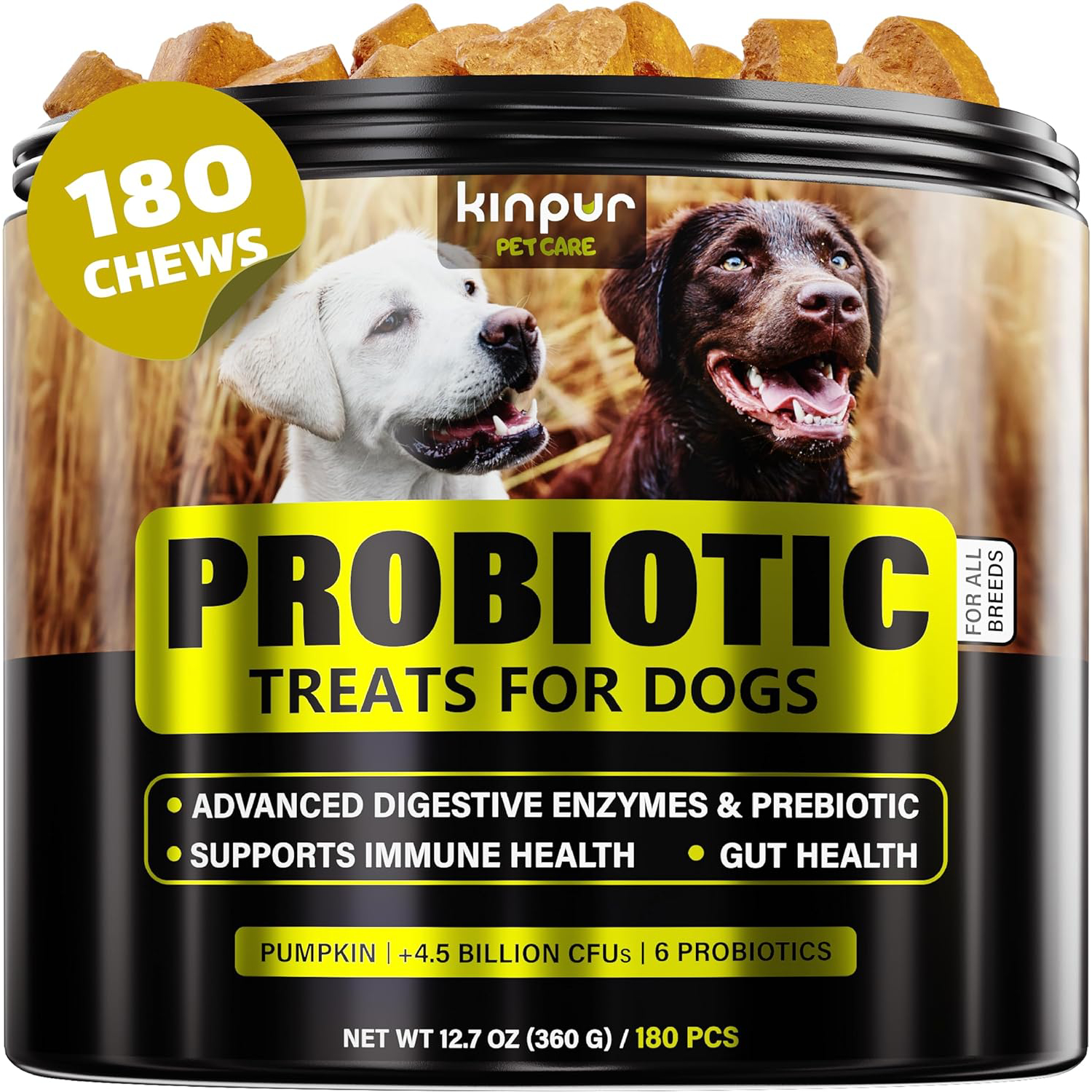
Digestive Enzymes (Protease, Amylase, Lipase)
enzyme
Digestive Enzymes (Protease, Amylase, Lipase)
What Is Digestive Enzymes (Protease, Amylase, Lipase)?
Digestive enzymes are biological catalysts essential for breaking down food into smaller, absorbable nutrients. The trio commonly found in pet supplements includes Protease, Amylase, and Lipase. Protease specifically targets proteins, breaking them into amino acids and smaller peptides. Amylase is responsible for carbohydrate digestion, converting complex starches into simpler sugars. Lipase facilitates the breakdown of fats (lipids) into fatty acids and glycerol. These enzymes are naturally produced in the pancreas and small intestine of pets. In supplements, they are often derived from plant sources (e.g., pineapple, papaya) or fungal fermentation, providing an exogenous source to support the body's natural digestive processes.
Benefits for Pets
Supplementing with digestive enzymes can offer several benefits for pets, particularly those with compromised digestion. They help improve nutrient absorption, ensuring pets get the most nutritional value from their food. This can lead to better weight management, enhanced coat quality, and increased energy levels. Digestive enzymes may also alleviate symptoms associated with poor digestion, such as gas, bloating, diarrhea, and constipation. For pets with exocrine pancreatic insufficiency (EPI), enzyme supplementation is crucial for survival and quality of life, as their bodies cannot produce sufficient digestive enzymes naturally.
Scientific Evidence
Research on digestive enzyme supplementation in pets has shown promising results. Clinical trials in dogs with exocrine pancreatic insufficiency (EPI) consistently demonstrate that enzyme replacement therapy significantly improves nutrient digestion and reduces clinical signs of maldigestion. In vitro studies have confirmed the efficacy of various enzyme preparations in breaking down proteins, carbohydrates, and fats under simulated gastrointestinal conditions. While large-scale clinical trials on healthy pets are less common, anecdotal evidence and smaller studies suggest that enzyme supplementation can support digestive comfort and nutrient utilization, especially in older animals or those with sensitive stomachs.
Dosage Guidelines
Dosage for digestive enzymes varies significantly based on the enzyme concentration, the pet's size, and the specific condition being addressed. For general digestive support, a common recommendation might be 50-200 mg per meal for small dogs and cats, increasing to 200-500 mg per meal for medium to large dogs. For conditions like EPI, much higher therapeutic doses are required, often prescribed by a veterinarian, and typically administered with each meal. Enzymes are generally given mixed directly into food, allowing them to begin the digestive process as soon as the food is consumed.
Safety Considerations
Digestive enzymes are generally considered safe for pets when administered appropriately. Potential side effects are rare but can include mild gastrointestinal upset, such as nausea or loose stools, especially if the dose is too high or if the pet is sensitive. In some cases, pets may experience oral irritation if enzyme powders come into prolonged direct contact with mucous membranes. There are no well-documented significant drug interactions with common pet medications, but it is always advisable to consult a veterinarian before introducing any new supplement, particularly for pets on existing medications or with pre-existing health conditions. Pets with known allergies to specific enzyme sources (e.g., pork for pancreatic enzymes) should avoid those products.
Which Pets Benefit Most
Pets that benefit most from digestive enzyme supplementation include senior pets, whose natural enzyme production may decline with age, and those with chronic digestive sensitivities. Breeds predisposed to exocrine pancreatic insufficiency, such as German Shepherds and Rough Collies, are prime candidates. Pets recovering from gastrointestinal illness, those with food intolerances, or those experiencing unexplained weight loss despite adequate food intake may also find relief. Additionally, highly active or working dogs might benefit from enhanced nutrient absorption to support their energy demands.
Products Containing Digestive Enzymes (Protease, Amylase, Lipase)
Top-rated supplements featuring this ingredient, ranked by our PSI+ score.