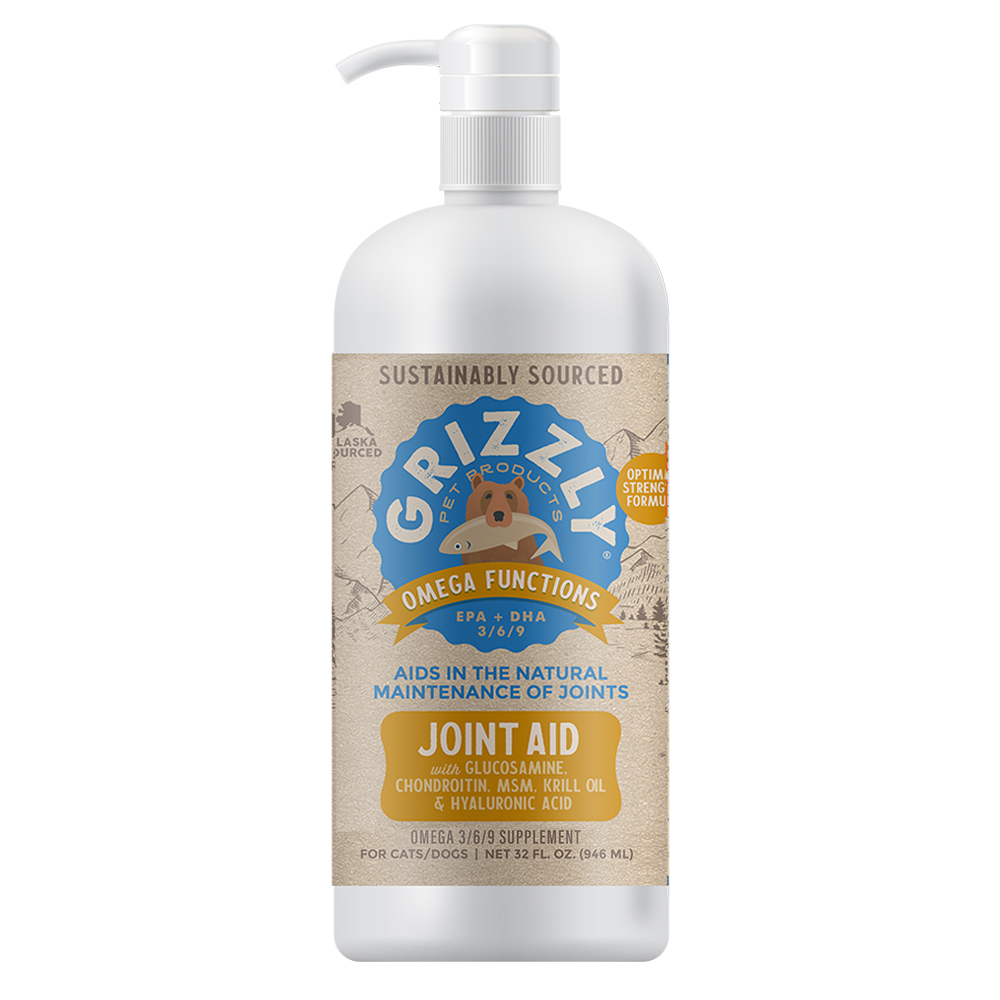
EPA (from Krill Oil)
fatty acid
EPA (from Krill Oil)
Category: Fatty Acid
What Is EPA (from Krill Oil)?
Eicosapentaenoic acid (EPA) is a crucial omega-3 polyunsaturated fatty acid, widely recognized for its significant health benefits. When derived from krill oil, EPA comes from a small, shrimp-like crustacean found in the Antarctic Ocean. Unlike fish oil, krill oil delivers EPA primarily in phospholipid form, which is believed to enhance its bioavailability and absorption in the body. In pet supplements, EPA from krill oil is incorporated to provide a concentrated source of this essential fatty acid, supporting various physiological functions that pets cannot efficiently synthesize on their own.
Benefits for Pets
Supplementation with EPA from krill oil offers a range of advantages for both dogs and cats. A primary benefit is its potent anti-inflammatory properties, which can help manage discomfort associated with conditions like osteoarthritis and inflammatory bowel disease. It also plays a vital role in promoting skin and coat health, contributing to a lustrous coat, reduced shedding, and alleviation of dry, itchy skin. Furthermore, EPA supports cardiovascular function, helping to maintain a healthy heart rhythm and blood pressure. For cognitive health, particularly in aging pets, EPA contributes to brain function and can help maintain mental acuity. It also supports immune system function, helping pets respond effectively to environmental challenges.
Scientific Evidence
The efficacy of omega-3 fatty acids, including EPA, has been extensively studied. Clinical trials in dogs with osteoarthritis have demonstrated that EPA supplementation can significantly reduce lameness and improve overall mobility, often leading to a decreased reliance on non-steroidal anti-inflammatory drugs (NSAIDs). Research also indicates that EPA contributes to improved dermal health and reduced pruritus in pets with allergic skin conditions. Studies focusing on cardiovascular health have shown that omega-3s can help modulate heart rate and improve endothelial function. While specific studies on krill oil's phospholipid-bound EPA in pets are emerging, in vitro studies and human research suggest superior absorption compared to triglyceride-bound EPA from fish oil, potentially leading to more efficient delivery of its benefits.
Dosage Guidelines
Dosage for EPA from krill oil can vary based on the pet's size, condition, and the concentration of the supplement. A general guideline for therapeutic doses of total omega-3s (EPA + DHA) often falls within the range of 50-75 mg per kilogram of body weight daily. For maintenance, a lower dose of 20-30 mg/kg/day may be appropriate. For example, a small dog (5-10 kg) might receive 100-250 mg of total omega-3s daily, while a large dog (30-40 kg) could receive 600-1000 mg. It is crucial to follow the manufacturer's specific recommendations and consult with a veterinarian to determine the precise dosage for an individual pet, especially when addressing specific health concerns. Krill oil is typically administered orally, often as a softgel capsule or liquid mixed with food.
Safety Considerations
EPA from krill oil is generally considered safe for pets when administered at appropriate doses. Potential side effects are usually mild and may include gastrointestinal upset such as soft stools, diarrhea, or vomiting, particularly at higher doses. It's important to introduce supplements gradually to monitor for any adverse reactions. Caution is advised for pets on blood-thinning medications, as high doses of omega-3s can have anti-coagulant effects. Pets with known allergies to shellfish should avoid krill oil due to the potential for allergic reactions. Always discuss any new supplement with a veterinarian, especially for pets with pre-existing health conditions or those taking other medications.
Which Pets Benefit Most
Many pets can benefit from EPA from krill oil, but certain groups may experience more pronounced advantages. Senior dogs and cats often benefit due to its support for joint health, cognitive function, and cardiovascular well-being. Breeds predisposed to joint issues, such as German Shepherds, Labrador Retrievers, and Maine Coons, may find significant relief from inflammation. Pets with chronic skin allergies, including breeds like French Bulldogs, West Highland White Terriers, and Siamese cats, can experience improvements in skin barrier function and reduced itching. Additionally, pets with compromised immune systems or those requiring general support for overall vitality can benefit from its broad-spectrum health-promoting properties.
Products Containing EPA (from Krill Oil)
Top-rated supplements featuring this ingredient, ranked by our PSI+ score.