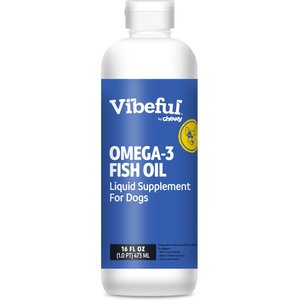
Fish Oil (Anchovy
fatty-acid
What Is Fish Oil (Anchovy)?
Fish oil derived from anchovies is a highly concentrated and bioavailable source of omega-3 polyunsaturated fatty acids (PUFAs), primarily eicosapentaenoic acid (EPA) and docosahexaenoic acid (DHA). Anchovies, being small, short-lived fish, are naturally low in environmental contaminants like mercury, making them a preferred source for fish oil supplements. This oil is extracted from the tissues of anchovies and then typically refined and purified to ensure safety and potency. In pet supplements, anchovy fish oil is widely utilized for its potent anti-inflammatory and health-promoting properties, often encapsulated or incorporated into liquid formulations.
Benefits for Pets
The omega-3 fatty acids in anchovy fish oil offer a wide array of health benefits for both dogs and cats. EPA and DHA are crucial for maintaining cellular health and systemic balance. Key benefits include:
- Joint Health: EPA helps to reduce inflammation associated with conditions like osteoarthritis, improving mobility and comfort.
- Skin and Coat Health: These fatty acids promote a healthy skin barrier, reduce dryness and itchiness, and contribute to a shiny, lustrous coat.
- Cardiovascular Support: Omega-3s help maintain healthy heart function and support normal blood pressure.
- Cognitive Function: DHA is a major structural component of the brain and retina, supporting neurological development in young animals and maintaining cognitive function in older pets.
- Immune System Modulation: Fish oil can help regulate immune responses, potentially benefiting pets with certain immune-mediated conditions.
- Renal Health: Some evidence suggests a supportive role in maintaining kidney function.
Scientific Evidence
Extensive research, including numerous clinical trials in veterinary medicine, supports the benefits of omega-3 fatty acids from fish oil. Studies have demonstrated EPA's efficacy in reducing inflammatory mediators in canine arthritic joints, leading to observable improvements in lameness and activity levels. Randomized controlled trials have also shown that dietary supplementation with DHA can enhance cognitive development in puppies and support cognitive function in aging dogs. Furthermore, research indicates that omega-3 supplementation can improve skin and coat quality and help manage inflammatory skin conditions. While specific mechanisms are complex, the anti-inflammatory effects are largely attributed to EPA's role in competing with arachidonic acid in inflammatory pathways.
Dosage Guidelines
Dosage for anchovy fish oil varies depending on the pet's size, condition, and the concentration of EPA and DHA in the product. A common general guideline for therapeutic effect is approximately 75-100 mg combined EPA+DHA per kg of body weight per day. For maintenance, lower doses around 30-50 mg/kg are often recommended. For example:
- Small Dogs/Cats (up to 10 kg): 200-500 mg combined EPA+DHA daily.
- Medium Dogs (10-25 kg): 500-1000 mg combined EPA+DHA daily.
- Large Dogs (over 25 kg): 1000-3000 mg combined EPA+DHA daily.
It is crucial to follow the specific instructions on the supplement label and consult with a veterinarian to determine the appropriate dosage for an individual pet.
Safety Considerations
Anchovy fish oil is generally well-tolerated, but potential side effects can occur, especially at very high doses. These may include gastrointestinal upset (diarrhea, vomiting), a "fishy" odor to the breath or skin, and in rare cases, delayed wound healing due to its anticoagulant properties. It can interact with certain medications, such as blood thinners, so caution is advised if a pet is on such therapy. Pets with pancreatitis or clotting disorders should be given fish oil only under veterinary supervision. Always ensure the product is third-party tested for purity and absence of heavy metals and toxins.
Which Pets Benefit Most
Many pets can benefit from anchovy fish oil, but certain groups may experience more pronounced advantages. These include:
- Senior Pets: To support joint health, cognitive function, and maintain overall vitality.
- Pets with Arthritis or Joint Issues: For its potent anti-inflammatory effects.
- Pets with Dry, Itchy Skin or Dull Coats: To improve skin barrier function and coat quality.
- Breeds Prone to Joint Problems: Such as German Shepherds, Labradors, and Golden Retrievers.
- Growing Puppies and Kittens: For optimal brain and retinal development.
- Pets with Certain Immune-Mediated Conditions: Under veterinary guidance.
Products Containing Fish Oil (Anchovy
Top-rated supplements featuring this ingredient, ranked by our PSI+ score.