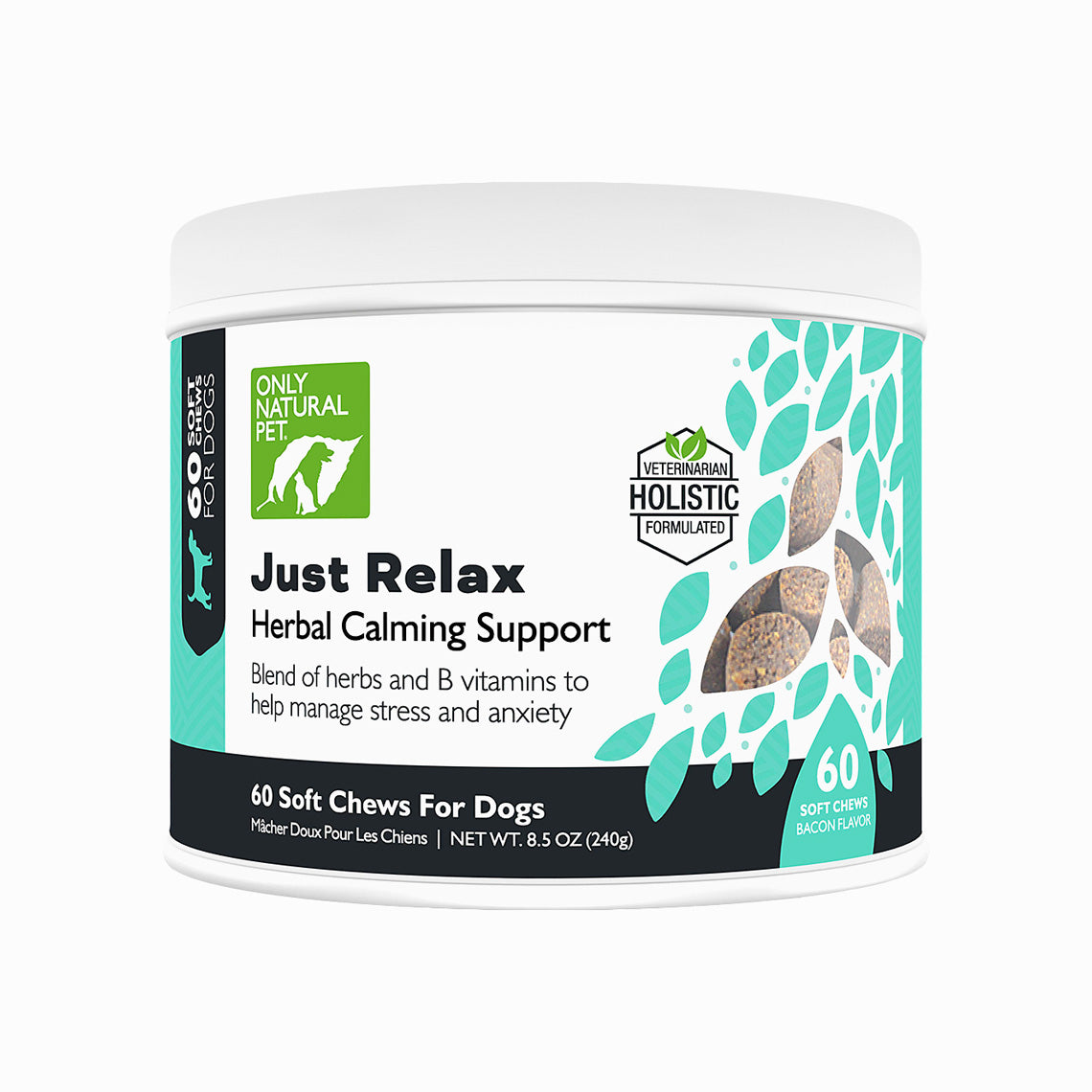
GABA (Gamma-Aminobutyric Acid)
amino-acid
GABA (Gamma-Aminobutyric Acid)
Category: amino-acid
Current description: GABA (Gamma-Aminobutyric Acid) is a primary inhibitory neurotransmitter in the brain. It helps reduce neuronal excitability, promoting a sense of calm and relaxation in pets, which can be beneficial for managing anxiety, stress, and hyperactivity.
What Is GABA (Gamma-Aminobutyric Acid)?
GABA, or Gamma-Aminobutyric Acid, is a naturally occurring amino acid that functions as the primary inhibitory neurotransmitter in the central nervous system of both humans and animals. Its main role is to reduce neuronal excitability throughout the nervous system, effectively calming nerve activity. While the body naturally produces GABA, it can also be found in fermented foods and certain plants. In pet supplements, GABA is typically synthesized to ensure purity and consistent potency, providing a direct means to support relaxation and reduce overstimulation in anxious or stressed pets.
Benefits for Pets
The primary benefit of GABA supplementation for pets revolves around its ability to promote a sense of calm and reduce anxiety-related behaviors. By dampening excessive neural activity, GABA can help manage various stress-induced conditions, including:
- Situational Anxiety: Such as fear of thunderstorms, fireworks, car travel, or vet visits.
- Separation-Related Behaviors: Helping pets cope when left alone.
- General Nervousness: Reducing overall anxious tendencies and hyperactivity.
- Support for Behavioral Training: By helping pets remain calm and focused during training sessions.
It does not induce sedation in the same way as some pharmaceutical anxiolytics but rather supports a natural state of relaxation.
Scientific Evidence
Research into GABA's effects, particularly in animal models, supports its role in modulating stress and anxiety. While direct clinical trials on pet supplements containing isolated GABA are still emerging, studies in laboratory animals have demonstrated that GABA administration can reduce physiological markers of stress, such as cortisol levels, and decrease anxious behaviors. In vitro studies have elucidated GABA's mechanism of action, confirming its binding to GABA receptors in the brain, which leads to a decrease in neuronal excitability. The challenge with oral GABA supplementation lies in its ability to cross the blood-brain barrier effectively, though some research suggests that certain forms or co-factors may enhance its bioavailability to the central nervous system.
Dosage Guidelines
Dosage for GABA in pet supplements can vary significantly based on the pet's size, the specific formulation, and the severity of the condition being addressed. A common starting point for dogs might be 50 mg to 200 mg per dose, administered 30-60 minutes before a stressful event or as part of a daily regimen. Smaller dogs (under 20 lbs) might receive 25-50 mg, medium dogs (20-50 lbs) 50-100 mg, and larger dogs (over 50 lbs) 100-200 mg. For cats, typical doses are lower, often in the range of 10 mg to 50 mg per dose. It is crucial to always follow the specific instructions on the supplement product label and consult with a veterinarian for personalized dosing advice.
Safety Considerations
GABA is generally considered safe for pets when administered at recommended dosages. Potential side effects are rare but can include mild drowsiness or gastrointestinal upset (e.g., vomiting, diarrhea) in sensitive individuals. It is essential to avoid exceeding recommended doses, as excessive amounts could theoretically lead to increased lethargy. As an amino acid, GABA is relatively well-tolerated. However, caution should be exercised if a pet is already on medications that affect the central nervous system, such as sedatives or anxiolytics, as there could be an additive effect. Always consult a veterinarian before introducing any new supplement, especially for pets with pre-existing health conditions or those on other medications.
Which Pets Benefit Most
Pets that exhibit signs of anxiety, stress, or hyperactivity are prime candidates for GABA supplementation. This includes:
- Dogs and cats with situational anxieties: Such as fear of loud noises, travel, or vet visits.
- Pets experiencing separation-related behaviors: Those who become distressed when left alone.
- Rescue animals: Who may be adjusting to new environments and routines.
- Senior pets: Who may experience cognitive decline leading to increased anxiety or disorientation.
- Highly excitable or hyperactive breeds: Where a calming effect can support better focus and behavior.
While specific breeds aren't exclusively targeted, any pet showing signs of stress or nervousness could potentially benefit from GABA's calming properties.
Products Containing GABA (Gamma-Aminobutyric Acid)
Top-rated supplements featuring this ingredient, ranked by our PSI+ score.