Green Lipped Mussel (Perna canaliculus)
joint-support
Effective Dose Range (dog)
Min Effective
15 mg/kg body weight
Optimal Low
15 mg/kg body weight
Optimal High
25 mg/kg body weight
Upper Limit
50 mg/kg body weight
Research Evidence
Safety Data
Well-tolerated. Avoid in dogs with shellfish allergies. Quality varies significantly between brands — cold-processed extracts retain more bioactive compounds.
Mechanism of Action
Contains unique omega-3 ETA (eicosatetraenoic acid) that inhibits both COX and LOX pathways. Provides natural GAGs for cartilage support. Anti-inflammatory lipid fraction reduces joint swelling.
What Is Green Lipped Mussel (Perna canaliculus)?
Green Lipped Mussel (GLM), scientifically known as Perna canaliculus, is a bivalve mollusc native to the pristine waters off the coast of New Zealand. Its distinctive green-edged shell gives it its common name. For centuries, the indigenous Maori people have consumed these mussels, attributing various health benefits to them. In pet supplements, GLM is typically processed into a dried powder, often via freeze-drying, to preserve its bioactive compounds. This powder is then incorporated into chews, capsules, or food toppers, serving as a natural, whole-food ingredient aimed at supporting pet health.
Benefits for Pets
Green Lipped Mussel is primarily recognized for its potent joint-supporting properties, making it a cornerstone ingredient in many pet mobility supplements. Its comprehensive nutritional profile offers several key advantages:
- Anti-inflammatory Support: GLM contains a unique blend of omega-3 fatty acids, including EPA, DHA, and the rare eicosatetraenoic acid (ETA). ETA is particularly noted for its ability to inhibit inflammatory pathways, helping to reduce pain and swelling associated with joint conditions.
- Cartilage Health: It is a natural source of glycosaminoglycans (GAGs), such as chondroitin sulfate and hyaluronic acid, which are fundamental building blocks of cartilage. These compounds help maintain the structural integrity and elasticity of joint tissues.
- Lubrication and Shock Absorption: GAGs also contribute to the viscosity of synovial fluid, enhancing joint lubrication and improving the joint's ability to absorb shock.
- Overall Mobility: By addressing inflammation and supporting cartilage, GLM helps to improve overall joint function, increase range of motion, and reduce discomfort, thereby enhancing a pet's quality of life.
Scientific Evidence
Numerous studies have investigated the efficacy of Green Lipped Mussel in supporting joint health in companion animals. Clinical trials in dogs with osteoarthritis have consistently shown improvements in lameness scores, pain levels, and overall mobility when supplemented with GLM. Researchers suggest these benefits are attributable to the synergistic action of its diverse bioactive components, particularly the unique omega-3 fatty acid profile and the presence of GAGs. While specific mechanisms are still being explored, both in vitro and in vivo studies support its anti-inflammatory and chondroprotective effects, demonstrating its potential to mitigate cartilage degradation and support joint tissue repair.
Dosage Guidelines
Dosage recommendations for Green Lipped Mussel vary based on the pet's size, the concentration of the GLM product, and the severity of the condition. A common starting point for dogs is often around 15-20 mg per pound of body weight per day, typically divided into two doses. For cats, a general guideline might be 75-100 mg per day. Many manufacturers provide specific instructions based on weight categories (e.g., small, medium, large dogs). It is often recommended to start with a loading dose (double the maintenance dose) for the first 4-6 weeks to achieve therapeutic levels more quickly, then reduce to a maintenance dose. Always consult the product label and your veterinarian for precise dosing tailored to your pet.
Safety Considerations
Green Lipped Mussel is generally considered safe for pets with a low incidence of side effects. Mild gastrointestinal upset, such as diarrhea or vomiting, can occur, especially if introduced too quickly or given in excessive amounts. Pets with shellfish allergies should avoid GLM due to the potential for allergic reactions. While rare, symptoms could include itching, hives, facial swelling, or difficulty breathing. There are no well-documented significant drug interactions, but caution is advised if your pet is on blood thinners, as omega-3 fatty acids can have mild anticoagulant effects. Pregnant or lactating animals, or those with underlying health conditions, should only be given GLM under veterinary guidance.
Which Pets Benefit Most
Green Lipped Mussel is particularly beneficial for pets experiencing or at risk of developing joint issues. This includes:
- Senior Pets: Older dogs and cats commonly develop age-related osteoarthritis.
- Large and Giant Breed Dogs: Breeds like German Shepherds, Labradors, Golden Retrievers, and Great Danes are predisposed to hip and elbow dysplasia and other joint problems.
- Active and Working Dogs: Athletes, agility dogs, and working breeds can experience increased wear and tear on their joints.
- Pets Recovering from Orthopedic Surgery: GLM can support the healing process and maintain joint health post-operatively.
- Pets with Diagnosed Joint Conditions: Those with arthritis, hip dysplasia, or other degenerative joint diseases can experience improved comfort and mobility.
- Overweight Pets: Reduced joint stress through improved joint health can be beneficial.
Products Containing Green Lipped Mussel (Perna canaliculus)
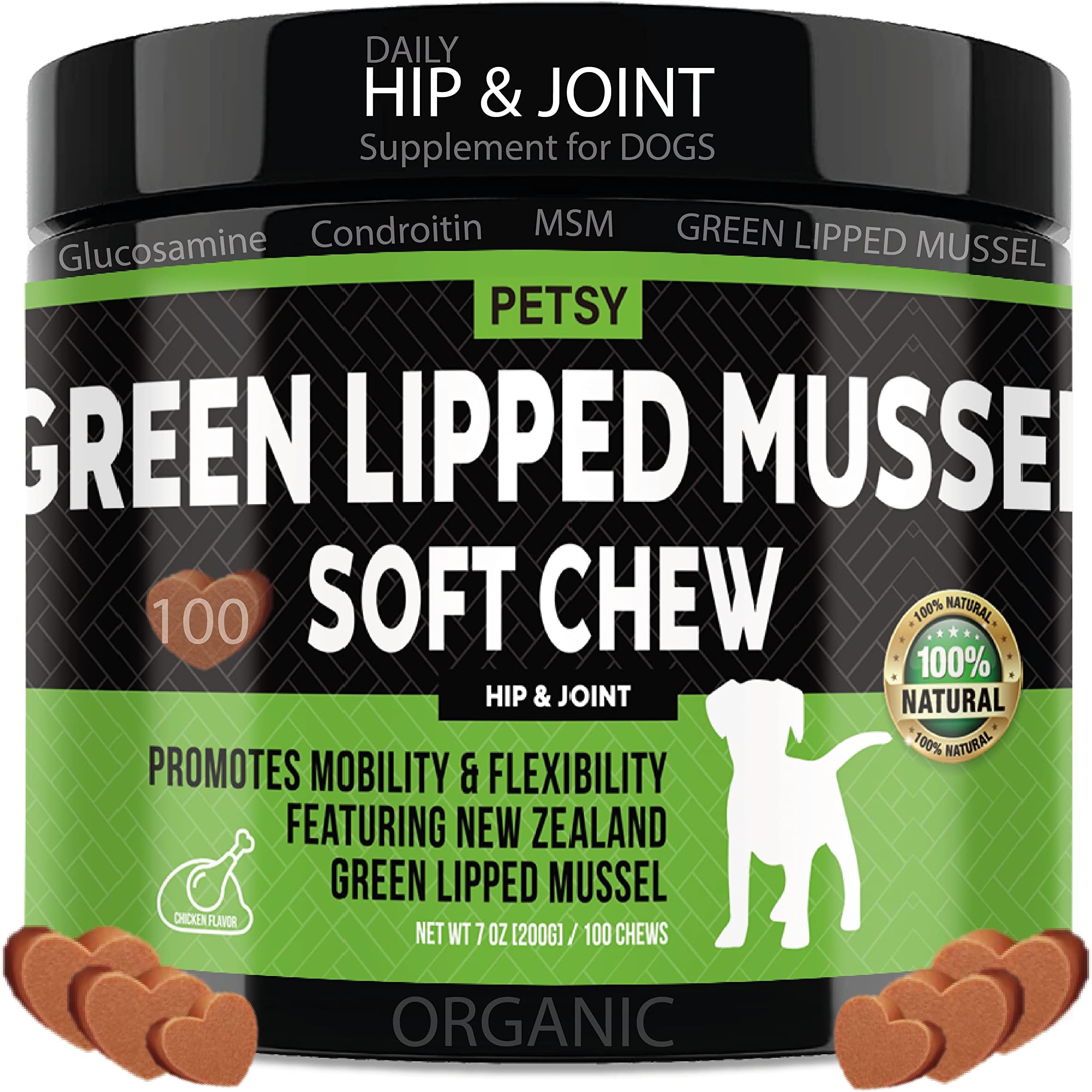
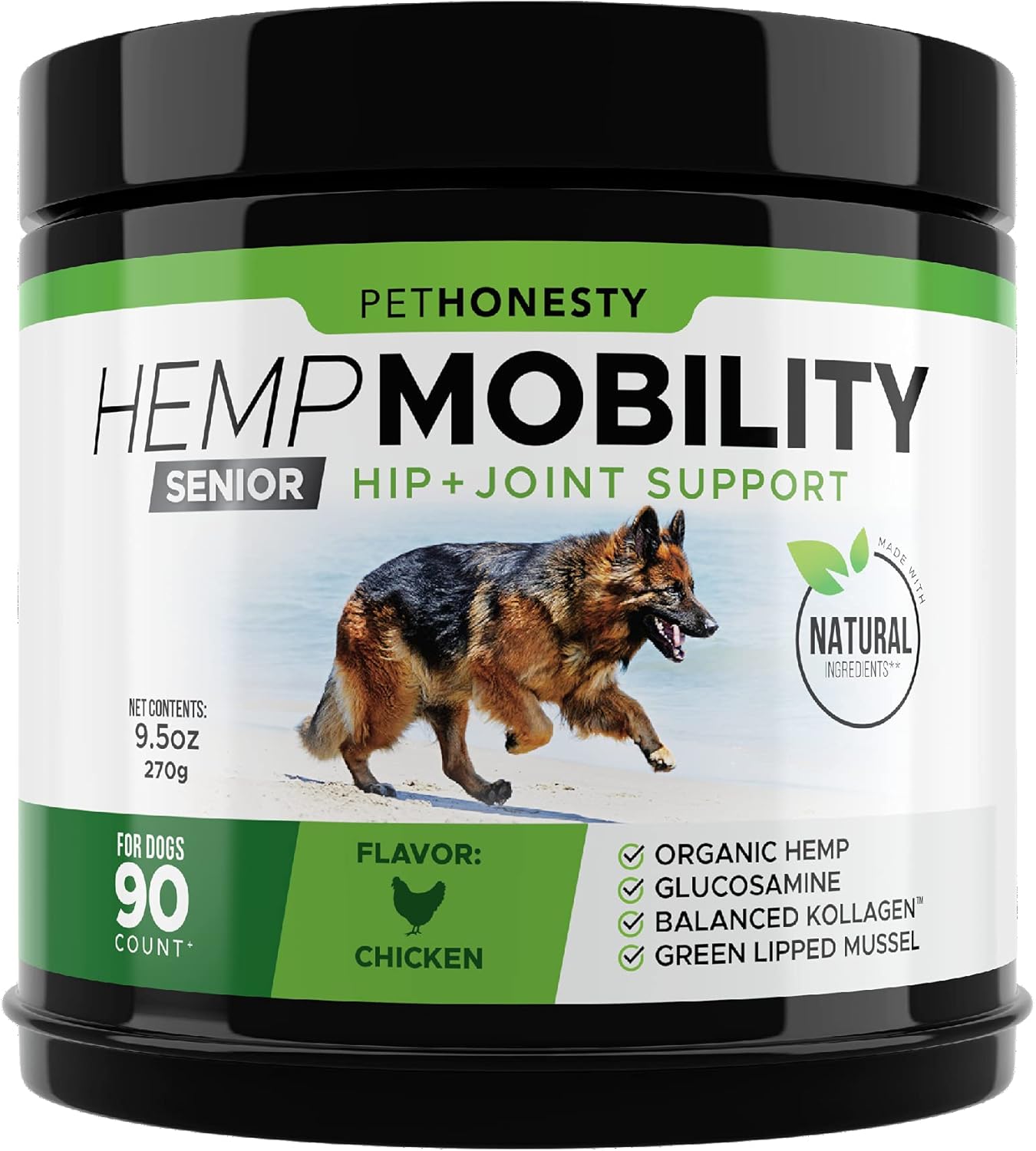
Top-rated supplements featuring this ingredient, ranked by our PSI+ score.