Iron (Ferrous Fumarate)
mineral
Iron (Ferrous Fumarate)
Category: Mineral
Iron (Ferrous Fumarate) is a vital mineral essential for oxygen transport and energy production in pets. It is a key component of hemoglobin, preventing anemia and supporting healthy growth, development, and immune function.
What Is Iron (Ferrous Fumarate)?
Iron is a fundamental trace mineral crucial for numerous physiological processes in animals. Ferrous fumarate is a specific salt form of iron, commonly utilized in dietary supplements due to its good bioavailability and stability. In nature, iron is abundant in red meats, poultry, fish, eggs, and certain plant-based foods like spinach and lentils. For pet supplements, ferrous fumarate is synthesized to provide a consistent and controlled source of this essential nutrient, helping to fortify pet foods or address specific deficiencies.
Benefits for Pets
The primary benefit of iron supplementation for pets revolves around its role in red blood cell formation. Iron is an indispensable component of hemoglobin, the protein in red blood cells responsible for carrying oxygen from the lungs to the body's tissues and carbon dioxide back to the lungs. Adequate iron levels are therefore critical for preventing iron-deficiency anemia, a condition characterized by lethargy, weakness, and pale mucous membranes. Beyond oxygen transport, iron also plays a part in various enzyme systems involved in energy metabolism, DNA synthesis, and immune function, thereby supporting overall vitality, growth, and disease resistance in both dogs and cats.
Scientific Evidence
Research underscores the importance of iron for canine and feline health. Clinical trials in anemic animals have consistently demonstrated that iron supplementation, including forms like ferrous fumarate, effectively increases hemoglobin levels and red blood cell counts, thereby resolving signs of iron deficiency. Studies also highlight its role in supporting optimal growth rates in young animals and maintaining immune competence, particularly in situations of chronic illness or stress. While specific studies on ferrous fumarate in pets are part of broader iron research, its efficacy is well-established within veterinary nutrition for addressing iron deficiencies.
Dosage Guidelines
Dosage of iron (ferrous fumarate) varies significantly based on the pet's size, species, and the severity of any existing deficiency. For general supplementation, typical daily dosages for dogs might range from 1-2 mg of elemental iron per kg of body weight, while cats may require similar or slightly higher amounts relative to their smaller size. For treating diagnosed iron-deficiency anemia, veterinary guidance is crucial, as therapeutic doses can be substantially higher (e.g., 10-20 mg/kg/day or more, depending on the specific case). It is commonly administered orally, often as part of a multi-vitamin mineral supplement, chewable tablet, or liquid formulation. Always follow a veterinarian's recommendation or product label instructions carefully.
Safety Considerations
While essential, iron can be toxic in excessive amounts. Acute iron overdose can lead to severe gastrointestinal upset (vomiting, diarrhea, abdominal pain), liver damage, and even death. Chronic over-supplementation can result in iron storage disease (hemochromatosis), particularly in certain breeds. Iron supplements can interact with other medications, such as some antibiotics (e.g., tetracyclines, fluoroquinolones), reducing their absorption. It can also interfere with the absorption of other minerals like zinc and copper. Contraindications include pets with existing iron overload conditions or certain liver diseases. Always consult a veterinarian before initiating iron supplementation, especially if your pet is on other medications or has underlying health issues.
Which Pets Benefit Most
Pets most likely to benefit from iron (ferrous fumarate) supplementation include:
- Growing puppies and kittens: Due to rapid growth and development.
- Pregnant or lactating females: Increased demands for iron to support offspring and milk production.
- Pets with chronic blood loss: Such as from parasites (fleas, ticks, intestinal worms), ulcers, or certain autoimmune conditions.
- Pets diagnosed with iron-deficiency anemia: As part of a veterinary-prescribed treatment plan.
- Pets on restrictive or unbalanced diets: Where natural iron intake might be insufficient.
- Certain breeds: While not a breed-specific deficiency, some breeds may be more prone to conditions leading to anemia.
It is crucial to note that iron supplementation should only be given under veterinary guidance, especially when treating anemia, as misdiagnosis or improper dosing can be harmful.
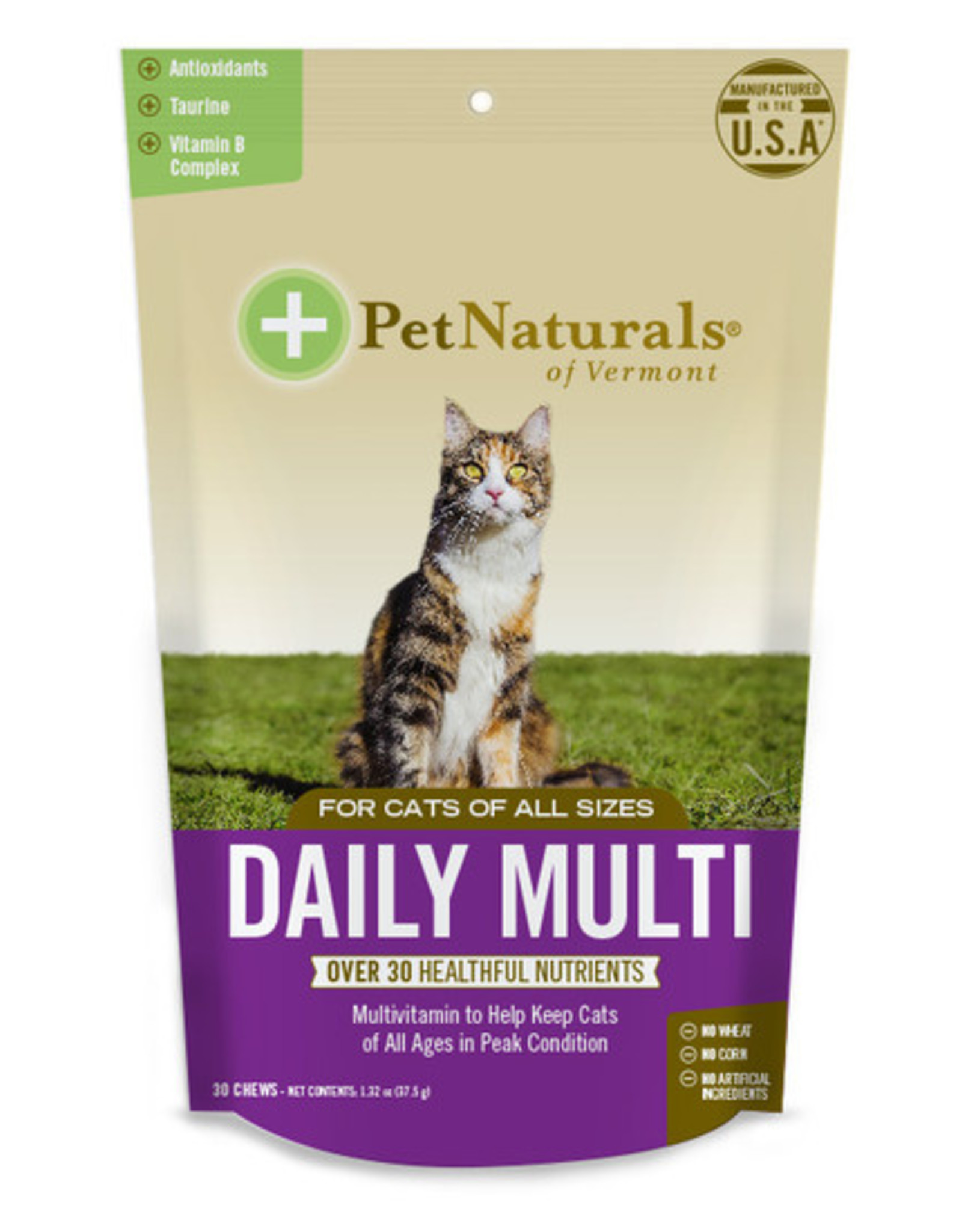
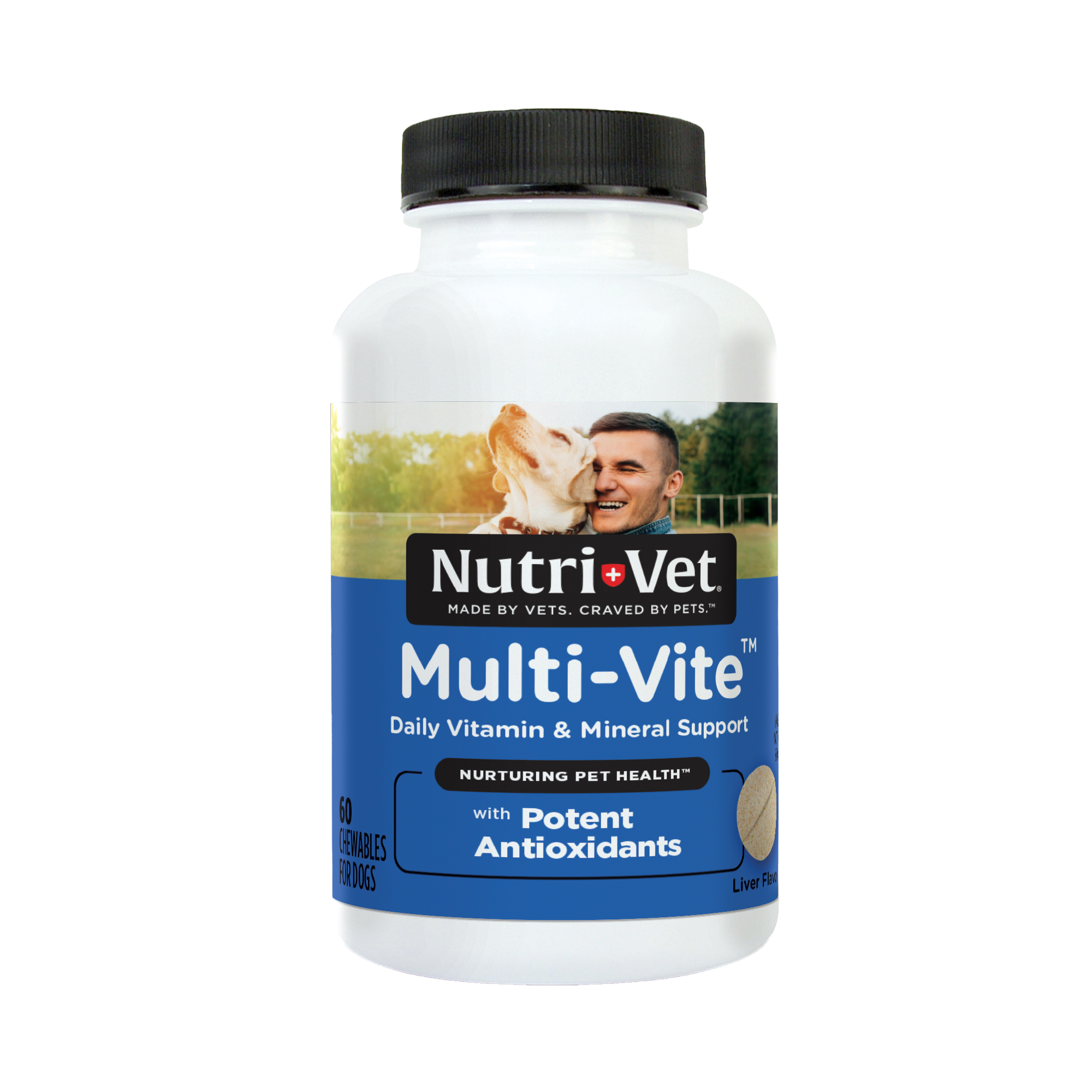
Products Containing Iron (Ferrous Fumarate)
Top-rated supplements featuring this ingredient, ranked by our PSI+ score.