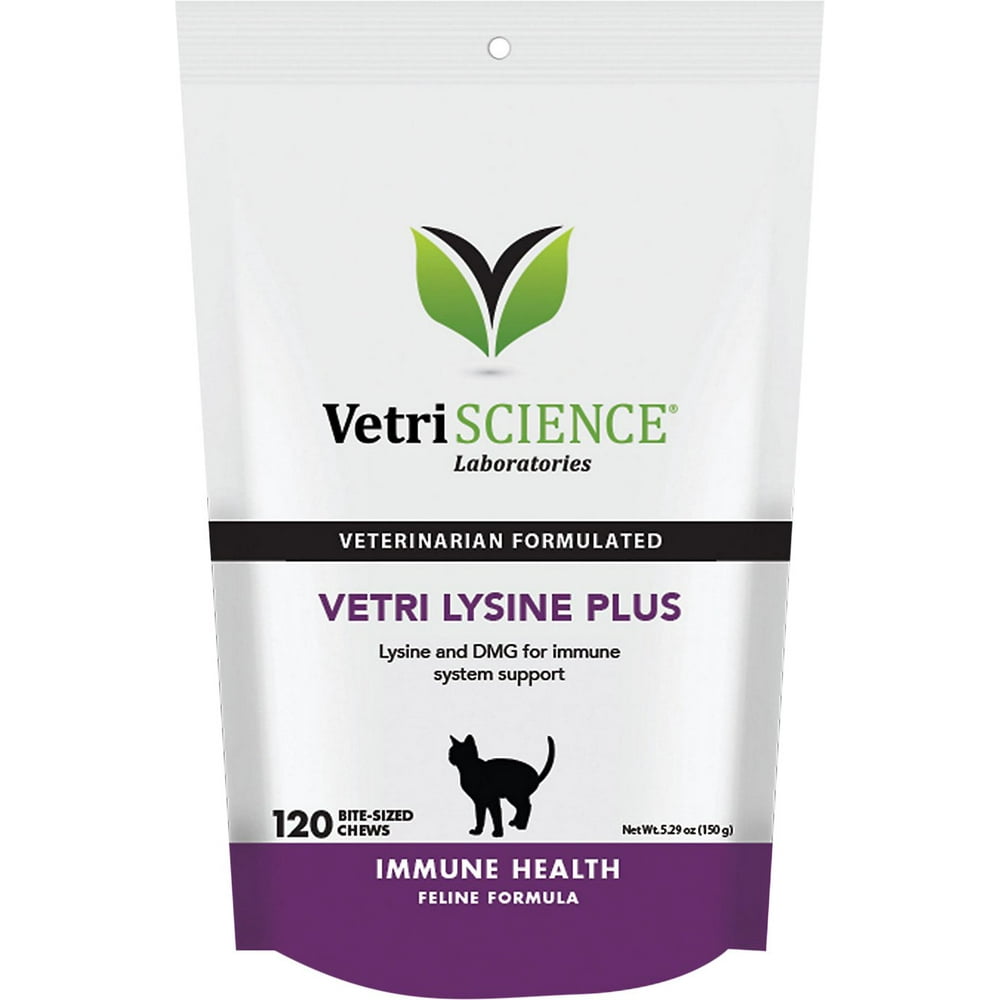
L-Lysine HCl
amino acid
L-Lysine HCl
What Is L-Lysine HCl?
L-Lysine Hydrochloride (L-Lysine HCl) is a common form of L-lysine, an essential amino acid. Essential amino acids cannot be synthesized by the body and must be obtained through diet or supplementation. In its natural form, L-lysine is found in protein-rich foods such as meat, fish, eggs, and dairy products. As a supplement ingredient, L-Lysine HCl is a readily absorbable, synthetic form of this amino acid, frequently used to support various physiological functions in pets.
Benefits for Pets
L-Lysine HCl is primarily recognized for its role in supporting immune function, particularly in felines. For cats, it is widely used to help manage symptoms associated with Feline Herpesvirus Type 1 (FHV-1), also known as feline rhinotracheitis virus. It is believed to work by competing with arginine, another amino acid essential for viral replication, thereby potentially reducing the severity and frequency of FHV-1 outbreaks. Beyond viral support, lysine is crucial for protein synthesis, collagen formation, and calcium absorption, contributing to healthy skin, coat, bones, and overall growth and repair processes in both dogs and cats.
Scientific Evidence
Research into L-Lysine HCl for pets, particularly cats, has explored its efficacy in managing FHV-1. Multiple clinical trials and in vitro studies have investigated its mechanism of action and clinical outcomes. While some studies suggest that L-lysine supplementation can reduce viral shedding, decrease the severity of clinical signs, and shorten the duration of FHV-1 episodes in cats, other studies have yielded mixed results regarding its overall effectiveness in preventing recurrence or significantly altering the course of the disease. The consensus often points to its potential as an adjunctive therapy rather than a standalone cure, helping to support the immune system during periods of stress or active infection.
Dosage Guidelines
Dosage recommendations for L-Lysine HCl vary based on the pet's species, size, and the condition being addressed. For cats, a common prophylactic dose to help manage FHV-1 is typically 250 mg once or twice daily. During acute flare-ups, this dose may be increased to 500 mg once or twice daily, as advised by a veterinarian. L-Lysine HCl is commonly administered orally, often available in powder, gel, or chewable tablet forms that can be mixed with food or given directly. For dogs, specific L-lysine supplementation is less common, but if used for general immune support or protein synthesis, doses would be scaled by weight, often ranging from 100-500 mg daily depending on size.
Safety Considerations
L-Lysine HCl is generally considered safe for pets when administered within recommended guidelines. Side effects are rare but can include mild gastrointestinal upset such as nausea or diarrhea, particularly at higher doses. There are no well-documented significant drug interactions, but pet owners should always consult their veterinarian before introducing any new supplement, especially if their pet is on other medications or has pre-existing health conditions. Contraindications are minimal, though pets with certain kidney conditions might require careful monitoring due to the body's processing of amino acids.
Which Pets Benefit Most
Cats, especially those diagnosed with or prone to Feline Herpesvirus Type 1 (FHV-1), are the primary beneficiaries of L-Lysine HCl supplementation. This includes kittens, senior cats, shelter cats, or any cat experiencing stress, which can trigger FHV-1 flare-ups. While less commonly used in dogs for specific conditions, L-lysine can generally support overall immune health and protein metabolism in canines, particularly those with high protein requirements or compromised immune systems. Pets recovering from illness or injury may also benefit from its role in tissue repair and collagen formation.
Products Containing L-Lysine HCl
Top-rated supplements featuring this ingredient, ranked by our PSI+ score.