Lecithin
general
Lecithin: A Versatile Ingredient in Pet Supplements
Lecithin is a fascinating and beneficial ingredient often found in pet supplements, valued for its diverse roles in supporting overall health. But what exactly is it, and how does it benefit our furry companions?
What is Lecithin and How Does it Work?
Lecithin is a naturally occurring fatty substance, specifically a phospholipid, crucial for the structure and function of cell membranes in all living organisms. It's an emulsifier, meaning it helps to mix fats and water, which is key to many biological processes. In nature, lecithin is abundant in egg yolks, soybeans, and sunflower seeds. These plant-based sources, particularly soy and sunflower, are common origins for the lecithin used in pet supplements.
Once ingested, lecithin is broken down into its constituent parts, including choline, inositol, and fatty acids. Choline, in particular, is a precursor to acetylcholine, a vital neurotransmitter involved in memory, muscle control, and mood. The emulsifying properties of lecithin also play a significant role in the digestion and absorption of fats and fat-soluble vitamins (A, D, E, K), making these essential nutrients more bioavailable to your pet's body.
Benefits and Use Cases for Pets
The multifaceted nature of lecithin translates into several potential benefits for dogs and cats when included in pet supplements:
- Cognitive Support: Due to its choline content, lecithin helps maintain healthy brain function, particularly in aging pets. It can support memory and learning, making it a common ingredient in "senior" formulas.
- Skin and Coat Health: By aiding in the absorption of fat-soluble vitamins and essential fatty acids, lecithin contributes to a healthy skin barrier and a lustrous coat. It can help maintain skin hydration and reduce dryness.
- Digestive Health: As an emulsifier, lecithin supports the efficient digestion and absorption of dietary fats, which can be particularly helpful for pets with sensitive digestion or those needing to optimize nutrient uptake.
- Liver Support: Choline, derived from lecithin, plays a role in liver fat metabolism, helping to maintain healthy liver function.
- Weight Management: Some formulations include lecithin to support healthy fat metabolism, potentially aiding in weight management programs for pets.
When choosing a pet supplement containing lecithin, look for reputable brands that clearly state the source of their lecithin (e.g., soy lecithin, sunflower lecithin). Sunflower lecithin is often preferred by pet owners looking to avoid soy. Ensure the product has clear dosage instructions appropriate for your pet's size and age. While generally considered safe, high doses can sometimes lead to mild digestive upset. Always consult with your veterinarian before introducing any new supplement to your pet's regimen, especially if they have pre-existing health conditions or are on other medications, to ensure there are no potential interactions.
Products Containing Lecithin
Top-rated supplements featuring this ingredient, ranked by our PSI+ score.
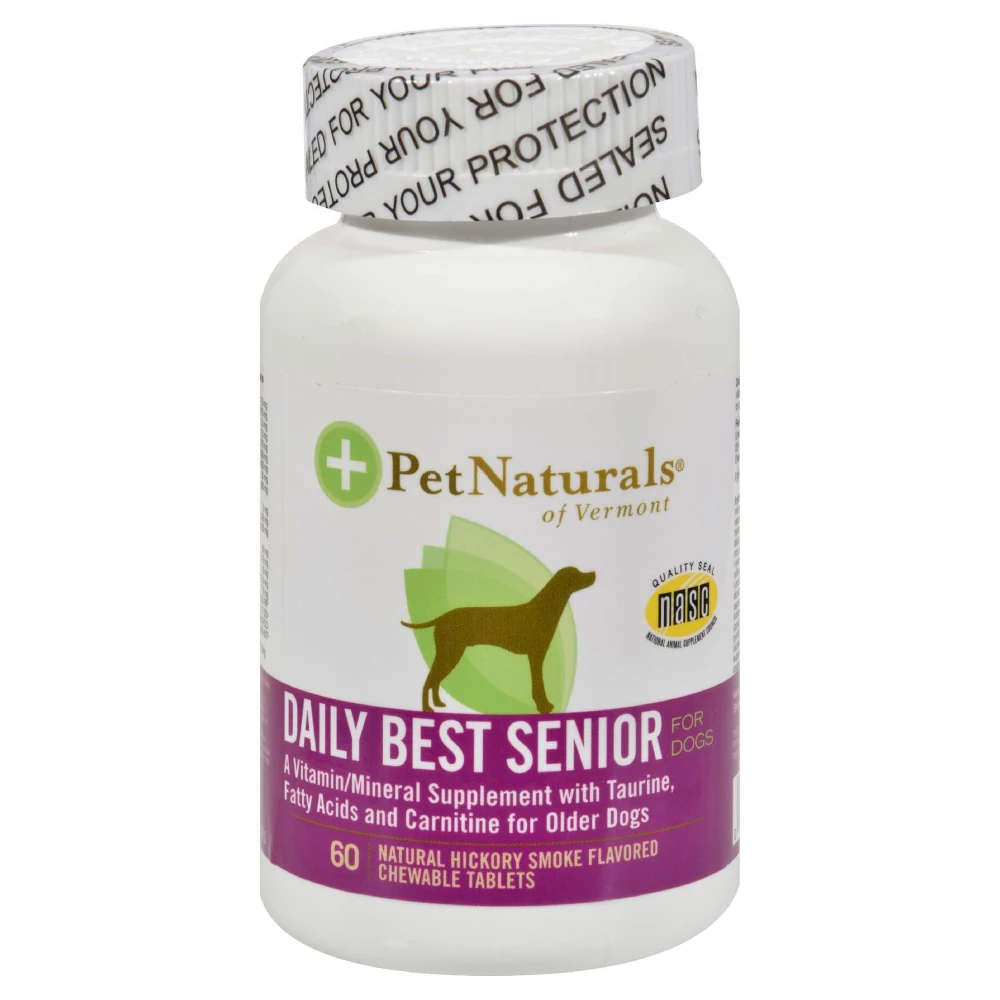
Pet Naturals of Vermont Daily Best for Dogs - Senior Multi-Vitamin
Pet Naturals
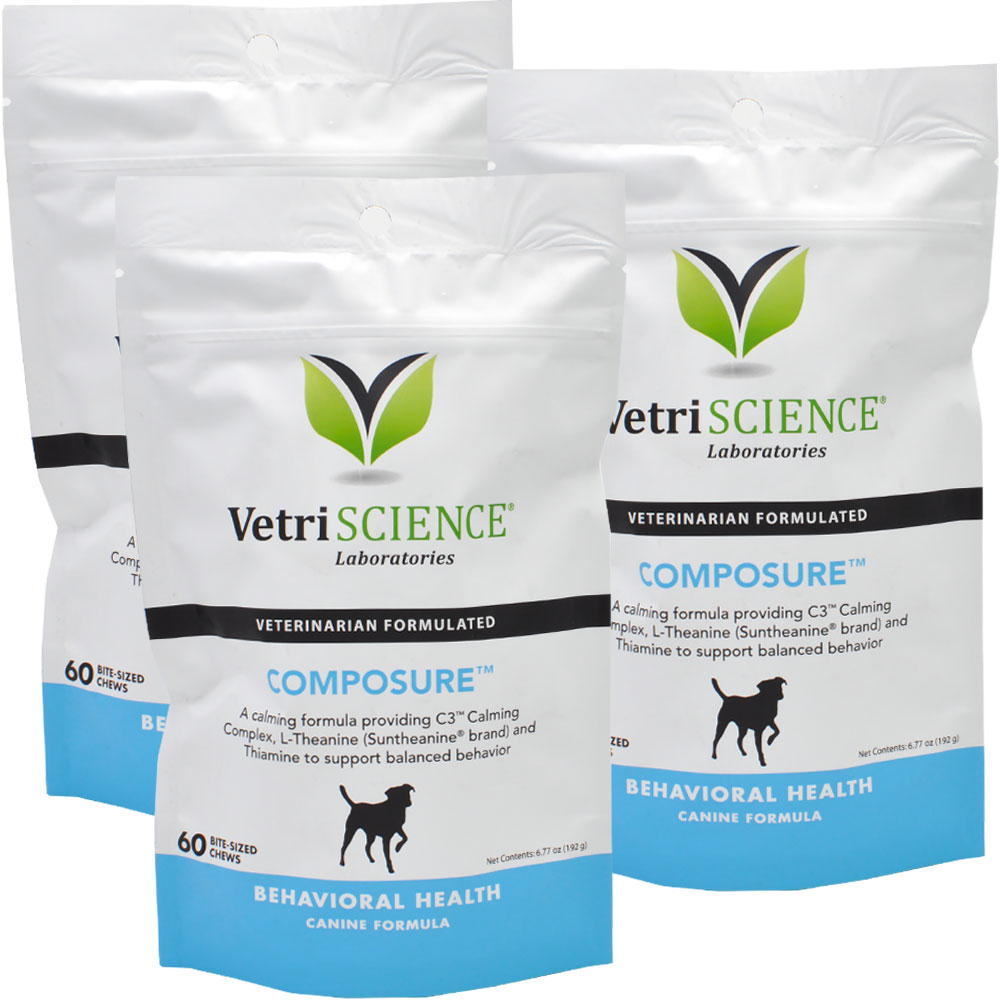
VetriScience Composure Behavioral Health Bite-Sized Chews for Dogs & Cats
VetriScience
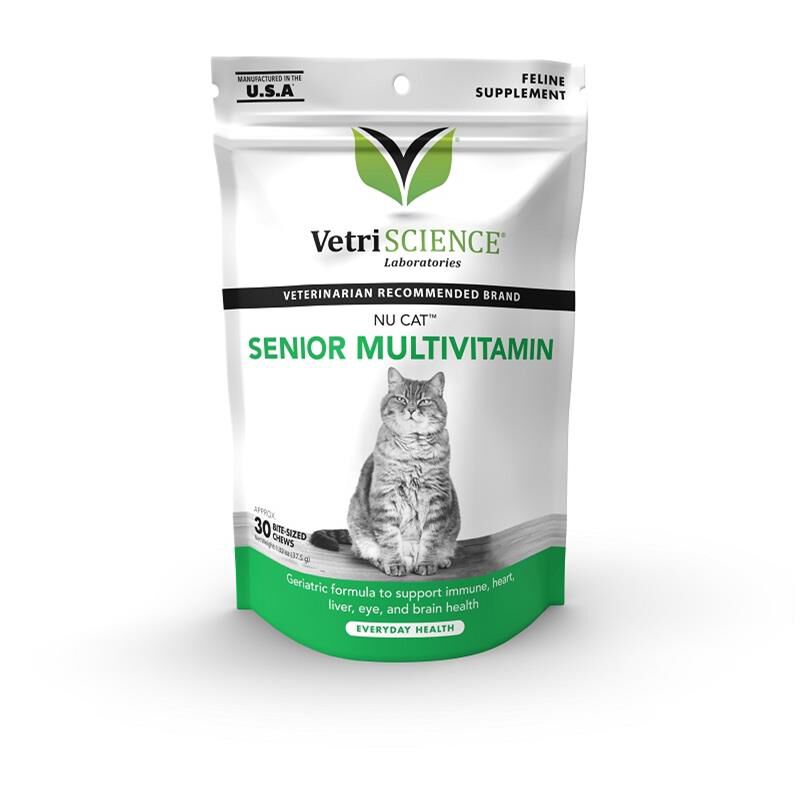
Senior Formula Cat Chews
VetriScience
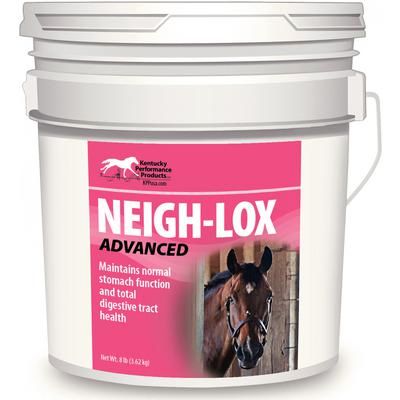
Kentucky Performance Products Neigh-Lox
Kentucky Performance Products