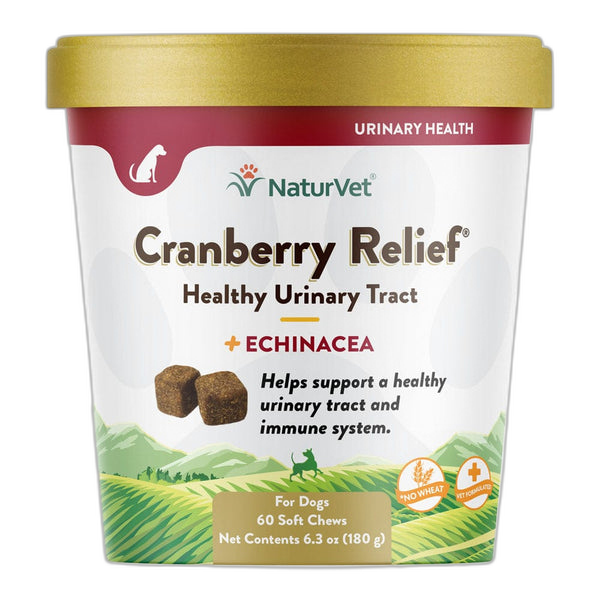
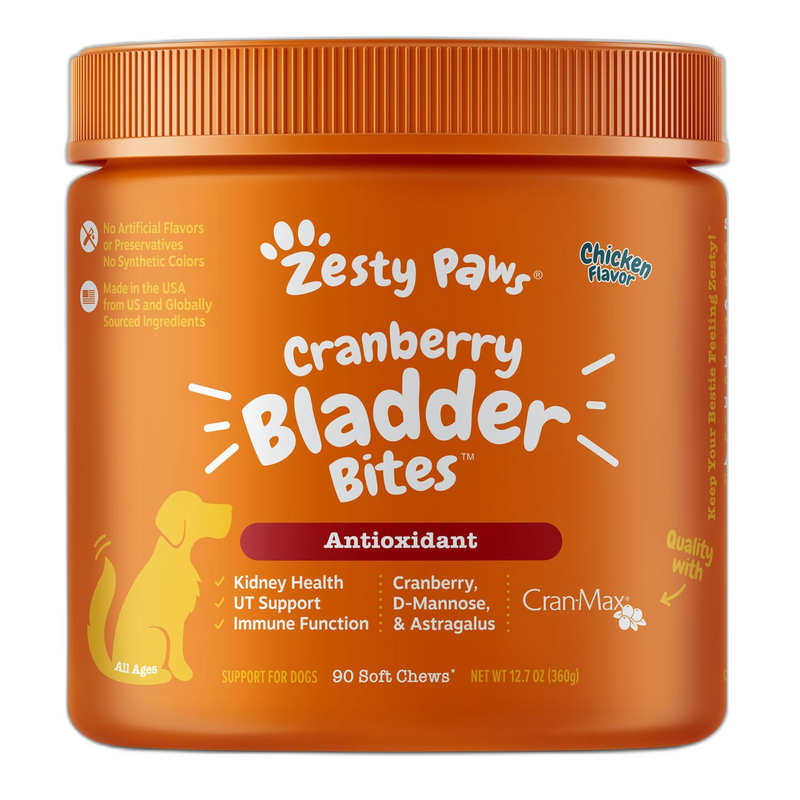
Marshmallow Root
urinary health
Marshmallow root, derived from the Althaea officinalis plant, has a long history of use in traditional medicine for its soothing properties. In recent years, its application has extended to veterinary care, particularly for dogs and cats experiencing certain types of irritation. This article explores the current understanding of marshmallow root's benefits for pets, examining available research, appropriate dosing considerations, and what pet owners should look for when considering this supplement.
Marshmallow Root For Dogs
Marshmallow root is primarily recognized for its mucilage content – a gelatinous substance that forms a protective, slippery film when mixed with water. For dogs, this property is often leveraged to soothe irritated mucous membranes throughout the body. While not a cure for underlying conditions, it can offer symptomatic relief.
For instance, if a dog is experiencing a mild cough or kennel cough, marshmallow root might be suggested to help soothe the irritated throat lining. Similarly, in cases of mild gastrointestinal upset, the mucilage can coat the stomach and intestinal walls, potentially reducing discomfort. It's important to differentiate this soothing action from treating the root cause of the cough or digestive issue, which would require veterinary diagnosis and specific treatment.
Consider a scenario where a dog has been diagnosed with idiopathic cystitis, a common bladder inflammation in cats, sometimes seen in dogs. While conventional medicine addresses pain and inflammation, marshmallow root could be considered as an adjunctive therapy to provide additional comfort by coating the irritated bladder lining. However, it would not replace antibiotics for a bacterial infection or other critical treatments. The practical implication here is that marshmallow root often functions as a supportive agent rather than a primary treatment. Its trade-off is that while generally safe, it can interact with other medications due to its coating action, potentially reducing their absorption. Therefore, strategic timing of administration relative to other medications is crucial.
The Health Benefits Of Marshmallow Root For Dogs
The purported health benefits of marshmallow root for dogs largely stem from its mucilage. This substance is believed to provide several key actions:
- Soothing Irritated Mucous Membranes: The primary benefit. When ingested, the mucilage forms a gel-like layer that can coat and protect the lining of the digestive tract, urinary tract, and respiratory system. This can be particularly helpful for conditions involving inflammation or irritation in these areas.
- Anti-inflammatory Properties (Topical/Local): While not a systemic anti-inflammatory like NSAIDs, the local soothing effect can reduce the perception of inflammation and associated discomfort.
- Mild Demulcent Action: A demulcent is an agent that forms a protective film to relieve irritation. This is often applied to conditions like sore throats, mild gastritis, or bladder irritation.
- Prebiotic Effects (Potential): Some research suggests that the complex carbohydrates in mucilage might act as prebiotics, supporting beneficial gut bacteria. However, this aspect is less studied in canine contexts compared to its demulcent properties.
Let's look at specific scenarios. A dog recovering from a bout of diarrhea, where the intestinal lining might still be sensitive, could potentially benefit from marshmallow root's coating action to aid comfort during recovery. Another example is a dog prone to mild, non-infectious urinary irritation; a veterinary professional might suggest marshmallow root as part of a multi-modal approach to support bladder health. The key here is "support" – marshmallow root isn't typically a standalone solution for serious conditions.
A crucial trade-off to consider is that while marshmallow root is generally gentle, its efficacy can vary depending on the individual animal and the severity of the condition. For example, a dog with a severe, acute gastrointestinal bleed would require immediate veterinary intervention, and marshmallow root would offer minimal, if any, benefit in such a life-threatening situation. Its role is more in supporting chronic, mild, or recovering conditions.
Marshmallow Root for Dogs: Benefits, Side Effects, and Considerations
When evaluating marshmallow root for dogs, it's essential to weigh its potential benefits against possible side effects and practical considerations.
Potential Benefits:
Urinary Tract Support: Often used as a urinary supplement for dogs. The mucilage can coat the lining of the bladder and urethra, potentially easing discomfort associated with inflammation or irritation, such as in cases of cystitis or during recovery from a urinary tract infection (UTI). It does not* treat the infection itself but can help with accompanying irritation. This is a common application for bladder health pets.
- Gastrointestinal Comfort: For dogs with mild gastritis, esophagitis (acid reflux), or sensitive stomachs, the demulcent properties can help soothe the digestive tract. It can also be used during recovery from digestive upset to protect the gut lining.
- Respiratory Soothe: In cases of mild coughs or throat irritation (e.g., kennel cough, allergies causing throat tickle), marshmallow root can provide a soothing coating to the pharynx and esophagus, potentially reducing the frequency or intensity of coughing.
- Digestive Aid: Some believe it can assist with mild constipation by adding bulk and moisture, though this is less documented than its demulcent effect.
Side Effects:
Marshmallow root is generally considered safe for dogs when given in appropriate doses. However, potential side effects, though rare, can include:
- Digestive Upset: In some sensitive individuals, or with excessive doses, mild diarrhea or constipation might occur.
- Interaction with Medications: As noted, the mucilage can coat the digestive tract, potentially interfering with the absorption of other orally administered medications. It's generally recommended to administer marshmallow root at least 1-2 hours before or after other medications.
- Allergic Reactions: Though uncommon, any plant-based product carries a small risk of allergic reaction. Symptoms might include itching, hives, or digestive upset.
Considerations:
- Dosage: This is critical. Overdosing is unlikely to be toxic but could lead to increased digestive upset. Underdosing might render the supplement ineffective. Always follow veterinary guidance or product-specific instructions.
- Formulation: Available as powders, tinctures, or capsules. Powders are often preferred as they can be mixed with water to activate the mucilage before administration.
- Quality: Source matters. Look for pure marshmallow root powder from reputable suppliers.
- Underlying Conditions: Marshmallow root is a supportive supplement, not a diagnostic or primary treatment tool. Always consult a veterinarian to diagnose any underlying health issues, especially for conditions like UTI prevention dogs or urinary support cats, where actual infection or stones could be present.
For example, a dog undergoing treatment for bladder stones might be prescribed marshmallow root by their vet to help soothe the bladder lining during the recovery phase, in conjunction with diet changes and other medications. The benefit here is enhanced comfort, but the marshmallow root itself isn't dissolving the stones. The potential side effect of reduced drug absorption means the vet would advise on timing for the marshmallow root relative to stone-dissolving medications.
Pure Marshmallow Root Powder for Marshmallow Root for Dogs
When considering marshmallow root for dogs, especially for conditions like urinary tract support or digestive comfort, pure marshmallow root powder is often the preferred form.
Why Powder?
What to Look For in Pure Marshmallow Root Powder:
- Single Ingredient: The label should ideally list "Marshmallow Root" or "Althaea officinalis root" as the sole ingredient. Avoid products with unnecessary fillers, artificial flavors, or preservatives.
- Organic Certification (Optional but Preferred): Organic certification indicates that the plant was grown without synthetic pesticides or herbicides, which can be beneficial for pets with sensitivities.
- Reputable Supplier: Purchase from companies that specialize in herbal supplements for pets or humans, and that provide information about their sourcing and quality control processes.
- Fine Grind: A finely ground powder will mix more easily with water, creating a smoother mucilage.
- Clear Dosing Instructions: While veterinary guidance is paramount, the product should offer general dosing guidelines based on weight, even if these are just starting points.
Practical Application:
To administer marshmallow root powder, mix the recommended dose with a small amount of warm water (e.g., 1 part powder to 5-10 parts water) and let it sit for 10-15 minutes. This allows the mucilage to fully hydrate and form a gel. This gel can then be mixed into your dog's food, offered directly via a syringe (without a needle), or added to a small amount of palatable liquid.
For example, if a dog has chronic mild bladder irritation, using a pure marshmallow root powder mixed into a gel and given consistently might help maintain comfort. The trade-off is the preparation time – it's not as instantaneous as popping a pill, but the benefit of activated mucilage is often worth the extra step.
KarnLea | Slippery Elm + Marshmallow Root Powder - 200g for Marshmallow Root for Dogs
Combination supplements, such as those featuring both slippery elm and marshmallow root, are common in the pet wellness market. The KarnLea product, a "Slippery Elm + Marshmallow Root Powder - 200g," exemplifies this approach. Understanding the rationale behind such combinations is key.
Slippery Elm (Ulmus rubra): Like marshmallow root, slippery elm is a demulcent herb. Its inner bark is rich in mucilage, and it's widely used to soothe irritated mucous membranes. It's particularly popular for gastrointestinal issues like diarrhea, vomiting, and inflammatory bowel disease (IBD) due to its ability to coat and protect the digestive tract lining.
: When combined, slippery elm and marshmallow root are often believed to offer a broader or more potent soothing effect.
- Comprehensive Soothing: Both herbs work similarly, but some practitioners believe they might act on slightly different areas or have subtly different mucilage compositions, providing a more comprehensive protective barrier.
- Enhanced Gastrointestinal Support: For dogs with persistent digestive upset, the combination might offer greater relief than either herb alone. Slippery elm is often considered more potent for serious GI issues, while marshmallow root provides broader demulcent action.
- Urinary and Respiratory Benefits: While slippery elm is primarily known for GI support, its mucilage can also contribute to soothing other mucous membranes.
Considerations for Combination Products:
- Ingredient Ratios: A good combination product will clearly state the ratio of each herb. This helps in understanding the primary focus of the supplement and allows for dosage adjustments.
- Dosage Complexity: When two active ingredients are combined, determining the precise dose of each can be more complex. Always adhere to the manufacturer's recommended dosage and consult with a vet, especially if your dog is on other medications.
- Targeted Use: While both are demulcents, if your dog's primary issue is strictly urinary, a pure marshmallow root product might be more targeted. If digestive issues are paramount, a slippery elm-dominant product or the combination might be more appropriate.
- Cost-Effectiveness: Combination products can sometimes be more cost-effective than buying two separate supplements, but ensure the quality and ratios meet your needs.
Example Scenario: A dog with chronic, mild inflammatory bowel disease (IBD) might be prescribed a combination of slippery elm and marshmallow root by their holistic veterinarian. The slippery elm could target the more pronounced intestinal inflammation, while the marshmallow root offers additional soothing and potentially helps with any associated bladder irritation that can sometimes occur with systemic inflammation. The trade-off here is that while potentially more effective, it's harder to isolate which herb is providing the most benefit if adverse reactions occur, or if adjustments are needed.
Marshmallow Root for Pets - Pet Health Blog for Marshmallow Root for Dogs
Pet health blogs serve as a primary source of information for many pet owners researching supplements like marshmallow root. While they can be valuable, it's crucial to approach them with a critical eye, especially when the blog is also selling products or promoting specific brands.
What to Look For in a Pet Health Blog Article on Marshmallow Root:
- Veterinary Review/Authorship: Does the blog post indicate that it's written or reviewed by a veterinarian or a credentialed animal health professional? This adds a layer of credibility.
- Evidence-Based Claims: Are claims about benefits backed by references to scientific studies, veterinary journals, or recognized herbal medicine texts? Avoid blogs that make sweeping, unsubstantiated claims.
- Balanced Perspective: Does the article discuss not only the benefits but also potential side effects, contraindications, and the importance of veterinary consultation? A balanced view is a sign of responsible reporting.
- Practical Advice: Does it offer clear, actionable advice on dosing, administration, and what to look for in a product?
- Transparency: Is it clear if the blog is promoting a specific product or brand? While not inherently bad, understanding the potential bias helps in evaluating the information.
What to Be Wary Of:
- Anecdotal Evidence Only: While personal stories can be compelling, they are not scientific proof. Relying solely on anecdotes can be misleading.
- "Cure-All" Claims: No single supplement cures everything. Be skeptical of any blog that presents marshmallow root as a miraculous solution for a wide range of serious conditions.
- Lack of Dosing Information or Vague Dosing: Responsible blogs will either provide general dosing guidelines or strongly emphasize consulting a vet for specific dosing. Vague statements like "give a little" are unhelpful and potentially risky.
- Ignoring Drug Interactions: A significant oversight if a blog discusses marshmallow root without mentioning its potential to interfere with the absorption of other medications.
Comparison Table: Pure Powder vs. Combination Product (Example)
| Feature | Pure Marshmallow Root Powder | Slippery Elm + Marshmallow Root Powder (e.g., KarnLea) |
|---|---|---|
| Primary Focus | Urinary tract, mild GI upset, respiratory irritation | Broad GI support, urinary support, respiratory soothing |
| Ingredient Control | Single ingredient, easier to isolate effects | Two active ingredients, potential |
| Dosing Simplicity | Relatively straightforward, based on marshmallow root only | May require understanding ratios and combined dosing considerations |
| Cost | Often lower per gram of marshmallow root | Can be more cost-effective than buying two separate products, if ratios are right |
| Target Conditions | More specific for bladder health, mild coughs | Broader application for digestive issues, IBD support, general demulcent needs |
| Potential Interactions | Coats GI tract, can affect absorption of meds | Similar to pure marshmallow root, potentially enhanced coating effect |
For example, a pet owner researching marshmallow root for their cat with chronic urinary issues might find numerous blog posts. A trustworthy blog would emphasize that while marshmallow root can offer urinary support cats, it's crucial to rule out bacterial infections or blockages first. It would also advise on correct preparation to activate the mucilage, unlike a less reputable source that might simply state "give a capsule" without further instruction.
FAQ
Is marshmallow root ok for dogs?
Yes, marshmallow root is generally considered safe for dogs when given in appropriate doses and under veterinary guidance. Its primary benefit is to soothe irritated mucous membranes in the digestive, urinary, and respiratory tracts. However, it's crucial to consult your veterinarian before starting any new supplement, especially if your dog has existing health conditions or is on other medications, due to potential interactions.
What is a silent killer for dogs?
The term "silent killer" for dogs typically refers to diseases that progress without obvious symptoms until they reach an advanced stage, making early detection difficult. Common examples include kidney disease, heartworm disease, certain cancers, and dental disease (which can lead to systemic infections). Regular veterinary check-ups and preventative care are essential for detecting these conditions early. This is not directly related to marshmallow root, which is a supportive supplement.
What words do dogs hear best?
Dogs respond well to short, sharp, high-frequency sounds and words. They also learn to associate specific sounds with actions or rewards, regardless of the actual word. Common commands like "sit," "stay," "come," and their own names are often effective due to consistent training and the tone of voice used. The specific words themselves are less important than the consistency and clarity of the cues. This is unrelated to marshmallow root.
Conclusion
Marshmallow root offers a gentle, supportive option for pets experiencing irritation in their digestive, urinary, or respiratory systems. Its demulcent properties, primarily due to mucilage, provide a soothing coating that can alleviate discomfort. While generally safe, its use requires careful consideration of dosage, formulation, and potential interactions with other medications. It is important to emphasize that marshmallow root is a complementary tool, not a primary treatment for serious conditions. Pet owners should always consult with a veterinarian to diagnose underlying health issues and to integrate marshmallow root safely and effectively into their pet's wellness plan. When selecting a product, prioritizing pure, high-quality powders from reputable sources is advisable to ensure optimal benefit.
Products Containing Marshmallow Root
Top-rated supplements featuring this ingredient, ranked by our PSI+ score.