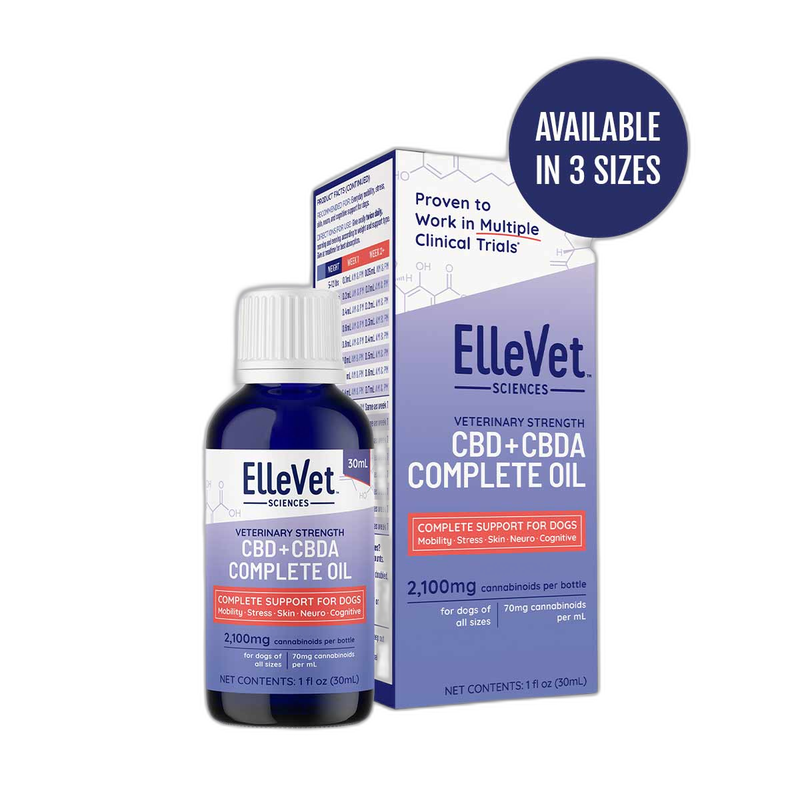
MCT Oil (carrier)
carrier
MCT oil has gained attention as a supplemental fat source and a carrier for other nutrients in both human and pet health. For dogs, specifically, MCT oil is often discussed in the context of its potential benefits for cognitive function, energy metabolism, and as a medium to improve the absorption of certain fat-soluble compounds. Understanding how MCT oil functions as a carrier, its veterinary research backing, appropriate dosing, and what to look for in a product is crucial for pet owners considering its use.
MCT Oil for Dogs: What are the Benefits?
Medium-chain triglycerides (MCTs) are a type of fat found in certain oils, primarily coconut oil and palm kernel oil. Unlike long-chain triglycerides (LCTs), which make up the majority of fats in the typical diet, MCTs are metabolized differently. This difference in metabolism is key to their potential benefits for dogs.
When a dog ingests MCTs, they are absorbed more rapidly from the digestive tract and transported directly to the liver. There, they can be quickly converted into ketones, which serve as an alternative energy source for the brain and other tissues. This bypasses much of the complex digestive and lymphatic processes required for LCTs.
For dogs, the primary proposed benefits of MCT oil revolve around energy provision and cognitive support. For instance, in aging dogs, where glucose utilization in the brain may decline, ketones from MCTs can provide a readily available fuel source. This has led to research exploring its role in supporting cognitive function in senior dogs.
Beyond direct energy, MCTs can also act as an efficient fat source for dogs needing easily digestible calories, such as those with certain malabsorption issues, though this should always be under veterinary guidance. The rapid absorption minimizes the pancreatic and bile acid demands often associated with digesting other fats.
However, it's important to note that not all MCTs are created equal. The specific fatty acids within MCT oil (caproic acid C6, caprylic acid C8, capric acid C10, and lauric acid C12) have varying properties. Caprylic (C8) and capric (C10) acids are generally considered the most beneficial for ketone production and rapid energy. Products high in C6 can sometimes cause digestive upset, while C12 (lauric acid) behaves more like an LCT in some respects, being metabolized slower. Therefore, the composition of the MCT oil matters when considering its potential benefits for dogs.
MCT Oil for Dogs Can Help Dogs with Dementia or Epilepsy
The potential for MCT oil to support dogs with conditions like canine cognitive dysfunction (CCD), often referred to as dog dementia, and epilepsy stems from its ability to produce ketones.
In dogs with CCD, there is a progressive decline in cognitive abilities, similar to Alzheimer's disease in humans. This decline is often linked to reduced glucose metabolism in the brain. As mentioned, ketones derived from MCTs offer an alternative fuel source for brain cells. Several studies have investigated the impact of diets supplemented with MCTs on cognitive function in older dogs. These studies often observe improvements in learning, memory, and overall activity levels in dogs receiving MCTs compared to control groups. The mechanism is thought to be the enhanced energy supply to brain cells and potentially neuroprotective effects of ketones.
For epilepsy, the ketogenic diet has been a recognized therapeutic approach in humans, especially for drug-resistant epilepsy. The principle is similar: ketones can have anticonvulsant properties, stabilizing neuronal activity. While a full ketogenic diet for dogs is complex and requires careful formulation by a veterinary nutritionist, MCT oil can contribute to a lower-carbohydrate, higher-fat diet that promotes ketone body production. Research in dogs with idiopathic epilepsy has shown promising results, with some dogs experiencing a reduction in seizure frequency or severity when supplemented with MCTs.
MCT oil isn't a cure for dementia or epilepsy, but it can be a supportive therapy. It should always be integrated into a comprehensive treatment plan developed with a veterinarian. Careful dosing and monitoring are essential, as individual dogs respond differently. For example, some dogs with epilepsy may show significant improvement, while others might experience minimal changes, and improper dosing can lead to gastrointestinal upset.
MCT Oil vs. Hempseed Oil: Choosing the Right Carrier for Pet Supplements
When selecting a carrier oil for pet supplements, particularly those containing fat-soluble compounds like CBD or certain vitamins, MCT oil and hempseed oil are frequently considered. They offer distinct advantages and serve different primary purposes.
MCT Oil as a Carrier: MCT oil's strength as a carrier lies in its unique metabolic pathway. Because it's absorbed directly into the bloodstream from the gut, bypassing the lymphatic system, it can facilitate faster and more efficient delivery of fat-soluble compounds. This is particularly beneficial for ingredients where rapid absorption and high bioavailability are desired. For example, when used as a carrier for CBD, the MCTs can help the CBD molecules cross the gut lining more effectively, potentially leading to a quicker onset of action and a higher percentage of the CBD reaching systemic circulation. The neutral taste and clear appearance of MCT oil also make it a palatable and aesthetically pleasing choice for many pet products.
Hempseed Oil as a Carrier: Hempseed oil, while also a beneficial oil, functions differently. It is primarily composed of long-chain fatty acids, including a favorable ratio of omega-3 and omega-6 essential fatty acids. Its primary benefit when used as a carrier is to provide these essential fatty acids, which support skin and coat health, reduce inflammation, and contribute to overall wellness. However, its absorption pathway is similar to other LCTs, meaning it goes through the lymphatic system before entering the bloodstream. This typically results in slower absorption compared to MCT oil. Hempseed oil also has a distinct nutty flavor and green color, which some pets might find more or less appealing.
Choosing the Right Carrier: The choice between MCT oil and hempseed oil as a carrier depends on the primary goal of the supplement.
| Feature | MCT Oil | Hempseed Oil |
|---|---|---|
| Primary Benefit | Rapid absorption, ketone production, energy | Omega-3/6 balance, anti-inflammatory, skin/coat |
| Absorption Rate | Fast (direct to liver) | Slower (via lymphatic system) |
| Fatty Acid Type | Medium-chain triglycerides (C8, C10) | Long-chain triglycerides (Omega-3, Omega-6) |
| Taste/Color | Neutral, clear | Nutty, greenish |
| Carrier Function | Enhances bioavailability of fat-solubles | Provides essential fatty acids |
| Cost | Generally moderate to high | Generally moderate |
If the aim is to maximize the bioavailability and rapid delivery of a fat-soluble active ingredient, or to provide an easily digestible energy source, MCT oil is often the preferred choice. If the intention is to provide a broad spectrum of essential fatty acids with anti-inflammatory benefits, and the speed of absorption of the active ingredient is less critical, then hempseed oil might be more suitable. Some products even combine both for a wider range of benefits. It's important to read product labels carefully to understand the carrier oil used and its implications.
Medium Chain Triglycerides MCT Oil
Medium Chain Triglycerides (MCTs) are saturated fatty acids composed of a glycerol backbone and three fatty acid chains that are 6 to 12 carbon atoms long. This relatively short length is what gives them their unique metabolic characteristics compared to Long Chain Triglycerides (LCTs), which typically have fatty acid chains of 13 to 21 carbon atoms.
The most common MCTs found in commercial MCT oil products are:
- Caproic Acid (C6): Hexanoic acid. While an MCT, it's often present in smaller amounts due to its potential for causing digestive upset and an unpleasant taste.
- Caprylic Acid (C8): Octanoic acid. This is highly valued because it is rapidly converted into ketones and is generally well-tolerated. Many high-quality MCT oils emphasize a high C8 content.
- Capric Acid (C10): Decanoic acid. Also readily converted to ketones, though slightly slower than C8. It's often found alongside C8 in beneficial MCT oil formulations.
- Lauric Acid (C12): Dodecanoic acid. While technically an MCT, C12 behaves somewhat differently in the body. It is absorbed more slowly than C8 and C10 and is more likely to be metabolized in the liver like an LCT. Coconut oil, a common source of MCTs, is very high in lauric acid (around 50%), which means that pure coconut oil is not the same as a high-quality, concentrated MCT oil.
The primary sources for commercially produced MCT oil are coconut oil and palm kernel oil. These oils are processed to isolate and concentrate the desired medium-chain fatty acids, typically C8 and C10, while minimizing C6 and C12. This refining process creates an oil that is colorless, odorless, and liquid at room temperature, making it suitable for supplementation and as a carrier.
The rapid digestion and absorption of MCTs are attributed to their shorter chain length. They do not require bile salts for emulsification to the same extent as LCTs, nor do they need to be packaged into chylomicrons in the lymphatic system. Instead, they are transported directly to the liver via the portal vein, where they can be quickly oxidized for energy or converted into ketone bodies. This efficiency makes them a valuable dietary fat for rapid energy, particularly for the brain, and for individuals or animals with compromised fat digestion.
For a product to be considered a high-quality MCT oil, especially for therapeutic use in pets, it should ideally be rich in C8 and C10. Labels that specify "C8 MCT oil" or "C8/C10 MCT oil" indicate a more concentrated and potentially more effective product than general "MCT oil" which might contain a higher percentage of C12 or even C6.
Is MCT Oil Good for Cats & Dogs?
MCT oil can offer benefits for both cats and dogs, but their metabolic differences and sensitivities mean that careful consideration and veterinary consultation are paramount.
For Dogs: As discussed, MCT oil can be beneficial for dogs, particularly in supporting cognitive function in senior dogs and potentially as an adjunct therapy for epilepsy. Its rapid energy provision can also be useful for active dogs or those needing easily digestible calories. The tolerability in dogs is generally good, provided appropriate dosing is followed. Digestive upset, such as diarrhea, is the most common side effect, usually stemming from starting with too high a dose or increasing it too rapidly.
For Cats: The situation for cats is slightly more nuanced. While cats can metabolize MCTs, their digestive systems can be more sensitive to dietary changes and certain types of fats.
- Hepatic Lipidosis Concern: Cats are prone to developing hepatic lipidosis (fatty liver disease) if they experience anorexia or rapid weight loss. While MCTs are generally well-tolerated, excessive fat intake or sudden dietary changes can sometimes exacerbate underlying issues in susceptible cats.
- Pancreatitis: Like dogs, cats can develop pancreatitis. While MCTs are easier to digest than LCTs, any new fat source should be introduced cautiously, especially in cats with a history of pancreatic issues.
- Cognitive Support: Similar to dogs, MCTs may offer cognitive benefits for aging cats, providing an alternative energy source for the brain.
- Palatability: Cats can be very particular about taste and texture. While MCT oil is generally neutral, some cats may object to its inclusion in their food.
General Considerations for Both Species:
- Source and Purity: Always opt for human-grade, pure MCT oil, preferably one that specifies C8 and C10 content. Avoid products that are simply coconut oil marketed as "MCT oil" without further refinement.
- Starting Slow: Regardless of species, always begin with a very small dose and gradually increase it over several days to weeks to allow the digestive system to adapt. This minimizes the risk of diarrhea, vomiting, or stomach upset.
- Veterinary Consultation: Before introducing MCT oil or any new supplement, especially for pets with pre-existing health conditions (diabetes, pancreatitis, liver disease, epilepsy), consult with a veterinarian. They can provide guidance on appropriate dosing, potential interactions with medications, and monitor for adverse effects.
- Not a Complete Diet: MCT oil is a supplement and should not replace a balanced diet. It adds calories and specific fatty acids but does not provide all essential nutrients.
In summary, MCT oil can be a valuable supplement for both cats and dogs, but its introduction requires a cautious approach tailored to the individual animal's health status and species-specific sensitivities.
MCT Oil : r/seniordogs
Discussions on platforms like Reddit's r/seniordogs often highlight real-world experiences and anecdotal evidence from pet owners, which can provide practical insights, though they should not replace professional veterinary advice. When MCT oil is discussed in the context of senior dogs, several recurring themes emerge:
Commonly Reported Benefits:
- Improved Cognitive Function: Many owners report noticeable improvements in their senior dogs' alertness, engagement, and reduction in "sundowning" behaviors (anxiety, disorientation at night). They describe their dogs seeming "brighter" or "more present."
- Increased Energy Levels: Some owners observe their older dogs having more energy for walks, playtime, or generally moving around more comfortably. This could be attributed to the readily available energy source MCTs provide.
- Better Coat Quality: While not the primary reason for use, some users mention a shinier or healthier coat, likely due to the general benefits of healthy fats in the diet.
- Appetite Stimulation: For some picky senior dogs, adding a small amount of palatable oil can encourage them to eat.
Commonly Reported Challenges and Side Effects:
- Gastrointestinal Upset: This is by far the most frequently cited issue. Diarrhea, loose stools, and occasional vomiting are common if the oil is introduced too quickly or at too high a dose. Owners often advise starting with a few drops and slowly increasing.
- Pancreatitis Concerns: A significant concern raised by owners, often echoing veterinary warnings, is the risk of pancreatitis, especially in breeds predisposed to the condition or dogs with a history of it. This underscores the need for veterinary consultation.
- Taste Aversion: While many dogs readily consume MCT oil mixed with food, some picky eaters might detect it and refuse their meal.
- Lack of Effect: Some owners report no noticeable changes in their dogs, indicating that individual responses can vary significantly.
Practical Advice from Pet Owners:
- Start Small, Go Slow: This is the most consistent advice. Begin with a quarter of the recommended dose or even just a few drops, gradually increasing over weeks.
- Mix with Food: Always mix MCT oil thoroughly into a dog's regular meal.
- Monitor Stool Consistency: This is a key indicator of digestive tolerance. Loose stools signal a need to reduce the dose.
- Consult a Vet: Even when sharing positive experiences, most responsible forum users emphasize the importance of discussing MCT oil use with a veterinarian, especially for dogs with pre-existing health conditions.
- Type of MCT Oil: There's often discussion about the importance of using pure C8/C10 MCT oil rather than just coconut oil, as the latter might be less effective for cognitive benefits and potentially more problematic for digestion if used in large quantities.
These discussions provide valuable real-world context, illustrating that while MCT oil holds promise for senior dogs, its use requires careful implementation and ongoing monitoring.
How to give MCT oil to dogs?
Administering MCT oil to dogs requires a cautious approach to minimize the risk of digestive upset.
General Dosing Guidelines (Always consult your vet for specific recommendations):
- Small Dogs (under 20 lbs): Start with 1/4 to 1/2 teaspoon daily.
- Medium Dogs (20-50 lbs): Start with 1/2 to 1 teaspoon daily.
- Large Dogs (over 50 lbs): Start with 1 to 2 teaspoons daily.
The maximum therapeutic dose often cited in research for cognitive support is around 0.5 ml per kg of body weight, but this is typically achieved very gradually over weeks and under veterinary supervision. Many pet owners find success with much lower daily doses for general well-being.
Can MCT oil help SIBO?
Small Intestinal Bacterial Overgrowth (SIBO) in dogs is a condition where there's an excessive amount of bacteria in the small intestine, leading to malabsorption, chronic diarrhea, weight loss, and other gastrointestinal symptoms. The role of MCT oil in managing SIBO is not straightforward and requires careful consideration.
Some proponents suggest that MCT oil might be beneficial for SIBO for a few reasons:
However, there are also counterpoints and cautions:
- Lack of Direct Evidence: While the theoretical benefits exist, there is limited direct veterinary research specifically demonstrating MCT oil as a primary or standalone treatment for SIBO in dogs.
- Potential for GI Upset: Dogs with SIBO often have highly sensitive digestive systems. Introducing any new fat, even easily digestible MCTs, can potentially exacerbate diarrhea or other GI symptoms, especially if not introduced very slowly.
- Not a Replacement for Treatment: SIBO typically requires a multi-faceted approach, often involving antibiotics, dietary changes (e.g., highly digestible, low-fat, or novel protein diets), and sometimes probiotics or prebiotics. MCT oil would, at best, be a supportive adjunct, not a cure.
Conclusion on SIBO: While MCT oil's easy digestibility and potential antimicrobial components make it an interesting area of exploration, it is not a proven treatment for SIBO in dogs. Its use should be approached with extreme caution and always under the strict guidance of a veterinarian. For a dog with confirmed or suspected SIBO, the focus should be on addressing the underlying cause and implementing evidence-based treatments. If a vet suggests trying MCT oil, it would likely be introduced at a very low dose as part of a broader therapeutic plan, with careful monitoring for adverse reactions.
What is the one meat to never feed a dog?
While there isn't one single "meat" that should never be fed to a dog under any circumstances, there are specific forms of meat or preparation methods that pose significant risks and should be avoided. The most critical "meat" to never feed a dog is cooked bones, especially poultry or pork bones.
Here's why:
- Cooked Bones: When bones are cooked, they become brittle and can splinter easily. These sharp fragments can cause serious internal damage, including:
- Choking
- Perforations of the esophagus, stomach, or intestines
- Obstruction of the digestive tract
- Severe constipation or impaction from bone fragments.
- Marrow in cooked bones can also be difficult to digest and lead to pancreatitis.
While raw bones (appropriate size and type) can sometimes be offered under supervision, cooked bones are universally considered dangerous.
Other "Meats" to be cautious about or avoid:
- Processed Meats (e.g., deli meat, bacon, hot dogs, sausages): These are often high in sodium, unhealthy fats, and preservatives, which can be detrimental to a dog's health, leading to pancreatitis, obesity, and other health issues.
- Highly Spiced or Seasoned Meats: Meats prepared for human consumption with onions, garlic, excessive salt, pepper, or other spices can be toxic or cause severe digestive upset in dogs. Onions and garlic, in particular, are toxic to dogs.
- Fat Trimmings: While fat is an essential part of a dog's diet, excessive fat trimmings from meat can lead to pancreatitis or severe digestive upset.
- Meat with Toxic Additives: Ensure any meat given to a dog has not been marinated in sauces containing ingredients toxic to dogs (e.g., xylitol, excessive alcohol).
Therefore, while meat in general is a staple of a dog's diet, the form and preparation are crucial. Cooked bones represent the most significant and widespread danger that should be universally avoided.
Conclusion
MCT oil offers a unique metabolic pathway that can provide readily available energy and support for cognitive function in pets, particularly aging dogs and those with certain neurological conditions like epilepsy. Its role as a carrier for fat-soluble supplements is also a significant advantage due to its rapid absorption. However, its use requires a nuanced understanding of its composition, appropriate dosing, and potential side effects. Pet owners should prioritize pure C8 and C10 MCT oils and always introduce the supplement gradually, closely monitoring their pet's response. Most importantly, any decision to incorporate MCT oil into a pet's regimen, especially for therapeutic purposes, should be made in close consultation with a veterinarian to ensure safety and efficacy tailored to the individual animal's health needs.
Products Containing MCT Oil (carrier)
Top-rated supplements featuring this ingredient, ranked by our PSI+ score.