Niacin
general
Niacin (Vitamin B3) in Pet Supplements
Niacin, also known as Vitamin B3, is an essential water-soluble vitamin that plays a crucial role in numerous bodily functions. It's found naturally in a variety of foods, including lean meats (like poultry and fish), liver, yeast, and certain grains. For pets, ensuring adequate Niacin intake is vital for their overall health and well-being, which is why it's often included in high-quality pet supplements.
How Niacin Works and Its Benefits for Pets
Niacin functions primarily as a precursor to two important coenzymes: nicotinamide adenine dinucleotide (NAD) and nicotinamide adenine dinucleotide phosphate (NADP). These coenzymes are indispensable for over 400 enzymatic reactions in the body, particularly those involved in energy metabolism. This means Niacin helps convert food into usable energy, which is fundamental for every cell and organ system.
For pets, the benefits of adequate Niacin intake are widespread. It supports healthy skin and coat, contributing to a shiny, lustrous appearance and helping to maintain the skin's barrier function. Niacin also plays a role in supporting the nervous system, which is crucial for cognitive function and overall neurological health. Furthermore, it helps maintain a healthy digestive system, promoting efficient nutrient absorption. In pet supplements, Niacin is often included to support general vitality, energy levels, and the maintenance of healthy metabolic processes.
Choosing Niacin Supplements and Safety Considerations
When selecting a pet supplement containing Niacin, it's important to choose reputable brands that provide clear labeling of ingredients and dosages. Niacin can be present in different forms, such as nicotinic acid or nicotinamide (niacinamide). Both forms are effective, but nicotinamide is generally preferred in pet supplements as it is less likely to cause the "niacin flush" (a temporary reddening and warming of the skin) that can occur with high doses of nicotinic acid in some sensitive individuals, though this is less common in pets. Always look for supplements that are specifically formulated for pets and adhere to quality manufacturing standards.
While Niacin is essential, excessive intake can lead to adverse effects. Therefore, it's crucial to follow the dosage recommendations provided on the supplement label or by your veterinarian. Niacin is generally considered safe when given at appropriate levels. However, if your pet is on any medications or has pre-existing health conditions, it's always best to consult with your veterinarian before introducing any new supplement. They can provide personalized advice and ensure there are no potential interactions or contraindications. As with any supplement, monitor your pet for any unusual reactions and discontinue use if concerns arise.
Products Containing Niacin
Top-rated supplements featuring this ingredient, ranked by our PSI+ score.
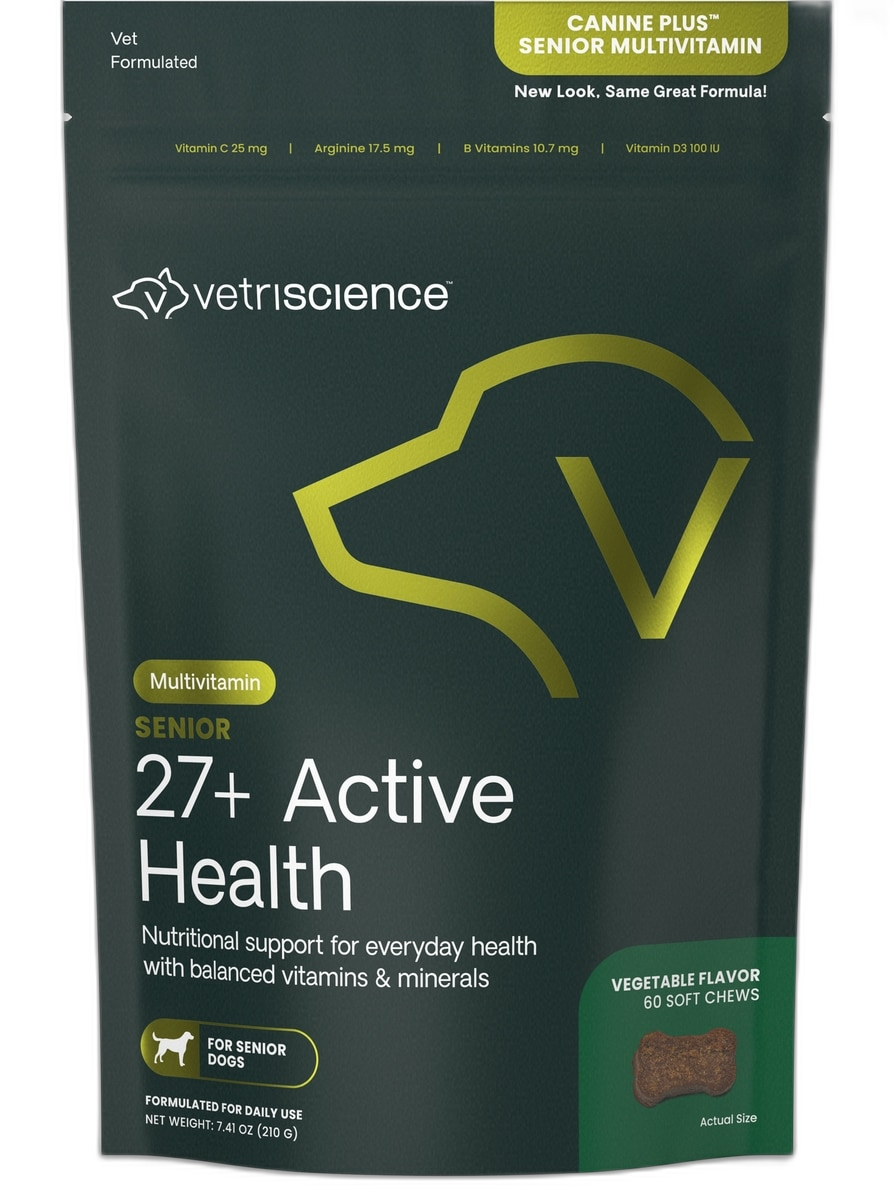
VetriScience Canine Plus Senior 27+ Active Health Veggie Flavored Soft Chews Multivitamin for Senior Dogs
VetriScience
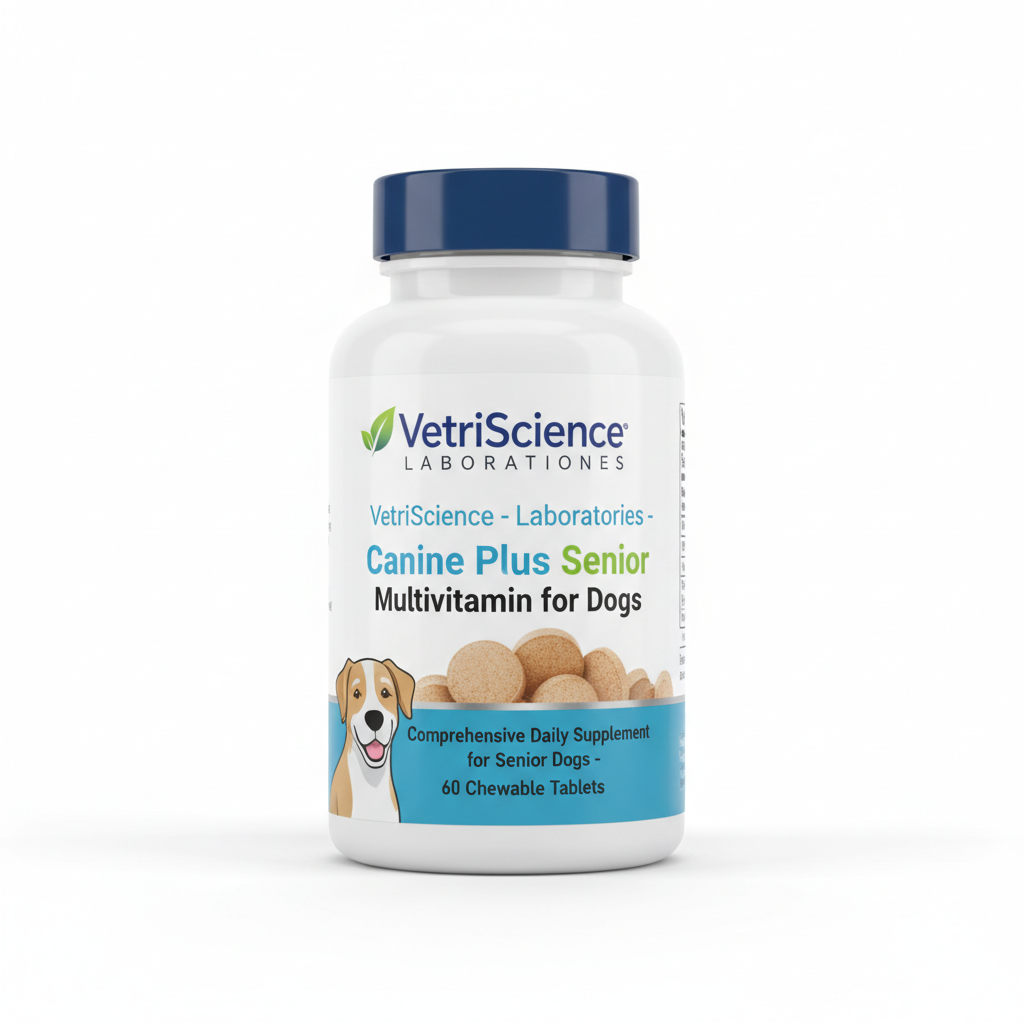
VetriScience Laboratories - Canine Plus Senior Multivitamin for Dogs - Comprehensive Daily Supplement for Senior Dogs - 60 Chewable Tablets
VetriScience
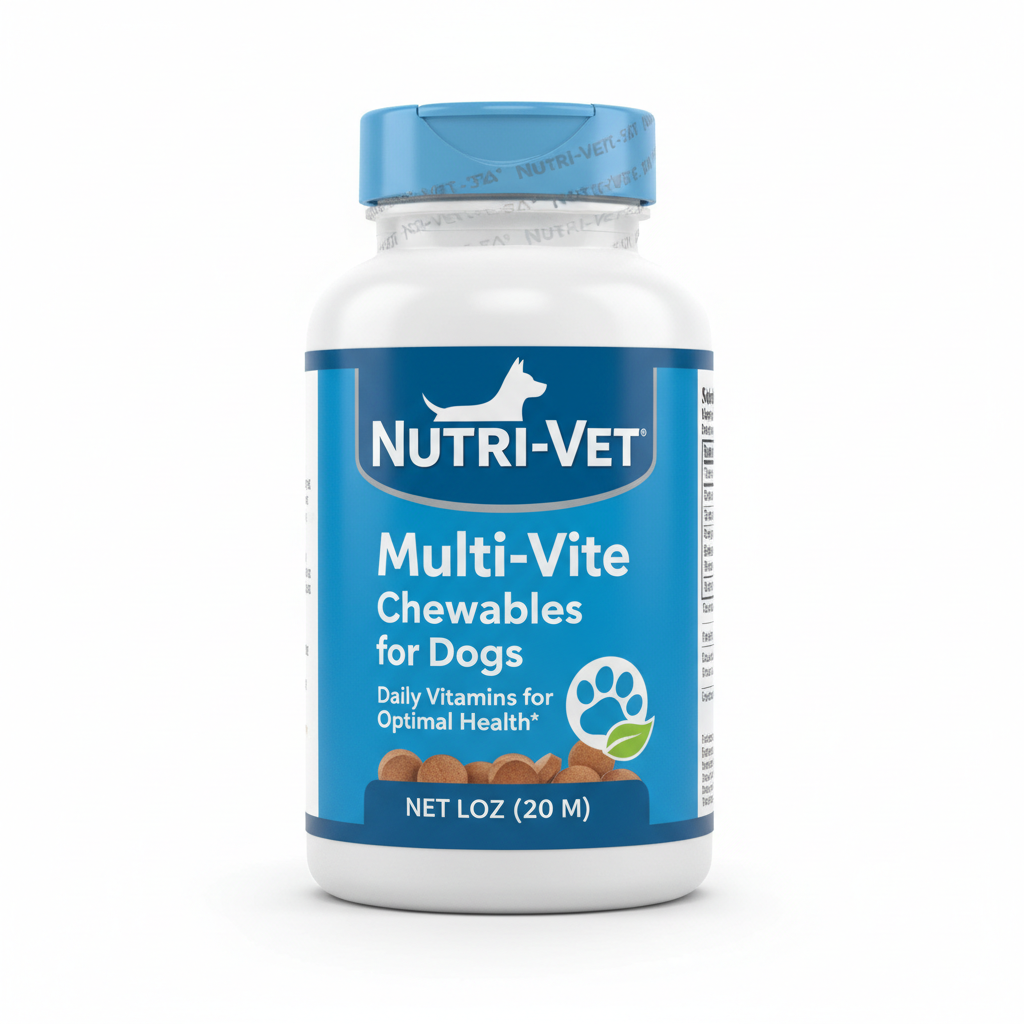
Nutri-Vet Multi-Vite Chewables for Dogs - Daily Vitamins for Optimal Health
Nutri-Vet
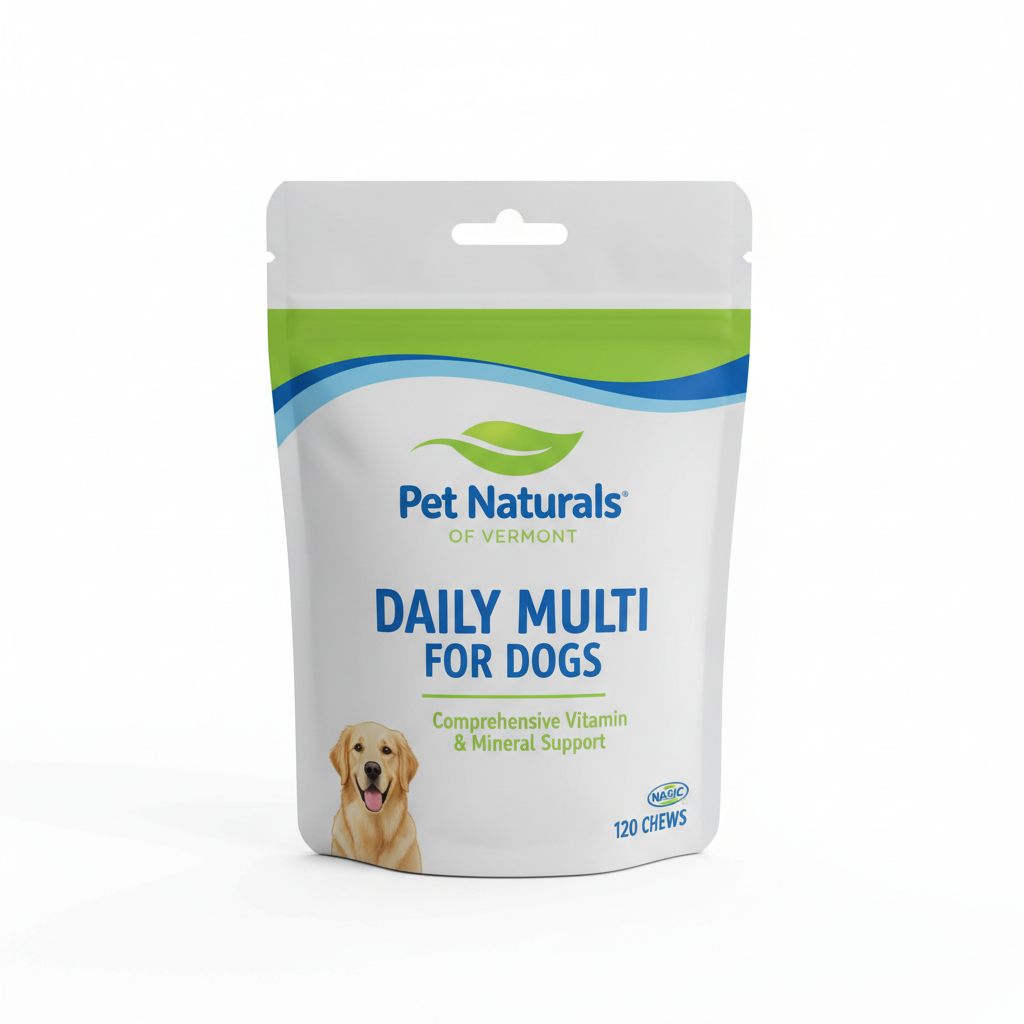
Pet Naturals of Vermont Daily Multi for Dogs - Comprehensive Vitamin & Mineral Support
Pet Naturals
NaturVet Brewer's Dried Yeast with Garlic for Dogs
NaturVet
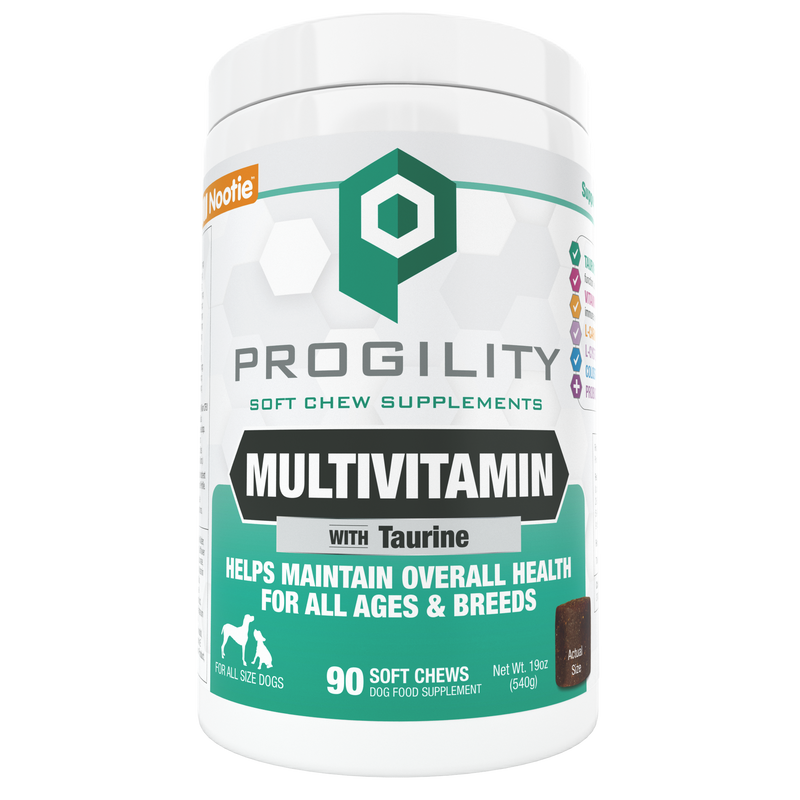
Progility Multivitamin with Taurine Soft Chew Supplement for Dogs
Nootie
Natural Dog Company, Multivitamin for Dogs, All Ages
Natural Dog Company