Omega-3 Fatty Acids (DHA)
fatty acid
Omega-3 Fatty Acids (DHA)
Category: fatty acid
Current description: Omega-3 Fatty Acids, specifically DHA (Docosahexaenoic Acid), are vital for brain and vision development and function in pets. They also support cognitive health, nerve function, and contribute to a healthy inflammatory response.
What Is Omega-3 Fatty Acids (DHA)?
Docosahexaenoic Acid (DHA) is a long-chain polyunsaturated omega-3 fatty acid, a crucial nutrient that pets cannot synthesize efficiently in sufficient quantities and thus must obtain through their diet. It is a primary structural component of the brain, cerebral cortex, skin, and retina. The richest natural sources of DHA are fatty fish like salmon, mackerel, sardines, and anchovies, as well as certain microalgae. In pet supplements, DHA is typically derived from fish oil or algal oil, often encapsulated or incorporated into chews and liquids to enhance palatability and stability.
Benefits for Pets
DHA offers a wide array of health benefits for both dogs and cats. Its primary role is in supporting neurological development and cognitive function, making it essential for puppies and kittens. For adult and senior pets, DHA helps maintain brain health, potentially aiding in cognitive function and memory. Furthermore, DHA is critical for vision development and maintaining retinal health. It also possesses anti-inflammatory properties, which can help support joint health, skin and coat quality, and a balanced immune response. Pets with certain dermatological conditions or mobility issues may experience improved comfort and reduced inflammation with DHA supplementation.
Scientific Evidence
Extensive research underscores the importance of DHA in canine and feline health. Numerous clinical trials have demonstrated that puppies supplemented with DHA exhibit improved cognitive function, including enhanced learning and memory capabilities, compared to those on unsupplemented diets. Similar studies in senior dogs suggest that DHA supplementation can help mitigate age-related cognitive decline. In cats, DHA has been shown to support healthy retinal development and function. Research also highlights DHA's role in modulating inflammatory pathways, with studies indicating its potential to support pets with osteoarthritis and allergic skin conditions by reducing inflammatory markers and improving clinical signs.
Dosage Guidelines
The optimal dosage of DHA can vary based on a pet's size, age, and specific health needs. A general guideline often recommended by veterinarians is 10-30 mg of DHA per kilogram of body weight per day. For a small dog (e.g., 5 kg), this might translate to 50-150 mg DHA daily, while a large dog (e.g., 30 kg) might receive 300-900 mg DHA daily. DHA supplements are commonly administered orally, either as softgel capsules, liquid oils, or incorporated into palatable chews. It is always advisable to consult with a veterinarian to determine the appropriate dosage for an individual pet.
Safety Considerations
DHA is generally considered safe for pets when administered within recommended guidelines. Potential side effects are typically mild and may include gastrointestinal upset such as diarrhea, vomiting, or flatulence, especially at higher doses. It is important to ensure that fish oil-derived supplements are free from heavy metals and other contaminants through third-party testing. High doses of omega-3 fatty acids can theoretically affect blood clotting, so caution is advised for pets on anticoagulant medications or those undergoing surgery. Pets with pancreatitis should use DHA supplements cautiously and under veterinary supervision, as fat intake can sometimes exacerbate the condition.
Which Pets Benefit Most
DHA supplementation is particularly beneficial for several groups of pets. Puppies and kittens greatly benefit from DHA for optimal brain and vision development. Pregnant and lactating females can also benefit, as DHA is transferred to their offspring, supporting early development. Senior pets, especially those exhibiting signs of cognitive dysfunction (e.g., disorientation, altered sleep-wake cycles), can experience improved cognitive function. Pets with inflammatory conditions such as osteoarthritis, allergic dermatitis, or certain autoimmune disorders may find relief from DHA's anti-inflammatory properties. Finally, breeds predisposed to certain eye conditions or cognitive decline may also benefit from proactive supplementation.
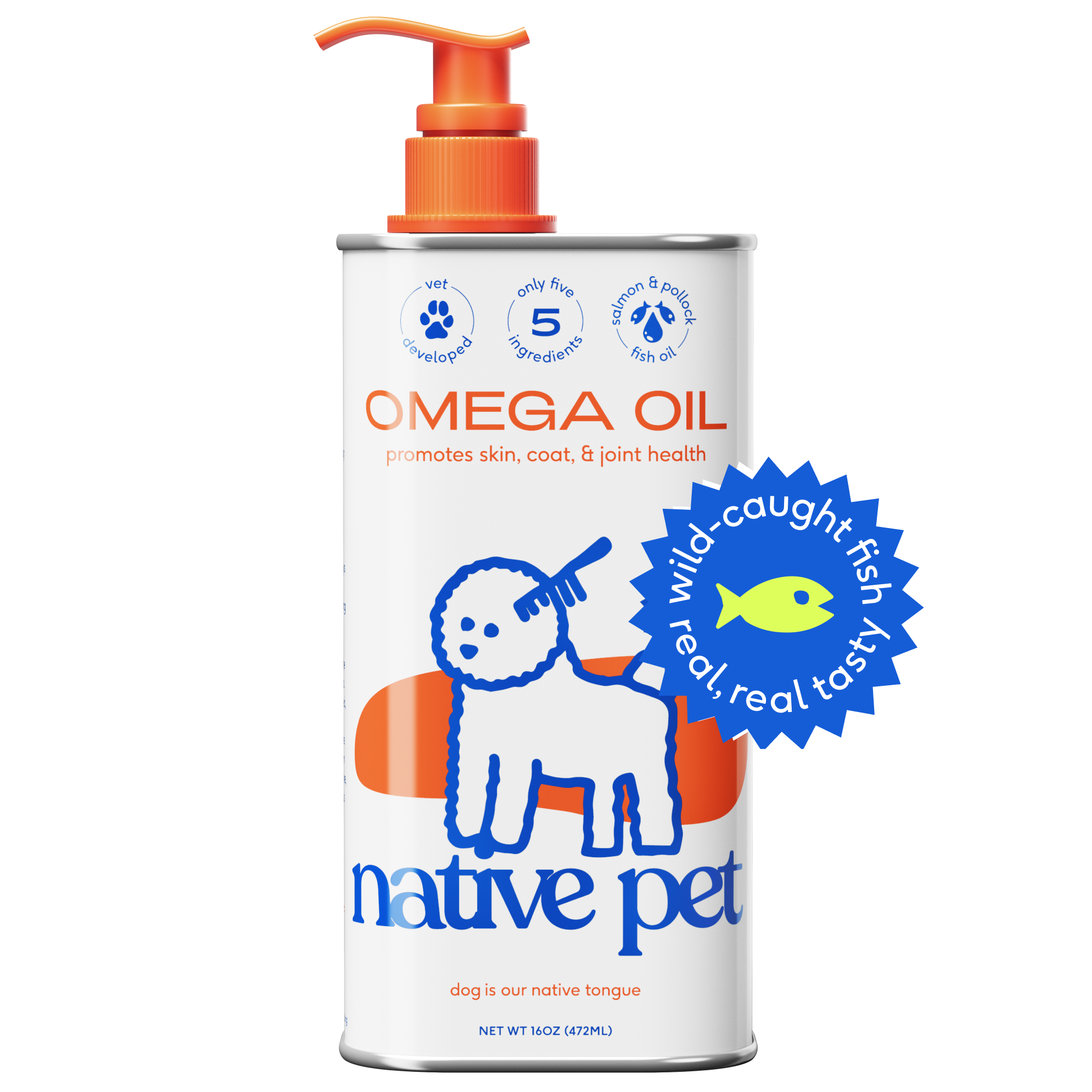
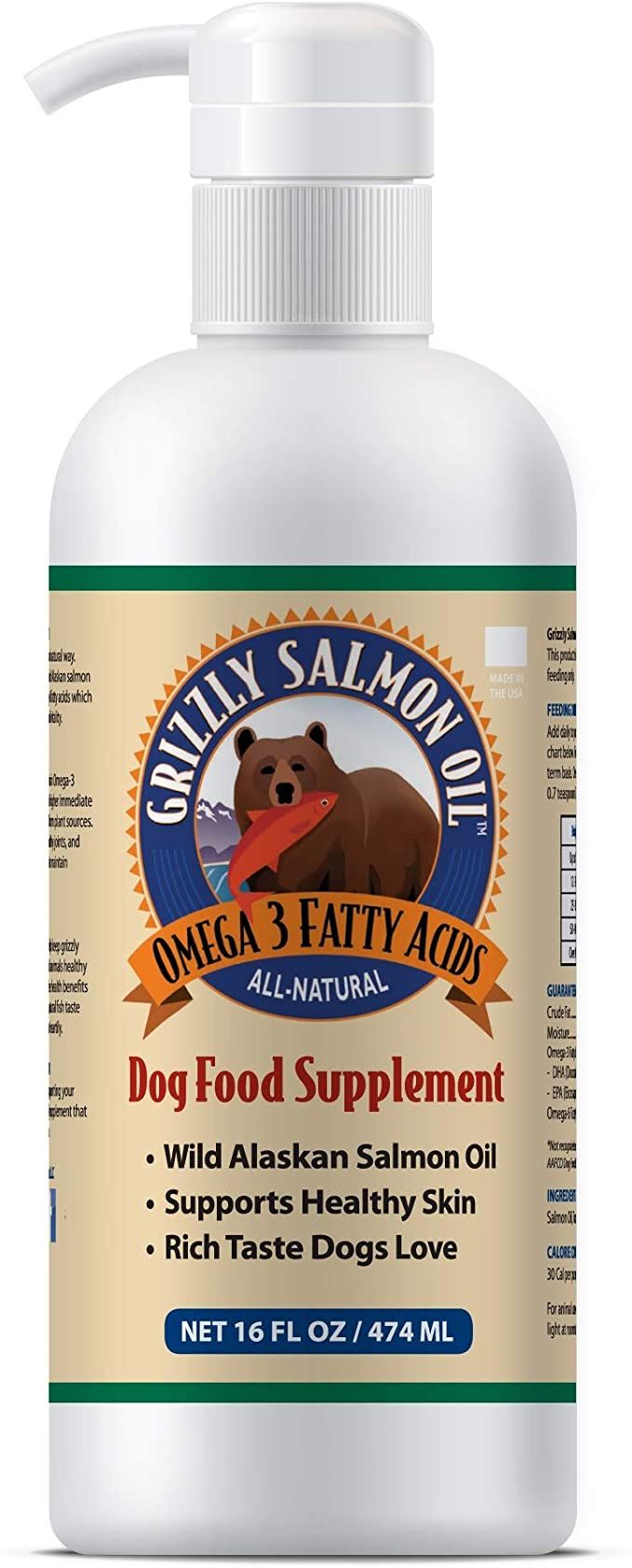
Products Containing Omega-3 Fatty Acids (DHA)
Top-rated supplements featuring this ingredient, ranked by our PSI+ score.