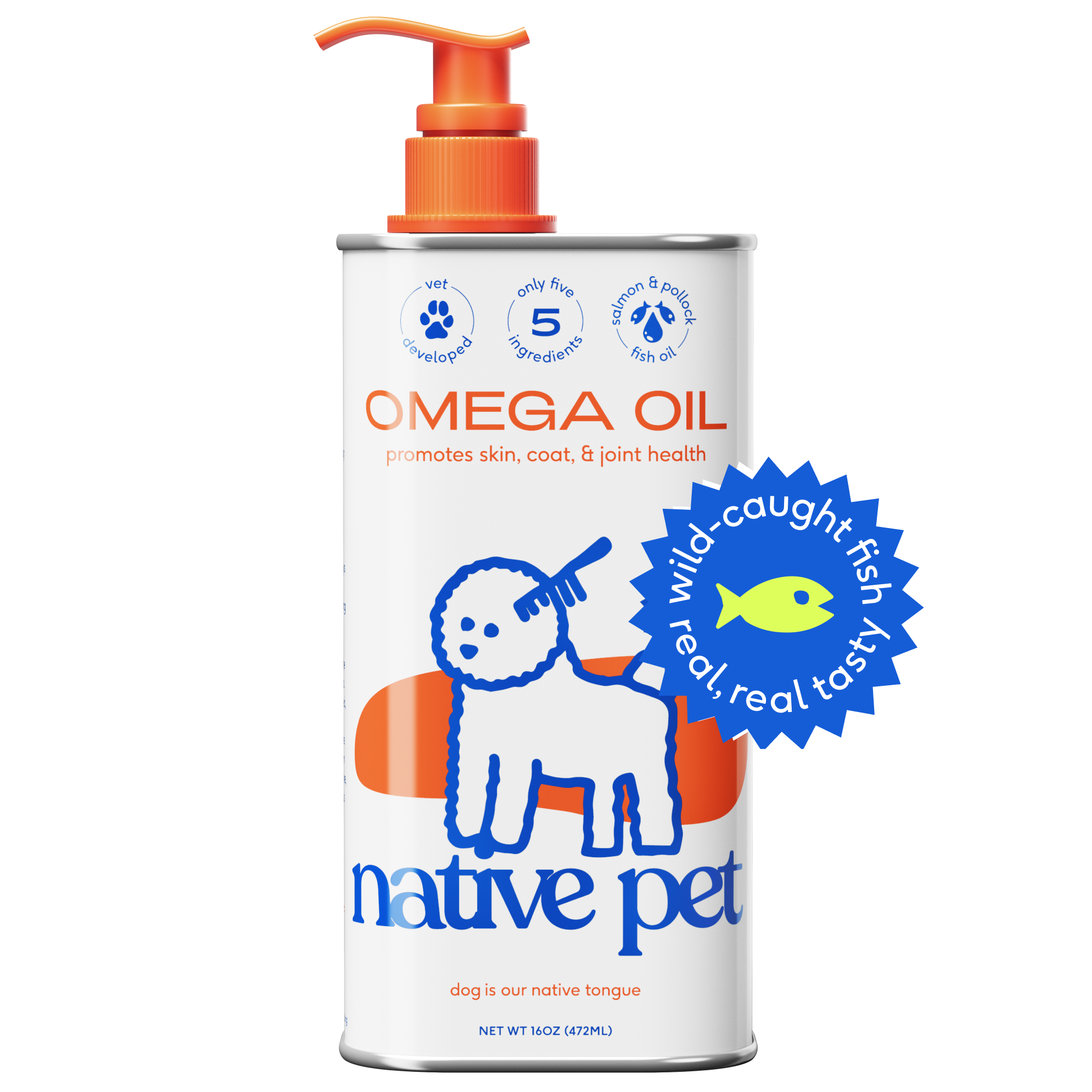
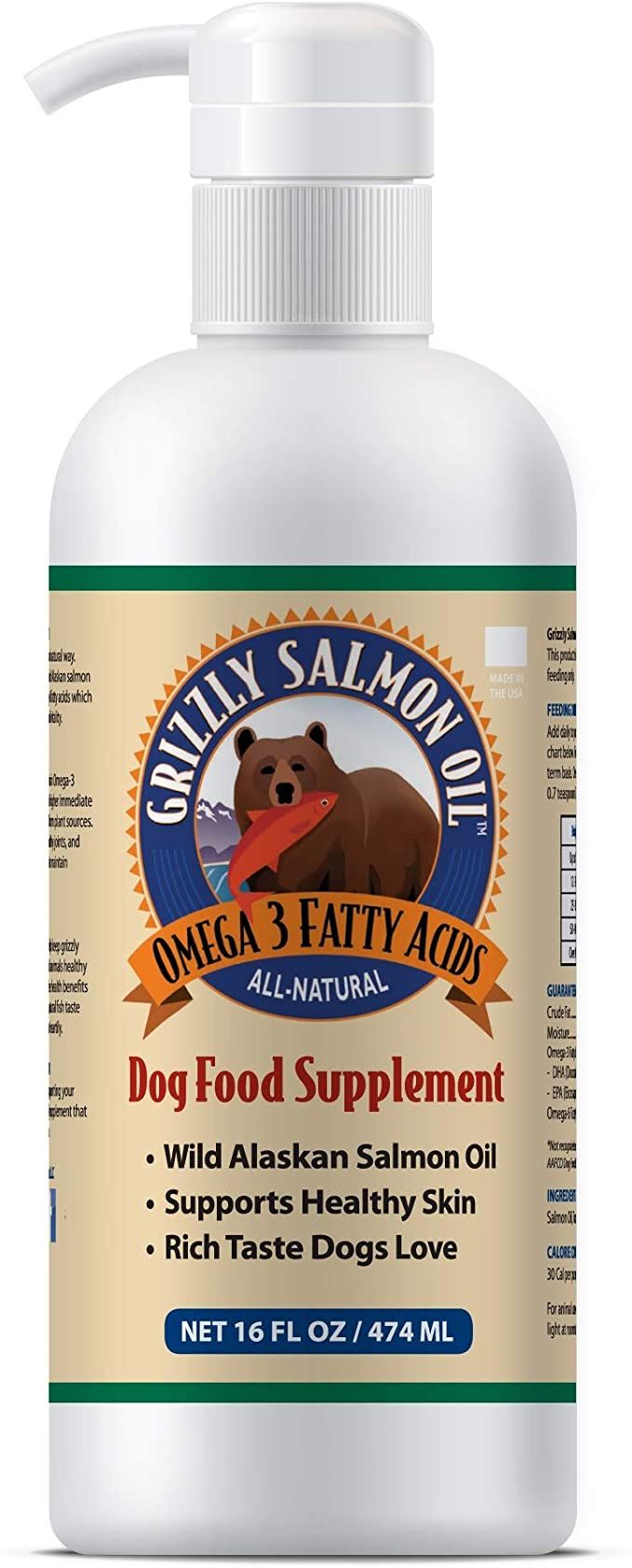
Omega-3 Fatty Acids (EPA)
fatty acid
Omega-3 Fatty Acids (EPA)
What Is Omega-3 Fatty Acids (EPA)?
Omega-3 fatty acids are a class of polyunsaturated fatty acids essential for numerous physiological functions in both humans and animals. Eicosapentaenoic Acid (EPA) is one of the most well-known and biologically active omega-3 fatty acids. Unlike some other nutrients, EPA cannot be synthesized efficiently by dogs and cats from precursor molecules like alpha-linolenic acid (ALA), making dietary intake crucial. The primary natural sources of EPA are cold-water fatty fish such as salmon, mackerel, sardines, and anchovies, as well as certain microalgae. In pet supplements, EPA is typically derived from fish oil or, less commonly, from algal oil, and is often provided in softgel capsules, liquid formulations, or incorporated into chews.
Benefits for Pets
EPA offers a wide spectrum of health benefits for companion animals. Its potent anti-inflammatory properties are particularly valuable, helping to mitigate discomfort associated with various inflammatory conditions. For instance, EPA supports joint health by reducing inflammation in cartilage and synovial fluid, thereby promoting mobility and flexibility. It also plays a significant role in maintaining a healthy cardiovascular system, contributing to proper heart function. Furthermore, EPA is instrumental in promoting skin and coat quality, helping to reduce dryness, itching, and excessive shedding, and fostering a lustrous, healthy appearance. Emerging research also suggests its role in supporting cognitive function and overall neurological health.
Scientific Evidence
The benefits of EPA in pet health are supported by a growing body of scientific research. Numerous clinical trials in dogs with osteoarthritis have demonstrated that supplementation with EPA can lead to significant improvements in lameness, pain scores, and overall activity levels. Studies investigating dermatological conditions have shown that EPA supplementation can reduce pruritus and improve coat condition in dogs with allergic skin disease. Research, including both in vitro studies and animal models, has elucidated EPA's mechanisms of action, primarily through its ability to modulate inflammatory pathways by competing with arachidonic acid for enzymatic conversion into pro-inflammatory eicosanoids. Furthermore, epidemiological studies suggest a correlation between higher dietary omega-3 intake and improved cardiac health markers in certain canine populations.
Dosage Guidelines
Typical dosage guidelines for EPA vary depending on the pet's size, condition, and the concentration of the supplement. A general recommendation for therapeutic benefits, particularly for inflammatory conditions, often ranges from 10 to 50 mg of combined EPA and DHA per kilogram of body weight per day. For a small dog (e.g., 5 kg), this might translate to 50-250 mg of EPA+DHA daily, while a large dog (e.g., 30 kg) could receive 300-1500 mg daily. For general health maintenance, lower doses are often sufficient. EPA is commonly administered orally, either mixed with food or given directly. It's crucial to follow the specific instructions on the product label and consult with a veterinarian to determine the appropriate dosage for an individual pet.
Safety Considerations
When administered appropriately, EPA is generally considered safe for pets. Potential side effects are typically mild and may include gastrointestinal upset such as soft stools, diarrhea, or vomiting, especially at higher doses or when first introduced. To minimize these effects, it is often recommended to start with a lower dose and gradually increase it. High doses of omega-3 fatty acids can theoretically interfere with blood clotting, though this is rarely a clinical concern at recommended supplement levels. Drug interactions are uncommon but possible; pets on anticoagulant medications should be monitored closely by a veterinarian. Contraindications are rare, but caution is advised in pets with bleeding disorders or those undergoing surgery. Always choose high-quality supplements tested for purity and absence of heavy metals.
Which Pets Benefit Most
A wide range of pets can benefit from EPA supplementation. Senior pets, particularly those with age-related joint stiffness or cognitive decline, often show significant improvement. Breeds predisposed to inflammatory conditions, such as Golden Retrievers and Labrador Retrievers (prone to osteoarthritis), or breeds with sensitive skin, like West Highland White Terriers or French Bulldogs, may particularly benefit. Pets with diagnosed inflammatory conditions, including osteoarthritis, inflammatory bowel disease, or allergic dermatitis, are prime candidates for EPA supplementation due to its anti-inflammatory properties. Additionally, pets requiring support for cardiovascular health or those needing to improve their skin and coat condition can also experience positive outcomes.
Products Containing Omega-3 Fatty Acids (EPA)
Top-rated supplements featuring this ingredient, ranked by our PSI+ score.