Omega-6
Omega-6 Fatty Acids: Essential Nutrients for Your Pet's Health
Omega-6 fatty acids are a group of polyunsaturated fatty acids that are essential for the health of both dogs and cats. This means your pet's body cannot produce them on its own, and they must be obtained through their diet. The most common and biologically active omega-6 fatty acid is linoleic acid (LA).
Natural sources of omega-6 fatty acids include various vegetable oils such as sunflower oil, safflower oil, corn oil, and soybean oil. They are also found in poultry fat and certain nuts and seeds. In pet food and supplements, these ingredients are often incorporated to ensure adequate intake.
How Omega-6 Works and Its Benefits for Pets
Once consumed, linoleic acid can be converted in the body into other important omega-6 fatty acids, such as arachidonic acid (AA). These fatty acids play crucial roles in maintaining cell membrane structure and function. They are also precursors to eicosanoids, hormone-like compounds that are involved in various physiological processes, including inflammation, blood clotting, and immune responses.
For pets, adequate omega-6 intake offers several key benefits. It is vital for maintaining healthy skin and a shiny coat, as it supports the skin barrier function, helping to prevent dryness and flakiness. Omega-6 fatty acids also play a role in promoting normal growth and development, supporting a healthy immune system, and contributing to reproductive health. In pet supplements, omega-6 is often included to help maintain overall skin and coat health, especially in pets prone to dry skin or dull fur.
Choosing a Supplement and Safety Considerations
When selecting a pet supplement containing omega-6, look for products that clearly list the source of the omega-6 fatty acids, such as specific vegetable oils. Reputable brands will also provide information on the guaranteed analysis of the fatty acid content. It's important to choose supplements from trusted manufacturers that adhere to quality control standards.
While essential, the balance between omega-6 and omega-3 fatty acids is important. Most commercial pet foods already contain sufficient omega-6, and sometimes an imbalance can occur if too much omega-6 is supplemented without a corresponding increase in omega-3. Always consult with your veterinarian before adding any new supplement to your pet's diet, especially if your pet has pre-existing health conditions or is on other medications. Your vet can help determine if supplementation is necessary and recommend the appropriate dosage to ensure optimal health and avoid potential interactions.
Products Containing Omega-6
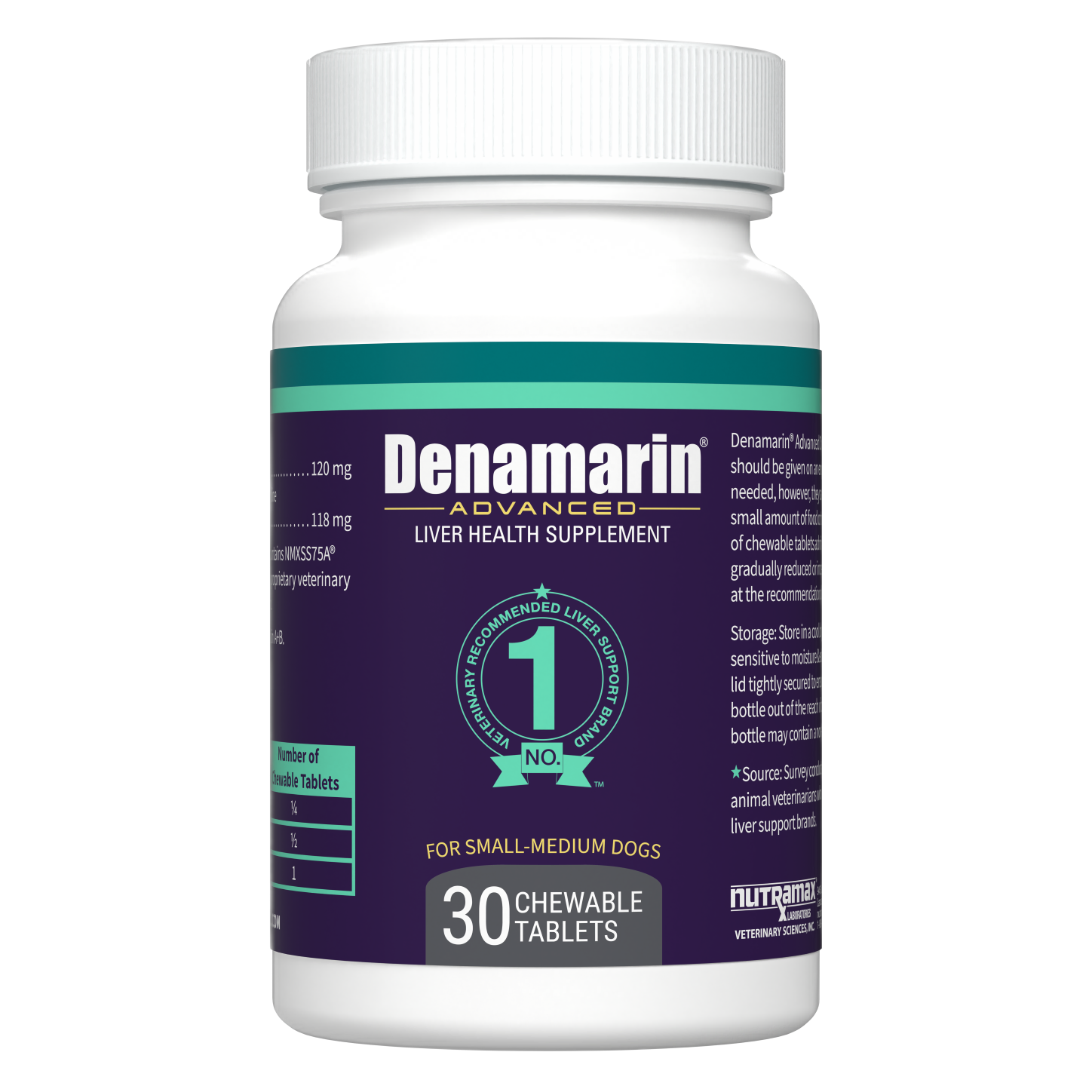
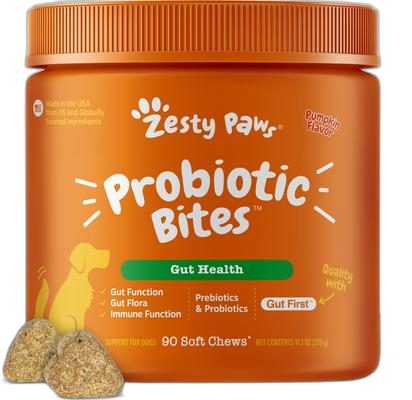
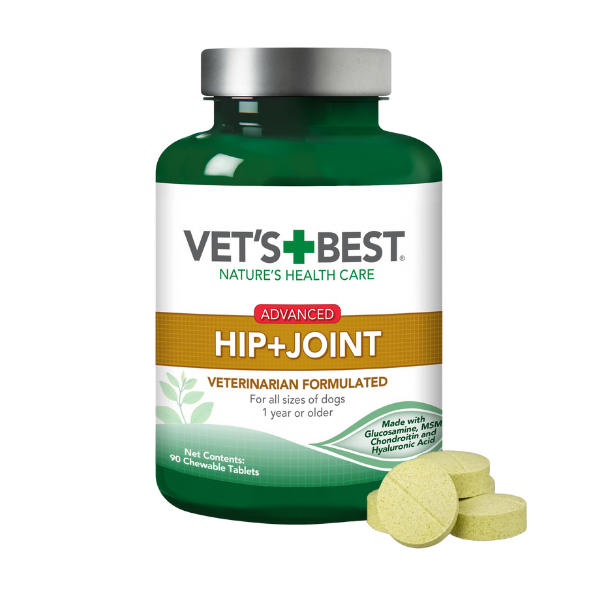
Top-rated supplements featuring this ingredient, ranked by our PSI+ score.