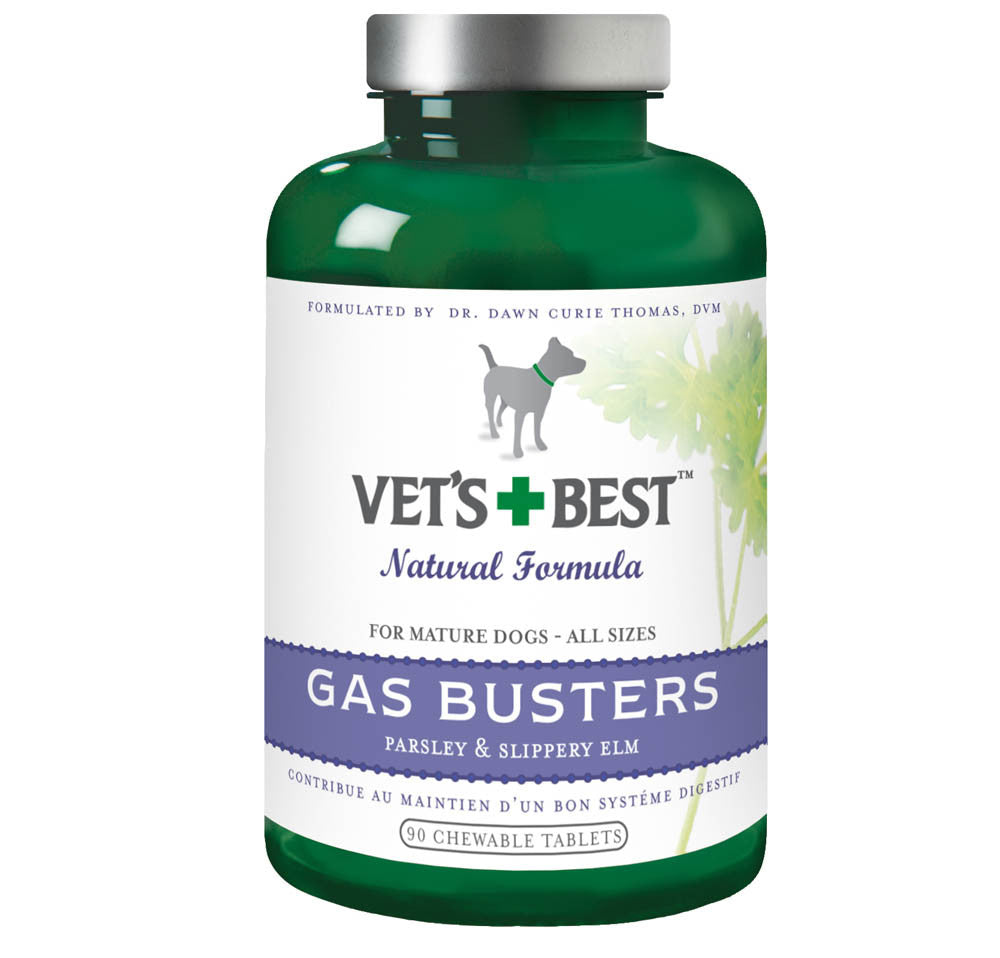
Parsley
Parsley: A Green Boost for Your Pet's Health
Parsley (Petroselinum crispum) is a common herb renowned for its vibrant green color and fresh aroma. Beyond its culinary uses, this leafy plant is also gaining recognition as a beneficial ingredient in pet supplements. Parsley is native to the Mediterranean region and is a rich source of various vitamins, minerals, and antioxidants. In pet supplements, it's typically included in dried, powdered, or extract form to provide a concentrated dose of its beneficial compounds.
How Parsley Works and Its Benefits for Pets
Parsley's efficacy in pet health stems from its rich nutritional profile. It contains vitamins K, C, and A, as well as folate, iron, and potassium. It's also a source of flavonoids and volatile oils, which contribute to its therapeutic properties. These compounds work synergistically within the body to support various physiological functions.
One of the most well-known benefits of parsley in pets is its ability to act as a natural breath freshener. The chlorophyll content in parsley helps to neutralize odor-causing bacteria in the mouth and digestive tract, making it a popular ingredient in dental chews and oral health supplements. Beyond fresh breath, parsley also offers other advantages:
- Digestive Support: Parsley contains dietary fiber, which can aid in healthy digestion and promote regular bowel movements. Its volatile oils may also help soothe the digestive tract.
- Antioxidant Properties: The flavonoids and vitamin C in parsley act as antioxidants, helping to protect cells from damage caused by free radicals. This can contribute to overall cellular health and immune system support.
- Kidney and Urinary Tract Health: Parsley has traditionally been used as a mild diuretic, which may help support healthy kidney function and promote the flushing of the urinary tract.
- Anti-inflammatory Support: Some compounds in parsley exhibit mild anti-inflammatory properties, which can be beneficial for pets experiencing minor discomfort.
Choosing a Parsley Supplement and Safety Considerations
When selecting a pet supplement containing parsley, look for products from reputable manufacturers that clearly list the ingredients and their concentrations. Ensure the parsley is sourced responsibly and processed to retain its beneficial compounds. Some supplements may combine parsley with other complementary ingredients for enhanced effects, such as probiotics for digestion or other breath-freshening agents.
While generally safe for pets in appropriate amounts, it's important to be aware of potential considerations. Excessive consumption of parsley, particularly the essential oil, can be toxic due to compounds like apiol and myristicin. However, the amounts typically found in commercial pet supplements are well within safe limits. Pregnant pets or those with existing kidney conditions should only be given parsley supplements under the guidance of a veterinarian. Always adhere to the recommended dosage on the supplement packaging or as advised by your vet. If your pet experiences any adverse reactions, discontinue use and consult your veterinarian immediately.
Products Containing Parsley
Top-rated supplements featuring this ingredient, ranked by our PSI+ score.