Phosphorus
bone health
Phosphorus
Category: Bone Health
Current Description: Phosphorus is an essential mineral vital for strong bones and teeth in pets. It works in conjunction with calcium to maintain skeletal structure and plays a crucial role in energy metabolism and cellular function throughout the body.
What Is Phosphorus?
Phosphorus is an indispensable macromineral, meaning it is required in relatively large quantities by the body. It is the second most abundant mineral in a pet's body, primarily found in bones and teeth, where it forms a critical component of hydroxyapatite crystals, providing structural rigidity. Beyond skeletal health, phosphorus is integral to numerous physiological processes. Naturally, it is abundant in protein-rich foods such as meat, poultry, fish, eggs, and dairy products. Grains and legumes also contain phosphorus, though its bioavailability can be lower due to the presence of phytates. In pet supplements, phosphorus is typically included as various salts, such as dicalcium phosphate, monocalcium phosphate, or sodium phosphate, to ensure optimal absorption and utilization.
Benefits for Pets
The benefits of adequate phosphorus intake for pets are extensive and fundamental to overall health. Primarily, it is crucial for the development and maintenance of strong bones and teeth, working synergistically with calcium in a delicate balance. This mineral is also a vital component of adenosine triphosphate (ATP), the body's primary energy currency, making it essential for energy metabolism at a cellular level. Furthermore, phosphorus plays a key role in maintaining acid-base balance (pH) in the body, supporting kidney function, and contributing to the proper function of nerves and muscles. It is also a building block for DNA and RNA, critical for cell growth and repair, and is involved in fat and carbohydrate utilization.
Scientific Evidence
Extensive research underscores the importance of phosphorus in canine and feline nutrition. Numerous feeding trials and metabolic studies have demonstrated that insufficient phosphorus intake leads to skeletal abnormalities, including rickets in growing animals and osteomalacia in adults. Clinical trials investigating bone mineral density have consistently shown a positive correlation between appropriate phosphorus levels and robust skeletal health. Research also highlights the critical calcium-to-phosphorus ratio, typically recommended between 1:1 and 2:1, for optimal absorption and to prevent secondary nutritional hyperparathyroidism. In vitro studies have further elucidated phosphorus's role in cellular energy production and nucleic acid synthesis, reinforcing its broad physiological significance.
Dosage Guidelines
The appropriate dosage of phosphorus for pets varies significantly based on age, size, activity level, and physiological state (e.g., growth, pregnancy, lactation). For adult dogs, typical daily requirements range from 0.4% to 0.9% on a dry matter basis, or approximately 20-40 mg per kilogram of body weight. Growing puppies and lactating females have higher needs, often requiring 0.8% to 1.6% dry matter. For adult cats, the recommended daily intake is generally 0.5% to 1.2% on a dry matter basis, or about 25-50 mg per kilogram of body weight. Phosphorus is commonly administered orally, either as part of a complete and balanced diet, a multivitamin/mineral supplement, or as a targeted bone health formula. It is crucial to consult with a veterinarian to determine the precise needs for an individual pet, especially when considering supplementation beyond a balanced commercial diet.
Safety Considerations
While essential, excessive phosphorus intake can pose health risks. High levels, particularly when the calcium-to-phosphorus ratio is imbalanced (e.g., too much phosphorus relative to calcium), can lead to secondary hyperparathyroidism, which can cause bone demineralization and soft tissue calcification. In pets with pre-existing kidney disease, phosphorus restriction is often a critical part of managing the condition, as compromised kidneys struggle to excrete excess phosphorus, leading to hyperphosphatemia. Symptoms of phosphorus toxicity are rare with appropriate supplementation but can include lethargy, weakness, and loss of appetite. Phosphorus can interact with certain medications, such as aluminum-containing antacids, which can bind to phosphorus and reduce its absorption. Always discuss any supplements with a veterinarian, especially if your pet is on medication or has underlying health conditions.
Which Pets Benefit Most
Certain pets stand to benefit significantly from careful attention to phosphorus intake. Growing puppies and kittens, particularly large and giant breeds, require adequate phosphorus for proper skeletal development to prevent conditions like rickets. Pregnant and lactating females also have elevated phosphorus needs to support fetal development and milk production. Pets recovering from bone fractures or orthopedic surgeries may benefit from optimized phosphorus levels to aid in bone healing. While phosphorus is crucial for bone health, pets with advanced kidney disease often require diets with restricted phosphorus to slow disease progression and manage complications. Therefore, individualized veterinary guidance is paramount for these specific populations to ensure a beneficial, rather than detrimental, approach to phosphorus management.
Products Containing Phosphorus
Top-rated supplements featuring this ingredient, ranked by our PSI+ score.

VetriScience Canine Plus Senior 27+ Active Health Veggie Flavored Soft Chews Multivitamin for Senior Dogs
VetriScience
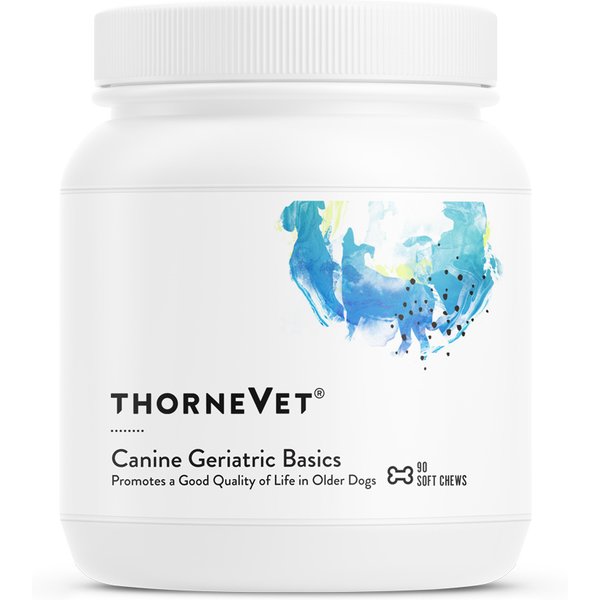
ThorneVET Canine Geriatric Basics Chew Supplement for Senior Dogs
ThorneVet

Pro-Sense Dog Vitamin Solutions Chewable Tablet Multivitamin for Dogs
Pro-Sense
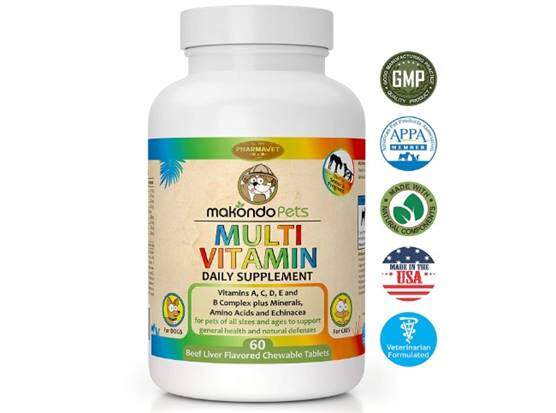
Makondo Pets Multivitamin for Dogs and Cats
Makondo Pets
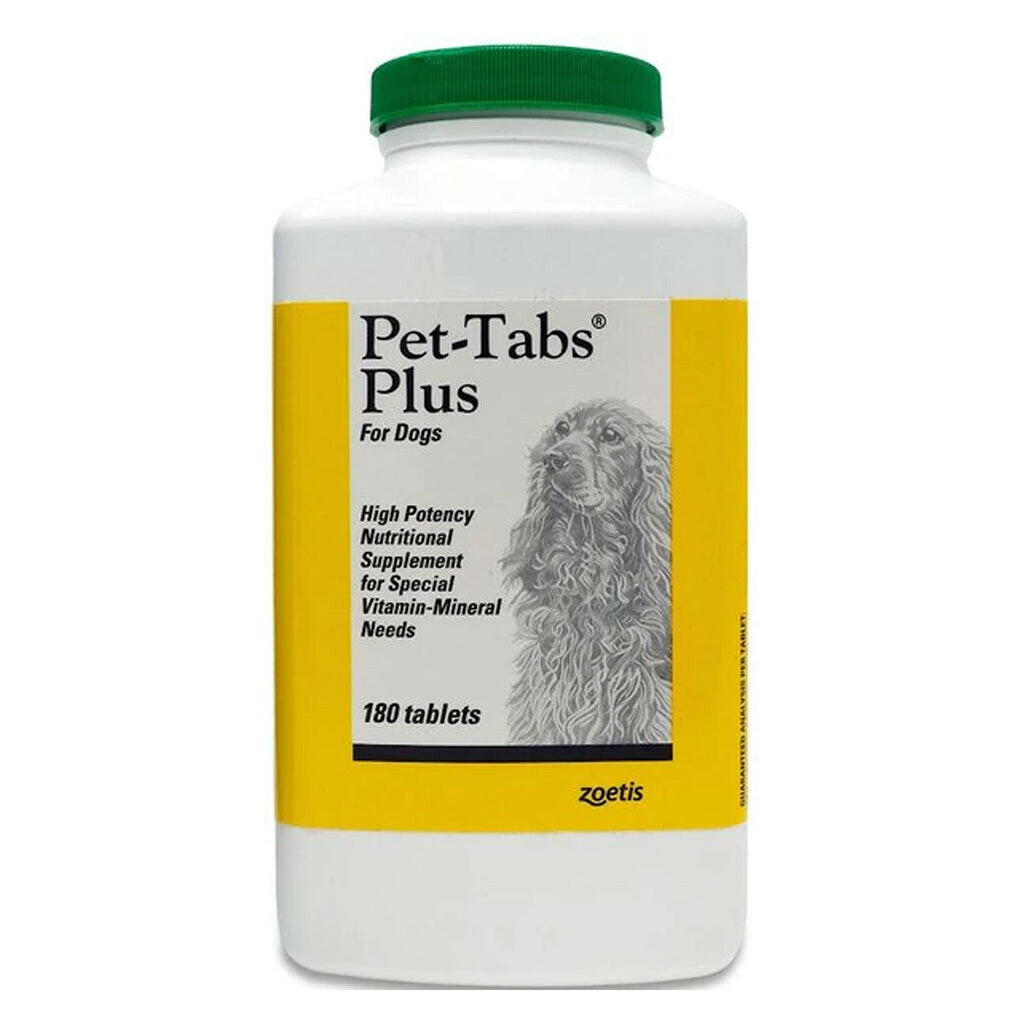
Pet-Tabs Vitamin-Mineral Dog Supplement
Pet-Tabs
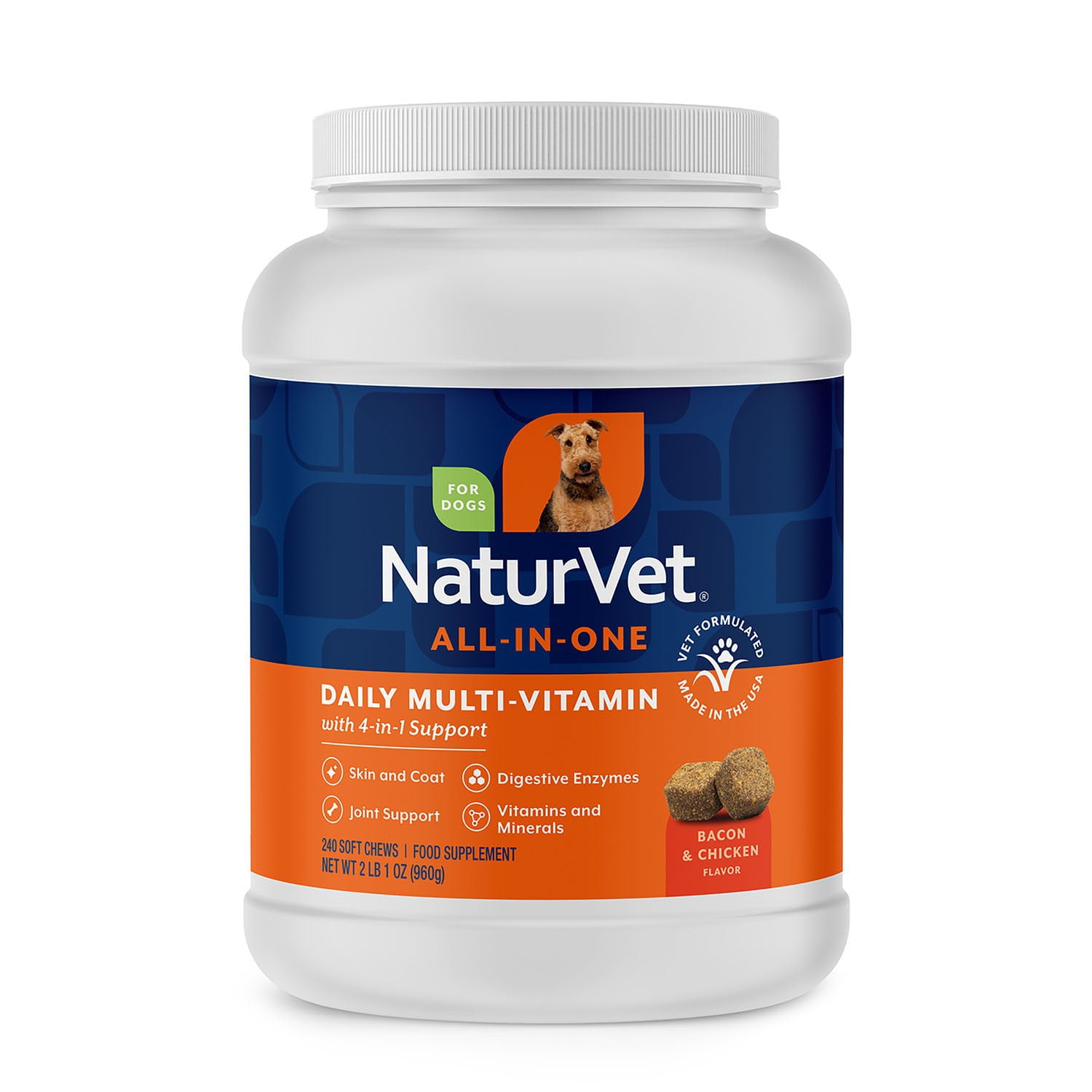
Multi-Vitamin & Mineral for Dogs
NaturVet
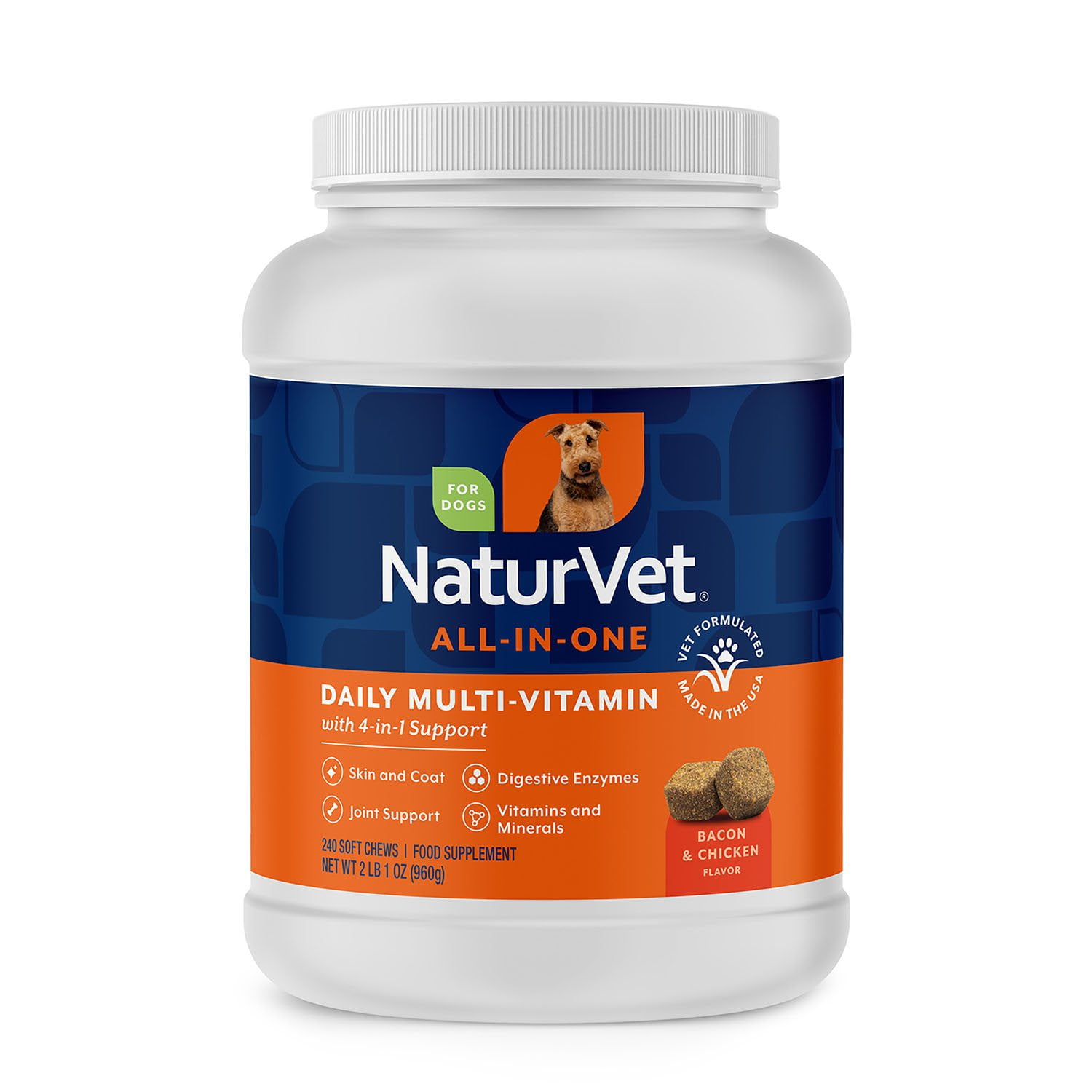
Daily Multi Adult Canine Supplement
NaturVet
VetriScience Canine Plus Multivitamin
VetriScience