Phytomenadione
other
What Is Phytomenadione?
Phytomenadione, commonly known as Vitamin K1, is a fat-soluble vitamin crucial for several physiological processes in animals, particularly blood coagulation. It is naturally found in high concentrations in green leafy vegetables such as spinach, kale, and broccoli, as well as in some plant oils. In pet supplements, phytomenadione is included primarily to support healthy blood clotting mechanisms and, less frequently, for bone health. It is often synthesized for supplement use to ensure consistent purity and potency.
Benefits for Pets
The primary and most critical benefit of phytomenadione for pets is its role in maintaining normal blood clotting. It serves as a vital co-factor for the liver enzymes responsible for synthesizing several coagulation factors (II, VII, IX, and X), as well as anticoagulant proteins C and S. Adequate levels of Vitamin K1 ensure that these proteins are properly activated, allowing blood to clot effectively in response to injury. This prevents excessive bleeding and promotes proper wound healing. Beyond coagulation, some research suggests a role for Vitamin K1 in bone metabolism, contributing to bone mineralization and strength, though its impact in this area is less pronounced than its role in clotting.
Scientific Evidence
The role of phytomenadione in coagulation is extensively documented. Numerous clinical studies and veterinary case reports have demonstrated its efficacy in treating and preventing coagulopathies, particularly those induced by anticoagulant rodenticides. For instance, studies involving dogs exposed to such toxins consistently show that phytomenadione supplementation effectively restores normal clotting times and resolves hemorrhage. In vitro studies have elucidated the precise biochemical pathways through which Vitamin K1 facilitates the carboxylation of clotting factors. While its role in bone health is recognized in human medicine, specific large-scale clinical trials focusing on phytomenadione's direct impact on bone density or fracture prevention in healthy pets are less common, though its general involvement in calcium regulation is understood.
Dosage Guidelines
Dosage of phytomenadione varies significantly depending on the pet's condition and the reason for supplementation. For routine dietary support or general health, lower doses are typically incorporated into complete and balanced pet foods. When used therapeutically, such as in cases of anticoagulant rodenticide poisoning, much higher doses are prescribed by veterinarians. For instance, in dogs with rodenticide toxicity, oral doses can range from 2.5 to 5.0 mg/kg body weight per day, often divided and administered for several weeks. For cats, doses are generally lower, often around 2.5 mg/kg per day. It is most commonly administered orally, often with a fatty meal to enhance absorption, given its fat-soluble nature. Always follow veterinary guidance for therapeutic dosing.
Safety Considerations
Phytomenadione is generally considered safe when administered appropriately. Side effects are rare but can include gastrointestinal upset (vomiting, diarrhea) at very high doses. Intravenous administration, though sometimes used in critical situations, carries a higher risk of anaphylactic reactions and is generally avoided if oral administration is possible. Drug interactions are important to consider; certain medications, such as some antibiotics (e.g., sulfa drugs), can interfere with Vitamin K absorption or metabolism, potentially increasing the requirement for supplementation. Conversely, concurrent use with anticoagulants like warfarin can be antagonistic, as phytomenadione directly counteracts their mechanism of action. Pets with severe liver disease may have impaired ability to utilize Vitamin K1 effectively, even with supplementation.
Which Pets Benefit Most
Pets that have been exposed to anticoagulant rodenticides are the primary beneficiaries of phytomenadione supplementation, as it is the specific antidote. Additionally, pets undergoing certain surgical procedures or those with conditions that predispose them to bleeding (e.g., some forms of liver disease, certain malabsorption syndromes) may benefit from prophylactic or therapeutic Vitamin K1 to support normal coagulation. Breeds genetically predisposed to certain clotting disorders, although rare, might also be candidates under veterinary supervision. While not a primary supplement for healthy, adult pets on a balanced diet, it is a crucial therapeutic agent in specific medical scenarios.
Products Containing Phytomenadione
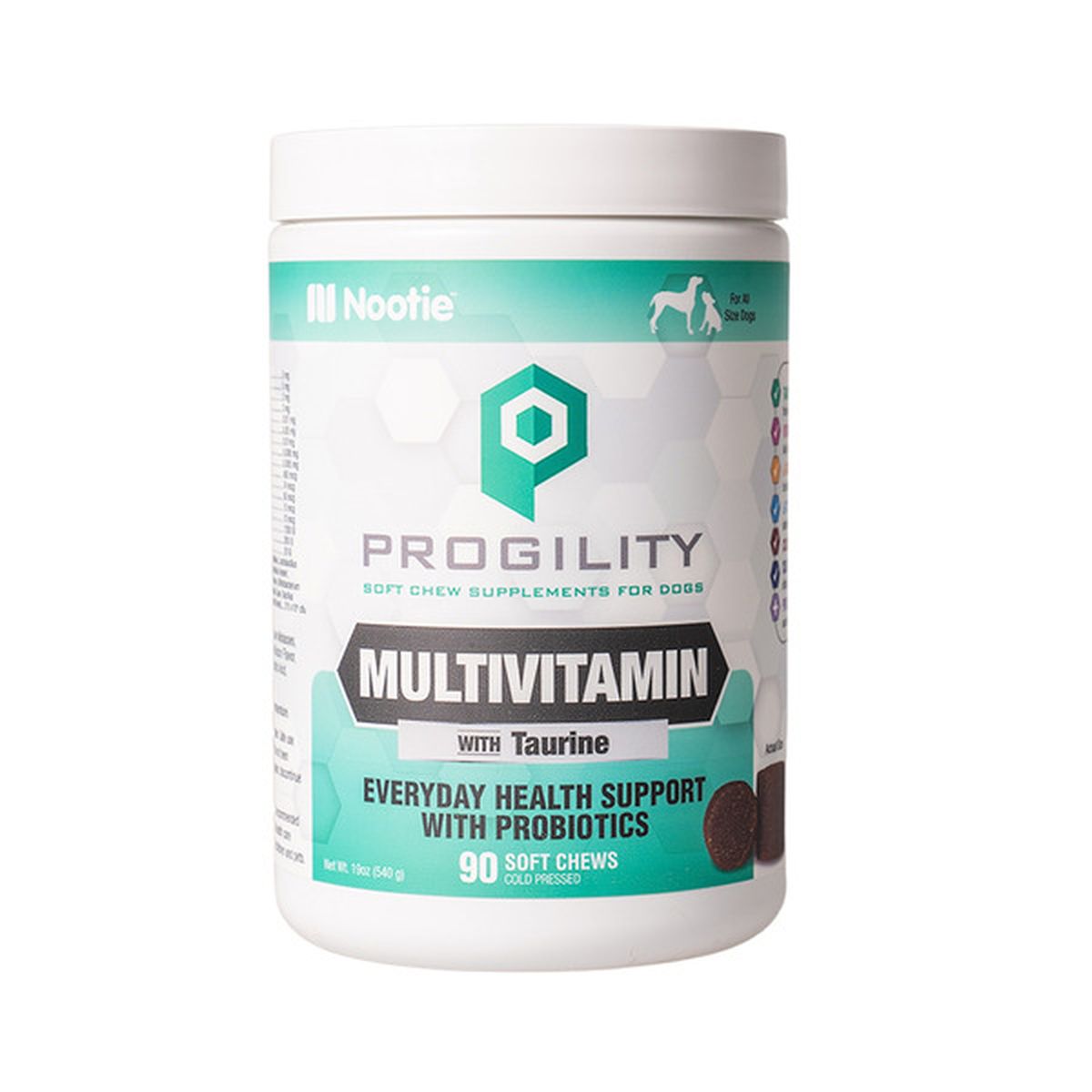
Top-rated supplements featuring this ingredient, ranked by our PSI+ score.