Probiotics
Probiotics: Supporting Your Pet's Gut Health
Probiotics are live microorganisms, often referred to as "good bacteria," that, when administered in adequate amounts, confer a health benefit on the host. In simpler terms, they are beneficial bacteria and yeasts that naturally reside in your pet's digestive tract. While the term "probiotic" is often associated with supplements, these beneficial microbes are naturally present in fermented foods like yogurt and kefir, though these human-grade foods are not always suitable or recommended for pets due to other ingredients like lactose or sweeteners.
How Probiotics Work and Their Benefits for Pets
The primary mechanism by which probiotics work is by maintaining a healthy balance of microorganisms in the gut, often called the gut microbiome. They achieve this by competing with harmful bacteria for nutrients and attachment sites on the intestinal lining, producing antimicrobial substances, and strengthening the gut barrier. Furthermore, certain probiotic strains can modulate the immune system, helping it respond appropriately to challenges.
For pets, the benefits of incorporating probiotics into their diet, particularly through pet supplements, can be numerous. They are widely used to support digestive health, helping to maintain normal stool consistency and reduce occasional digestive upset. Probiotics can also promote a healthy immune system, which is largely influenced by gut health. Some studies suggest that specific probiotic strains may help manage stress-related digestive issues and support skin and coat health by reducing inflammation.
Choosing and Using Probiotic Supplements for Pets
Probiotics are a common ingredient in many pet supplements, often found in formulations aimed at digestive support, immune health, and even anxiety management. They are frequently included in powders, chews, and capsules designed specifically for dogs and cats. Common use cases include supporting pets during dietary changes, after antibiotic treatment, during periods of stress, or simply as a daily supplement to maintain overall well-being.
When selecting a pet supplement containing probiotics, there are several key factors to consider. Look for products that clearly list the specific probiotic strains (e.g., Lactobacillus acidophilus, Bifidobacterium animalis) and their colony-forming units (CFUs) per serving. A higher CFU count doesn't always mean better; the effectiveness often depends on the specific strains and their viability. Ensure the product has a guaranteed analysis for live cultures through the "best by" date, not just at the time of manufacture. Some supplements also include prebiotics (non-digestible fibers that feed beneficial bacteria), which can enhance the probiotics' effectiveness. Always follow the manufacturer's dosing instructions and consult your veterinarian before introducing any new supplement, especially if your pet has underlying health conditions or is on medication. Probiotics are generally considered safe, but in rare cases, some pets may experience mild digestive upset initially as their system adjusts.
Products Containing Probiotics
Top-rated supplements featuring this ingredient, ranked by our PSI+ score.
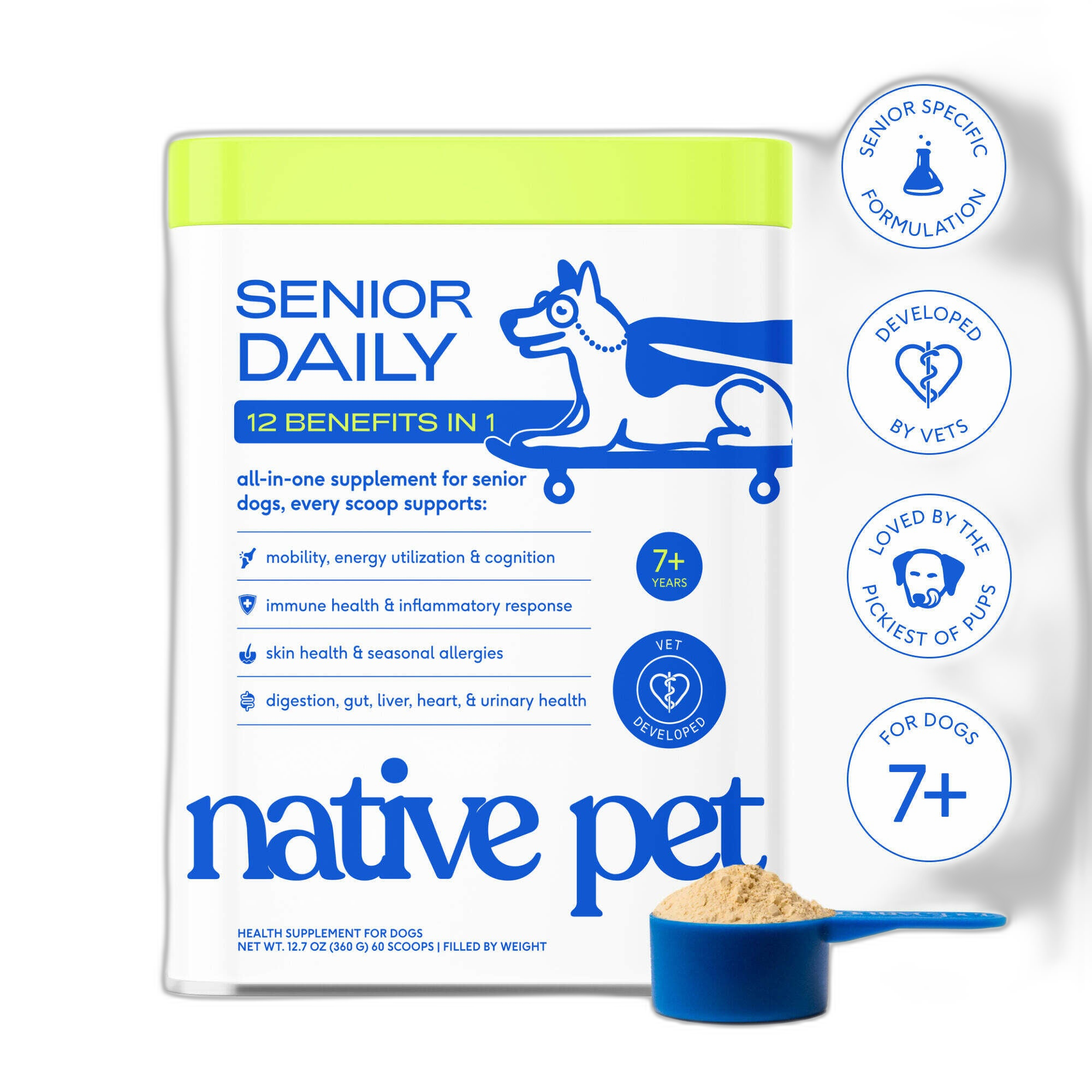
Native Pet Senior Daily Powder 12-in-1 Supplement for Senior Dogs
Native Pet
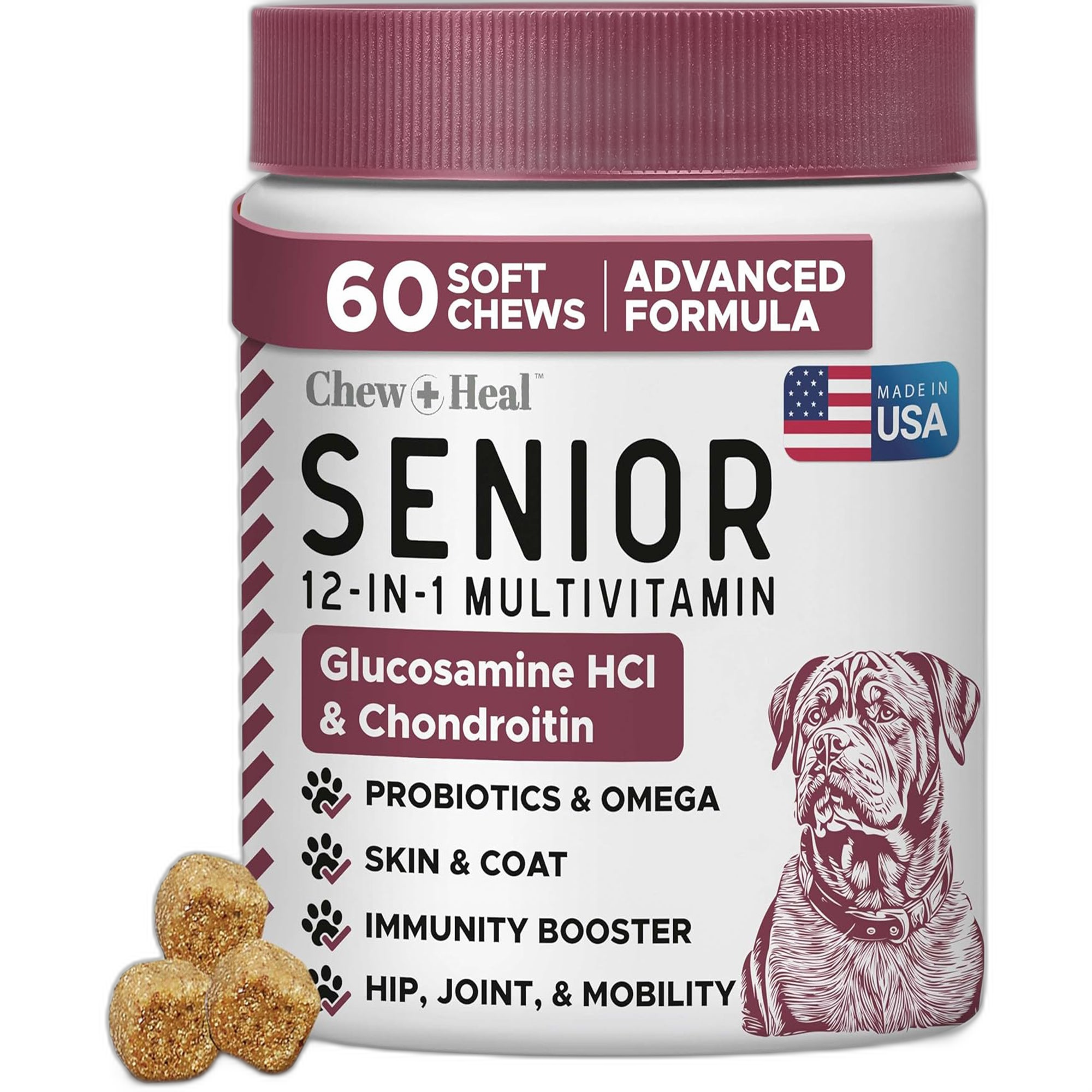
Chew + Heal Senior 12-In-1 Advanced Multivitamin Soft Chews Supplement for Senior Dogs
Chew + Heal
Natural Target Dog & Cat Multivitamin Complete Supplement
Natural Target

Zesty Paws Multifunctional 8-in-1 Bites for Dogs
Zesty Paws
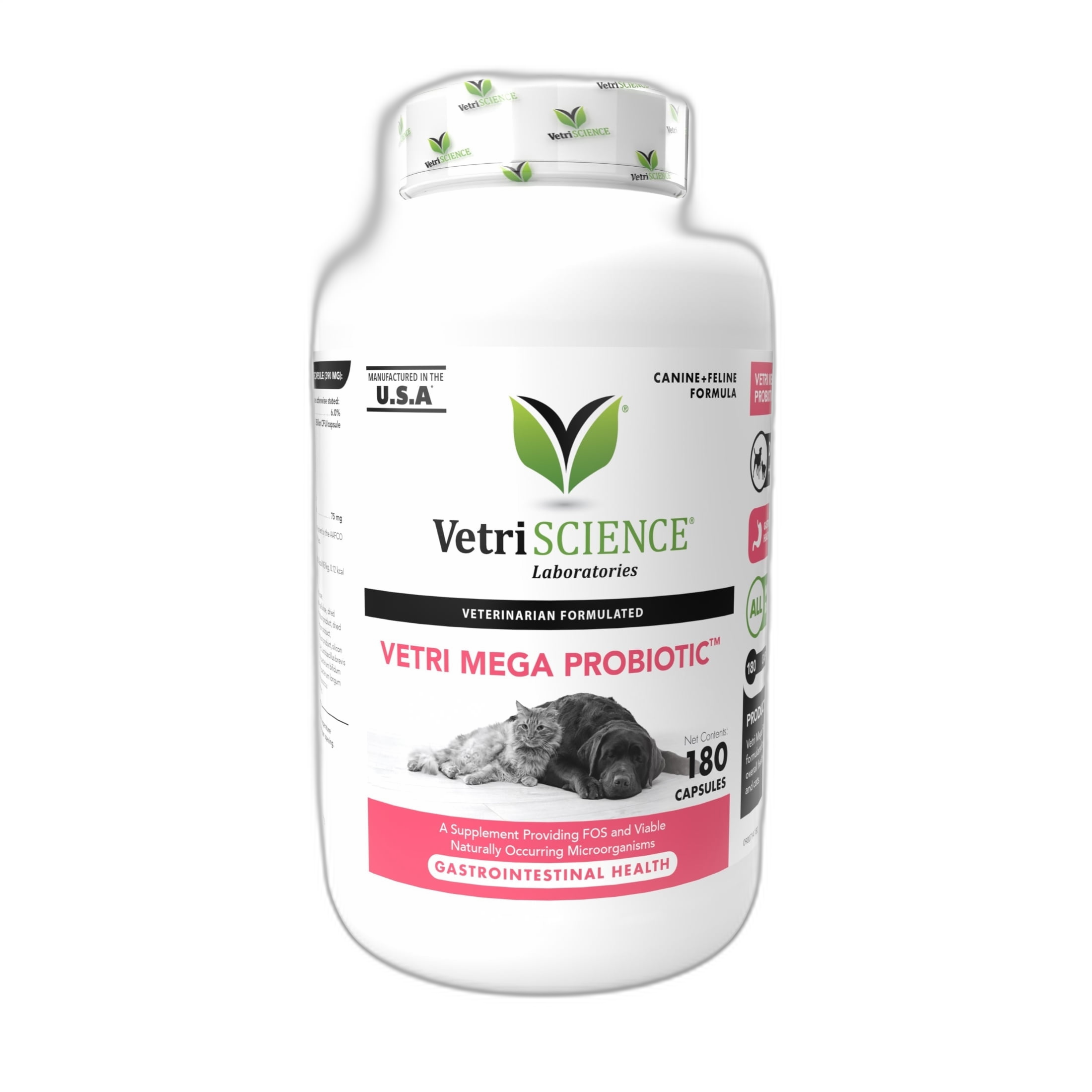
Bernie's Perfect Poop Digestion Support for Dogs
Bernie's Best
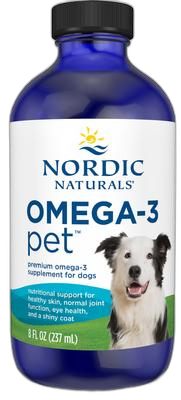
Wholistic Pet Organics Digest-All Plus Enzyme and Probiotic Supplement
Wholistic Pet Organics
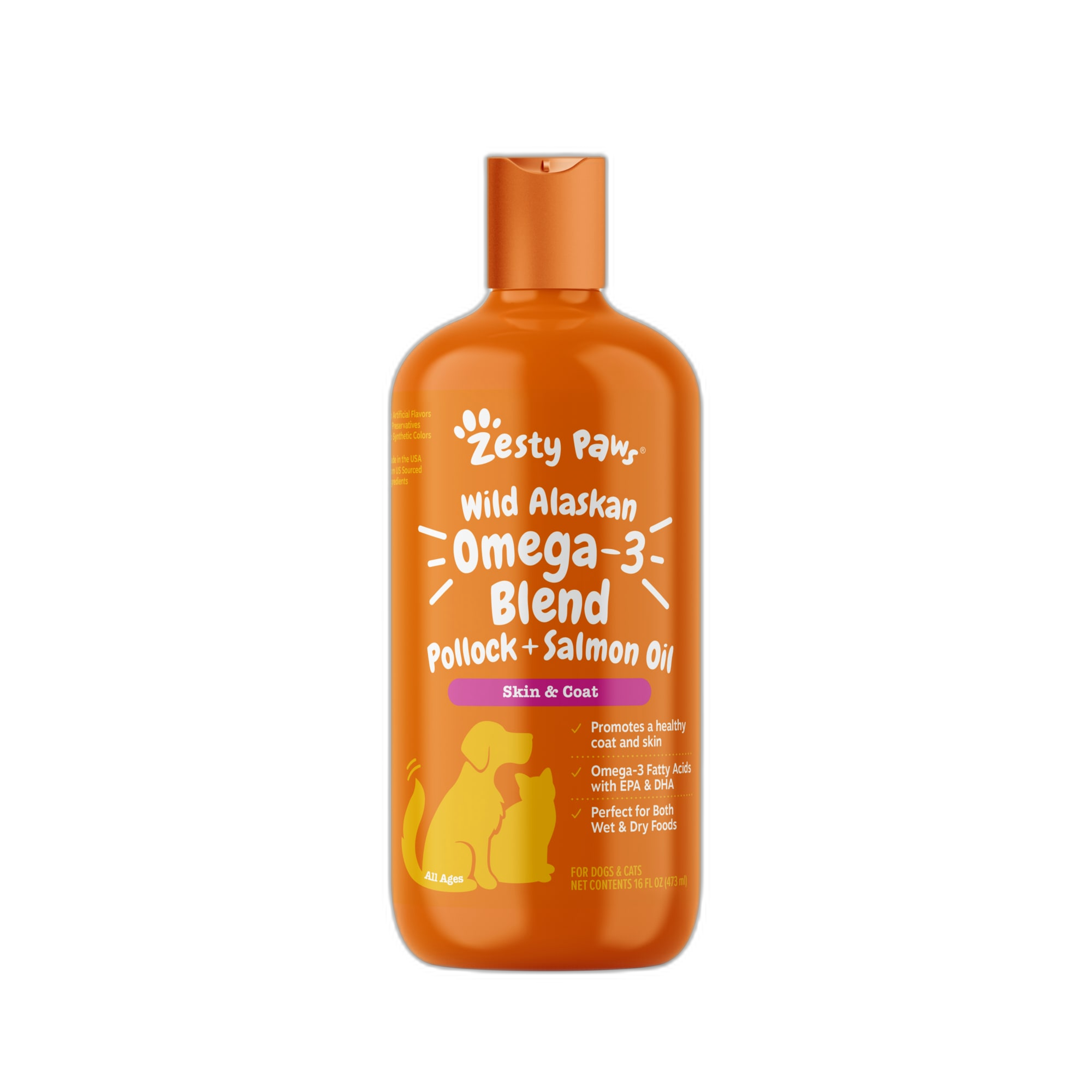
Pet Honesty Allergy Support Chews for Dogs
Pet Honesty
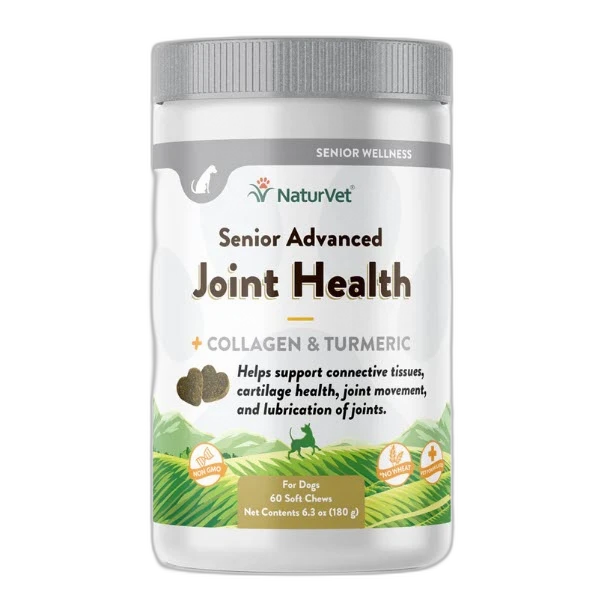
Wholistic Pet Organics Canine Complete Multivitamin
Wholistic Pet Organics