Selenium (as Sodium Selenite)
mineral
What Is Selenium (as Sodium Selenite)?
Selenium is an essential trace mineral vital for numerous physiological processes in animals, including dogs and cats. Sodium selenite is a common inorganic form of selenium frequently utilized in pet supplements and commercial pet foods due to its bioavailability. Naturally, selenium is found in soil and absorbed by plants, which are then consumed by animals. Rich natural sources include organ meats, seafood, muscle meats, and some grains and vegetables, depending on the selenium content of the soil where they were grown. In pet supplements, sodium selenite is carefully measured and added to ensure pets receive adequate amounts of this crucial nutrient, especially when their diets might be deficient or when specific health conditions warrant supplementation.
Benefits for Pets
The primary benefit of selenium stems from its role as a key component of selenoproteins, particularly glutathione peroxidase, a powerful antioxidant enzyme. This enzyme helps protect cells from damage caused by free radicals and oxidative stress. For pets, these antioxidant properties translate into several health advantages:
- Immune System Support: Selenium is integral to a robust immune response, helping the body defend against pathogens and reducing inflammation.
- Thyroid Function: It plays a critical role in thyroid hormone metabolism, specifically in the conversion of inactive thyroid hormones (T4) to active forms (T3), thereby supporting overall metabolic health.
- Cellular Health: By mitigating oxidative damage, selenium contributes to the integrity and proper functioning of cells throughout the body.
- Reproductive Health: Adequate selenium levels are important for maintaining healthy reproductive function in both male and female pets.
Scientific Evidence
Research into selenium's role in animal health has consistently demonstrated its importance. Numerous studies, including observational studies and controlled feeding trials in various animal species, have highlighted the benefits of selenium supplementation. For instance, studies have shown that selenium deficiency can lead to impaired immune function and increased susceptibility to certain diseases. Clinical trials in animals have investigated its impact on antioxidant status and have often found that appropriate supplementation can significantly increase levels of glutathione peroxidase and other antioxidant enzymes, thereby reducing markers of oxidative stress. The efficacy of sodium selenite as a bioavailable source of selenium has also been well-established in nutritional science.
Dosage Guidelines
The appropriate dosage of selenium for pets is crucial, as both deficiency and toxicity can occur. Typical daily dosages for dogs generally range from 0.005 to 0.01 mg of selenium per kilogram of body weight, with the National Research Council (NRC) providing specific recommendations for different life stages. For example, a medium-sized dog might receive approximately 0.1 to 0.2 mg per day. Cats generally require slightly lower amounts, often around 0.005 mg per kilogram of body weight daily. It is most commonly administered orally as part of a multi-vitamin/mineral supplement or as a standalone ingredient in a chewable tablet, powder, or liquid form. Always adhere to the manufacturer's recommendations or consult a veterinarian for precise dosing tailored to an individual pet's needs.
Safety Considerations
While essential, selenium has a narrow therapeutic window, meaning the difference between a beneficial dose and a toxic dose is relatively small. Potential side effects of excessive selenium intake (selenosis) can include gastrointestinal upset, hair loss, nail abnormalities, and neurological issues. Long-term over-supplementation can be dangerous. Drug interactions are generally uncommon, but it's always prudent to discuss any supplements with a veterinarian, especially if the pet is on other medications or has pre-existing health conditions. Pets with certain liver or kidney conditions might require careful monitoring.
Which Pets Benefit Most
Certain pets may particularly benefit from selenium supplementation. Older pets, who are more susceptible to oxidative stress and age-related decline, often benefit from its antioxidant properties. Pets with compromised immune systems or those recovering from illness may also see advantages. Animals in areas with selenium-deficient soils, whose diets might lack sufficient natural sources, are prime candidates for supplementation. Additionally, pets requiring support for thyroid health or those experiencing conditions linked to oxidative damage could benefit from appropriate selenium intake. Always consult with a veterinary professional to determine if selenium supplementation is suitable for a specific pet.
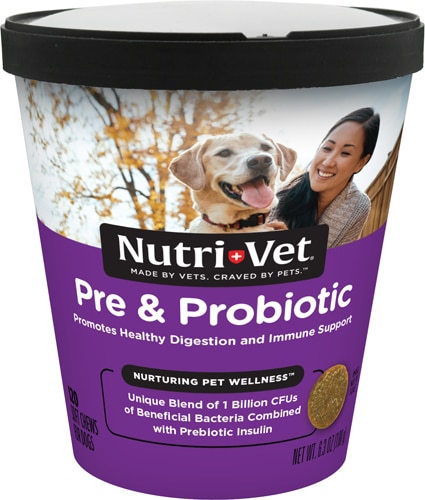
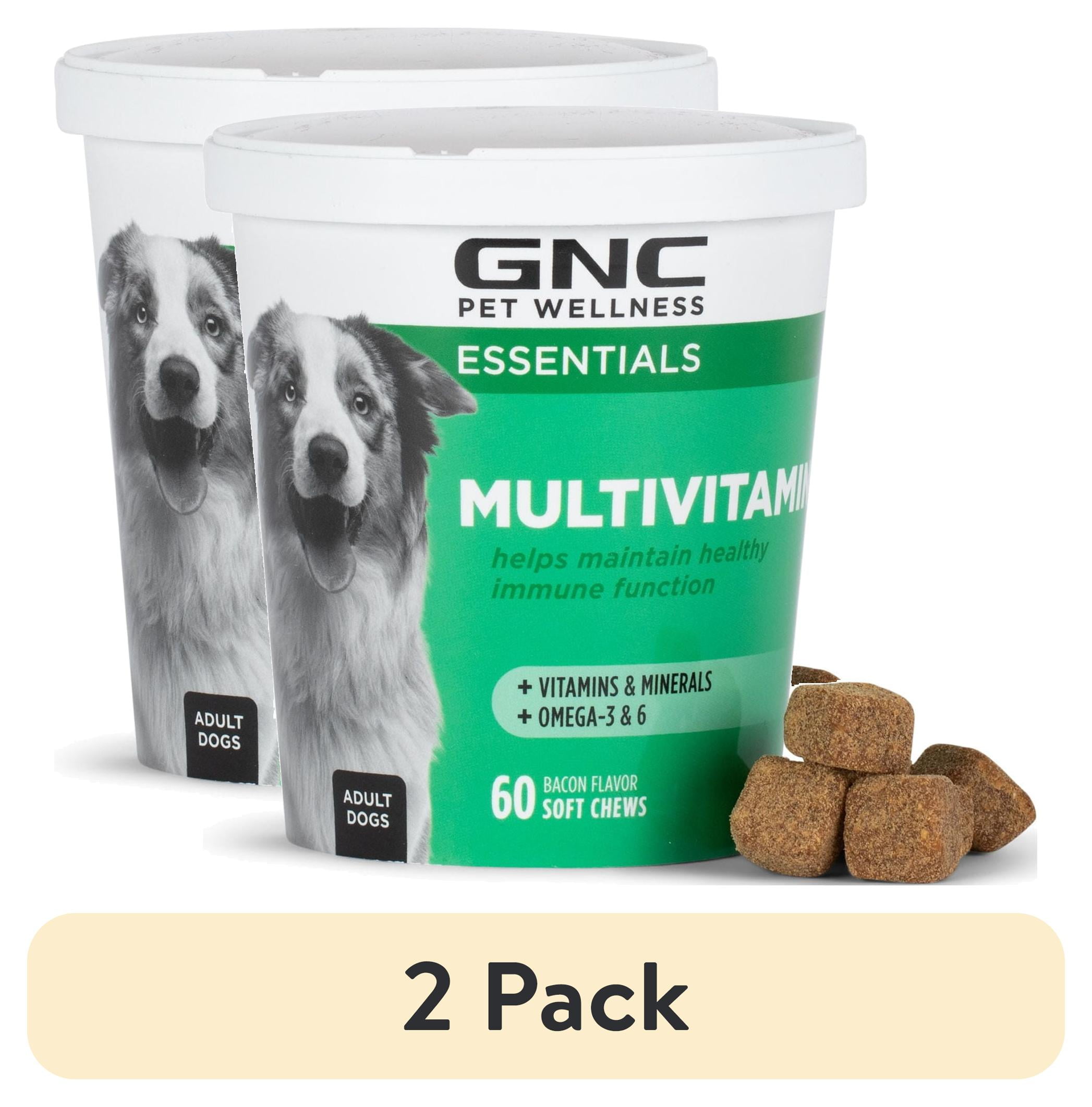
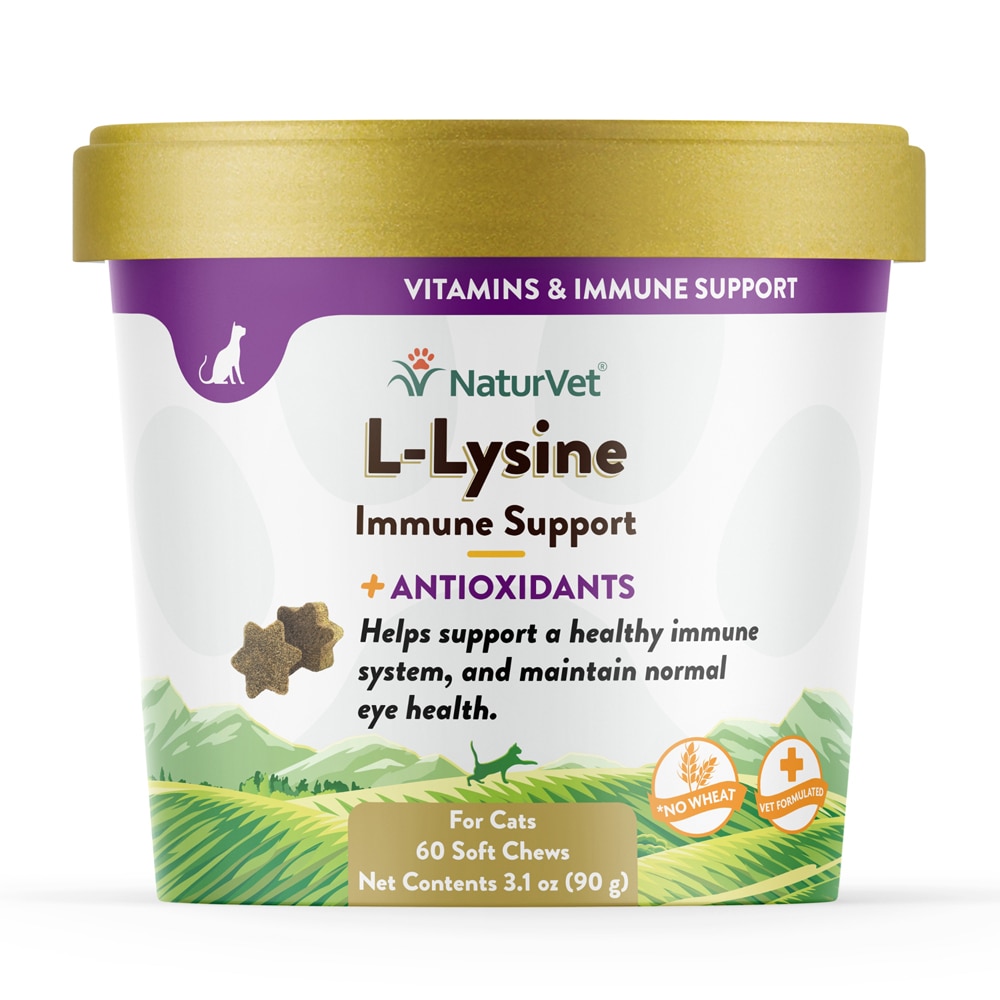
Products Containing Selenium (as Sodium Selenite)
Top-rated supplements featuring this ingredient, ranked by our PSI+ score.