Slippery Elm
general
Slippery Elm: A Soothing Botanical for Your Pet's Wellness
Slippery Elm (Ulmus rubra) is a deciduous tree native to eastern and central North America, well-known for the inner bark that has been used for centuries in traditional herbal medicine. This inner bark is rich in mucilage, a complex mixture of polysaccharides that, when mixed with water, forms a gel-like substance. In the context of pet supplements, Slippery Elm is valued for its soothing and protective properties, particularly for the digestive tract.
How Slippery Elm Works and Benefits Your Pet
The primary mechanism of action for Slippery Elm lies in its mucilage content. When ingested, this mucilage coats and soothes irritated mucous membranes, creating a protective barrier. This demulcent action can be beneficial for various parts of the body, especially the gastrointestinal system.
For pets, Slippery Elm is often included in supplements to:
- Support Digestive Comfort: The soothing mucilage can help calm an upset stomach and irritated bowels, promoting overall digestive comfort.
- Promote Healthy Stool Consistency: By absorbing excess water, it can help firm up loose stools, and conversely, by adding bulk and lubrication, it can aid in cases of constipation.
- Maintain a Healthy Gut Lining: The protective coating formed by Slippery Elm can help shield the delicate lining of the esophagus, stomach, and intestines from irritants.
- Support Respiratory Health: While primarily known for digestive benefits, its demulcent properties can also extend to the respiratory tract, helping to soothe coughs and irritated airways.
Common use cases for Slippery Elm in pet supplements include products designed for digestive support, relief from occasional gastrointestinal upset, and formulas aimed at promoting overall gut health in both dogs and cats.
Choosing a Supplement and Safety Considerations
When selecting a pet supplement containing Slippery Elm, look for products that clearly state the source and purity of the ingredient. Reputable brands will often use human-grade Slippery Elm bark powder. Ensure the supplement provides appropriate dosing instructions for your pet's size and species. It's always advisable to choose supplements from manufacturers with good quality control practices.
Slippery Elm is generally considered safe for pets when used appropriately. However, due to its mucilaginous nature, it can potentially interfere with the absorption of other medications or supplements if given simultaneously. It's recommended to administer Slippery Elm at least one to two hours apart from other medications to avoid this interaction. While rare, some pets may experience mild side effects such as gas or bloating, especially if introduced too quickly or in excessive amounts. As with any supplement, it is crucial to consult with your veterinarian before introducing Slippery Elm to your pet's regimen, especially if your pet has pre-existing health conditions or is on other medications.
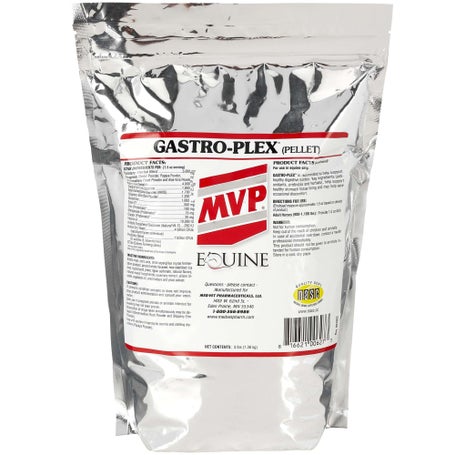
Products Containing Slippery Elm
Top-rated supplements featuring this ingredient, ranked by our PSI+ score.