Whey Protein
general
Whey Protein: A Powerful Ingredient in Pet Supplements
Whey protein, a popular ingredient in human and pet supplements alike, is a high-quality protein derived from milk. It's a natural byproduct of the cheesemaking process. During cheesemaking, milk separates into curds (which become cheese) and liquid whey. This liquid whey is then processed to remove water, lactose, and fat, leaving behind a concentrated protein powder. Natural sources of whey are, therefore, dairy products.
How Whey Protein Benefits Your Pet
Whey protein is considered a "complete protein," meaning it contains all nine essential amino acids that your pet's body cannot produce on its own and must obtain from their diet. These amino acids are the building blocks of protein, crucial for numerous bodily functions. When ingested, whey protein is rapidly digested and absorbed, delivering these vital amino acids quickly to the bloodstream. This rapid delivery is particularly beneficial for muscle repair and growth, as well as supporting overall metabolic processes.
For pets, the benefits of incorporating whey protein into their diet through supplements can be significant. It primarily supports muscle maintenance and development, making it beneficial for active dogs, senior pets experiencing muscle loss (sarcopenia), or pets recovering from injury or surgery. It can also help promote a healthy immune system, as amino acids are essential for producing antibodies and other immune cells. Furthermore, whey protein can contribute to healthy skin and coat by providing the necessary building blocks for keratin and collagen. In some cases, it can also support healthy weight management by promoting satiety and helping to preserve lean muscle mass.
Choosing and Using Whey Protein Supplements for Pets
Whey protein is commonly found in pet supplements designed for muscle support, recovery, senior pet health, and sometimes even weight management. When selecting a pet supplement containing whey protein, look for products that clearly state "whey protein isolate" or "whey protein concentrate" as an ingredient. Whey protein isolate typically has a higher protein content and lower lactose levels, which can be beneficial for pets with mild dairy sensitivities. Always choose reputable brands that perform third-party testing to ensure purity and quality.
While generally safe for most pets, it's always wise to consult with your veterinarian before introducing any new supplement, including those containing whey protein. They can help determine the appropriate dosage for your pet's specific needs and health status. Pets with severe dairy allergies or lactose intolerance might experience digestive upset, although the processing of whey protein often removes much of the lactose. Your vet can advise on potential interactions with other medications or existing health conditions. Always follow the manufacturer's recommended serving size unless otherwise directed by your veterinarian.
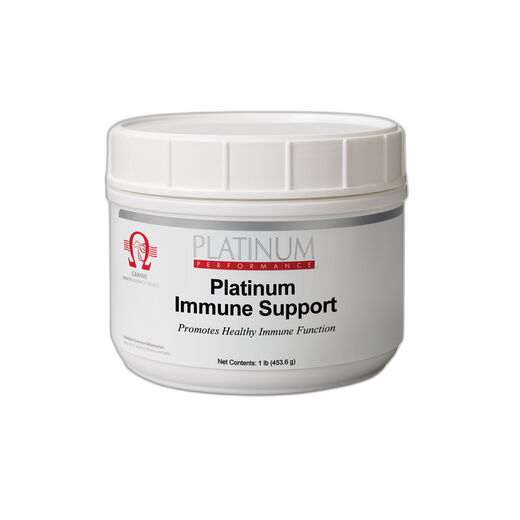
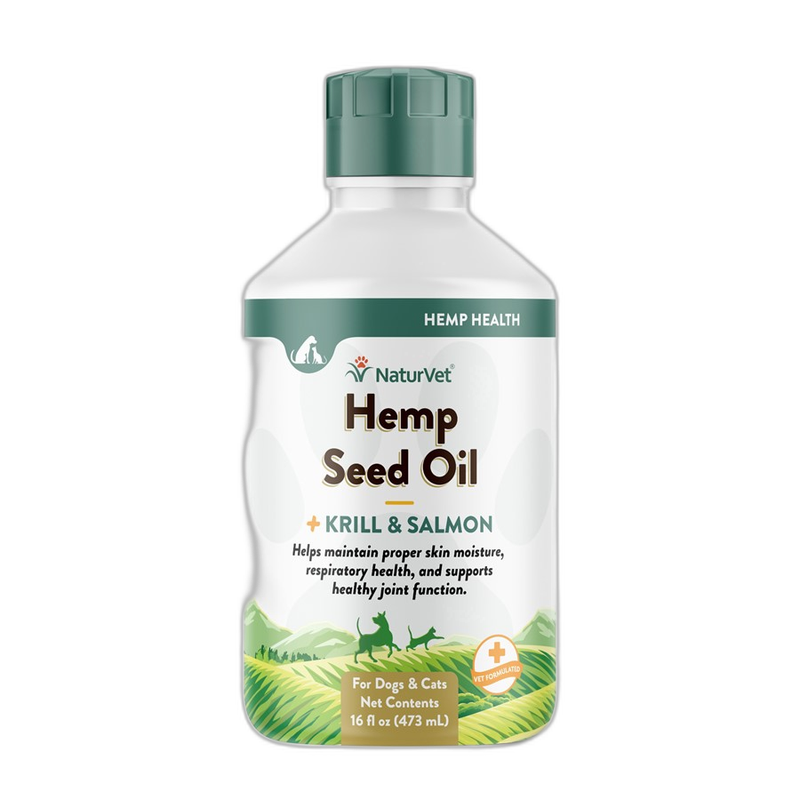
Products Containing Whey Protein
Top-rated supplements featuring this ingredient, ranked by our PSI+ score.