Yucca Extract
general
Yucca Extract: A Natural Ingredient for Pet Wellness
Yucca extract, derived from the Yucca schidigera plant, is a common ingredient found in various pet supplements. This desert plant, native to the southwestern United States and Mexico, has a long history of traditional use and is now recognized for its potential benefits in supporting pet health.
How Yucca Extract Works and Its Benefits for Pets
Yucca extract contains natural compounds called saponins and polyphenols. Saponins are believed to work by binding to ammonia and other nitrogen-containing compounds in the gut. This action can help reduce the production of strong-smelling byproducts that contribute to stool and urine odor, making it a popular choice for pet owners looking to manage household odors. Beyond odor control, the anti-inflammatory properties of yucca's polyphenols are also of interest. These compounds may help support joint comfort and mobility, particularly in older pets or those experiencing occasional stiffness. For dogs and cats, this can translate to improved comfort and a better quality of life.
Common use cases for yucca extract in pet supplements include products aimed at:
- Odor Control: Reducing the smell of urine and feces, especially beneficial for indoor pets or multi-pet households.
- Joint Support: Helping to maintain healthy joint function and flexibility, and supporting comfort in pets with age-related joint concerns.
- Digestive Health: Some formulations may include yucca to support overall digestive wellness, though this is often in conjunction with other digestive aids.
Choosing a Yucca Supplement and Safety Considerations
When selecting a pet supplement containing yucca extract, look for products from reputable manufacturers that provide clear ingredient lists and dosage recommendations. Opt for supplements that specify the source of the yucca (e.g., Yucca schidigera) and ideally, the concentration of active compounds if available. It's always best to choose products that have undergone third-party testing for purity and potency.
Yucca extract is generally considered safe for most dogs and cats when given at appropriate dosages. However, as with any supplement, potential side effects can occur, though they are rare. These might include mild gastrointestinal upset such as diarrhea or vomiting, especially if given in excessive amounts. It's crucial to follow the dosage instructions provided on the product label or by your veterinarian. If your pet is on any medications or has pre-existing health conditions, it is always recommended to consult with your veterinarian before introducing any new supplement, including those containing yucca extract, to ensure there are no potential interactions or contraindications.
Products Containing Yucca Extract
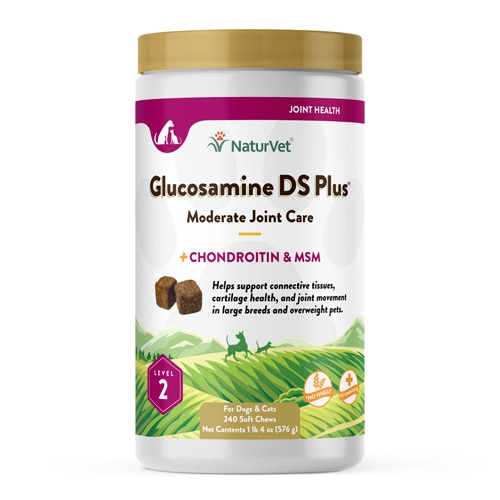
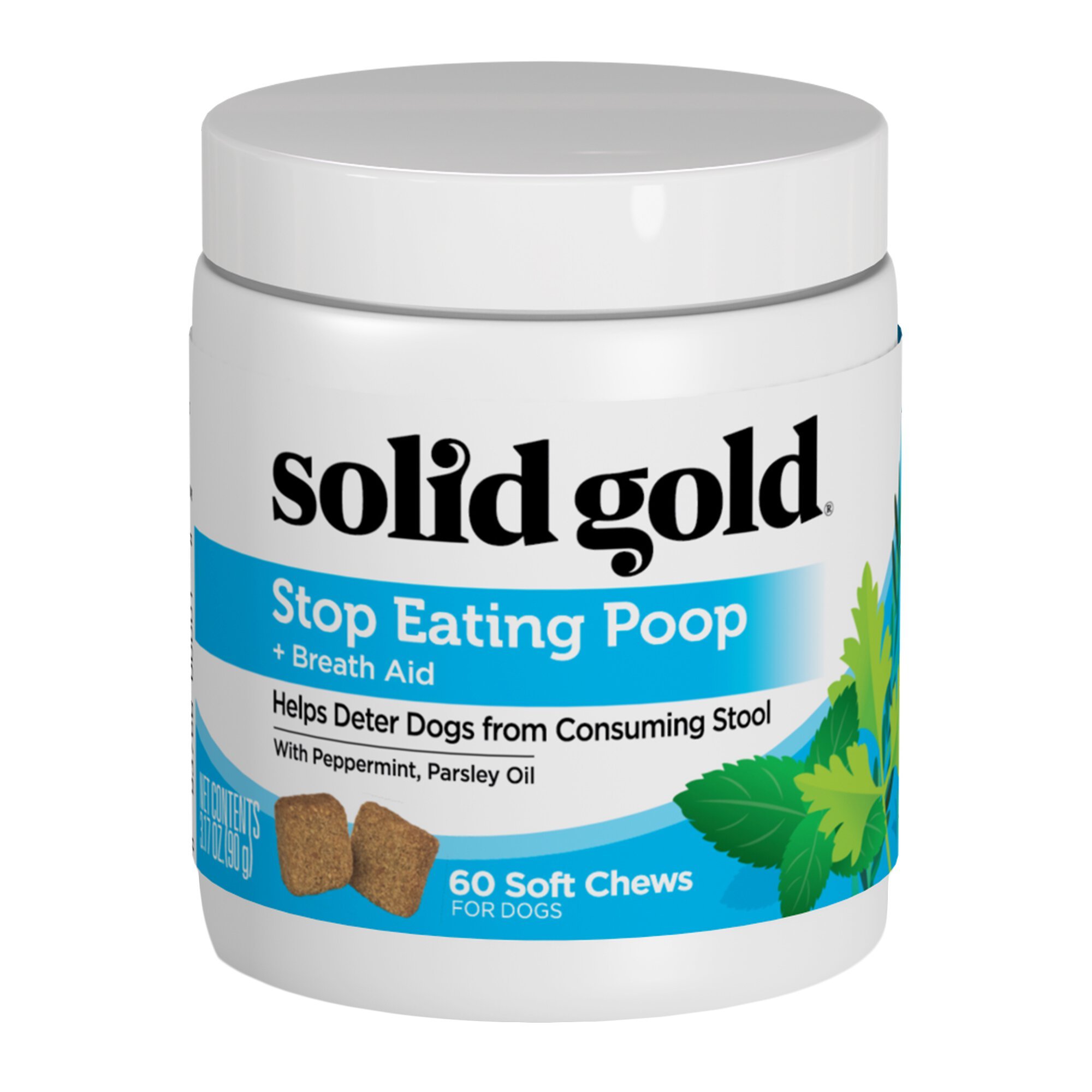
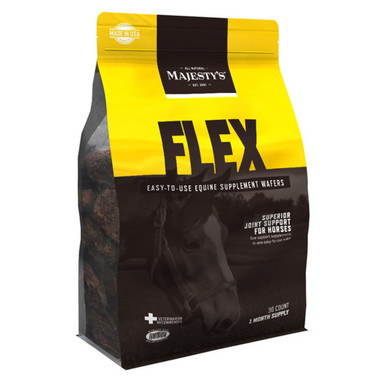
Top-rated supplements featuring this ingredient, ranked by our PSI+ score.