CBDA (Cannabidiolic Acid)
cannabinoid
Cannabidiolic acid (CBDA) is a compound found in raw cannabis and hemp plants. It's the acidic precursor to cannabidiol (CBD), meaning that when heated, CBDA converts into CBD. For pets, particularly dogs, CBDA is gaining attention as a potential supplement, often discussed alongside or in contrast to CBD. This guide explores the current understanding of CBDA for dogs, its proposed benefits, considerations for use, and how it compares to other cannabinoids.
Understanding CBDA for Dogs
CBDA is one of many cannabinoids produced by the cannabis plant. Unlike THC, it is non-intoxicating, meaning it won't cause a "high." In its raw form, the cannabis plant produces a range of cannabinoid acids, including CBDA, THCA, CBGA, and others. These acidic forms are often more abundant in fresh, unheated plant material.
The primary mechanism through which CBDA is thought to exert its effects is by interacting with the endocannabinoid system (ECS), a complex network of receptors and signaling molecules present in all mammals. The ECS plays a role in regulating a wide array of physiological processes, including mood, pain sensation, appetite, and immune response. While CBD primarily interacts indirectly with CB1 and CB2 receptors of the ECS, research suggests CBDA may have a more direct interaction with certain serotonin receptors, potentially influencing mood and nausea pathways. It also appears to inhibit the COX-2 enzyme, similar to how some non-steroidal anti-inflammatory drugs (NSAIDs) work, which could contribute to its anti-inflammatory properties.
For dogs, the practical implications of CBDA's distinct mechanisms are still being explored. Early research and anecdotal reports suggest it might offer benefits for issues like discomfort, inflammation, and anxiety. Because it is the raw form of CBD, some argue that CBDA might offer a more natural, less processed approach to cannabinoid supplementation.
The Effect of a Mixed Cannabidiol and CBDA Supplement
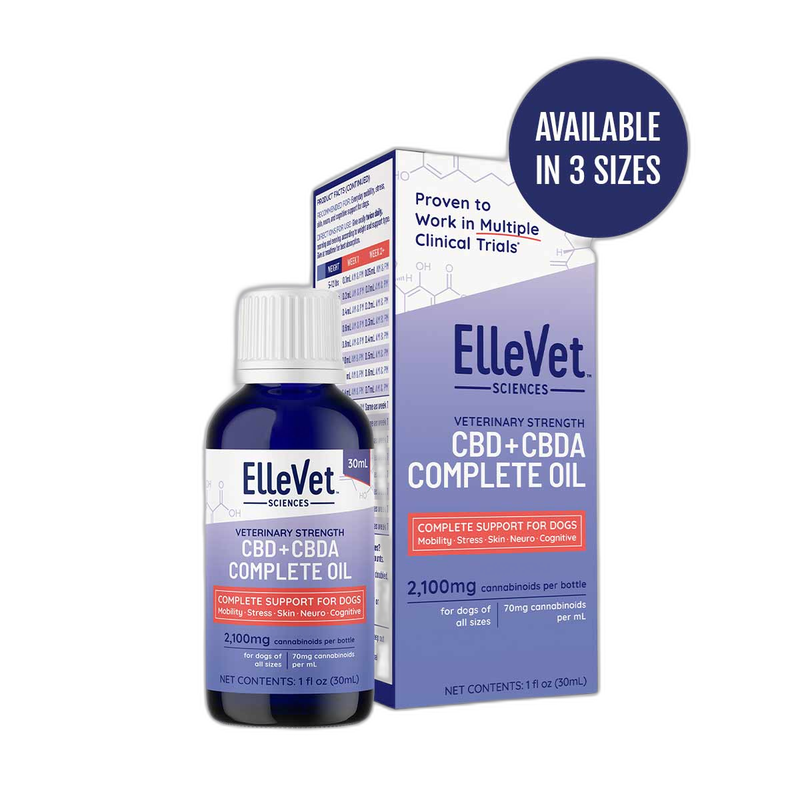
Many pet supplements on the market that contain cannabinoids are often labeled as "full-spectrum" or "broad-spectrum" hemp extracts. These products naturally contain a variety of cannabinoids, including both CBD and CBDA, along with terpenes and other plant compounds. The idea behind using a mixed extract is often referred to as the "entourage effect," where these various compounds are believed to work synergistically, potentially enhancing the therapeutic benefits beyond what any single cannabinoid could achieve alone.
For dogs, a mixed CBD and CBDA supplement means they are receiving both the decarboxylated (heated) and raw forms of these compounds. This approach could leverage the distinct benefits of each. For instance, if CBDA is more effective at addressing nausea or specific types of inflammation due to its unique receptor interactions, and CBD is known for its broader calming and anti-inflammatory effects, a combination might offer a more comprehensive therapeutic profile.
Consider a dog experiencing both chronic joint discomfort and occasional car sickness. A mixed CBD/CBDA product might address the joint pain through CBD's general anti-inflammatory action, while CBDA's potential anti-nausea effects could help with car rides. The trade-off, however, is that it can be challenging to isolate which specific compound is responsible for a particular observed effect in a mixed product. This complexity makes precise dosing and understanding individual compound efficacy more difficult for pet owners and veterinarians.
The ABC's of Cannabidiol (CBD) from Hemp
To fully understand CBDA, it's helpful to first grasp the basics of CBD. Cannabidiol (CBD) is perhaps the most well-known non-intoxicating cannabinoid. It's extracted from the hemp plant (a variety of Cannabis sativa with very low THC content) and has gained widespread popularity for its potential therapeutic properties in humans and animals.
CBD is typically obtained through a process called decarboxylation, which involves heating the raw plant material. This heat converts CBDA into CBD. Many commercial CBD oil for dogs products are made from decarboxylated hemp extract.
The primary proposed benefits of CBD for dogs include:
- Pain management: Particularly for chronic pain, such as that associated with arthritis or injury.
- Anxiety reduction: Helping dogs cope with separation anxiety, noise phobias, or generalized stress.
- Anti-inflammatory effects: Reducing inflammation throughout the body.
- Epilepsy management: Some studies and anecdotal evidence suggest CBD may help reduce seizure frequency and severity in dogs.
- Appetite stimulation and nausea reduction: Though CBDA may be particularly effective for nausea, CBD also plays a role.
The distinction between CBD and CBDA is crucial: CBD is the neutral, decarboxylated form, while CBDA is the acidic, raw form. Their chemical structures, while similar, lead to different interactions within the body, which in turn can lead to different therapeutic profiles. When choosing a hemp supplement for pets, understanding whether it's primarily CBD, CBDA, or a blend is important for aligning with specific health goals.
CBDA for Dogs & Cats: Holistic Support with Raw Hemp
The interest in CBDA for dogs and cats stems from a desire for more "natural" or "raw" approaches to pet health. Raw hemp extracts, which are not subjected to high heat during processing, retain higher levels of CBDA. This aligns with a holistic philosophy that values the plant's compounds in their original, unadulterated state.
For pets, the potential advantages of CBDA, especially in its raw form, are thought to include:
- Enhanced bioavailability: Some research suggests CBDA might be more bioavailable than CBD, meaning the body absorbs and utilizes it more efficiently. If this holds true, lower doses of CBDA could potentially achieve similar or even stronger effects than higher doses of CBD for certain conditions.
- Targeted relief for nausea and vomiting: As mentioned, CBDA's interaction with serotonin receptors (specifically 5-HT1A) is being investigated for its potential to reduce nausea and vomiting, possibly making it more effective than CBD for these specific issues. This could be particularly beneficial for pets undergoing chemotherapy or those prone to motion sickness.
- Potent anti-inflammatory properties: CBDA's proposed inhibition of the COX-2 enzyme suggests it could be a powerful anti-inflammatory agent, potentially aiding pets with conditions like inflammatory bowel disease, arthritis, or general inflammatory responses.
When considering a CBDA (cannabidiolic acid) supplement, especially for cats, it's important to look for products specifically formulated for pets. Cats have unique metabolic pathways, particularly regarding glucuronidation, which can affect how they process certain compounds. While both dogs and cats can benefit from cannabinoids, always ensure the product is free from THC (or has negligible amounts, less than 0.3%) and any other ingredients that might be toxic to felines.
CBD + CBDA for Pets: Science and Research
While anecdotal evidence and preliminary studies are promising, the scientific understanding of CBDA for pets, particularly in comparison to CBD, is still evolving. Much of the research has historically focused on CBD, but CBDA is now attracting more attention.
Current research efforts are exploring several key areas:
- Pharmacokinetics: How CBDA is absorbed, distributed, metabolized, and excreted in dogs and cats. Understanding its bioavailability and half-life is crucial for determining effective dosages.
- Specific receptor interactions: Delving deeper into how CBDA interacts with the endocannabinoid system and other physiological pathways, such as serotonin receptors and COX enzymes.
- Comparative efficacy: Studies are beginning to compare the effectiveness of CBDA versus CBD for specific conditions, such as pain, inflammation, anxiety, and nausea in animal models.
One notable area of research involves CBDA's potential as an anti-nausea agent. Studies in animal models have indicated that CBDA may be a more potent antiemetic than CBD, suggesting it could be particularly useful for chemotherapy-induced nausea. For pet owners dealing with pets that struggle with car sickness or have a reduced appetite due to nausea, this research is significant.
Another area of interest is CBDA’s anti-inflammatory potential. Its ability to inhibit COX-2 enzymes could place it in a similar therapeutic category to NSAIDs, but potentially with a different side effect profile. However, direct comparisons and clinical trials in pets are needed to confirm this.
It's important to distinguish between in vitro (test tube) or animal model studies and large-scale clinical trials in companion animals. While promising, much of the for CBDA in pets is still in its early stages. Pet owners should approach new supplements with realistic expectations and consult with their veterinarian.
Physiological Effect and Pharmacokinetic Evaluation of CBDA for Dogs
Understanding the physiological effects and pharmacokinetics of CBDA in dogs is critical for safe and effective supplementation. Pharmacokinetics describes how a substance moves through the body over time.
Absorption: When a dog ingests a CBDA supplement, it must first be absorbed into the bloodstream. The method of administration (e.g., oil dropped directly into the mouth, mixed with food, or in a treat) can influence absorption rates. Generally, oils administered directly under the tongue (sublingually) are absorbed more quickly than those mixed with food, which have to pass through the digestive system.
Distribution: Once absorbed, CBDA is distributed throughout the body via the bloodstream, reaching various tissues and organs where it can interact with the endocannabinoid system and other receptor targets.
Metabolism: The liver plays a primary role in metabolizing cannabinoids. Enzymes in the liver break down CBDA into various metabolites, including some CBD. This means that even if you administer pure CBDA, some of it will likely convert to CBD within the dog's body. The rate and extent of this conversion can vary between individual dogs.
Elimination: CBDA and its metabolites are primarily eliminated from the body through feces and urine. The half-life of CBDA (the time it takes for half of the substance to be eliminated) in dogs is an important factor in determining dosing frequency.
Physiological Effects: As discussed, CBDA's proposed physiological effects in dogs include:
- Anti-inflammatory: Through potential COX-2 enzyme inhibition.
- Anti-emetic: Through interaction with serotonin 5-HT1A receptors, potentially reducing nausea and vomiting.
- Anxiolytic: While less studied than CBD for anxiety, some suggest CBDA may also contribute to calming effects.
A significant aspect of CBDA's physiological effect is its potential for higher potency compared to CBD for certain actions. Some research indicates that CBDA may be effective at lower doses for specific indications due to its unique binding properties. This doesn't necessarily mean it's "better" than CBD universally, but rather that it might be more targeted or efficient for particular issues.
CBDA vs. CBD: A Comparative Glance
| Feature | CBDA (Cannabidiolic Acid) | CBD (Cannabidiol) |
|---|---|---|
| Form | Acidic precursor, found in raw hemp | Neutral, decarboxylated form, results from heating CBDA |
| Primary Interaction | Stronger interaction with serotonin 5-HT1A receptors; COX-2 inhibition | Indirect interaction with CB1/CB2 receptors; broader ECS modulation |
| Key Potential Benefits | Nausea/vomiting, specific anti-inflammatory, potentially higher bioavailability | General pain, anxiety, inflammation, seizures, appetite stimulation |
| Processing | "Raw" or unheated hemp extracts | Heated/decarboxylated hemp extracts |
| Bioavailability | Potentially higher for certain effects | Good, but may require higher doses for some effects |
| Research Status | Emerging, less extensive than CBD | More established, significant ongoing research |
CBDA (Cannabidiolic Acid) Dosage for Dogs
Determining the correct CBDA (cannabidiolic acid) dosage for dogs is complex and should ideally be done in consultation with a veterinarian experienced in cannabinoid therapy. There are no universally established, FDA-approved dosage guidelines for CBDA in pets. However, general principles and recommendations from manufacturers and veterinary experts can provide a starting point.
General Guidelines for Dosage:
Typical Starting Points (Consult your vet):
While specific CBDA dosages are still being refined through research, if using a product that highlights CBDA content, a common starting point for total cannabinoids (CBD+CBDA) for general wellness might be:
- Low Dose: 0.1 – 0.2 mg/kg (0.05 – 0.1 mg/lb) once or twice daily.
- Medium Dose: 0.3 – 0.5 mg/kg (0.15 – 0.25 mg/lb) once or twice daily.
- Higher Dose (for specific conditions): 0.6 – 1.0 mg/kg (0.3 – 0.5 mg/lb) or more, once or twice daily, under veterinary guidance.
Given the potential for CBDA to be more potent for certain effects, some suggest that effective doses of CBDA might be lower than equivalent doses of CBD for those specific effects (e.g., nausea). However, this is still an area of active investigation.
Factors Influencing Dosage:
- Dog's Size and Weight: Larger dogs generally require more.
- Severity of Condition: More severe symptoms might warrant a higher dose.
- Individual Metabolism: Each dog processes compounds differently.
- Product Potency: The concentration of CBDA in the specific product.
- Desired Effect: Doses for anxiety might differ from those for pain or nausea.
Important Considerations:
- Veterinary Consultation: Always discuss CBDA supplementation with your veterinarian, especially if your dog is on other medications or has underlying health conditions.
- Product Quality: Choose products from reputable manufacturers that provide third-party lab testing results (Certificates of Analysis, or COAs). These COAs should verify the CBDA content and confirm the absence of contaminants like pesticides, heavy metals, and residual solvents.
- THC Content: Ensure the product contains less than 0.3% THC to avoid any intoxicating effects, which are undesirable and potentially harmful for pets.
CBDA (Cannabidiolic Acid) Safety for Pets
The safety profile of CBDA for pets is generally considered good, similar to CBD, especially when sourced from high-quality hemp and administered appropriately. However, like any supplement, there are potential side effects and safety considerations.
Potential Side Effects (similar to CBD):
- Drowsiness/Lethargy: This is one of the most commonly reported side effects, especially at higher doses.
- Dry Mouth: While difficult to observe directly in dogs, this can manifest as increased thirst.
- Lowered Blood Pressure: Can cause lightheadedness or dizziness, though rarely seen in pets at typical doses.
- Diarrhea or Upset Stomach: More common with carrier oils (like MCT oil) or very high doses.
- Changes in Appetite: Some dogs may experience a slight increase or decrease in appetite.
These side effects are typically mild and often resolve by reducing the dose or discontinuing use.
Safety Considerations:
- Drug Interactions: CBDA, like CBD, can interact with certain medications. Cannabinoids are metabolized by cytochrome P450 enzymes in the liver. If your dog is on medications that are also metabolized by these enzymes (e.g., some anti-seizure medications, steroids, NSAIDs), CBDA could potentially alter their metabolism, leading to higher or lower levels of the medication in the bloodstream. Always inform your vet about any supplements your pet is taking.
- Liver Function: While generally safe, some studies in humans and animals have shown elevated liver enzymes with very high doses of CBD. Regular monitoring of liver enzymes may be prudent for pets on long-term, high-dose cannabinoid therapy.
- Quality Control: The biggest safety concern often lies with the quality of the supplement. Products contaminated with pesticides, heavy metals, or mold can be harmful. Products with inaccurately labeled cannabinoid content (e.g., higher THC than stated) can also pose risks. Always insist on third-party lab testing.
- Lack of Regulation: The pet cannabinoid market is not heavily regulated in many regions, making it crucial for pet owners to do their due diligence in selecting reputable brands.
- Long-Term Effects: While short-term studies show good tolerance, the long-term effects of CBDA (and CBD) supplementation in pets are still being thoroughly investigated.
In summary, CBDA appears to be a promising and generally safe supplement for pets when used responsibly. The key is informed decision-making, careful product selection, and ongoing communication with your veterinarian.
Conclusion
CBDA (cannabidiolic acid) is emerging as a promising compound in pet health, with a distinct profile of potential benefits compared to CBD. As the raw, acidic precursor to CBD, CBDA is being investigated for its unique interactions, particularly with serotonin receptors, which may offer specific efficacy against issues such as nausea and certain inflammatory responses. While research is still in its early stages, initial findings and anecdotal reports suggest its potential for holistic support, especially when included in a mixed cannabinoid formulation.
For pet owners considering CBDA for their dogs or cats, the journey begins with understanding the differences between CBDA and CBD, recognizing the importance of quality, and, most critically, consulting with a veterinarian. Dosing guidelines are evolving, emphasizing a "start low, go slow" approach tailored to the individual pet's needs and responses. As the scientific community continues to unravel the complexities of the endocannabinoid system and the myriad compounds within the hemp plant, CBDA may well carve out a significant niche in the landscape of natural pet supplements.
Products Containing CBDA (Cannabidiolic Acid)
Top-rated supplements featuring this ingredient, ranked by our PSI+ score.