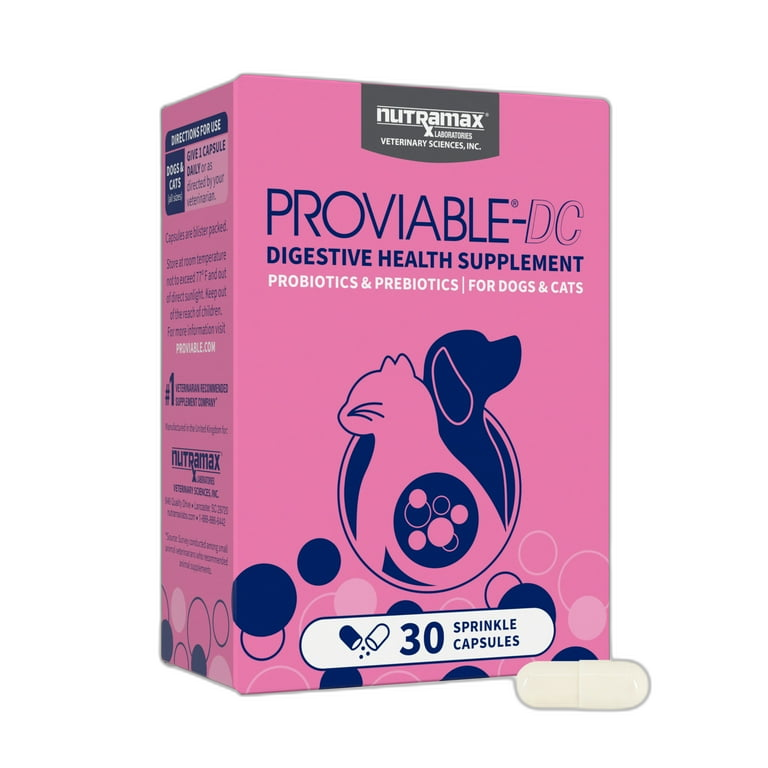
7-Strain Probiotic Blend
probiotic
A 7-strain probiotic blend for dogs is a dietary supplement containing a combination of seven different beneficial bacteria species intended to support canine gut health. These blends typically aim to introduce a diverse range of microorganisms to the digestive tract, which can help maintain a balanced microbiome. The idea behind using multiple strains is to offer broader support for various digestive functions and overall well-being, as different bacterial strains often have distinct roles and benefits within the gut environment.
Understanding 7-in-1 Probiotic + Prebiotic for Dogs: Beyond Just Strains
Many probiotic supplements for dogs, including those with a 7-strain blend, often incorporate prebiotics. This "7-in-1" or similar labeling frequently indicates the presence of these additional components alongside the probiotic strains. Prebiotics are non-digestible fibers that act as food for the beneficial bacteria (probiotics) already present in the gut or introduced through supplementation. Think of it this way: the probiotics are the workers, and the prebiotics are the fuel that helps them do their job effectively.
The practical implication of a "7-in-1 Probiotic + Prebiotic" blend is that it aims for a more comprehensive approach to gut health. Without prebiotics, the introduced probiotic strains might struggle to establish themselves and thrive in the gut. With them, they have a better chance of survival and activity. For example, if a dog is recovering from a course of antibiotics, which can deplete beneficial gut flora, a blend with both probiotics and prebiotics could help re-establish a healthy bacterial balance more efficiently. The prebiotics provide the necessary sustenance for the new bacteria to multiply and colonize.
However, not all prebiotics are created equal, and the specific type and amount can influence effectiveness. Common prebiotics found in dog supplements include Fructooligosaccharides (FOS) and Inulin. While generally beneficial, excessive amounts of prebiotics can sometimes lead to gas or loose stools in sensitive dogs. Therefore, starting with a lower dose and observing your dog's reaction is a reasonable approach.
Natural Dog Probiotics Blend Soft Chews: Convenience and Palatability
Soft chews are a popular format for administering a 7-strain probiotic blend for dogs due to their convenience and palatability. For many dog owners, getting a dog to consume a pill or a powder mixed into food can be a daily struggle. Soft chews, often flavored to appeal to dogs, can make supplementation a much smoother process, turning it into a treat rather than a chore.
The primary benefit of soft chews lies in their ease of use. They eliminate the need for measuring powders or hiding pills, which can be particularly helpful for picky eaters or dogs that are wary of medication. This can lead to better compliance and more consistent administration, which is crucial for probiotics to have a sustained effect. Imagine a dog that usually turns its nose up at anything unusual in its food; a flavored soft chew might be the only way to ensure it receives its daily probiotic dose.
However, there are trade-offs. Soft chews often contain additional ingredients beyond the probiotics and prebiotics, such as binders, flavorings, and preservatives, to maintain their texture and shelf life. While reputable brands strive to use safe ingredients, some dogs might have sensitivities or allergies to these extra components. It's important to review the full ingredient list carefully, especially for dogs with known dietary issues. Additionally, the concentration of probiotic strains per chew can vary significantly between products, so always check the guaranteed analysis to ensure your dog is receiving an effective dose. Storage can also be a factor; some soft chews may require refrigeration after opening to maintain probiotic viability.
Probiotic Chews for Dogs | Gut Health for Dogs: Targeted Benefits
When considering probiotic chews for canine gut health, the "7-strain probiotic blend for dogs" often implies a targeted approach to address various digestive concerns. The concept is that a diverse blend of strains can offer a wider spectrum of benefits compared to a single-strain product. Different probiotic strains are known to perform different functions within the gut, such as aiding digestion, supporting immune function, and potentially influencing mood and behavior.
For instance, a blend might include Lactobacillus acidophilus for general digestive support, Bifidobacterium animalis for immune modulation, and Enterococcus faecium for its ability to help restore gut balance after disturbances. If a dog experiences intermittent digestive upset, such as occasional loose stools or gas, a multi-strain probiotic chew could help stabilize their gut environment. For dogs with more chronic issues, a veterinarian might recommend a specific blend after diagnosing the underlying cause.
The efficacy of these chews hinges on several factors beyond just the number of strains. The viability of the bacteria (how many are alive and active), the colony-forming units (CFUs) per serving, and the stability of the product (how well the probiotics survive manufacturing and storage) are all critical. A product might list seven strains, but if the CFUs are low or the bacteria aren't stable, the actual benefit might be minimal. Always look for products that guarantee a specific number of CFUs at the time of expiration, not just at the time of manufacture, as probiotic counts can decrease over time.
Dog Probiotic Supplements & Chews: Digestion Support for Specific Needs
Dog probiotic supplements & chews, particularly those featuring a 7-strain blend, are often marketed for broader digestion support rather than just general gut health. This distinction implies a focus on addressing specific digestive issues that dogs commonly face. These can range from occasional upset stomachs and gas to more persistent problems like diarrhea, constipation, or malabsorption.
For example, a dog experiencing stress-induced diarrhea after a kennel stay or travel might benefit from a probiotic blend that helps calm the digestive tract and restore normal bowel function. Similarly, older dogs, whose digestive systems may become less efficient, could find digestion support from a daily probiotic. The diverse strains in a 7-strain blend are chosen to collectively tackle various aspects of digestion, such as breaking down food components, producing beneficial short-chain fatty acids, and competing with harmful bacteria.
When evaluating these supplements, it's important to consider the quality of the ingredients beyond just the probiotic strains. Some products include digestive enzymes, which further aid in breaking down food, or soothing ingredients like ginger or slippery elm for gastric comfort. The dosage, typically measured in CFUs, is also crucial. A small Chihuahua will likely require a different CFU count than a Great Dane, even for the same digestive issue. Always consult the product's feeding guidelines based on your dog's weight. If your dog has a chronic digestive condition, a veterinary consultation before starting any new supplement is advisable to ensure it's appropriate and won't interact negatively with other treatments.
9 Best Probiotics for Dogs in 2025, Recommended By Vets: Informed Choices
When articles highlight "9 Best Probiotics for Dogs in 2025, Recommended By Vets," it signals a focus on quality, efficacy, and veterinary endorsement, often including options with a 7-strain probiotic blend for dogs. This type of recommendation aims to guide owners toward products that are likely to be beneficial and safe, based on professional opinion and potentially scientific evidence.
Veterinarians typically consider several factors when recommending probiotics:
A veterinarian might recommend a specific 7-strain blend based on a dog's individual health profile, including age, breed, existing conditions, and current medications. For example, a dog with a history of recurrent ear infections might benefit from a blend with strong immune-modulating strains, while a dog recovering from pancreatitis might need a gentler formulation. The recommendations often reflect a balance between broad-spectrum support and targeted benefits.
Zesty Paws Dog Ancient Elements Probiotic Bites Gut: A Brand Example
Zesty Paws Dog Ancient Elements Probiotic Bites Gut, often featuring a multi-strain blend, serves as a good example of a commercially available 7-strain probiotic blend for dogs. Examining such a product helps illustrate how these blends are formulated and marketed.
Typically, a product like Zesty Paws Ancient Elements Probiotic Bites would highlight not just the number of probiotic strains (e.g., 7 strains) but also the total CFU count per serving, ensuring consumers understand the potency. They often combine these probiotics with prebiotics (like FOS) and "ancient elements" or other beneficial ingredients such as digestive enzymes, pumpkin, or flaxseed. Pumpkin, for example, is a common ingredient in dog supplements due to its fiber content, which can further aid digestion and stool consistency.
Ingredient Breakdown (Illustrative Example, specific to a hypothetical Zesty Paws 7-strain blend):
| Component | Typical Role/Benefit |
|---|---|
| Probiotic Strains | |
| Lactobacillus acidophilus | Supports digestion, nutrient absorption, and immune response. |
| Lactobacillus plantarum | Helps produce lactic acid, inhibits harmful bacteria, and aids immune function. |
| Lactobacillus brevis | Known for producing beneficial compounds and supporting the gut barrier. |
| Lactobacillus fermentum | Contributes to a balanced gut flora and may have anti-inflammatory effects. |
| Lactococcus lactis | Supports digestive health and nutrient breakdown. |
| Bifidobacterium animalis | Promotes gut immunity, helps regulate bowel movements. |
| Enterococcus faecium | Common in pet probiotics, helps restore gut balance, especially after disturbances. |
| Prebiotic | |
| Fructooligosaccharides (FOS) | Feeds beneficial gut bacteria, promoting their growth and activity. |
| Additional Support | |
| Pumpkin Powder | Source of fiber, aids digestion, helps regulate stool consistency. |
| Flaxseed Meal | Source of omega-3 fatty acids and fiber, supports gut lining integrity and overall health. |
| Digestive Enzymes | Aids in breaking down proteins, fats, and carbohydrates for better nutrient absorption. |
The decision to choose a product like this often comes down to a combination of factors: the dog's specific needs, palatability (since it's a chew), the reputation of the brand, and the overall ingredient profile. For instance, a dog with sensitive digestion might benefit from the added pumpkin, while one needing general microbiome support would benefit from the diverse probiotic strains. As always, consulting with a veterinarian is recommended to determine the best probiotic supplement for an individual pet.
Dosage and Safety Considerations for 7-Strain Probiotic Blends
Determining the correct dosage for a 7-strain probiotic blend for dogs is crucial for efficacy and safety. Unlike medications with precise, weight-based prescriptions, probiotic dosages are typically measured in Colony Forming Units (CFUs) and often provided as a range or based on the dog's weight. It's important to understand that "more is not always better" with probiotics, but an insufficient dose may yield no benefits.
General Dosage Guidelines (Always refer to product-specific instructions):
| Dog Weight Category | Typical CFU Range (per day) | Common Product Formats |
|---|---|---|
| Small (up to 20 lbs) | 1-5 Billion CFUs | 1/2 chew, 1/2 scoop powder, 1 small capsule |
| Medium (21-50 lbs) | 5-10 Billion CFUs | 1 chew, 1 scoop powder, 1 standard capsule |
| Large (51-100 lbs) | 10-20 Billion CFUs | 2 chews, 1-2 scoops powder, 1-2 standard capsules |
| Giant (over 100 lbs) | 20-30+ Billion CFUs | 2-3 chews, 2-3 scoops powder, 2-3 standard capsules |
Key Safety Considerations:
- Start Slow: When introducing any new supplement, especially a probiotic, it's often advisable to start with a lower dose than recommended for the first few days and gradually increase to the full dose. This allows your dog's digestive system to adjust and helps identify any potential sensitivities.
- Monitor for Side Effects: While generally safe, some dogs might experience mild digestive upset (gas, bloating, loose stools) when first starting probiotics. These symptoms are usually temporary and resolve as the gut adjusts. If symptoms persist or worsen, discontinue use and consult your veterinarian.
- Storage: Probiotics contain live organisms. Improper storage (e.g., exposure to heat, moisture, or light) can significantly reduce their viability. Always follow the manufacturer's storage instructions, which may include refrigeration.
- Quality of Product: Choose reputable brands that provide transparency about their ingredients, CFU counts (guaranteed at expiration), and ideally, third-party testing. Avoid products with excessive fillers, artificial colors, or flavors if your dog has sensitivities.
- Interactions: If your dog is on medication, especially antibiotics, or has a compromised immune system, consult your veterinarian before starting a probiotic. Antibiotics can kill beneficial bacteria, so probiotics are often recommended to be given a few hours apart from antibiotic doses. In rare cases, probiotics could pose a risk to severely immunocompromised animals.
- Underlying Conditions: Probiotics are supplements, not cures. If your dog has persistent or severe digestive issues, it's crucial to seek veterinary diagnosis and treatment for any underlying medical conditions. Probiotics can be a supportive therapy but should not replace professional medical care.
By adhering to recommended dosages and being mindful of these safety considerations, pet owners can maximize the potential benefits of a 7-strain probiotic blend while minimizing risks.
FAQ
Which probiotic strain is most effective for dogs?
There isn't one single "most effective" probiotic strain for all dogs, as efficacy depends on the specific health concern. Different strains offer different benefits. For general digestive health and immune support, strains like Lactobacillus acidophilus, Bifidobacterium animalis, and Enterococcus faecium are commonly cited and well-researched for canine use. A 7-strain blend aims to provide a broader spectrum of benefits by combining several of these beneficial bacteria. The effectiveness also depends on the viability and dosage (CFUs) of the strain in the product.
Can probiotics help with estrogen?
The relationship between probiotics and estrogen is complex and primarily studied in humans. There is emerging research suggesting a link between the gut microbiome and the "estrobolome" – a collection of gut bacteria that metabolize estrogen. An imbalance in the gut microbiome could potentially affect estrogen levels, but this area of research is still developing, particularly concerning pets. There is currently no direct evidence to suggest that probiotic supplements for dogs are a recommended or effective treatment for estrogen-related issues in canines. For any hormonal concerns in your pet, consult a veterinarian.
Is probiotic blend good for dogs?
Yes, a probiotic blend can be beneficial for many dogs. A blend, especially one with multiple strains like a 7-strain probiotic blend for dogs, offers a diverse range of beneficial bacteria that can support various aspects of gut health. These benefits can include improved digestion, better nutrient absorption, stronger immune function, and help with issues like loose stools, constipation, or gas. They can also be particularly useful during periods of stress, after antibiotic use, or for dogs with sensitive stomachs. However, the quality of the blend, the viability of the strains, and appropriate dosing are key to its effectiveness.
Conclusion
A 7-strain probiotic blend for dogs represents a comprehensive approach to supporting canine gut health by introducing a diverse array of beneficial bacteria. These supplements, often combined with prebiotics in formats like soft chews, aim to improve digestion, enhance nutrient absorption, and bolster the immune system. While the convenience and palatability of specific products like Zesty Paws are appealing, the efficacy ultimately relies on the quality of the strains, guaranteed CFU counts, and proper storage. For pet owners seeking to support their dog's digestive well-being, understanding these factors, adhering to recommended dosages, and consulting with a veterinarian are all crucial steps in making an informed choice.
Products Containing 7-Strain Probiotic Blend
Top-rated supplements featuring this ingredient, ranked by our PSI+ score.