EpiCor Dried Yeast Fermentate
immune support
EpiCor dried yeast fermentate is a postbiotic ingredient increasingly recognized in both human and animal health. For dog and cat owners, it's important to understand what EpiCor is, how it works, and the evidence supporting its use in pet supplements. This guide offers an evidence-based overview of EpiCor, specifically examining its potential benefits for canine and feline immune systems and gut health.
Understanding EpiCor® Pets as a Postbiotic Pet Food Ingredient
EpiCor is a branded ingredient, a dried fermentate derived from Saccharomyces cerevisiae, a common baker's and brewer's yeast. The fermentation process transforms the yeast into a complex blend of beneficial compounds, including proteins, peptides, antioxidants, polyphenols, and prebiotics. When this fermented product is dried, it becomes the ingredient known as EpiCor.
In the context of pet food and supplements, EpiCor is classified as a postbiotic. This term refers to "inactivated microorganisms and/or their components that confer a health benefit on the host." Unlike probiotics, which are live microorganisms, postbiotics like EpiCor are non-viable. This distinction is significant for stability and storage, as postbiotics are generally more robust and less susceptible to environmental factors like heat and moisture.
For dog and cat owners considering supplements, understanding EpiCor as a postbiotic means:
- Stability: It can be incorporated into various pet food formats (dry kibble, wet food, treats, powders) without concerns about the viability of live cultures, which can be challenging with probiotics. This contributes to a longer shelf life for products containing EpiCor.
- Safety: Because it's not a live organism, the risk of introducing unwanted microbial activity is eliminated. This is particularly relevant for pets with compromised immune systems where live cultures might be a concern.
- Mechanism of Action: While probiotics work by colonizing the gut and interacting directly with the microbiome, postbiotics deliver their benefits through the compounds produced during fermentation. These compounds can modulate the immune system, support gut barrier function, and influence the balance of gut microbiota indirectly.
The practical implication for pet owners is that an EpiCor-containing supplement offers a different, yet potentially complementary, approach to gut and immune support compared to traditional probiotic products. It's not about adding live bacteria, but about providing the beneficial byproducts of fermentation.
Supporting Immunity & Gut Microbiome with EpiCor® Pets
The primary focus of EpiCor in pet health revolves around its ability to support both the immune system and the gut microbiome. These two systems are intricately linked; a healthy gut often translates to a robust immune response.
The fermentation process that creates EpiCor yields a complex matrix of compounds believed to contribute to these benefits. These include:
- Beta-glucans: These are soluble fibers known for their immune-modulating properties. They can interact with immune cells, potentially enhancing their activity and responsiveness.
- Mannan-oligosaccharides (MOS): These prebiotics can help bind to certain undesirable bacteria in the gut, preventing them from adhering to the intestinal wall and promoting their excretion. They also serve as a food source for beneficial gut bacteria.
- Amino acids and peptides: Building blocks for proteins, essential for various bodily functions, including immune cell production and tissue repair.
- Antioxidants: Compounds that help protect cells from damage caused by free radicals, which can contribute to inflammation and overall cellular stress.
- Vitamins and minerals: Naturally occurring nutrients from the yeast.
The combination of these components is thought to create a , rather than a single compound being responsible for all benefits.
How EpiCor May Function in Pets:
Consider a scenario where a dog experiences occasional digestive upset or seasonal allergies. While not a cure, an EpiCor supplement might help support their immune system to better manage environmental triggers and maintain digestive comfort. For cats, particularly those prone to stress-related digestive issues or upper respiratory challenges, supporting the immune system and gut health could be beneficial.
It's important to note that while the mechanisms are becoming clearer, the exact extent of benefit can vary between individual pets due to factors like age, diet, existing health conditions, and genetic predispositions.
What is EpiCor® Postbiotic?
To delve deeper, EpiCor's classification as a "postbiotic" is key to understanding its unique position in the supplement market. The International Scientific Association for Probiotics and Prebiotics (ISAPP) defines postbiotics as "a preparation of inanimate microorganisms and/or their components that confers a health benefit on the host."
This definition highlights several critical aspects:
Inanimate Microorganisms: Unlike probiotics (live bacteria), postbiotics are not alive. This means the yeast Saccharomyces cerevisiae* is subjected to a specific fermentation process and then dried, rendering it inactive but preserving its beneficial compounds.
- Components Conferring Health Benefit: The health benefits come from the metabolites and cellular components produced during fermentation. These include the previously mentioned beta-glucans, MOS, amino acids, short-chain fatty acids (SCFAs), and various other bioactive compounds.
- Health Benefit on the Host: The ultimate goal is to improve the health of the animal consuming the postbiotic.
The Fermentation Process:
The production of EpiCor involves feeding Saccharomyces cerevisiae a proprietary nutrient broth under specific conditions. During this fermentation, the yeast consumes the nutrients and produces a wide array of metabolites. After fermentation, the entire broth, including the yeast cells and their metabolic byproducts, is dried. This drying process inactivates the yeast but retains the complex mixture of beneficial compounds.
This distinction from other yeast-based products is important:
Vs. Live Yeast (Probiotics): Live yeast like Saccharomyces boulardii* is a probiotic. It colonizes the gut and exerts its effects while alive. EpiCor is not intended to colonize the gut; its benefits come from the compounds it contains. Vs. Brewer's Yeast: While brewer's yeast (also Saccharomyces cerevisiae*) is a common nutritional supplement, it typically refers to the inactive yeast left over from beer brewing. While rich in B vitamins, it doesn't undergo the specific fermentation process designed to maximize the production of immune-modomodulating postbiotic compounds that EpiCor does.
- Vs. Prebiotics: Prebiotics are non-digestible food ingredients that selectively stimulate the growth and/or activity of beneficial bacteria in the colon. While EpiCor contains prebiotic components (like MOS), it's a more complex ingredient that also includes immune-modulating and antioxidant compounds, making it more than just a prebiotic.
In essence, EpiCor is a sophisticated, highly processed yeast product specifically developed to harness the beneficial compounds generated during a controlled fermentation, delivering a broad spectrum of potential health benefits as a postbiotic.
EpiCor Dried Yeast Fermentate for Dogs: Potential Benefits and Considerations
When considering EpiCor dried yeast fermentate for dogs, owners are typically looking for solutions to support their pet's immune health and digestive well-being. The research, while still evolving, points to several potential areas of benefit.
Potential Benefits for Dogs:
- Immune System Support: This is the most frequently cited benefit. EpiCor may help balance the immune response, making it more efficient at dealing with various challenges. This could be relevant for dogs prone to seasonal sniffles, those in high-stress environments (like kennels), or even older dogs with naturally declining immune function.
- Gut Health and Digestion: By supporting the gut barrier and potentially fostering a healthier gut microbiome indirectly, EpiCor may contribute to better digestion, firmer stools, and reduced instances of mild digestive upset.
- Reduced Inflammation: Some of the compounds in EpiCor, particularly antioxidants, may help mitigate oxidative stress and inflammation, which are underlying factors in many chronic conditions.
- Improved Allergy Management: While not a cure, a well-supported immune system and healthy gut can sometimes help dogs better manage environmental or food sensitivities.
EpiCor Dried Yeast Fermentate Dosage in Dogs:
Determining the precise dosage can be challenging as EpiCor is an ingredient, not a standalone drug. The appropriate amount depends on the dog's size, the specific product formulation, and the manufacturer's recommendations.
Generally, studies and product guidelines suggest dosages often fall within the range of 10-20 mg of EpiCor per kilogram of body weight per day. However, this is a guideline, and always defer to the specific product's instructions.
Example Dosage Considerations:
| Dog Weight (approx.) | Example Daily EpiCor Dosage Range |
|---|---|
| Small (5-10 kg) | 50-200 mg |
| Medium (11-25 kg) | 110-500 mg |
| Large (26-45 kg) | 260-900 mg |
| Giant (>45 kg) | 450 mg - 1 gram+ |
Note: These are illustrative ranges. Always consult product labels or a veterinarian.
It's crucial to start with the lower end of the recommended dosage and observe your dog for any changes. Never exceed the manufacturer's suggested dose without veterinary guidance.
EpiCor Dried Yeast Fermentate Safety for Pets:
EpiCor is generally considered safe for dogs and cats. Extensive safety studies have been conducted for human consumption, and pet-specific research also supports its safety profile.
- Side Effects: Side effects are rare and typically mild, often digestive in nature if they occur. These might include temporary gas or loose stools, especially if introduced too quickly or at a high dose. This is common with many dietary changes or supplements that impact the gut.
- Allergies: While rare, an individual dog could potentially have an allergy or sensitivity to yeast products. Owners should monitor for signs of an allergic reaction (itching, hives, swelling, difficulty breathing) and discontinue use if observed.
- Interactions: There are no known significant drug interactions with EpiCor. However, if your dog is on medication or has a serious health condition, always consult your veterinarian before introducing any new supplement.
- Quality Control: Choose reputable brands that source their EpiCor from approved suppliers and conduct third-party testing to ensure purity and potency.
In summary, EpiCor for dogs appears to be a generally safe and potentially beneficial ingredient for immune and gut support when used according to guidelines.
EpiCor Dried Yeast Fermentate for Cats: Immune and Gut Support
Cats, like dogs, can also benefit from immune and gut support, and EpiCor dried yeast fermentate offers a similar spectrum of potential advantages for felines. The feline immune system and digestive tract share many fundamental similarities with canines, making the application of postbiotic benefits broadly relevant.
Potential Benefits for Cats:
- Immune System Enhancement: Cats, particularly those in multi-cat households, boarding situations, or those prone to upper respiratory infections (like feline herpesvirus flare-ups), can benefit from a strengthened immune response. EpiCor may help their immune system be more resilient.
- Stress-Related Digestive Issues: Cats are highly susceptible to stress, which can manifest as digestive upset (e.g., diarrhea, constipation) or impact immune function. By supporting the gut-immune axis, EpiCor might help mitigate some of these stress-induced problems.
- Gut Microbiome Balance: A healthy gut microbiome is crucial for nutrient absorption and overall well-being in cats. EpiCor's prebiotic components can help nourish beneficial gut bacteria.
- Overall Vitality: By supporting fundamental bodily systems, EpiCor can contribute to a cat's general health, energy levels, and coat quality.
EpiCor Dried Yeast Fermentate Dosage in Cats:
As with dogs, feline dosages depend on the cat's weight and the specific product. Given cats' generally smaller size, their dosages will be proportionally lower. Following the recommended 10-20 mg/kg body weight guideline, a typical cat would receive a smaller amount.
Example Dosage Considerations for Cats:
| Cat Weight (approx.) | Example Daily EpiCor Dosage Range |
|---|---|
| Small (2-3 kg) | 20-60 mg |
| Medium (4-5 kg) | 40-100 mg |
| Large (>5 kg) | 50-150 mg+ |
Note: These are illustrative ranges. Always consult product labels or a veterinarian.
It is particularly important for cats to introduce any new supplement gradually due to their often discerning palates and sensitive digestive systems. Mixing the supplement with a small amount of wet food or a palatable treat is often the best approach.
EpiCor Dried Yeast Fermentate Safety for Cats:
EpiCor is considered safe for cats. The same general safety principles apply as for dogs:
- Mild Digestive Upset: Very rarely, some cats might experience temporary mild gas or loose stools, particularly if the supplement is introduced too quickly.
- Yeast Sensitivity: While uncommon, a cat could have a sensitivity to yeast. Owners should watch for signs of allergy, such as itching, skin irritation, or digestive upset beyond mild, temporary issues.
- Veterinary Consultation: Always consult your veterinarian before giving any new supplement to your cat, especially if they have underlying health conditions, are on medication, or are pregnant/nursing.
In summary, EpiCor provides a promising avenue for supporting the immune and gut health of cats, offering a stable and generally well-tolerated option for pet owners seeking to enhance their feline companion's well-being.
Comparing EpiCor with Other Immune & Gut Supplements
The pet supplement market is vast, offering numerous ingredients aimed at immune and gut health. Understanding how EpiCor compares to some common alternatives can help owners make informed decisions.
Probiotics vs. Prebiotics vs. Postbiotics (EpiCor)
| Feature | Probiotics | Prebiotics | Postbiotics (EpiCor) |
|---|---|---|---|
| Definition | Live beneficial microorganisms | Non-digestible food ingredients | Inactivated microorganisms and/or their components |
| Mechanism | Colonize gut, produce beneficial compounds | Nourish beneficial gut bacteria | Deliver beneficial compounds directly, modulate immune |
| Stability | Sensitive to heat, moisture, stomach acid | Generally very stable | Very stable, non-viable |
| Safety | Generally safe, but live cultures can be a concern for immunocompromised pets | Generally safe | Very safe, no live organisms |
| Examples | Lactobacillus, Bifidobacterium species | FOS, MOS, Inulin, Chicory Root | EpiCor |
| Role | Directly repopulate/balance gut flora | Feed existing beneficial gut flora | Modulate immune system, support gut barrier, indirectly influence flora |
EpiCor vs. Other Immune Boosters
Many supplements claim to "boost" the immune system. Here's a comparison with some common types:
- Vitamins & Minerals (e.g., Vitamin C, Zinc): These are essential nutrients vital for immune function. Deficiencies can impair immunity. Supplements provide these basics, but often don't offer the complex immunomodulating effects of EpiCor.
- Herbal Extracts (e.g., Echinacea, Astragalus): Certain herbs have traditional uses for immune support. Their mechanisms vary and can be complex, often involving direct immune cell stimulation or anti-inflammatory effects. Research in pets is often less robust than for EpiCor.
- Mushroom Extracts (e.g., Reishi, Turkey Tail): These contain beta-glucans and other compounds that can modulate immune responses, similar in some ways to EpiCor's beta-glucans. The specific profile of compounds differs.
- Colostrum: Rich in antibodies and growth factors, colostrum supports passive immunity, especially in young animals, and can have anti-inflammatory effects. It offers a different type of immune support than EpiCor.
Why Choose EpiCor?
- Comprehensive Approach: EpiCor combines elements of prebiotics, antioxidants, and immune modulators in one ingredient, offering a multi-faceted approach rather than targeting a single pathway.
- Stability: Its postbiotic nature makes it highly stable, ensuring the active compounds reach the pet's system effectively, regardless of storage or manufacturing conditions.
- Research Backing: EpiCor, as a branded ingredient, has undergone a significant amount of research, including human clinical trials and some animal studies, providing a degree of evidence not always available for generic ingredients.
- Ease of Use: Its stability allows it to be easily incorporated into various supplement forms and even pet foods, making it convenient for owners.
choice of supplement depends on the specific needs of the pet. For a pet requiring a stable, multi-faceted approach to immune and gut health, EpiCor presents a compelling option. For specific deficiencies or targeted issues, other supplements might be more appropriate, and often, a combination of supportive ingredients works best. Always discuss with a veterinarian to tailor a supplement regimen to your pet's individual health profile.
Frequently Asked Questions
What does EpiCor do for dogs?
EpiCor dried yeast fermentate for dogs is primarily used to support immune system health and gut microbiome balance. It's a postbiotic, meaning it contains beneficial compounds produced during yeast fermentation. These compounds can help modulate immune responses, strengthen the gut barrier, and indirectly support the growth of beneficial gut bacteria, leading to better digestion and overall vitality.
Is dried yeast good for dogs?
Not all dried yeast is the same. While some dried yeasts, like nutritional yeast or brewer's yeast, are good sources of B vitamins and other nutrients, EpiCor dried yeast fermentate is specifically processed to produce a complex blend of beneficial postbiotic compounds. This makes EpiCor particularly good for targeted immune and gut health support, distinct from general nutritional yeast. In general, inactive dried yeast is safe and can be beneficial for dogs, but the specific benefits depend on the type and processing.
What is EpiCor yeast fermentate?
EpiCor yeast fermentate is a postbiotic ingredient derived from Saccharomyces cerevisiae (common baker's/brewer's yeast). It undergoes a unique fermentation process that transforms the yeast into a rich blend of beneficial compounds, including proteins, peptides, antioxidants, beta-glucans, and mannan-oligosaccharides. After fermentation, the entire product is dried, rendering the yeast inactive but preserving these health-promoting metabolites. It's used in supplements for its immune-modulating and gut-supporting properties.
Conclusion
EpiCor dried yeast fermentate offers a modern approach to pet health, using postbiotics to support immune function and gut well-being. For dog and cat owners looking to enhance their pets' natural defenses and digestive comfort, EpiCor is a well-researched, stable, and generally safe ingredient. While not a cure-all, evidence suggests it can be a valuable part of a holistic health strategy. As with any supplement, consulting a veterinarian is recommended to ensure it suits your pet's individual needs and existing health conditions.
Products Containing EpiCor Dried Yeast Fermentate
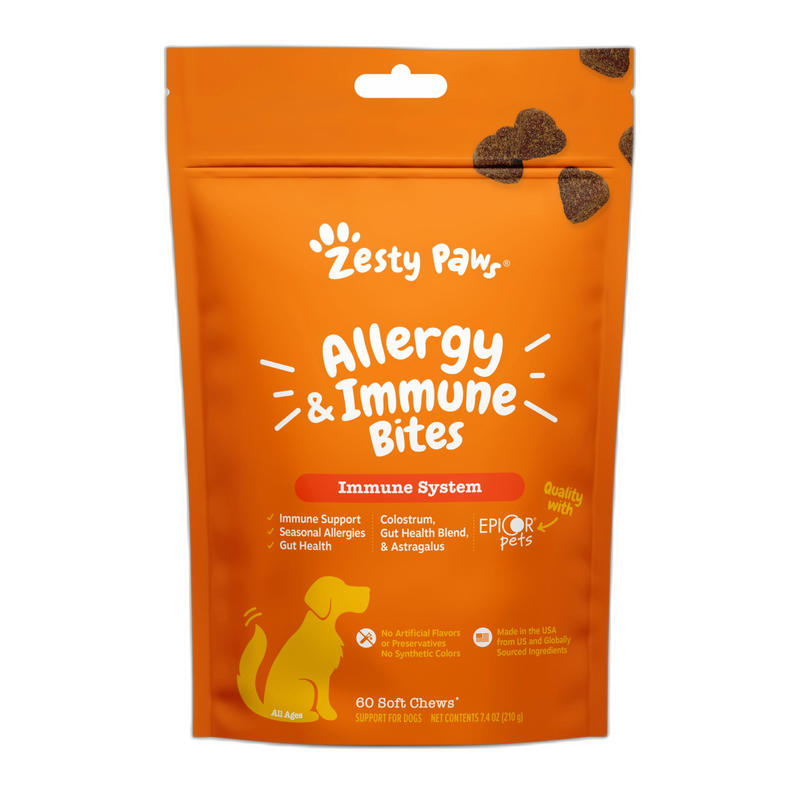
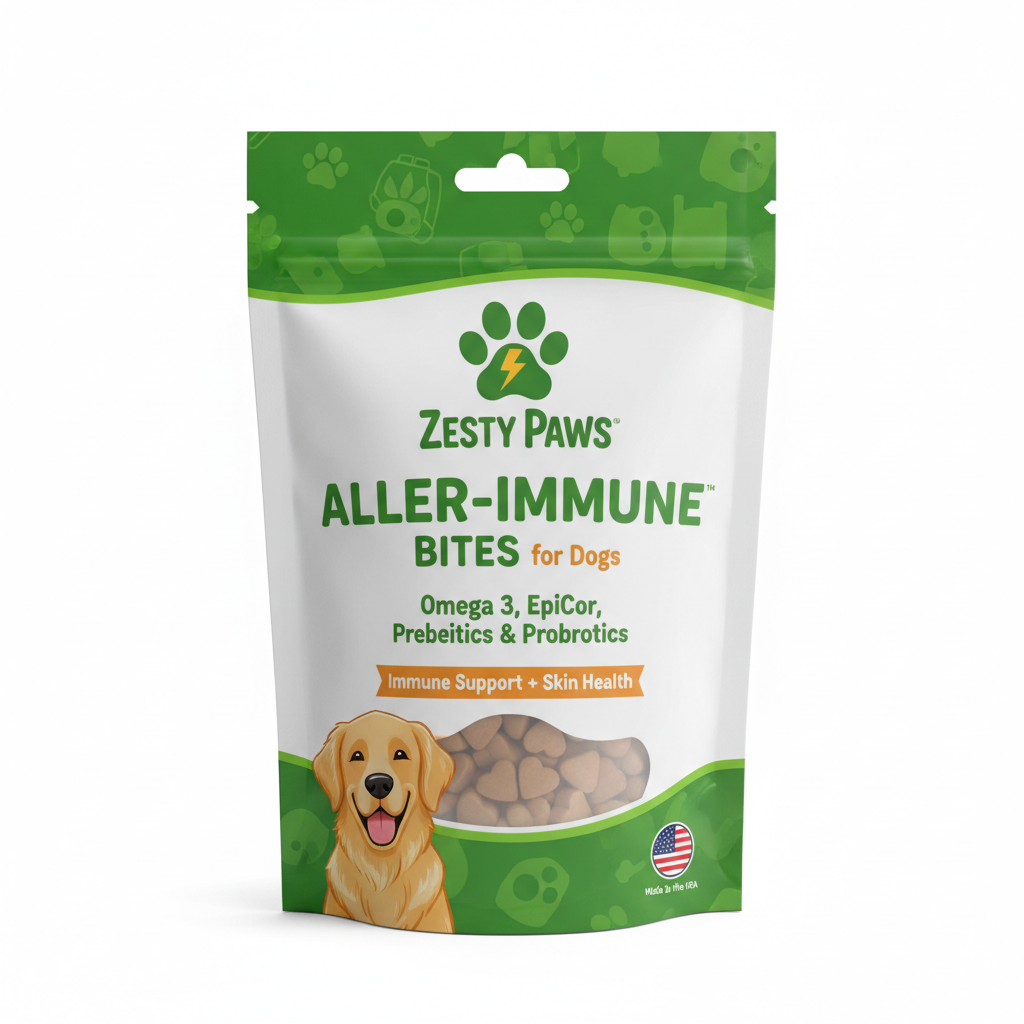
Top-rated supplements featuring this ingredient, ranked by our PSI+ score.