Echinacea
immune support
Echinacea, a group of flowering plants in the daisy family, is a well-known herbal supplement often discussed for its potential immune-boosting properties. For pet owners, the question frequently arises: can this popular herb benefit dogs and other pets? This guide explores the use of echinacea for dogs, examining its purported benefits, safety considerations, appropriate dosing, and overall efficacy as an immune system support.
Understanding Echinacea for Dogs
Echinacea is primarily recognized for its potential to stimulate the immune system. In humans, it's frequently used to ward off or shorten the duration of common colds and other minor infections. The plant contains several active compounds, including alkylamides, caffeic acid derivatives, and polysaccharides, which are believed to contribute to its biological effects.
When considering echinacea for dogs, the underlying principle is similar: to support and potentially enhance the body's natural defenses. Pet owners might consider this supplement for various reasons, such as during periods of stress, seasonal changes, or when a dog's immune system might be compromised. However, it's important to approach its use with a clear understanding of what current research suggests and what limitations exist.
Unlike some conventional medications with precise mechanisms of action, the effects of herbal supplements like echinacea can be more subtle and varied. Its role is generally seen as supportive rather than curative, working to bolster the immune system's ability to respond to challenges. This distinction is crucial when setting expectations for its use in canine health.
Can Echinacea Boost Your Dog's Immune System?
The primary interest in using echinacea for dogs centers on its potential as an immune booster. The idea is that by stimulating certain immune cells or processes, the body becomes better equipped to fend off pathogens or recover from illness.
Research into echinacea's immune-modulating effects has been conducted in various species, including some animal studies. These studies often focus on parameters such as white blood cell activity, cytokine production, and antibody responses. For dogs, some proponents suggest it can be beneficial for:
- General Immune Support: Helping to maintain a robust immune system in healthy dogs.
- Stress-Related Immune Suppression: Dogs undergoing stress (e.g., boarding, travel, rehoming) may experience a dip in immune function, and echinacea might help counteract this.
- Convalescence: Supporting the immune system during recovery from illness or surgery.
- Seasonal Allergies: While not a direct anti-allergy medication, a well-functioning immune system can sometimes better manage inflammatory responses.
It's important to differentiate between anecdotal reports and scientifically established efficacy. While many pet owners report positive experiences, robust, large-scale clinical trials specifically demonstrating echinacea's definitive immune-boosting effect in dogs under various real-world conditions are not as plentiful as for conventional veterinary medicines. The mechanism isn't about making the immune system "stronger" in a generic sense, but rather about optimizing its function and responsiveness.
The efficacy can also depend on the specific species of echinacea used (e.g., Echinacea purpurea, Echinacea angustifolia, Echinacea pallida), the part of the plant (root, aerial parts), and the extraction method. These variations can lead to different concentrations of active compounds and, consequently, different biological effects.
Dietary Support with Echinacea Purpurea Root in Canine Health
Echinacea purpurea is one of the most commonly studied and utilized species of echinacea. Its root, in particular, is often highlighted for its concentration of active compounds. When integrated as dietary support, the goal is typically to provide a consistent, low-level stimulus to the immune system.
For dogs, echinacea purpurea root is usually administered as a dried herb, tincture, or incorporated into specialized pet supplements. The rationale behind its use as dietary support is that a healthy immune system is foundational to overall well-being. Proactive immune support, especially through diet and supplementation, is a concept gaining traction in pet care.
Consider a scenario where a dog frequently attends daycare or dog parks, exposing them to a wider range of potential pathogens. In such cases, an owner might consider adding Echinacea purpurea root to their diet as a general preventative measure, aiming to keep their immune system primed and ready. This isn't about preventing infection entirely, but about ensuring the body's defenses are operating efficiently.
Another practical implication involves older dogs. As dogs age, their immune systems can become less efficient, making them more susceptible to infections. Dietary support with echinacea might be considered to help maintain immune vitality in senior pets. Similarly, dogs recovering from an illness or injury might benefit from immune support to aid in their recuperation process.
Dietary support, in the context of canine health, means a consistent, long-term approach rather than a quick fix for acute conditions. The compounds in echinacea work together over time to influence immune cell activity.
Evaluating the Effect of Oral Administration of Echinacea in Dogs
The administration method for echinacea in dogs is almost universally oral, whether as a powder mixed with food, a liquid tincture, or a chewable tablet. Evaluating its effect involves observing changes in the dog's health and resilience.
One way to think about evaluating the effect is to consider specific indicators:
- Reduced frequency or severity of minor infections: If a dog prone to kennel cough or recurrent minor skin issues seems to experience these less often or with milder symptoms, it might suggest some benefit.
- Faster recovery from illness: A dog that typically takes a long time to bounce back might show quicker recuperation.
- Improved general vitality: While subjective, an overall improvement in energy levels, appetite, and coat condition can sometimes be linked to better immune health.
However, these observations are often subjective and can be influenced by many factors beyond the supplement itself, such as diet, environment, stress levels, and other medications. This is where scientific studies become important.
Some studies on oral administration of echinacea in animals, including dogs, have looked at specific markers:
- Immunoglobulin levels: Antibodies are key components of the immune system.
- Lymphocyte proliferation: The ability of immune cells to multiply in response to a stimulus.
- Phagocytic activity: The ability of immune cells to engulf and destroy foreign particles.
While some studies have shown positive changes in these markers, the direct translation of these changes into clinically significant health outcomes (e.g., fewer illnesses) isn't always straightforward. The complexity of the immune system means that a change in one marker doesn't automatically guarantee a broad health benefit.
A key trade-off when evaluating oral administration is the bioavailability of the active compounds. How well are they absorbed from the digestive tract into the bloodstream? This can vary depending on the formulation (e.g., alcohol-based tincture vs. Dried powder) and the individual dog's digestive system. High-quality supplements aim to maximize bioavailability.
Echinacea for Dogs & Cats: Is It Safe for Your Pet?
Safety is paramount when considering any supplement for pets. Echinacea is generally considered safe for most dogs and cats when administered appropriately. However, "generally safe" does not mean "without any risk."
Potential Side Effects
While rare, some pets may experience side effects:
- Gastrointestinal Upset: Vomiting, diarrhea, or loss of appetite are the most common reported side effects, usually mild and transient. This can sometimes be mitigated by giving the supplement with food.
- Allergic Reactions: Although uncommon, any new substance introduced to a pet's diet carries a slight risk of an allergic reaction. Symptoms might include itching, hives, swelling, or difficulty breathing (severe cases). Discontinue use immediately if any signs of allergy appear.
- Immune System Overstimulation (Theoretical): For pets with autoimmune diseases or those on immunosuppressant medications, stimulating the immune system could theoretically be problematic. However, this is more a theoretical concern than a widely observed issue with echinacea's relatively mild immune-modulating effects.
Contraindications and Precautions
- Autoimmune Diseases: As mentioned, pets with autoimmune conditions (e.g., lupus, rheumatoid arthritis, certain types of anemia) should generally avoid immune-stimulating supplements like echinacea without explicit veterinary guidance.
- Immunosuppressant Medications: If your pet is on medications designed to suppress the immune system (e.g., for organ transplant or severe allergies), echinacea could counteract their effects.
- Pregnancy and Lactation: The safety of echinacea in pregnant or lactating animals has not been extensively studied. It's best to err on the side of caution and avoid use during these periods.
- Young Puppies/Kittens: Their immune systems are still developing. Consult a vet before giving echinacea to very young animals.
- Long-Term Use: Some herbalists suggest that echinacea is best used in cycles (e.g., 2-3 weeks on, 1 week off) rather than continuously for very long periods, to prevent the immune system from becoming "overstimulated" or less responsive. However, this concept is more rooted in traditional herbalism than robust veterinary science.
Quality of Supplement
The safety and efficacy of an echinacea supplement also depend heavily on its quality. Look for products specifically formulated for pets, from reputable manufacturers. Key considerations include:
- Purity: Free from contaminants, heavy metals, and pesticides.
- Potency: Standardized extracts ensure a consistent amount of active compounds.
- Ingredients: Avoid products with unnecessary fillers, artificial colors, or flavors.
- Third-Party Testing: Some manufacturers provide evidence of independent lab testing for quality assurance.
Always consult with a veterinarian before introducing any new supplement, including echinacea, to your pet's regimen, especially if they have pre-existing health conditions or are on other medications.
Immune Support for Dogs & Cats: Echinacea and Goldenseal Combinations
Echinacea is often found as a standalone supplement, but it's also frequently combined with other herbs, most notably goldenseal (Hydrastis canadensis). Goldenseal is another herb traditionally used for its purported immune-supporting and antimicrobial properties.
Why Combine Echinacea and Goldenseal?
The rationale for combining these two herbs stems from the idea of – that their combined action might be greater than the sum of their individual parts.
- Echinacea's Role: Primarily seen as an immune stimulant, helping the body's own defenses.
- Goldenseal's Role: Contains berberine, an alkaloid that has been studied for its antimicrobial effects against bacteria, viruses, fungi, and parasites. It's also believed to have anti-inflammatory properties.
When combined, the idea is to provide a broader spectrum of support: echinacea to boost the immune response, and goldenseal to directly combat potential pathogens. This combination is often marketed for use during acute infections, particularly respiratory or urinary tract issues, or as a general immune tonic.
Considerations for Combination Supplements
While popular, combining herbs introduces additional considerations:
- Increased Potency, Increased Risk: While synergy can be beneficial, it can also mean a potentially stronger effect, and thus a higher chance of side effects for sensitive pets.
- Dosage Complexity: Dosing combination products can be trickier, as you need to consider the appropriate dose for each individual herb within the blend. Reputable manufacturers will provide clear dosing guidelines for the combined product.
- Goldenseal Concerns: Goldenseal, particularly due to its berberine content, is generally considered more potent than echinacea and may carry more contraindications. It's often advised for short-term use only, especially due to its potential impact on gut flora and liver enzymes. It should be used with extreme caution in pregnant animals.
- Cost: Combination products can sometimes be more expensive than single-herb supplements.
Comparison: Echinacea Alone vs. Echinacea-Goldenseal Blend
| Feature | Echinacea Alone | Echinacea-Goldenseal Blend |
|---|---|---|
| Primary Benefit | Immune system modulation/stimulation | Broader immune support; potential direct antimicrobial |
| Recommended Use | General immune support, stress, convalescence | Acute infections, strong immune challenge |
| Duration of Use | Can be used for longer periods (with breaks) | Generally recommended for short-term use (e.g., 7-10 days) |
| Safety Profile | Generally well-tolerated; milder side effects possible | Potentially stronger effects; more precautions, especially with goldenseal |
| Key Active Compounds | Alkylamides, polysaccharides, caffeic acid derivatives | Echinacea compounds + Berberine (from Goldenseal) |
| Consultation | Recommended for any new supplement | Highly recommended due to goldenseal's potency |
When choosing between a single echinacea supplement and a combination, the decision should be based on the specific health needs of your pet and, ideally, guidance from a holistic or integrative veterinarian. For general immune support, echinacea alone might be sufficient and carry fewer potential risks. For more acute challenges, a combination might be considered, but always with caution and veterinary oversight.
Frequently Asked Questions
What does echinacea do for dogs?
Echinacea is primarily used in dogs to support and potentially stimulate their immune system. It's thought to enhance the body's natural defenses, helping dogs better resist minor infections, recover from illness, or cope with immune challenges during stressful periods. It's not a cure for diseases but rather a supportive supplement to promote overall immune health.
How much echinacea can I give my dog per day?
The appropriate dosage of echinacea for dogs varies significantly based on the product's concentration, the specific form of echinacea (e.g., dried herb, tincture, standardized extract), and the dog's weight. It is crucial to follow the dosage instructions provided by the manufacturer of the specific pet-formulated echinacea supplement you are using. If no clear instructions are available, or if you are using a human-grade product, consult a veterinarian for guidance. As a very general guideline, some sources suggest 1/4 to 1/2 teaspoon of dried herb per 20 pounds of body weight, or 5-10 drops of tincture per 20 pounds, given 1-3 times daily, but this is highly variable and should not replace professional advice.
What is a silent killer for dogs?
The term "silent killer" for dogs typically refers to diseases that progress without obvious symptoms until they reach an advanced stage, often making treatment more difficult. Common examples include:
- Kidney Disease: Often doesn't show clear signs until 75% or more of kidney function is lost.
- Heart Disease: Can progress for a long time with only subtle symptoms like mild coughing or reduced stamina.
- Cancer: Many types of cancer can develop and spread internally before visible lumps or severe symptoms appear.
- Dental Disease: Chronic infections in the mouth can lead to systemic health problems without the owner realizing the extent of the issue.
Regular veterinary check-ups, including blood work and physical exams, are crucial for early detection of these conditions.
Conclusion
Echinacea offers a potential avenue for supporting the immune system of dogs and cats, drawing on its traditional use and some scientific evidence of immune-modulating effects. While it may not be a magic bullet, it can serve as a supportive tool for general immune health, particularly during periods of stress or convalescence.
For curious pet owners seeking clear, trustworthy information, the key takeaway is that echinacea is generally considered safe for most pets when used appropriately. However, responsible use involves careful consideration of the specific product, adherence to recommended dosages, and, most importantly, consultation with a veterinarian. This is especially true for pets with pre-existing health conditions, those on other medications, or when considering combination products like echinacea and goldenseal. Understanding its supportive role rather than viewing it as a standalone cure will help pet owners make informed decisions about incorporating echinacea into their pet's wellness routine.
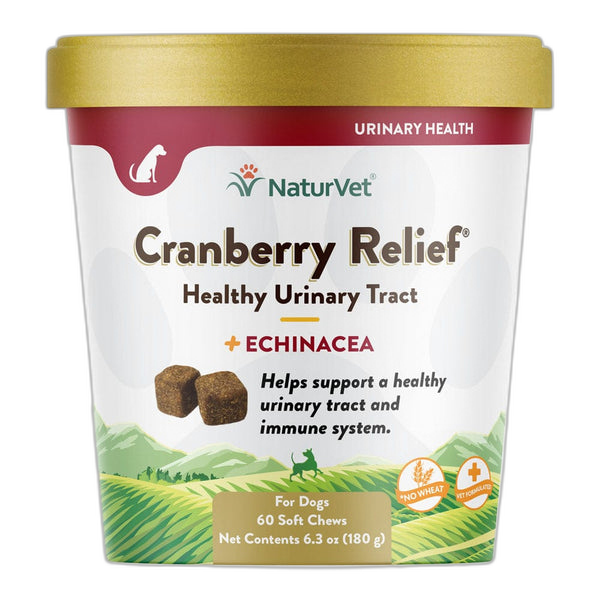
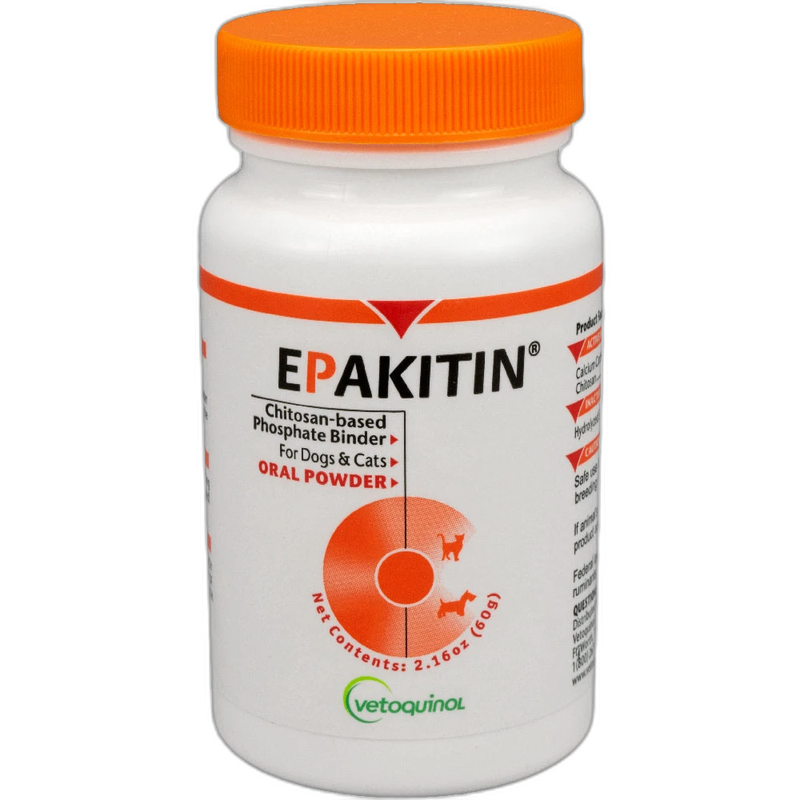
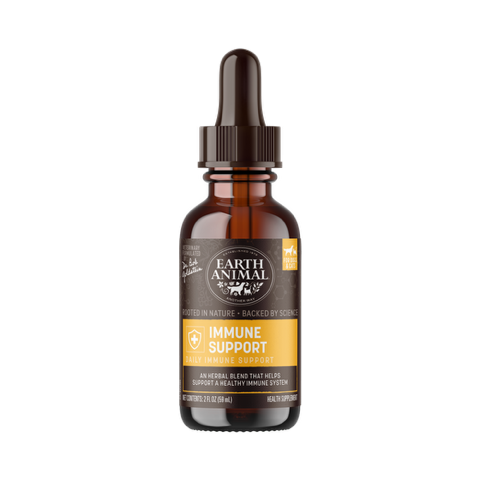
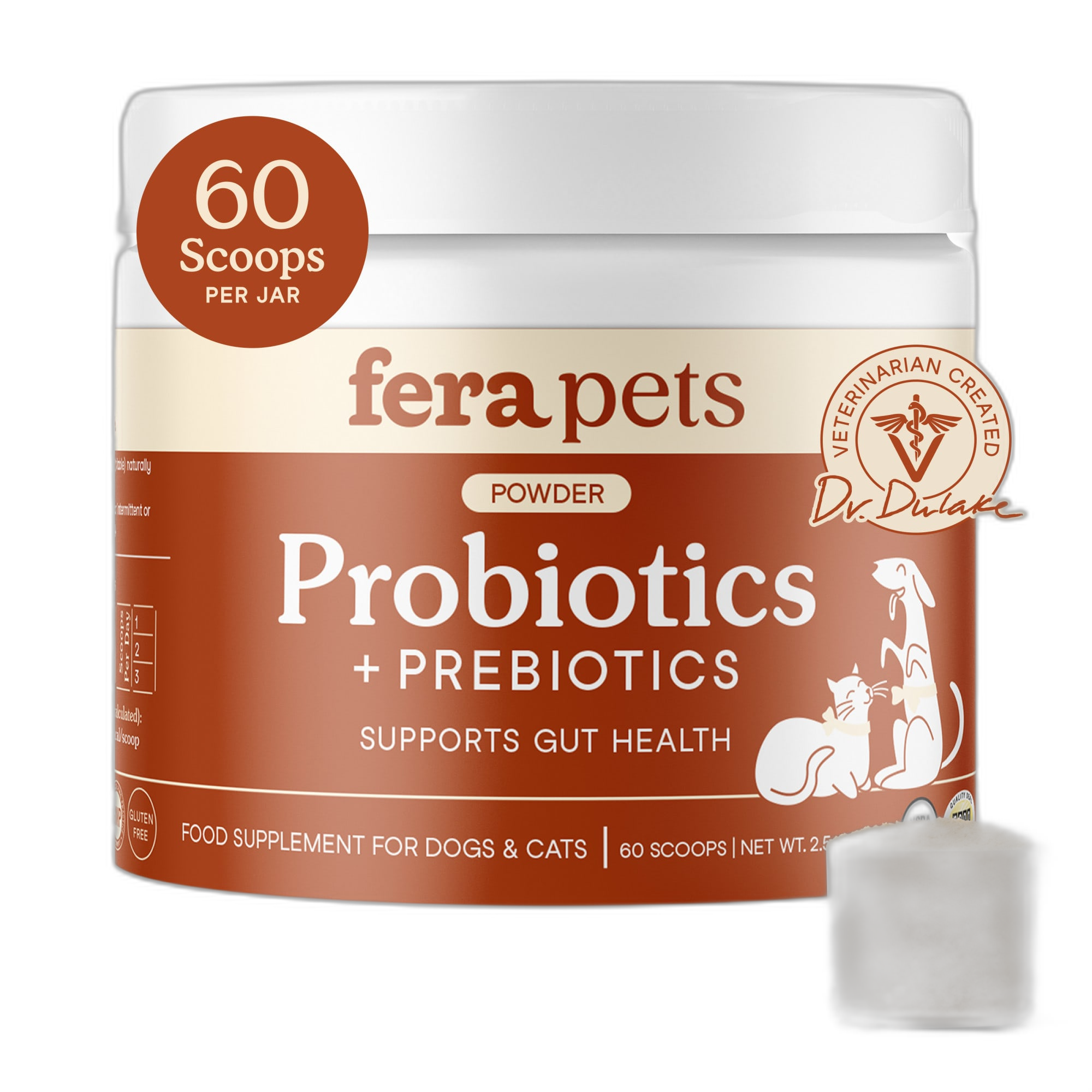
Products Containing Echinacea
Top-rated supplements featuring this ingredient, ranked by our PSI+ score.