Manganese
mineral
Manganese is an essential trace mineral that plays a crucial role in numerous physiological processes in dogs, from bone development and cartilage formation to metabolic functions and antioxidant defense. While required in small amounts, its absence or insufficient supply can have significant health implications. This guide explores manganese's function in canine health, its presence in various diets, supplementation considerations, potential deficiencies and toxicities, and how to approach its use for your dog.
Manganese For Dogs: Is Your Dog Getting Enough?
Determining if a dog receives adequate manganese involves evaluating their diet and observing for potential signs of deficiency. Commercial dog foods are typically formulated to meet the Association of American Feed Control Officials (AAFCO) nutritional guidelines, which include minimum requirements for manganese. For adult dogs, the AAFCO nutrient profile recommends a minimum of 5 mg of manganese per kilogram of dry matter food. However, individual needs can vary based on factors like age, breed, activity level, and health status.
For instance, growing puppies, especially those of large and giant breeds, have a higher demand for minerals like manganese to support rapid skeletal development. Dogs with certain health conditions, such as orthopedic issues or metabolic disorders, might also benefit from closer attention to their manganese intake.
A dog eating a consistent, high-quality, AAFCO-compliant commercial diet is generally unlikely to experience a manganese deficiency. The concern often arises with homemade diets, raw feeding, or when dogs consume unbalanced food sources. Without careful formulation, these diets might lack the necessary trace minerals. For example, a homemade diet heavily reliant on muscle meat without sufficient organ meats or other manganese-rich components could lead to an imbalance.
Signs of severe manganese deficiency in dogs are rare but can include impaired growth, reproductive issues, and skeletal abnormalities, particularly in cartilage and bone. These symptoms are non-specific and can point to various nutritional deficiencies, making a definitive diagnosis challenging without veterinary consultation and possibly dietary analysis.
Manganese for Raw Feeders
Raw feeding, while offering perceived benefits of natural ingredients, presents unique challenges in ensuring balanced nutrition, particularly regarding trace minerals like manganese. Unlike commercial kibble, which is fortified, a raw diet's nutrient profile depends entirely on the specific ingredients chosen and their proportions.
Raw feeders often focus on muscle meat, which is not a primary source of manganese. Organ meats, especially liver and kidney, contain higher levels of manganese, but even these vary. Bone, a common component in raw diets, also contributes some minerals. However, relying solely on a "prey model" without diverse organ inclusion or specific manganese-rich additions might fall short of optimal levels. For example, while chicken necks provide bone, their manganese content alone may not be sufficient for a dog's daily needs if other manganese sources are scarce.
Consider a raw diet composed primarily of chicken muscle meat and bone. While balanced for protein and calcium/phosphorus, it might be deficient in manganese if organ meats like beef liver are not regularly included. Furthermore, the bioavailability of minerals from raw sources can differ from that in processed foods, although manganese is generally well-absorbed.
To address this, raw feeders often incorporate a variety of organ meats, specific manganese-rich foods (like mussels or kelp), or use a targeted trace mineral supplement designed for raw diets. Without these considerations, a raw-fed dog could be at risk for suboptimal manganese intake, potentially impacting joint health, metabolism, and overall well-being over time. Regular consultation with a veterinary nutritionist specializing in raw diets is advisable to ensure complete and balanced nutrition.
Dog Supplements with Manganese
Manganese supplements for dogs come in various forms and formulations, often as part of a broader mineral blend, multivitamin, or joint support product. Understanding the different types and their intended use is key to making informed decisions.
Common Forms of Manganese in Supplements:
- Manganese Sulfate: A common inorganic form. It's generally stable and cost-effective but may have lower bioavailability compared to organic forms.
- Manganese Chelate (e.g., Manganese Proteinate, Manganese Amino Acid Chelate, Manganese Glycinate): In these forms, manganese is bound to an amino acid or protein, which is thought to improve absorption and bioavailability. The chelated forms are often preferred in higher-quality supplements due to their perceived efficiency.
- Manganese Oxide: Another inorganic form, often with lower bioavailability than sulfate or chelated forms.
When to Consider a Manganese Supplement:
- Diagnosed Deficiency: If a veterinarian diagnoses a manganese deficiency based on clinical signs and diagnostic tests (though direct manganese blood tests are not always conclusive or readily available).
- Unbalanced Homemade or Raw Diets: For dogs on diets that are not commercially balanced, particularly those without sufficient organ meats or other manganese-rich ingredients.
- Joint Support: Manganese is a crucial component of cartilage and connective tissue. Some veterinarians or owners might consider a manganese supplement, often alongside glucosamine and chondroitin, for dogs with joint issues, particularly those prone to conditions like hip dysplasia or osteochondrosis dissecans (OCD).
- Breeding Animals: Adequate manganese is important for reproductive health in both males and females.
Types of Supplements:
- Multivitamin/Mineral Supplements: These typically provide a broad spectrum of vitamins and minerals, including manganese, to fill potential dietary gaps.
- Joint Health Supplements: Many joint supplements specifically include manganese due to its role in cartilage and bone health. These often combine it with other beneficial ingredients like glucosamine, chondroitin, and MSM.
- Single-Mineral Supplements: Less common for manganese, but available if a very specific deficiency is identified.
Comparison of Manganese Supplement Types:
| Supplement Type | Primary Use Case | Manganese Form (Common) | Considerations |
|---|---|---|---|
| Multivitamin/Mineral | General nutritional support, fill dietary gaps | Sulfate, Chelate | Comprehensive but dosage of individual minerals might be lower. |
| Joint Health Supplement | Support cartilage/bone, alleviate joint issues | Chelate, Sulfate | Often combined with other joint-specific ingredients. Targeted for specific needs. |
| Raw/Homemade Diet Balancer | Ensure complete nutrition for non-commercial diets | Chelate, Sulfate, Proteinate | Designed to complement specific diet types; often includes other trace minerals. |
It's crucial to consult a veterinarian before starting any supplement. They can assess your dog's overall diet, health status, and determine if a manganese supplement is appropriate, and at what dosage. Over-supplementation can be as problematic as deficiency.
Microminerals' Importance in Dog Foods
Microminerals, also known as trace minerals, are essential nutrients required by dogs in very small quantities (milligrams or micrograms per day). Despite their minute requirements, their impact on canine health is profound and widespread. Manganese is one such micromineral, alongside others like zinc, copper, iron, selenium, iodine, and chromium.
These minerals are not just structural components; they are vital cofactors for countless enzymatic reactions throughout the body. Enzymes are biological catalysts that drive nearly all biochemical processes, from energy production and metabolism to immune response and hormone synthesis. Without adequate trace minerals, these enzymatic pathways can falter, leading to a cascade of health issues.
Role of Microminerals in Canine Health:
- Manganese: Essential for bone and cartilage formation, collagen synthesis, carbohydrate and fat metabolism, and as an antioxidant component (superoxide dismutase).
- Zinc: Crucial for immune function, skin and coat health, wound healing, protein synthesis, and proper thyroid function.
- Copper: Involved in iron metabolism, red blood cell formation, immune function, and connective tissue development.
- Iron: A central component of hemoglobin, essential for oxygen transport in the blood.
- Selenium: A powerful antioxidant, important for thyroid hormone metabolism and immune response.
- Iodine: Critical for the synthesis of thyroid hormones, which regulate metabolism.
Formulation in Commercial Dog Foods:
Reputable commercial dog food manufacturers meticulously formulate their products to meet AAFCO guidelines, ensuring adequate levels of all essential macro and microminerals. They typically use bioavailable forms of these minerals to maximize absorption. For instance, chelated forms of zinc, copper, and manganese are often preferred over inorganic salts due to their improved utilization by the dog's body.
The challenge lies in ensuring consistency and quality control. While AAFCO sets minimums, optimal levels might vary. Furthermore, ingredient sourcing and processing can influence the final mineral content and bioavailability. This is why choosing a high-quality, reputable brand that conducts thorough testing is important.
For dogs on homemade or raw diets, ensuring the correct balance of microminerals requires significant knowledge and careful planning. Simply mixing a few ingredients together is unlikely to provide complete nutrition, and deficiencies or excesses of trace minerals can develop over time. This underscores the importance of working with a veterinary nutritionist for such diets.
Manganese for Dogs
Delving deeper into manganese specifically for dogs reveals its broad physiological importance beyond just bone health. Its functions touch upon several critical systems.
Key Roles of Manganese in Dogs:
Manganese Dosage for Dogs:
Establishing a precise, universal manganese dosage for dogs is complex due to various factors, including the dog's size, age, activity level, existing health conditions, and the form of manganese being administered (e.g., chelated vs. Inorganic salt). The AAFCO minimum requirement for adult dogs is 5 mg of manganese per kilogram of dry matter food. However, many commercial dog foods provide levels higher than this minimum to ensure adequate intake across a diverse population.
For supplementation, typical recommendations generally fall within a range. A common guideline for supplemental manganese might be around 0.1 mg to 0.5 mg per kilogram of body weight per day, but this is a broad estimate and should not be used without veterinary guidance. For example, a 20 kg (44 lb) dog might receive between 2 mg and 10 mg of supplemental manganese daily, often as part of a joint support product.
Important Considerations for Dosage:
- Dietary Intake First: Always assess the manganese content of the dog's primary diet before considering supplementation. Over-supplementation can lead to toxicity.
- Bioavailability: The form of manganese matters. Chelated forms (e.g., manganese glycinate, proteinate) are generally considered more bioavailable, meaning the body absorbs and utilizes them more efficiently. This implies that a lower dose of a chelated form might be equivalent to a higher dose of an inorganic form like manganese sulfate.
- Individual Needs: Puppies, especially large breeds, might have slightly higher requirements during growth spurts. Dogs with specific orthopedic conditions might also have different needs.
- Veterinary Guidance: Dosage should always be determined by a veterinarian who can consider the dog's complete health profile, existing diet, and potential interactions with other medications or supplements. Self-dosing can be risky.
Acute Manganese Toxicosis Related to Joint Health
While manganese deficiency is rare with balanced commercial diets, the risk of acute manganese toxicosis is also generally low in dogs. Manganese has a relatively wide margin of safety compared to some other trace minerals. However, excessive intake, particularly through inappropriate supplementation or accidental ingestion of very high doses, can lead to adverse effects.
How Toxicosis Can Occur:
- Excessive Supplementation: Administering a manganese supplement at doses significantly higher than recommended, or providing multiple supplements that collectively lead to an overdose.
- Accidental Ingestion: Dogs consuming large quantities of human supplements or industrial products containing high concentrations of manganese.
- Environmental Exposure: Less common for pets, but chronic exposure to high levels in water or soil could theoretically contribute, though this is rare in typical pet environments.
Symptoms of Manganese Toxicosis:
Symptoms of manganese toxicosis are often neurological and can be subtle initially, progressing with continued exposure. These can include:
- Neurological Signs: Tremors, ataxia (lack of coordination), weakness, behavioral changes (e.g., lethargy, depression). In severe cases, it can mimic Parkinsonian-like symptoms due to manganese's impact on neurotransmitter systems.
- Gastrointestinal Upset: Vomiting, diarrhea, abdominal discomfort.
- Liver and Kidney Damage: In very high, chronic exposures, there can be damage to these organs, though this is less common with typical pet exposure.
- Interference with Other Minerals: High manganese levels can interfere with the absorption and utilization of other essential minerals, particularly iron and copper, potentially leading to secondary deficiencies of these nutrients.
Specific to Joint Health:
While manganese is vital for joint health at appropriate levels, there isn't evidence to suggest that acute toxicosis directly causes joint damage. Instead, the primary concern with manganese toxicity lies in its neurological effects. If a dog experiences chronic, low-level manganese excess, it could potentially lead to subtle metabolic disturbances, but overt joint problems are not a primary manifestation of manganese overdose.
Prevention and Management:
- Strict Adherence to Dosage: Never exceed recommended supplement dosages.
- Secure Storage: Keep all supplements and medications out of reach of pets.
- Veterinary Consultation: Always consult a veterinarian before starting any supplement, especially if your dog has pre-existing health conditions or is on other medications.
- Diagnosis: If manganese toxicosis is suspected, a veterinarian will conduct a thorough examination, blood tests (though blood manganese levels can be difficult to interpret), and potentially look for other mineral imbalances. Treatment would focus on removing the source of excess manganese and supportive care.
In summary, while manganese is crucial for numerous bodily functions, including joint health, maintaining appropriate levels is key. Both deficiency and excessive intake can lead to health problems, emphasizing the importance of balanced nutrition and responsible supplementation practices under veterinary guidance.
FAQ
What are the best sources of manganese for dogs?
The best sources of manganese for dogs depend on the diet type. For dogs on commercial diets, the food itself should be a primary source, as reputable brands formulate to meet AAFCO guidelines. For homemade or raw diets, excellent natural sources include:
- Organ Meats: Liver, kidney, and heart from various animals (e.g., beef, chicken, lamb) are good sources.
- Mussels and Oysters: These shellfish are particularly rich in manganese.
- Certain Seeds and Grains: While not always a large part of a dog's diet, small amounts of flaxseed, oats, and brown rice contain manganese.
- Kelp: A type of seaweed, kelp is often included in mineral blends for its trace mineral content, including manganese.
How do you say "I love you" in dog speak?
Dogs communicate their affection through a variety of non-verbal cues. While they don't use words, common ways dogs express love include:
- Leaning against you: A sign of trust and seeking proximity.
- Making eye contact: Often called "soft eyes," a relaxed gaze can indicate affection.
- Wagging their tail: A loose, full-body wag, especially when greeting you, signifies happiness.
- Licking: While sometimes a sign of submission, gentle licks often indicate affection.
- Bringing you toys: Sharing their prized possessions can be a sign of love and trust.
- Following you around: Wanting to be in your presence.
- Sleeping near you: Indicating comfort and security in your presence.
What is the silent killer of dogs?
Several conditions are sometimes referred to as "silent killers" in dogs because they can progress without obvious symptoms until they reach an advanced stage. Some of the most common include:
- Kidney Disease: Often doesn't show clear signs until 75% or more of kidney function is lost. Symptoms can be vague, like increased thirst and urination.
- Heart Disease: Many forms of heart disease can progress slowly with subtle signs like mild coughing or reduced stamina, which owners might attribute to aging.
- Certain Cancers: Some cancers, like hemangiosarcoma (a type of aggressive cancer) or bone cancer, can spread internally before presenting noticeable external symptoms.
- Dental Disease: While not immediately fatal, severe dental disease can lead to chronic pain, infection, and systemic health problems that significantly impact quality of life and longevity.
Regular veterinary check-ups, including blood work and urinalysis, are crucial for early detection of these conditions.
Conclusion
Manganese is an indispensable trace mineral for canine health, playing critical roles in skeletal integrity, metabolic function, and antioxidant defense. While most dogs on complete and balanced commercial diets receive adequate manganese, those on homemade or raw diets, or those with specific health concerns, may require closer attention to their intake. Both deficiency and excess can lead to health problems, highlighting the importance of balanced nutrition. Always consult with a veterinarian before introducing any supplements to your dog's regimen to ensure it is appropriate for their individual needs and to determine a safe and effective dosage.
Products Containing Manganese
Top-rated supplements featuring this ingredient, ranked by our PSI+ score.
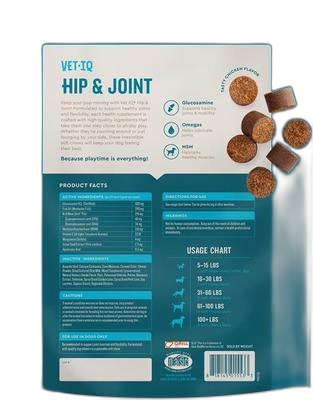
VetIQ Hip & Joint Soft Chew Joint Supplement for Dogs
VetIQ
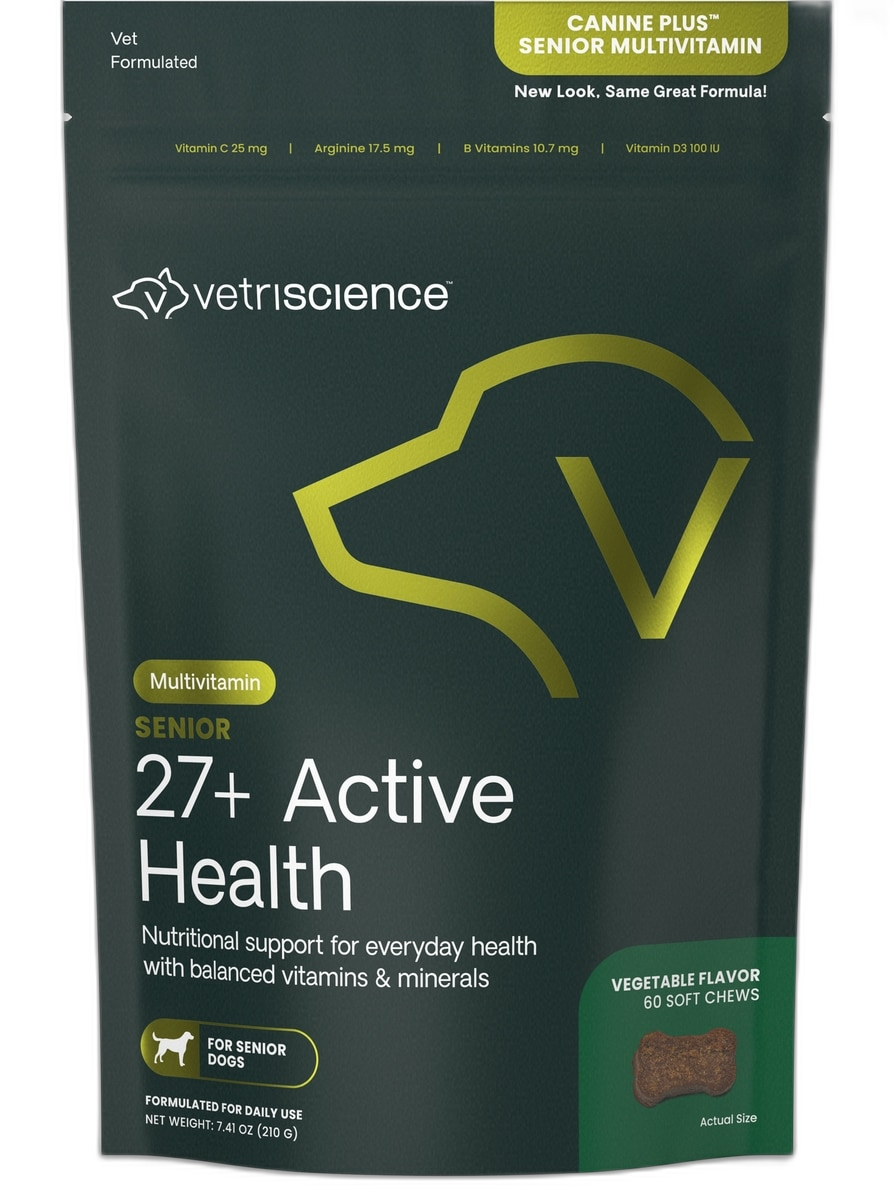
VetriScience Canine Plus Senior 27+ Active Health Veggie Flavored Soft Chews Multivitamin for Senior Dogs
VetriScience
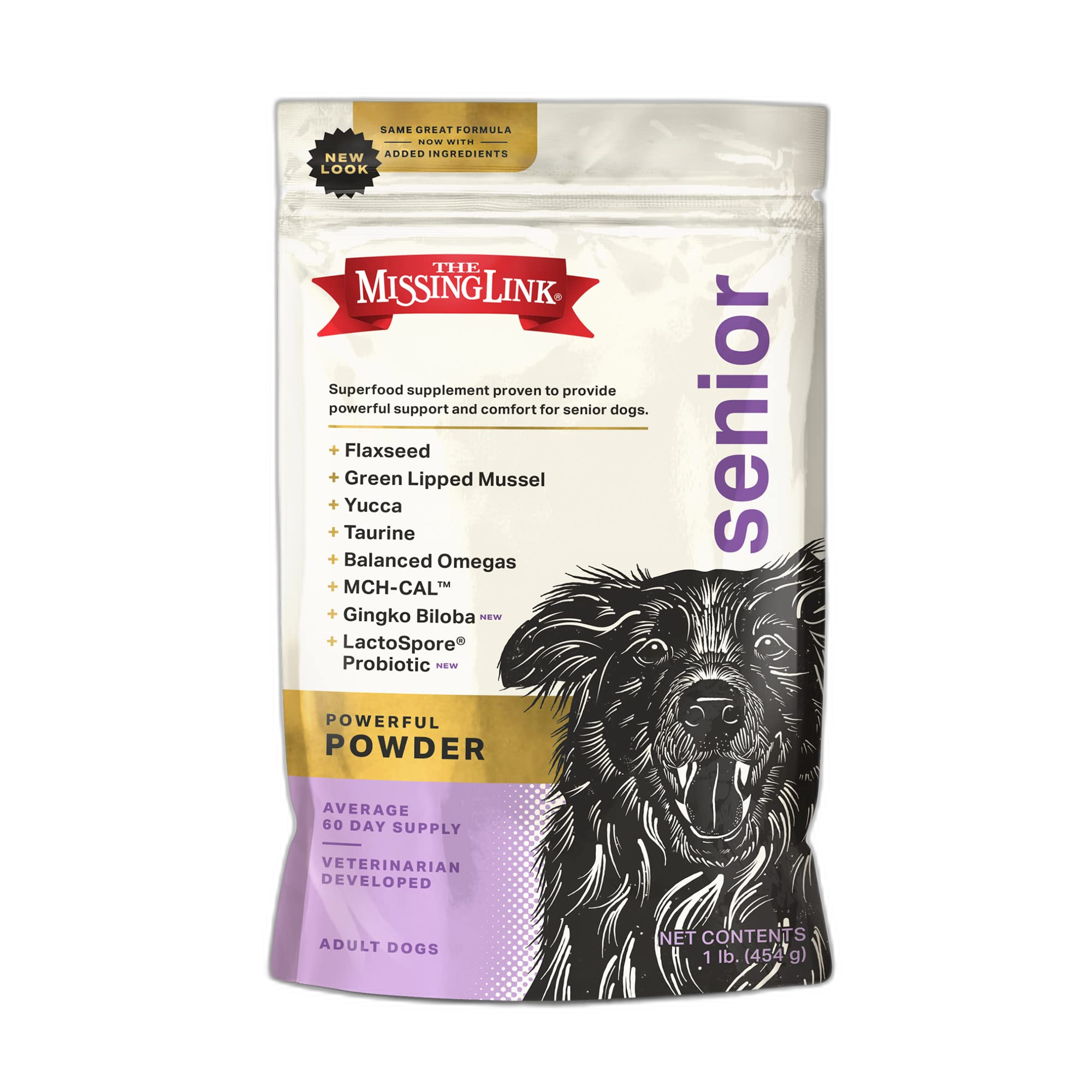
The Missing Link Ultimate Canine Senior Health Formula Dog Supplement
The Missing Link

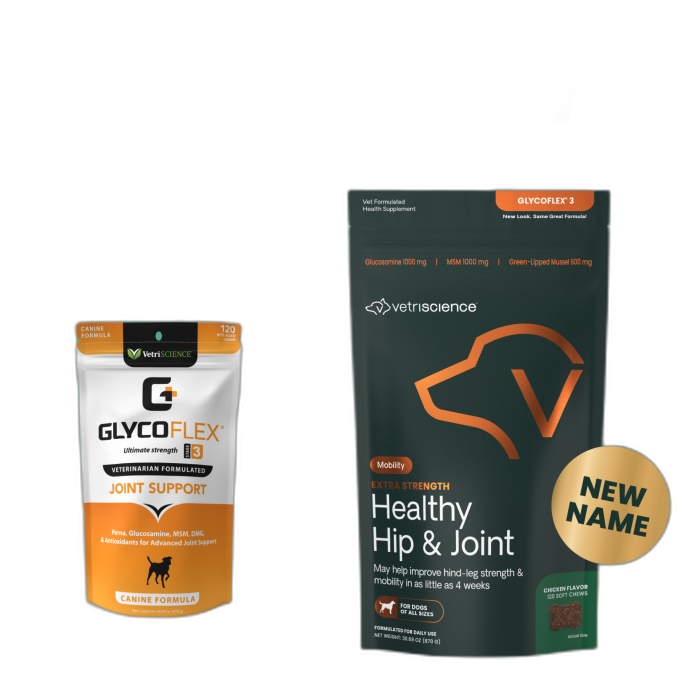
VetriScience GlycoFlex 3 Extra Strength Healthy Hip & Joint Chicken-Flavored Chews with Glucosamine & Green-Lipped Mussel Supplement for Dogs
VetriScience

Ark Naturals Gray Muzzle Old Bones Happy Joint Soft Chew Joint Supplement for Senior Dogs
Ark Naturals
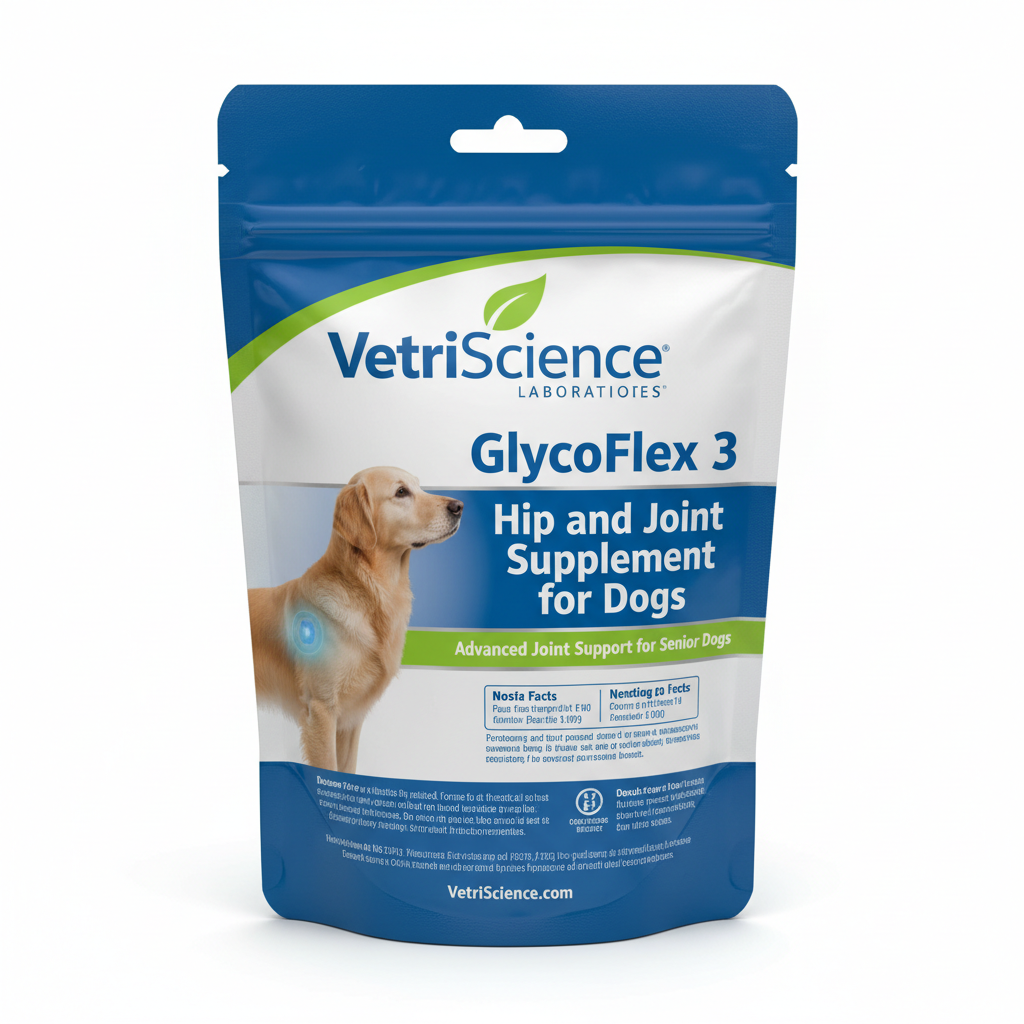
VetriScience Laboratories - GlycoFlex 3 Hip and Joint Supplement for Dogs - Advanced Joint Support for Senior Dogs
VetriScience

VetriScience GlycoFlex 3 Hip & Joint Support for Dogs
VetriScience
Vetriscience GlycoFlex Plus Joint Support for Dogs
VetriScience