Pumpkin Seed Powder
fiber
Pumpkin seed powder has become a popular dietary supplement for pets, especially dogs and cats, thanks to its many perceived health benefits. This finely ground form of pumpkin seeds offers a convenient way to add specific nutrients to an animal's diet, potentially aiding in everything from digestive health to parasitic support. To understand its value and appropriate use, it's important to know what pumpkin seed powder is, how it differs from whole pumpkin, and its practical applications for pets.
Ground Pumpkin Seeds For Dogs
Pumpkin seed powder for dogs is simply dried, finely ground pumpkin seeds. This processing makes the seeds easier to digest and mix into food, bypassing issues some pets might have with whole seeds, such as choking hazards or incomplete digestion. The grinding process also increases the surface area, potentially making certain nutrients more bioavailable.
The primary appeal of ground pumpkin seeds lies in their nutritional profile. They contain a variety of vitamins, minerals, and essential fatty acids. For example, they are a source of magnesium, zinc, and healthy fats like omega-3 and omega-6. These components contribute to overall health, including skin and coat quality, immune function, and cellular health.
When considering pumpkin seed powder, it's important to differentiate it from plain canned pumpkin. While both come from the same plant, pumpkin seed powder focuses specifically on the benefits derived from the seeds themselves. Canned pumpkin (pureed, not pie filling) is primarily known for its high fiber content and is often used to firm up loose stools or alleviate mild constipation. Pumpkin seed powder, while also containing fiber, brings a broader spectrum of micronutrients and fatty acids to the table.
A practical implication of using powder versus whole seeds is consistency. Powder can be accurately measured and easily mixed into wet or dry food. This predictability is valuable for pet owners who want to ensure their animal receives a consistent dose of a supplement. However, the processing into powder might slightly reduce the content of certain heat-sensitive nutrients compared to raw, whole seeds, though this reduction is generally minor.
PUMPKIN SEED POWDER ORGANIC FIBER, DIGESTION ... For pumpkin seed powder for dogs
Pumpkin seed powder is often marketed as an organic fiber and digestion aid for pets, and for good reason. The fiber content, though not as high as the flesh of the pumpkin, still contributes to digestive regularity. This fiber includes both soluble and insoluble types. Soluble fiber can help regulate blood sugar levels and contribute to a feeling of fullness, while insoluble fiber adds bulk to stool, promoting gut motility.
For dogs and cats experiencing mild digestive upset, such as intermittent loose stools or occasional constipation, the added fiber in pumpkin seed powder can be beneficial. It helps to regulate the passage of food through the digestive tract, potentially leading to more consistent and healthier stool quality. The fiber acts as a prebiotic, feeding beneficial gut bacteria, which in turn supports a healthy gut microbiome. A balanced microbiome is central to overall digestive health and can influence immune function.
However, it's not a standalone cure for chronic digestive issues. If a pet consistently suffers from diarrhea, vomiting, or severe constipation, these symptoms warrant a veterinary consultation to rule out underlying conditions. Pumpkin seed powder serves as a dietary supplement to support an already healthy digestive system or to provide mild assistance with minor, temporary issues.
One trade-off to consider is the potential for too much fiber. While beneficial in moderation, excessive fiber can lead to nutrient malabsorption, gas, or even worsen constipation or diarrhea in some sensitive animals. Therefore, starting with small amounts and observing the pet's reaction is a prudent approach. For instance, a dog prone to soft stools might benefit from a small, consistent daily dose, while a cat with occasional hairball issues might see improved gut motility from regular supplementation.
Pumpkin Seed Links With Natural Deworming For Dogs ...
The idea that pumpkin seeds, and by extension pumpkin seed powder, act as a natural dewormer for dogs and cats is a long-standing belief in some circles. This concept largely hinges on the presence of an amino acid called cucurbitacin. Cucurbitacin is thought to paralyze certain intestinal parasites, such as tapeworms and roundworms, making it easier for the pet's system to expel them.
However, it's crucial to approach this claim with a balanced perspective. While cucurbitacin does have antiparasitic properties in laboratory settings, the concentration found in pumpkin seeds, and subsequently in pumpkin seed powder, is generally not considered sufficient to effectively eliminate a significant parasitic burden in a living animal. Many holistic practitioners suggest that while pumpkin seeds might offer some supportive benefits against parasites, they are unlikely to be a complete solution for an active infestation.
The practical implications here are significant. Relying solely on pumpkin seed powder as a dewormer can lead to untreated parasitic infections, which can cause serious health problems for pets and even be transmissible to humans in some cases. Symptoms of parasitic infection include weight loss, dull coat, vomiting, diarrhea, and visible worms in stool. If a parasitic infection is suspected, a veterinarian should be consulted for proper diagnosis and treatment with prescription dewormers. These medications are specifically formulated and dosed to effectively target and eliminate parasites.
For pet owners interested in a , pumpkin seed powder might be considered as a complement to a comprehensive deworming strategy, rather than a replacement. For example, some might use it as part of a general gut health regimen for pets living in areas with lower parasite risk, or as a supportive measure after a veterinary-prescribed deworming treatment. It's an "edge case" scenario where the perceived benefit is often outweighed by the need for proven medical intervention when dealing with actual parasites.
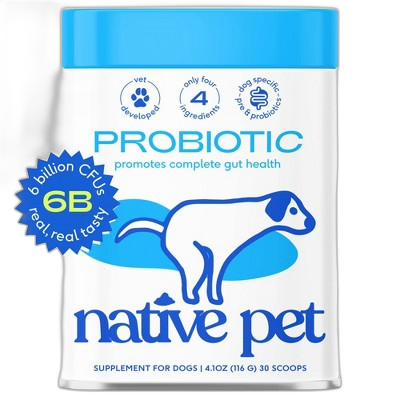
Native Pet Organic Powder Digestive Supplement for ...
Many companies offer pumpkin seed powder as part of a broader "organic powder digestive supplement for pets." These products often combine pumpkin seed powder with other ingredients known for their digestive benefits, such as prebiotics, probiotics, digestive enzymes, and other fiber sources like sweet potato or apple. The rationale behind these blends is to provide a comprehensive approach to gut health, leveraging the of multiple beneficial components.
For instance, a supplement might include pumpkin seed powder for its fiber and nutrient content, along with a specific strain of probiotic bacteria to help rebalance the gut microbiome. Digestive enzymes might be added to aid in the breakdown and absorption of nutrients, which can be particularly helpful for pets with sensitive stomachs or exocrine pancreatic insufficiency. Ingredients like organic sweet potato or apple can further boost fiber content and provide additional vitamins.
The trade-off with these blended supplements is often cost and ingredient transparency. While a pure pumpkin seed powder is straightforward, a multi-ingredient blend requires careful examination of each component. Pet owners should look for products where all ingredients are clearly listed, preferably with their specific amounts. "Proprietary blends" where ingredient quantities are not disclosed make it difficult to assess efficacy or potential interactions.
When considering such a supplement, it's helpful to identify the specific digestive issue you're trying to address. If the primary concern is mild constipation, pure pumpkin seed powder might suffice. If the pet has more complex digestive sensitivities, a blend designed for overall gut support could be more appropriate. For example, a dog with chronic loose stools might benefit more from a supplement that includes probiotics alongside pumpkin seed powder to help rebuild gut flora.
| Feature | Pure Pumpkin Seed Powder | Blended Digestive Supplement (e.g., with probiotics, enzymes) |
|---|---|---|
| Primary Benefit | Fiber, essential fatty acids, specific micronutrients | Comprehensive gut support, multiple mechanisms of action |
| Cost | Generally lower | Often higher |
| Ingredients | Single ingredient (pumpkin seeds) | Multiple ingredients (pumpkin, prebiotics, probiotics, etc.) |
| Target Issues | Mild constipation, occasional loose stools, general gut health | Chronic digestive sensitivities, malabsorption, immune support |
| Transparency | High (single ingredient) | Varies; look for clear labeling of all components |
| Customization | Can be combined with other supplements as needed | Pre-formulated; less individual customization possible |
Is pumpkin powder good for dogs?
In general, yes, pumpkin powder can be a beneficial addition to a dog's diet, provided it's used appropriately and in moderation. Its goodness stems from several key nutritional attributes.
Firstly, its fiber content is a significant advantage. Dogs, like humans, need fiber for healthy digestion. Adequate fiber intake can help regulate bowel movements, preventing both constipation and diarrhea by adding bulk to stool and absorbing excess water. This contributes to better stool quality, which is often a visible indicator of digestive health.
Secondly, pumpkin seed powder contains a range of micronutrients. These include antioxidants, vitamins (like Vitamin K, some B vitamins), and minerals such as zinc, magnesium, and manganese. Antioxidants help combat oxidative stress, supporting cellular health and immune function. Zinc is crucial for immune health, wound healing, and skin integrity. Magnesium plays a role in muscle and nerve function.
Thirdly, the healthy fats, including omega-3 and omega-6 fatty acids, contribute to skin and coat health. These essential fatty acids reduce inflammation and support a shiny, healthy coat.
However, "good" doesn't mean it's a panacea or a replacement for a balanced diet. Pumpkin seed powder is a supplement, intended to complement a complete and balanced commercial dog food or a well-formulated homemade diet. It's not a significant source of protein or the primary source of calories.
The practical implications of its goodness mean it can be useful in specific scenarios:
- For dogs with mild digestive issues: A small amount can help regulate bowel movements.
- For senior dogs: Who might benefit from extra fiber or nutrient support.
- For dogs with dull coats or dry skin: The essential fatty acids can be helpful.
- For weight management: Fiber can contribute to a feeling of fullness, potentially aiding in weight control for dogs on a diet.
An edge case to consider is dogs with specific medical conditions. For example, dogs with kidney disease might need to limit phosphorus intake, and while pumpkin seeds aren't excessively high, any dietary change should be discussed with a vet. Similarly, dogs with highly sensitive stomachs might react to any new ingredient, so a cautious introduction is always best.
7 Reasons Why Pumpkin is Good For Dogs and Cats
While pumpkin flesh (the orange part) and pumpkin seeds offer distinct benefits, when discussing "pumpkin" in a general sense for pets, many of the advantages overlap or are complementary. Here are seven reasons why pumpkin, including its seeds in powder form, is often considered good for dogs and cats:
The practical implications of these benefits mean that incorporating pumpkin (either flesh or ground seeds) into a pet's diet can address common issues like digestive upset, dull coat, or even as a preventative measure for general wellness. However, it's important to remember that these are supportive benefits. For example, while pumpkin can aid in digestion, it won't resolve a severe intestinal blockage. Similarly, while the seeds offer some urinary support, they cannot treat a bacterial urinary tract infection. Always consider these as complementary to, not replacements for, proper veterinary care.
FAQ
Can dogs eat pumpkin seed powder?
Yes, dogs can eat pumpkin seed powder. It's generally considered safe and can offer several health benefits, particularly for digestive health, skin and coat, and as a source of essential nutrients. However, it should be given in appropriate dosages and introduced gradually to avoid digestive upset. It's important to use plain, unsalted pumpkin seeds or powder, avoiding any products with added spices, salt, or sweeteners.
Is pumpkin powder a natural dewormer for dogs?
While pumpkin seeds contain cucurbitacin, a compound with some antiparasitic properties, pumpkin powder is not considered a reliable or effective natural dewormer for dogs against active, heavy parasitic infestations. The concentration of cucurbitacin in the powder is typically too low to eliminate worms effectively. For suspected parasitic infections, consultation with a veterinarian and use of veterinary-prescribed dewormers are essential for proper treatment. Pumpkin seed powder may offer some supportive benefits for general gut health, but it should not replace medical deworming.
How much pumpkin seed powder do I give my dog?
The appropriate dosage of pumpkin seed powder for dogs depends on their size and individual sensitivity. As a general guideline, for small dogs (under 20 lbs), a quarter to half a teaspoon per day is often recommended. For medium dogs (20-50 lbs), half to one teaspoon daily. For large dogs (over 50 lbs), one to two teaspoons per day. It's always best to start with a smaller amount and gradually increase to the recommended dose while observing your dog for any changes in stool quality or digestive comfort. Consult your veterinarian for personalized advice, especially if your dog has any underlying health conditions.
Conclusion
Pumpkin seed powder can benefit dogs and cats in several ways, mainly by supporting digestive health, supplementing nutrients, and improving skin and coat. Its fiber content helps regulate bowel movements, while essential fatty acids, vitamins, and minerals contribute to overall well-being. However, it's important to understand both its capabilities and limitations. While pumpkin seed powder can be a valuable dietary addition for minor digestive issues or as a general health booster, it is not a substitute for veterinary care, particularly for chronic conditions or suspected parasitic infections. To safely and effectively incorporate it into your pet's routine, carefully consider the dosage, introduce it gradually, and monitor your pet's response.
Products Containing Pumpkin Seed Powder
Top-rated supplements featuring this ingredient, ranked by our PSI+ score.