Grape Seed Extract
antioxidant
Grape seed extract (GSE) is a concentrated source of antioxidants, primarily oligomeric proanthocyanidin complexes (OPCs). For humans, it's often marketed for cardiovascular health, skin support, and its anti-inflammatory properties. When considering its use for pets, specifically dogs and cats, the conversation immediately shifts due to the known toxicity of whole grapes and raisins to these animals. This article will clarify the distinction between whole grapes and grape seed extract, explore the potential benefits of GSE for pets, discuss appropriate dosages, and outline safety considerations.
Is Grape Seed Extract Safe for Dogs and Cats?
This is the most critical question concerning grape seed extract for dogs and cats, and the answer requires nuance. Whole grapes and raisins are unequivocally toxic to dogs and cats, capable of causing acute kidney failure. The exact mechanism of this toxicity is still not fully understood, but it is not attributed to the seeds themselves. The toxic compound is believed to reside in the fleshy pulp of the grape.
Grape seed extract, on the other hand, is derived from the crushed seeds of grapes, which are separated from the fruit. The extraction process is designed to isolate specific beneficial compounds (proanthocyanidins) while excluding the toxic elements found in the pulp. Consequently, pure grape seed extract, free from any grape pulp contamination, is generally considered safe for dogs and cats when administered in appropriate dosages.
The key distinction lies in the source material and processing. A supplement containing "grape seed extract" is not the same as feeding your pet a grape. The danger comes from the whole fruit, not the isolated seed components. However, this distinction can be confusing for pet owners, leading to understandable hesitation. Always ensure any grape seed extract product intended for pets explicitly states its purity and is formulated without any grape pulp derivatives.
Effects of Grape Seed Extract, Lutein, and Fish Oil on Responses in Pets
While research on grape seed extract alone for pets is ongoing, some studies have investigated its effects in combination with other beneficial ingredients like lutein and fish oil. These combinations often target a broader spectrum of health benefits, particularly those related to oxidative stress and inflammation.
For instance, a diet supplemented with a blend of antioxidants, including grape seed extract, along with lutein (a carotenoid known for eye health) and fish oil (rich in omega-3 fatty acids for anti-inflammatory effects), has been studied for its impact on immune responses and cellular health in aging dogs. The rationale behind such combinations is that antioxidants work synergistically to combat free radicals, which contribute to cellular damage and aging processes.
In practical terms, this means that while grape seed extract provides potent antioxidant support, its benefits might be amplified when paired with other compounds. For an older dog experiencing age-related decline or a pet with certain inflammatory conditions, a multi-ingredient supplement containing GSE, lutein, and fish oil could offer comprehensive support. These supplements aim to improve overall cellular health, bolster the immune system, and potentially mitigate some effects of aging by reducing oxidative stress and inflammation. It's not about GSE being a standalone cure, but rather a valuable component in a broader nutritional strategy.
Grape Seed Extract for Dogs
The primary draw of grape seed extract for dogs centers on its powerful antioxidant properties. Proanthocyanidins are highly effective at neutralizing free radicals, unstable molecules that can damage cells, proteins, and DNA. This cellular damage is a contributing factor to aging, chronic diseases, and inflammation.
Here are some of the potential benefits of grape seed extract for dogs:
- Antioxidant Support: This is the most well-established benefit. By scavenging free radicals, GSE helps protect cells from oxidative stress, which is particularly relevant for active dogs, senior dogs, and those exposed to environmental toxins.
- Anti-inflammatory Properties: Oxidative stress and inflammation are closely linked. The antioxidant action of GSE can indirectly help reduce inflammation throughout the body, potentially benefiting dogs with conditions like arthritis or allergies.
- Cardiovascular Health: In humans, proanthocyanidins are linked to improved blood vessel health and circulation. While research in dogs is less extensive, similar benefits are theorized due to the shared physiological mechanisms. Improved circulation can support overall organ function.
- Skin and Coat Health: By protecting skin cells from oxidative damage and supporting healthy collagen production, GSE might contribute to a healthier skin barrier and a shinier coat.
- Immune System Support: A healthy immune system relies on healthy cells. By reducing cellular damage, antioxidants like those in GSE can help support a robust immune response.
- Cognitive Function: Oxidative stress is implicated in cognitive decline. While not a primary focus, the general cellular protection offered by GSE could indirectly support brain health in aging dogs.
Consider a senior dog showing signs of slowed activity or stiffness. While GSE won't cure arthritis, its anti-inflammatory and antioxidant properties could complement other treatments by reducing systemic inflammation and protecting joint tissues from further damage. Similarly, a working dog or an athletic dog might benefit from GSE's ability to combat exercise-induced oxidative stress, aiding recovery and maintaining cellular integrity.
A Mixed Grape and Blueberry Extract is Safe for Dogs to Consume
Further reinforcing the safety of extracts as opposed to whole fruits, studies have specifically examined the safety of mixed fruit extracts, including those derived from grapes and blueberries, for canine consumption. Research has indicated that such formulations, when properly processed and free of grape pulp, do not induce the toxicity associated with whole grapes.
This research typically involves administering specific dosages of these extracts to healthy dogs and monitoring them for any adverse effects, including changes in kidney function, gastrointestinal upset, or behavioral alterations. The consistent finding is that these extracts, when formulated correctly, are well-tolerated.
This distinction is crucial for pet owners. It allows for the potential incorporation of beneficial compounds from fruits like grapes and blueberries into canine diets without the inherent risks of feeding the whole fruit. The focus is on the isolated, beneficial phytochemicals, not the entire plant structure. For example, some premium pet foods or supplements might list "grape seed extract" or "blueberry extract" as ingredients. These are typically included for their antioxidant content, aiming to leverage the health benefits without introducing toxicity. The key is always to rely on commercially produced, pet-specific supplements or foods that have undergone rigorous safety testing and quality control.
Grape Seed Extract
Understanding grape seed extract as a standalone ingredient helps clarify its role in pet health. It's not just "grape" but a specific concentration of compounds. The most active components in grape seed extract are proanthocyanidins, also known as OPCs. These compounds are a class of polyphenols, which are plant-derived micronutrients with significant antioxidant activity.
The concentration of OPCs can vary between different grape seed extract products. Higher concentrations generally indicate a more potent product. When evaluating a supplement, look for standardized extracts, meaning the product guarantees a certain percentage of active compounds (e.g., 95% proanthocyanidins). This standardization ensures consistency and efficacy.
How Grape Seed Extract Works at a Cellular Level:
Consider the difference between a whole grape and grape seed extract like the difference between a crude oil and gasoline. Both come from the same source, but one is refined to isolate specific beneficial components and remove harmful ones, making it suitable for a different purpose. For pets, this refinement is what makes grape seed extract a potential health supplement rather than a toxic substance.
Understanding Grape and Grape Seed Extract Safety
The primary concern regarding grape and grape seed extract safety for pets hinges on the critical distinction between the whole fruit and its isolated components. It's a matter of composition and concentration.
Whole Grapes and Raisins: A Clear Danger
- Toxicity: Highly toxic to dogs and cats.
- Mechanism: Unknown, but the toxic agent is in the pulp, not the seeds.
- Symptoms: Vomiting, diarrhea, lethargy, abdominal pain within hours, progressing to acute kidney failure within 24-72 hours.
- Severity: Can be fatal even in small amounts.
Grape Seed Extract: Generally Safe When Pure
- Purity is Key: Only pure grape seed extract, free from any grape pulp or skin, is considered safe.
- Manufacturing Process: Reputable manufacturers ensure the removal of all toxic components during extraction.
- Dosage: Proper dosage is crucial. Overdosing any supplement can lead to adverse effects.
- Formulation: Usually found in pet-specific supplements, often combined with other beneficial ingredients.
Comparison Table: Grapes vs. Grape Seed Extract for Pets
| Feature | Whole Grapes / Raisins | Grape Seed Extract (GSE) |
|---|---|---|
| Source of Danger | Fleshy pulp (toxic compound unknown) | None, if pure and correctly processed |
| Toxicity to Pets | Highly toxic; causes acute kidney failure | Generally safe in appropriate doses; non-toxic |
| Composition | Pulp, skin, seeds; contains toxic agents | Isolated proanthocyanidins from seeds; toxic agents removed |
| Form | Raw fruit, dried fruit | Powder, capsule, liquid (often standardized) |
| Purpose | Human food (can be accidental pet ingestion) | Pet supplement (antioxidant, anti-inflammatory support) |
| Recommendation | NEVER feed to pets | Consult vet for pet-specific, pure products and dosage |
Dosage Guidelines for Grape Seed Extract for Dogs and Cats
Determining the correct dosage of grape seed extract for dogs and cats is crucial. There's no universally established "official" dose, as it can vary based on the pet's size, age, health condition, and the concentration of the specific GSE product. Always consult with your veterinarian before starting any new supplement for your pet. They can provide personalized advice based on your pet's individual needs and health status.
However, general guidelines from various veterinary sources and supplement manufacturers often suggest dosages based on body weight. These are typically much lower than human dosages.
General Dosing Considerations (Consult Your Vet):
- Dogs: Doses can range from 1-2 mg of proanthocyanidins per kg of body weight per day. For a typical standardized 95% proanthocyanidin extract, this means a small amount of the total extract.
Example:* A 20 kg (44 lb) dog might receive 20-40 mg of proanthocyanidins daily. If using a 95% GSE product, this means approximately 21-42 mg of the raw extract.
- Cats: Due to their smaller size and unique physiology, cat dosages are typically lower and require even greater caution. Often, cats receive a fraction of the canine dose, possibly 0.5-1 mg of proanthocyanidins per kg of body weight per day, or simply a small, fixed dose provided in cat-specific formulations.
- Start Low: When introducing any new supplement, it's often prudent to start with a lower dose and gradually increase it while monitoring your pet for any adverse reactions.
- Product Concentration: Always pay close attention to the label of the specific grape seed extract supplement you are using. The percentage of proanthocyanidins will dictate how much powder or liquid you need to administer to reach the desired dose.
Safety Guide and Precautions
Even with pure grape seed extract, certain precautions are necessary:
By adhering to these guidelines, pet owners can safely explore the potential benefits of grape seed extract as an antioxidant and anti-inflammatory support for their dogs and cats, always under professional veterinary guidance.
FAQ
What words do dogs hear best?
Dogs have a much wider range of hearing than humans, especially at higher frequencies. They tend to respond best to short, sharp, high-pitched sounds and words. Their names, short command words (like "sit," "stay," "come"), and words with hard consonants often register effectively. They also pick up on tone of voice and body language more than the literal meaning of complex sentences.
What is a silent killer for dogs?
Several conditions can be considered "silent killers" in dogs because they often show few or subtle symptoms until they are advanced or critical. These include:
- Kidney Disease: Often progresses without obvious signs until significant damage has occurred. Symptoms like increased thirst and urination, and weight loss, can be subtle initially.
- Heart Disease: Many forms of heart disease can be asymptomatic for extended periods, with symptoms like coughing, fatigue, or difficulty breathing only appearing in later stages.
- Cancer: Some cancers can grow internally without visible external signs until they become very large or metastasize.
- Dental Disease: Chronic infections in the mouth can lead to systemic health problems, including heart and kidney issues, often without pets showing obvious pain until the disease is severe.
- Internal Parasites: Severe infestations can cause internal damage and nutrient deficiencies that weaken the pet over time, sometimes without clear external indicators until the animal is very ill.
Regular veterinary check-ups are crucial for early detection of these conditions.
What is the strongest natural anti-inflammatory for dogs?
There isn't a single "strongest" natural anti-inflammatory, as efficacy can vary depending on the specific inflammatory condition and the individual dog. However, several natural compounds are widely recognized for their anti-inflammatory properties:
- Omega-3 Fatty Acids (Fish Oil): EPA and DHA found in fish oil are potent anti-inflammatories, particularly beneficial for joint health, skin conditions, and allergies.
- Turmeric (Curcumin): The active compound curcumin has strong anti-inflammatory and antioxidant effects. It's often used for arthritis and other inflammatory conditions. Bioavailability is a consideration, so look for formulations with piperine or other enhancers.
- Boswellia Serrata: Also known as frankincense, this herb has compounds that can inhibit inflammatory pathways.
- Green-Lipped Mussel: Contains a unique combination of omega-3s, glycosaminoglycans (like chondroitin sulfate), and other anti-inflammatory compounds.
- Grape Seed Extract: As discussed, its proanthocyanidins offer antioxidant and anti-inflammatory benefits by reducing oxidative stress, which contributes to inflammation.
The effectiveness of these natural remedies often lies in their and potential for fewer side effects compared to pharmaceutical anti-inflammatories. Always discuss their use with your veterinarian to determine the most appropriate option and dosage for your dog's specific needs.
Conclusion
Grape seed extract, rich in potent proanthocyanidin antioxidants, offers a promising way to support cellular health and overall well-being in dogs and cats. While whole grapes and raisins are toxic to pets, pure grape seed extract, when processed correctly and free of grape pulp, is generally considered safe. Its benefits largely come from its ability to fight oxidative stress and inflammation, potentially improving cardiovascular health, immune function, and reducing the effects of aging.
However, the decision to use grape seed extract as a supplement for your pet should always be made in consultation with a veterinarian. They can provide guidance on appropriate dosages, assess potential interactions with existing medications, and ensure the product chosen is of high quality and specifically formulated for pets. For curious pet owners seeking to enhance their animal's health through natural means, grape seed extract represents a promising avenue, provided it is approached with informed caution and professional oversight.
Products Containing Grape Seed Extract
Top-rated supplements featuring this ingredient, ranked by our PSI+ score.
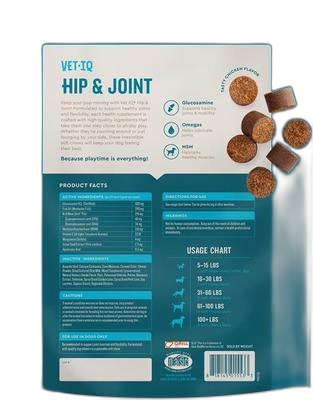
VetIQ Hip & Joint Soft Chew Joint Supplement for Dogs
VetIQ
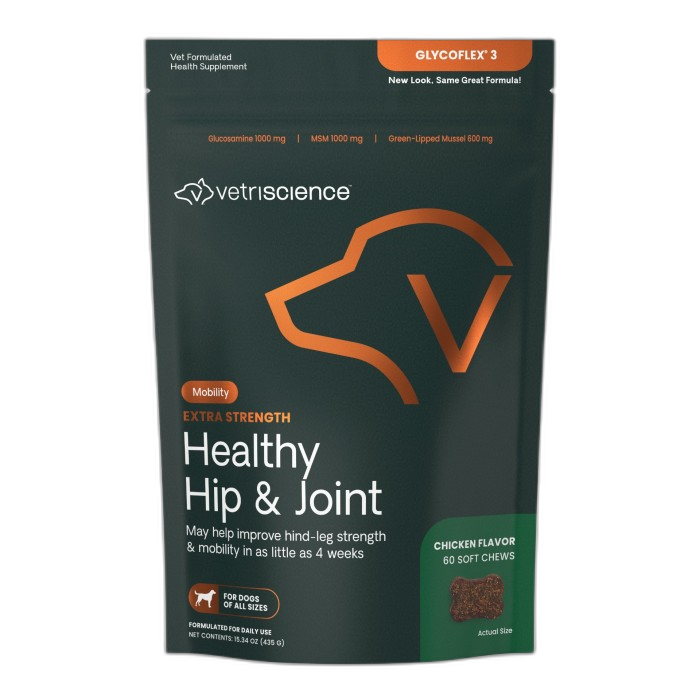
VetriScience GlycoFlex 3 Extra Strength Healthy Hip & Joint Chicken-Flavored Chews with Glucosamine & Green-Lipped Mussel Supplement for Dogs
VetriScience
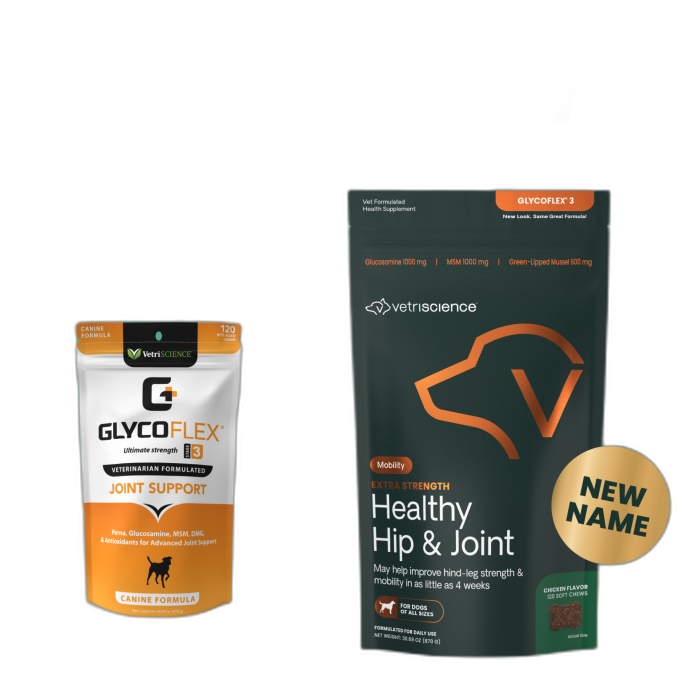
Vetriscience GlycoFlex Plus Joint Support for Dogs
VetriScience
Vet's Best Immune Support Dog Supplement
Vet's Best
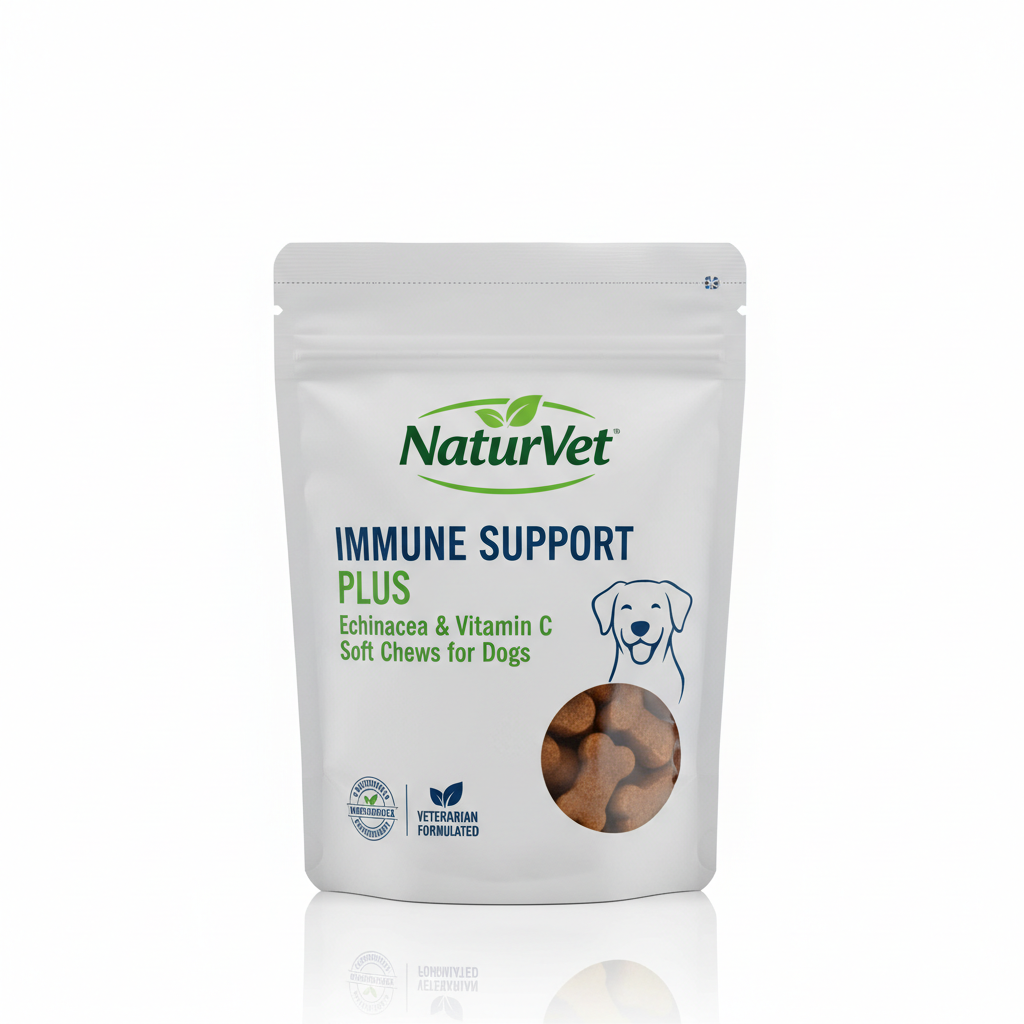
NaturVet Immune Support Plus Echinacea & Vitamin C Soft Chews for Dogs
NaturVet
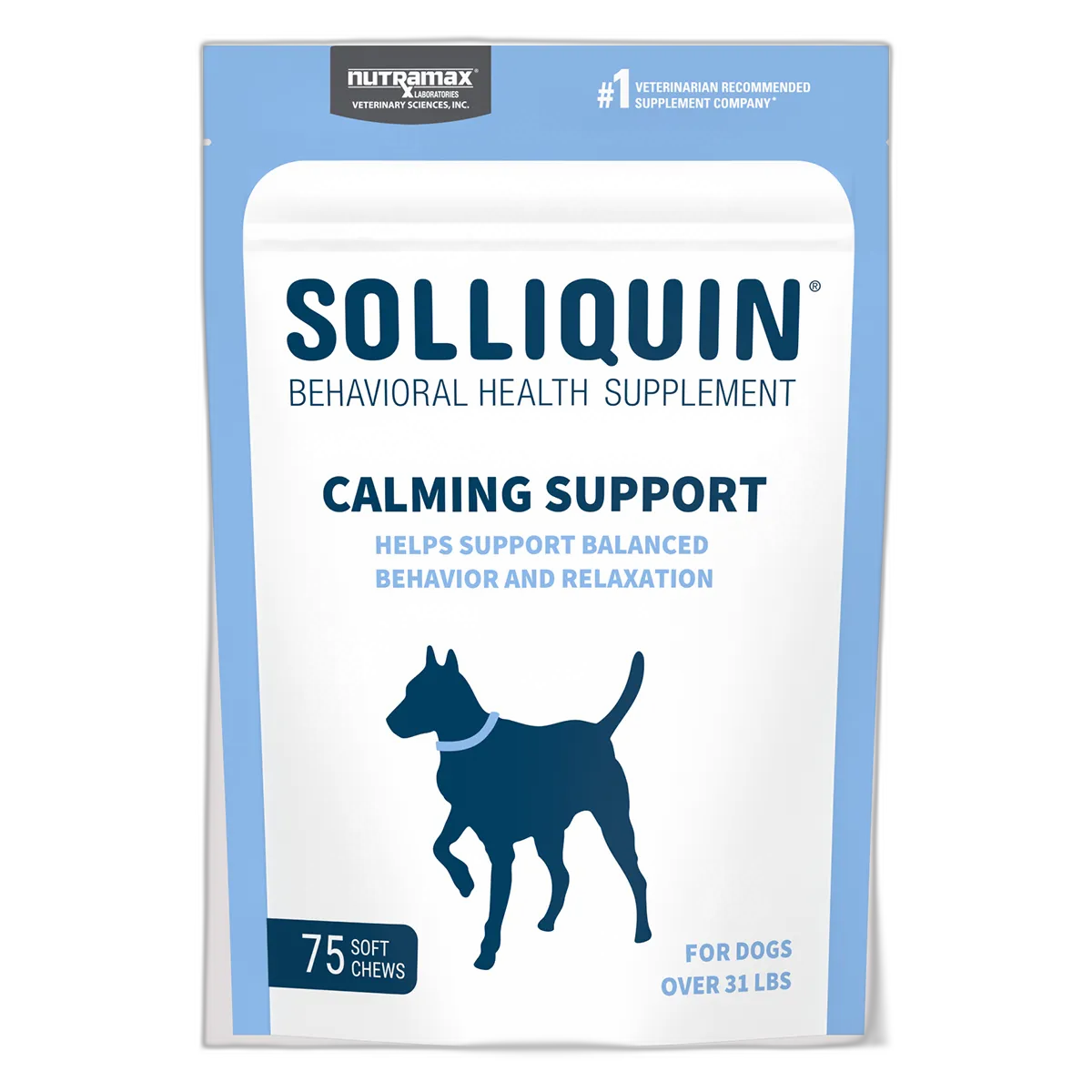
VetriScience Cell Advance 880 Immune Support for Dogs
VetriScience
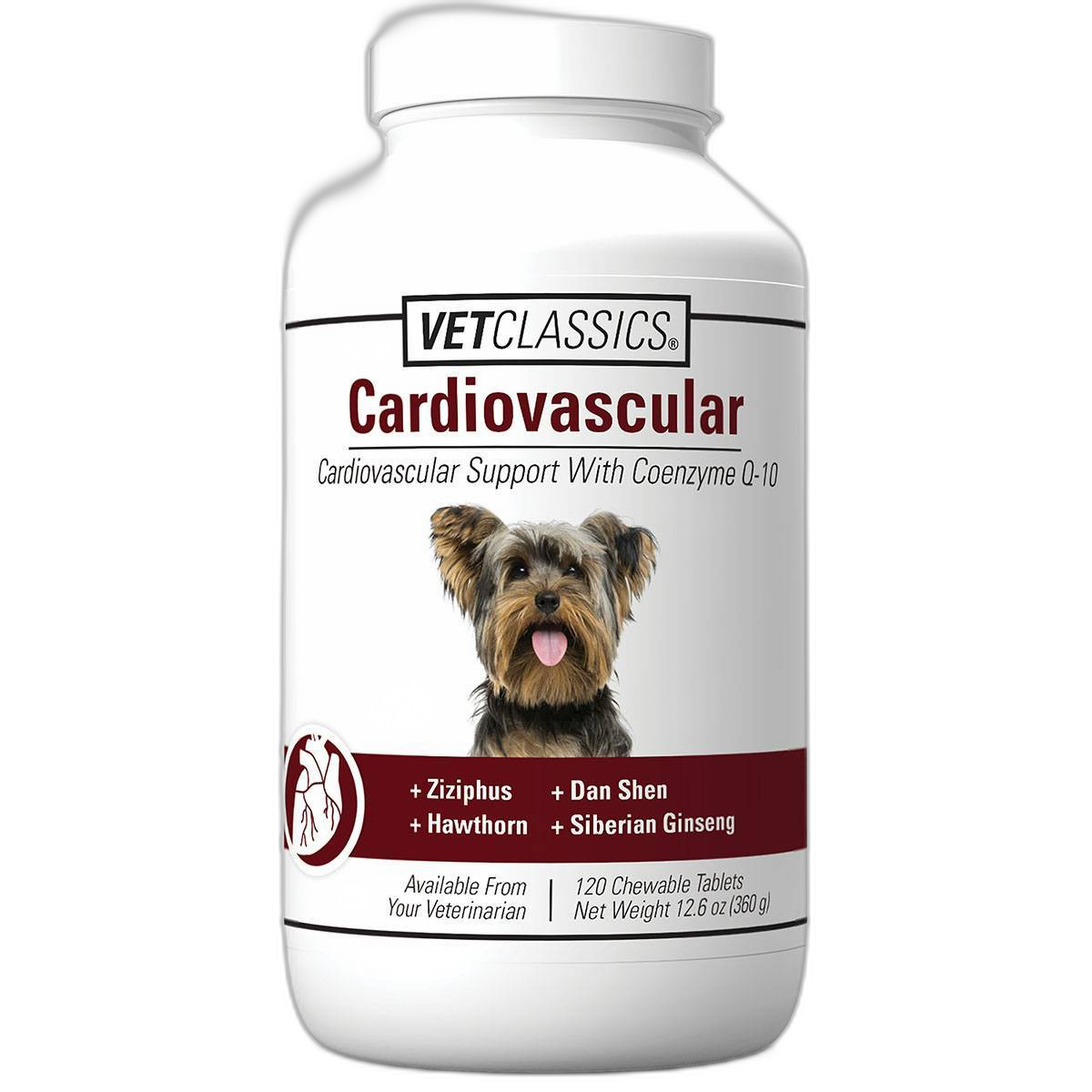
Cardiovascular Support with Coenzyme Q-10 Chewable Tablets Dog Supplement
VetClassics