Yucca Schidigera
anti-inflammatory
Yucca schidigera, a plant native to the arid regions of North and Central America, has gained attention in the pet wellness space. Its extracts are increasingly found in pet foods and supplements, touted for a range of potential health benefits, particularly for dogs and cats. This guide explores what yucca schidigera is, why it's used in pet products, its purported advantages, and important considerations regarding its safety and appropriate dosage for our animal companions.
What Is Yucca Schidigera? And Is It Safe for Dogs?
Yucca schidigera is a hardy succulent belonging to the Agavaceae family. Historically, indigenous peoples used various parts of the yucca plant for medicinal purposes, soap, and food. For pets, it's typically the root or stem extract that's utilized, rich in compounds like saponins and polyphenols.
The primary reason yucca schidigera is considered safe for dogs, and indeed included in many commercial pet foods, is its long history of use and the relatively low toxicity profile of its extracts. However, "safe" doesn't mean without nuance. Like any supplement or dietary additive, the safety of yucca schidigera depends on several factors: the quality of the extract, the dosage given, the individual pet's health status, and potential interactions with other medications or conditions.
The compounds within yucca schidigera, particularly the saponins, are responsible for many of its observed effects. While beneficial in controlled amounts, excessive saponin intake can lead to gastrointestinal upset. Therefore, while generally recognized as safe (GRAS) by regulatory bodies for use in animal feed, responsible application is key. Pet owners should always consult with a veterinarian before introducing any new supplement, especially if their dog has pre-existing health issues or is on medication.
What's Yucca Schidigera and Why Is It in My Pet's Food?
Yucca schidigera extract is a natural ingredient derived from the yucca plant. It's incorporated into pet foods and supplements for several reasons, primarily due to its active compounds: saponins and polyphenols.
One of the most well-known applications of yucca schidigera in pet food is its ability to reduce the odor of urine and feces. Saponins are believed to bind with ammonia and other odor-causing compounds in the gut, leading to a noticeable reduction in waste smell. This is a significant benefit for pet owners, especially those with indoor cats or multiple dogs.
Beyond odor control, yucca schidigera is also included for its potential anti-inflammatory and antioxidant properties. The polyphenols and other phytochemicals in the extract are thought to help mitigate oxidative stress and inflammatory responses within the body. This has implications for joint health and overall well-being, particularly in aging pets or those with inflammatory conditions.
Some manufacturers also include it for its digestive support properties. While not a direct probiotic, it may contribute to a healthier gut environment, which can indirectly aid in nutrient absorption and overall digestive function.
In essence, yucca schidigera serves as a multi-functional ingredient in pet food, addressing issues from environmental odor to internal physiological support. Its natural origin also appeals to consumers seeking more "natural" ingredients for their pets' diets.
Yucca For Dogs | Discomfort Relief & Digestive Support
Many pet owners turn to yucca schidigera as a natural option for discomfort relief, particularly related to joint issues, and for digestive support.
Discomfort Relief: A Natural Anti-Inflammatory for Dogs
The saponins and polyphenols in yucca schidigera are central to its potential as a natural anti-inflammatory for dogs. Inflammation is a complex biological response, and chronic inflammation can contribute to various health problems, including osteoarthritis, allergies, and certain skin conditions.
- Saponins: These compounds have been studied for their ability to modulate immune responses and reduce inflammatory mediators. In the context of joint discomfort, this could mean less pain and stiffness for dogs experiencing conditions like arthritis. By helping to reduce the inflammatory cascade, yucca may offer a gentle alternative or complementary approach to managing chronic pain.
- Polyphenols: These are potent antioxidants that combat free radicals, which are unstable molecules that can damage cells and contribute to inflammation. By neutralizing free radicals, polyphenols help protect tissues and reduce oxidative stress, thereby supporting the body's natural healing processes and potentially reducing the perception of pain.
While yucca schidigera is not a pharmaceutical painkiller, its anti-inflammatory properties suggest it could contribute to improved comfort and mobility for dogs, especially those with age-related joint stiffness or mild inflammatory conditions. It's often considered as part of a to managing chronic discomfort.
Digestive Support
Yucca schidigera's role in digestive support extends beyond its odor-reducing capabilities.
- Odor Reduction: As mentioned, saponins bind to ammonia in the gut, reducing the pungent smell of waste. This is not just an aesthetic benefit; high levels of ammonia can be irritating to the digestive tract.
- Gut Health: While not a probiotic or prebiotic, some research suggests that yucca schidigera can influence the gut microbiome. By potentially inhibiting the growth of certain undesirable bacteria and promoting a more balanced microbial environment, it may contribute to better digestion and nutrient absorption. A healthier gut can also lead to more consistent stool quality.
- Appetite Stimulation: In some cases, particularly with animals recovering from illness or those with poor appetites, yucca schidigera has been observed to stimulate appetite. This is thought to be related to its general supportive effects on the digestive system.
For pets with sensitive stomachs or those prone to digestive upset, yucca schidigera might offer a mild, supportive role. However, it's important to differentiate between general digestive support and treating specific gastrointestinal diseases, which require veterinary diagnosis and intervention.
The Use of Yucca Schidigera Extract in Pet Food
Yucca schidigera extract is a common inclusion in many commercial pet foods, both wet and dry, as well as in treats and specialized supplements. Its inclusion is often highlighted by manufacturers as a beneficial natural ingredient.
When reviewing pet food labels, you might see "yucca schidigera extract" listed among the ingredients. The form can vary; it might be a powdered extract, a liquid concentrate, or part of a broader herbal blend. The concentration will also differ between products.
Why Pet Food Manufacturers Use It:
Considerations for Pet Food Inclusion:
- Concentration: The amount of yucca schidigera in pet food is typically much lower than what would be found in a targeted supplement. This is usually sufficient for odor control, but its therapeutic effects for conditions like severe joint inflammation might be minimal at these lower dietary concentrations.
- Bioavailability: How well the active compounds are absorbed and utilized by the pet's body can be influenced by the food matrix and processing methods.
- Quality Control: The source and purity of the yucca extract can vary. Reputable pet food brands generally source high-quality ingredients, but it's always worth researching the manufacturer.
For pet owners relying solely on pet food for yucca benefits, it's important to understand that the primary effect might be odor reduction. If targeting specific conditions like chronic joint pain, a dedicated yucca schidigera supplement with a controlled dosage might be more appropriate, under veterinary guidance.
Animal Essentials Yucca Joint & Digestion Herbal Extract and Other Supplements
While yucca schidigera is found in many pet foods, dedicated supplements often offer more concentrated and targeted dosages, particularly when addressing specific health concerns like joint discomfort or significant digestive issues. Products like Animal Essentials Yucca Joint & Digestion Herbal Extract are examples of such specialized formulations.
Types of Yucca Schidigera Supplements:
- Liquid Extracts: These are often tinctures, like the Animal Essentials product, which allow for flexible dosing and can be easily mixed into food or water. They are typically concentrated and designed for specific therapeutic purposes.
- Powdered Supplements: Yucca schidigera powder can be sprinkled over food. These are also concentrated and allow for adjustable dosing.
- Capsules/Tablets: Less common for yucca alone, but sometimes found in combination supplements for joint health.
Choosing a Yucca Schidigera Supplement:
When considering a yucca schidigera supplement for your dog or cat, several factors come into play:
Dosage and Administration:
Dosage is critical for both effectiveness and safety. Too little may not provide benefits, while too much can lead to adverse effects.
| Pet Weight (Approx.) | Typical Starting Dosage (Liquid Extract, e.g., 1:4 conc.) | Considerations |
|---|---|---|
| Small Dogs (up to 20 lbs) | 0.25 - 0.5 ml, once daily | Start low, observe for effect and tolerance. |
| Medium Dogs (21-50 lbs) | 0.5 - 1 ml, once daily | Can be given with food to minimize GI upset. |
| Large Dogs (51-100 lbs) | 1 - 2 ml, once daily | Some larger dogs may benefit from twice daily dosing for specific issues. |
| Giant Dogs (100+ lbs) | 2 - 3 ml, once daily | Adjust based on individual response and vet advice. |
| Cats (all sizes) | 0.1 - 0.25 ml, once daily | Cats are more sensitive; extremely cautious dosing is advised. |
Important Considerations for Yucca Schidigera Dosage Dogs and Cats:
- Start Low, Go Slow: Always begin with the lowest recommended dose and gradually increase if needed, while monitoring your pet's response.
- With Food: Administering yucca with food can help minimize the risk of gastrointestinal upset.
- Consistency: For conditions like joint discomfort, consistent daily administration is usually necessary to see potential benefits.
- Individual Response: Every pet is different. What works for one may not work for another. Observe your pet for any changes in behavior, appetite, or stool consistency.
- Long-Term Use: For chronic conditions, yucca may be used long-term, but periodic breaks (e.g., a week off every few months) are sometimes recommended by holistic vets to prevent the body from becoming desensitized or to assess ongoing need.
- Adverse Effects: While rare at appropriate doses, potential side effects include vomiting, diarrhea, or reduced appetite. If these occur, discontinue use and consult your veterinarian. Cats are generally more sensitive to saponins, so extra caution is warranted.
Yucca Schidigera Safety Pets: Potential Side Effects and Precautions
While generally considered safe, understanding the potential side effects and necessary precautions for yucca schidigera safety in pets is crucial.
Potential Side Effects:
The most common side effects of yucca schidigera, especially at higher doses, are gastrointestinal in nature:
- Vomiting: Irritation of the stomach lining can lead to nausea and vomiting.
- Diarrhea: Alterations in gut motility or irritation can cause loose stools.
- Reduced Appetite: Some pets may experience a temporary decrease in appetite, possibly due to stomach upset.
- Lethargy: In rare cases, if significant GI upset occurs, pets might appear subdued or lethargic.
These side effects are typically mild and resolve upon reducing the dose or discontinuing the supplement. Cats tend to be more sensitive to saponins than dogs, so feline dosing requires particular care.
Precautions:
When to Consult Your Veterinarian:
It is always advisable to consult your veterinarian before starting yucca schidigera, especially if your pet:
- Has a chronic illness (e.g., heart disease, diabetes, kidney disease).
- Is taking prescription medications.
- Is pregnant or nursing.
- Is a very young puppy or kitten.
- Experiences any adverse reactions after starting the supplement.
- Shows no improvement in symptoms after a reasonable trial period.
Your vet can help determine if yucca schidigera is appropriate for your pet's specific needs, recommend an appropriate dosage, and advise on potential interactions or contraindications. They can also rule out other underlying health issues that might be causing symptoms you're trying to address with yucca.
FAQ
Is Yucca schidigera good for dogs?
Yucca schidigera can be beneficial for dogs, primarily known for its ability to reduce the odor of urine and feces. It also contains compounds with potential anti-inflammatory and antioxidant properties, which may help with joint discomfort and support overall wellness. However, its effectiveness for specific conditions can vary, and it should be used appropriately.
What is the one meat to never feed a dog?
While not a single "meat," it's generally advised to never feed dogs raw pork due to the risk of trichinosis (a parasitic infection) and any meat containing bones that can splinter (like cooked chicken or turkey bones), as these pose a choking hazard and can cause internal injuries. Additionally, highly processed meats with excessive salt, spices, or preservatives are best avoided.
What does Oprah feed her dog?
Specific details about what Oprah Winfrey feeds her dogs are not publicly detailed or consistently available. However, like many conscientious pet owners, it's likely her dogs receive a high-quality commercial dog food, possibly supplemented with fresh, vet-approved ingredients.
Conclusion
Yucca schidigera offers a natural ingredient with several potential benefits for dogs and cats, ranging from practical odor control to supportive roles in managing inflammation and aiding digestion. Its inclusion in pet foods and specialized supplements reflects a growing interest in natural alternatives for pet wellness. However, like any supplement, responsible use is paramount. Understanding the appropriate dosage, potential side effects, and when to seek veterinary guidance ensures that yucca schidigera can be a beneficial addition to your pet's health regimen, rather than a cause for concern. Always prioritize a discussion with your veterinarian to tailor any health approach to your individual pet's needs.
Products Containing Yucca Schidigera
Top-rated supplements featuring this ingredient, ranked by our PSI+ score.
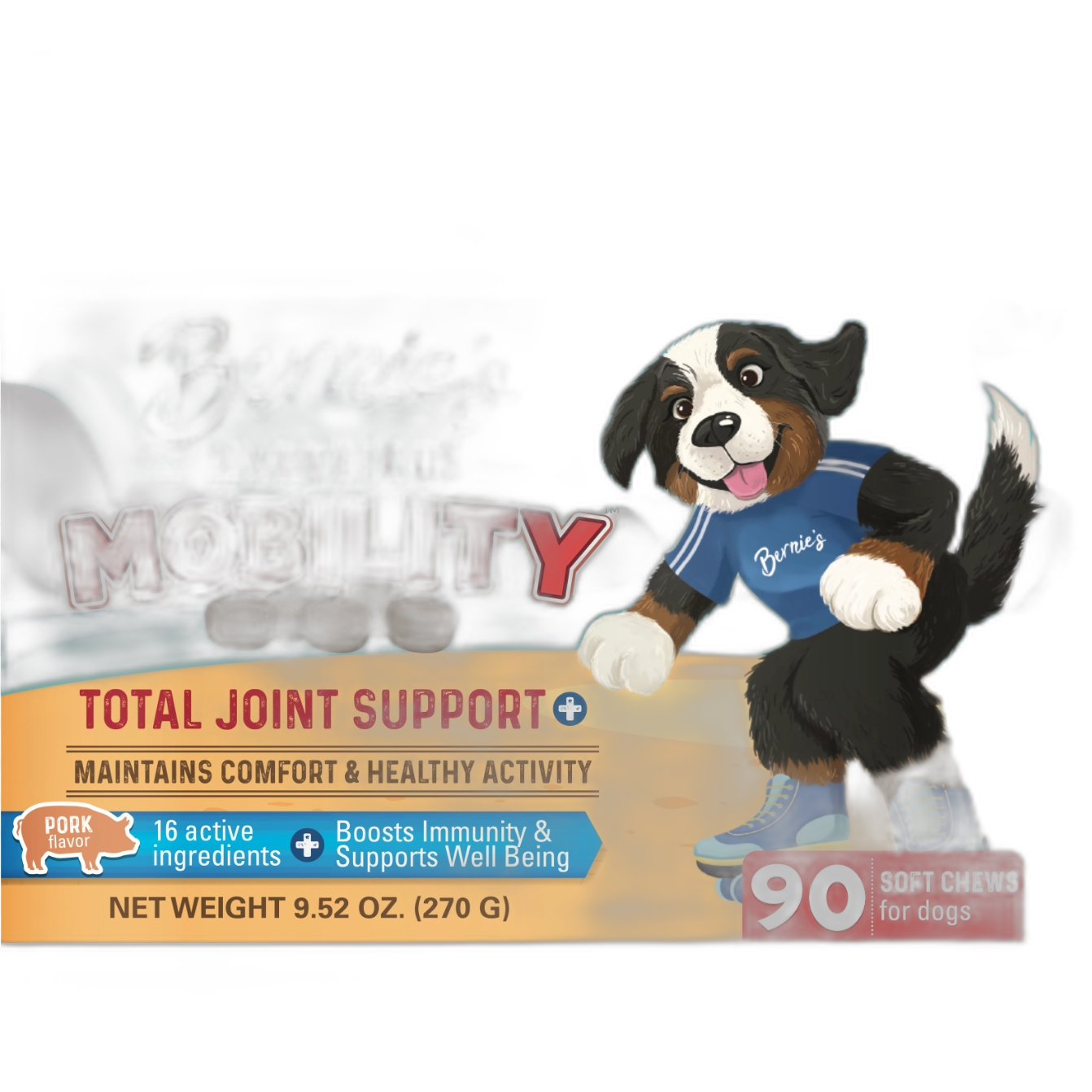
Bernie's Marvelous Mobility Daily Hip & Joint Supplement
Bernie's
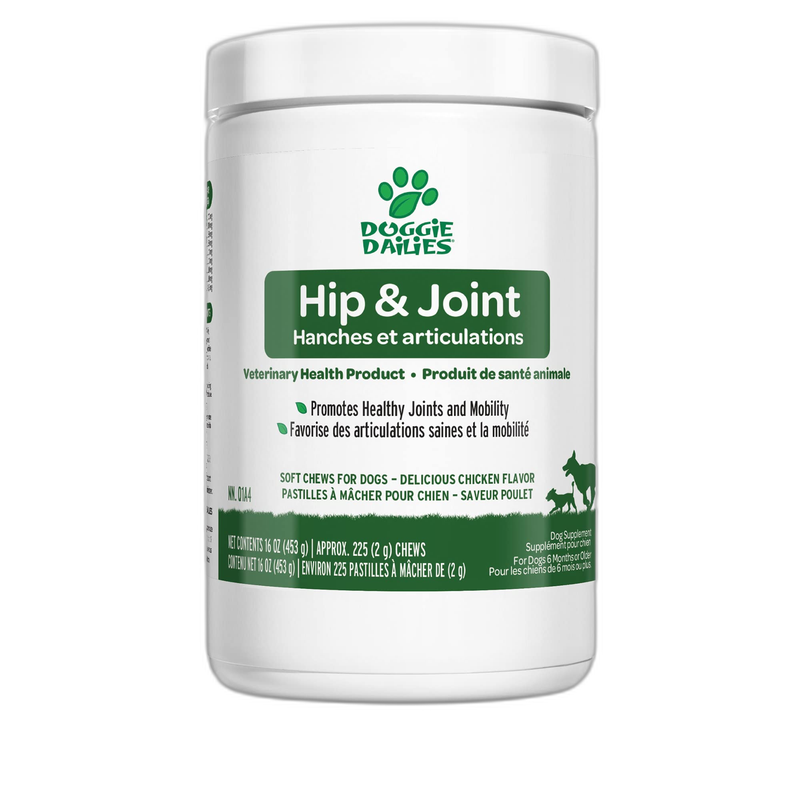
Doggie Dailies Glucosamine for Dogs Advanced Hip & Joint Supplement
Doggie Dailies
NaturVet Coprophagia Stool Eating Deterrent Plus Breath Aid for Dogs
NaturVet
Vet's Best Gas Busters Dog Supplement
Vet's Best