Turmeric (Curcumin)
anti-inflammatory
Effective Dose Range (dog)
Min Effective
5 mg/kg body weight
Optimal Low
10 mg/kg body weight
Optimal High
20 mg/kg body weight
Upper Limit
50 mg/kg body weight
Research Evidence
Safety Data
Poor bioavailability without piperine or lipid carrier. May affect blood clotting at high doses. Avoid in dogs with gallbladder disease. Can stain fur and fabrics.
Mechanism of Action
Inhibits NF-κB pathway reducing inflammatory gene expression. Scavenges free radicals protecting joint tissue. Modulates COX-2 and LOX enzymes similar to NSAIDs but without GI side effects.
Many pet owners explore natural remedies to support their companions' health. Among these, turmeric, specifically its active compound curcumin, frequently comes up as a potential supplement for addressing various inflammatory conditions and promoting general well-being in dogs and cats. This guide aims to clarify what turmeric and curcumin are, their potential benefits, appropriate dosages, and important safety considerations for pet owners.
Understanding Turmeric and Curcumin for Pets
Turmeric is a spice derived from the root of the Curcuma longa plant. While turmeric itself is widely recognized, the primary compound responsible for its purported health benefits is curcumin. Curcumin is a polyphenol, a type of plant compound known for its antioxidant properties. When discussing "turmeric (curcumin) for dogs," it's important to understand that most of the research and therapeutic applications focus on curcumin itself, rather than the whole turmeric spice, due to curcumin's higher concentration of active compounds.
The interest in curcumin for pets stems from its traditional use in human medicine and a growing body of scientific literature suggesting anti-inflammatory, antioxidant, and even some anti-cancer properties. However, curcumin's bioavailability – how well it's absorbed and utilized by the body – is naturally low. This is why many turmeric (curcumin) supplement products for both humans and pets incorporate ingredients like piperine (an extract from black pepper) or use specialized formulations to enhance absorption.
For pet owners considering a turmeric (curcumin) supplement for their animals, understanding the distinction between whole turmeric powder and concentrated curcumin extracts is crucial. Whole turmeric powder, while containing curcumin, has a much lower concentration (typically 2-5%) compared to standardized curcumin extracts (often 95% curcuminoids). This difference directly impacts the efficacy and required dosage.
Turmeric Curcumin Bites™ for Dogs: A Common Approach
Many commercial pet supplements offer turmeric or curcumin in palatable forms, such as "bites" or soft chews. These products aim to simplify administration and improve compliance, especially for pets that might resist pills or powdered supplements mixed into food.
The appeal of Turmeric Curcumin Bites™ for Dogs lies in their convenience. They often combine curcumin with other beneficial ingredients, and crucially, many include a bioavailability enhancer like piperine. Without such an enhancer, much of the curcumin might pass through the digestive system without being absorbed, limiting its potential effects.
When evaluating these types of products, consider:
- Curcumin Concentration: What percentage of curcuminoids does the product guarantee? A higher concentration generally indicates a more potent product.
- Bioavailability Enhancement: Does it contain piperine (often listed as BioPerine® or black pepper extract) or another absorption-boosting technology? This is a critical factor for effectiveness.
- Other Ingredients: Are there fillers, artificial flavors, or other ingredients that might be unnecessary or potentially harmful to your pet?
- Palatability: While bites are designed to be tasty, some pets can be particular. Reading reviews about palatability can be helpful.
While convenient, it's important not to assume that all "bites" or chews are equally effective. The formulation matters more than the form factor. For example, a chew with unenhanced turmeric powder will likely offer minimal benefits compared to a properly formulated curcumin extract.
Turmeric for Dogs: Broad Considerations
When considering turmeric for dogs, it's helpful to differentiate between using the culinary spice and a targeted supplement.
- Culinary Turmeric: Adding a small pinch of turmeric powder to your dog's food occasionally is generally considered safe and might offer a minor antioxidant boost. However, due to the low curcumin content and poor absorption, it's unlikely to provide significant therapeutic benefits for conditions like chronic inflammation. It's more about adding a healthy ingredient than a medicinal treatment.
- Therapeutic Turmeric (Curcumin) Supplements: For addressing specific health concerns, a standardized curcumin extract designed for pets is typically recommended. These products are formulated to deliver a higher, more consistent dose of curcumin and often include absorption enhancers.
The primary reasons pet owners explore turmeric for dogs include:
- Joint Health: As a natural anti-inflammatory for dogs, curcumin is often used to help manage pain and stiffness associated with osteoarthritis and other degenerative joint conditions.
- Skin Allergies: Its anti-inflammatory properties may help reduce pet inflammation related to allergic skin reactions, potentially easing itching and discomfort.
- Digestive Issues: Some anecdotal reports suggest curcumin might aid in soothing an inflamed digestive tract, though more research is needed in this area for pets.
- Antioxidant Support: Curcumin acts as an antioxidant, helping to combat oxidative stress and cellular damage, which can contribute to aging and various diseases.
- Cancer Support: While not a cure, some preliminary research in humans and animals suggests curcumin may have anti-cancer properties, potentially inhibiting tumor growth or enhancing the effects of conventional treatments. This area requires careful consultation with a veterinary oncologist.
It's crucial to remember that turmeric and curcumin are not standalone treatments for serious medical conditions. They are best considered as complementary therapies, used in conjunction with veterinary care.
Curcumin for Dogs: Focusing on the Active Compound
As previously mentioned, curcumin for dogs refers specifically to the active compound within turmeric. This distinction is critical for understanding efficacy and dosing. Most scientific studies investigating the health benefits of turmeric attribute them to curcuminoids, the group of compounds that includes curcumin.
Choosing a curmeric (curcumin) supplement that explicitly states its curcuminoid content (e.g., "95% curcuminoids") is generally a better approach than relying on generic turmeric powder if you're seeking therapeutic effects. The goal is to deliver a sufficient amount of the active ingredient to the body, and this is far more reliably achieved with concentrated extracts.
The benefits of curcumin for dogs are largely centered around its ability to modulate inflammatory pathways. Inflammation is a natural healing response, but chronic or uncontrolled inflammation can contribute to a host of health problems, including:
- Arthritis
- Allergies
- Irritable Bowel Disease (IBD)
- Certain cancers
- Heart disease
By helping to regulate these inflammatory responses, curcumin may provide relief and support overall health. However, the exact mechanisms and optimal dosages are still areas of ongoing research in veterinary medicine.
Turmeric and Curcumin—Health-Promoting Properties in Pets
The scientific literature on turmeric and curcumin—health-promoting properties in pets is growing, largely extrapolating from human studies and some direct animal research. The key properties include:
Anti-inflammatory Effects
Curcumin's primary recognized benefit is its potent anti-inflammatory action. It achieves this by inhibiting several molecular targets involved in inflammation, such as NF-κB, COX-2, and LOX enzymes. This makes it a potential candidate for managing various inflammatory conditions in dogs and cats.
Antioxidant Activity
Curcumin is a powerful antioxidant, capable of neutralizing free radicals and enhancing the body's own antioxidant enzymes. Oxidative stress plays a role in aging, chronic diseases, and tissue damage, so bolstering antioxidant defenses can be beneficial.
Pain Relief
Due to its anti-inflammatory properties, curcumin can contribute to pain relief pets experience from conditions like arthritis or post-surgical recovery. While it may not be as potent as pharmaceutical pain relievers, it can offer a gentler, more natural option, sometimes allowing for reduced doses of other medications under veterinary guidance.
Potential Anti-Cancer Effects
Research, primarily in laboratory settings and some animal models, indicates curcumin's potential in cancer prevention and treatment. It has been shown to induce apoptosis (programmed cell death) in cancer cells, inhibit tumor growth, and reduce metastasis. However, these are complex mechanisms, and curcumin should never replace conventional cancer treatments. It might be considered as an adjunctive therapy, always in consultation with a veterinary oncologist.
Gastrointestinal Support
Curcumin may help to soothe and protect the digestive tract due to its anti-inflammatory properties. This could potentially benefit pets with conditions like IBD, though more specific veterinary research is needed to establish clear guidelines.
Turmeric & Curcumin SoftSupps®: Product Considerations
Similar to the "bites" discussed earlier, Turmeric & Curcumin SoftSupps® are another common form of supplement. The "soft" aspect often refers to a chewable, often moist, texture that many pets find appealing.
When evaluating such products, the same principles apply:
- Active Ingredient Concentration: Look for the guaranteed analysis of curcuminoids.
- Bioavailability: Does it contain an enhancer? This is particularly important for soft chews, as the formulation can impact how well the curcumin is released and absorbed.
- Quality of Ingredients: Check for reputable manufacturers and avoid products with excessive fillers or artificial additives.
- Batch Testing: Some high-quality manufacturers will provide information about third-party testing to ensure purity and potency.
The convenience of soft chews makes them a popular choice for long-term supplementation, especially for senior pets or those with chronic conditions where consistent daily dosing is important. However, as with any supplement, consulting with your veterinarian before starting is essential to ensure it's appropriate for your pet's specific health needs and to discuss potential interactions with other medications.
Purified Curcumin for Pets: Natural Anti-Inflammatory Solutions
The term "Purified Curcumin for Pets: Natural Anti-Inflammatory" highlights the focus on the active compound and its primary benefit. These products are typically standardized extracts, often in capsule, powder, or liquid form, designed to deliver a concentrated dose of curcumin.
Compared to whole turmeric powder, purified curcumin offers several advantages:
- Higher Potency: A smaller dose can deliver a greater amount of active curcuminoids.
- Reduced Risk of Staining: Whole turmeric powder can stain fur, hands, and surfaces, which is less of an issue with purified extracts.
- Fewer Unnecessary Compounds: Purified extracts remove the bulk of the non-curcumin components of turmeric, which might include some compounds that are less beneficial or even potentially problematic in large quantities.
When choosing a purified curcumin product:
- Standardization: Look for products standardized to a high percentage of curcuminoids (e.g., 95%).
- Bioavailability Enhancers: Ensure it includes piperine or another proven absorption technology. Some advanced formulations use liposomal or micellar delivery systems, which claim even higher bioavailability.
- Formulation: Capsules are easy for some pets, while powders can be mixed into food. Liquids offer precise dosing but might have taste challenges. Choose what works best for your pet and your routine.
- Veterinary Specificity: Look for products specifically formulated and dosed for pets, rather than simply repurposing human supplements.
The use of purified curcumin for pets is generally aimed at providing a targeted natural anti-inflammatory for dogs and cats, helping to manage conditions that cause chronic pain, stiffness, or discomfort without the potential side effects associated with some conventional medications.
Turmeric (Curcumin) Dosage Dogs and Cats
Determining the correct turmeric (curcumin) dosage dogs and cats requires careful consideration and, ideally, consultation with a veterinarian. There is no single universally accepted dosage, as it depends on several factors:
- Pet's Weight: Larger animals generally require higher doses.
- Condition Being Treated: Higher doses might be used for acute inflammation or specific conditions, while lower doses could be for general wellness.
- Product Formulation: This is critical. A highly bioavailable, concentrated curcumin extract will require a much smaller dose than unenhanced turmeric powder. Always follow the manufacturer's instructions for the specific product you are using.
- Individual Pet Sensitivity: Start with a lower dose and gradually increase it while monitoring for any adverse reactions.
General Guidelines (Always Consult Your Vet)
These are very general starting points for standardized curcumin extracts with bioavailability enhancers and should be discussed with a veterinarian:
| Pet Weight (Dogs) | Approximate Daily Curcuminoid Dose |
|---|---|
| Small (1-10 lbs) | 50-100 mg |
| Medium (11-40 lbs) | 100-250 mg |
| Large (41-80 lbs) | 250-500 mg |
| Giant (80+ lbs) | 500-1000 mg |
For cats, the dosage is significantly lower due to their smaller size and different metabolism. A common starting point for cats is around 25-50 mg of curcuminoids per day, but again, this requires veterinary oversight.
Important Dosage Notes:
- Start Low, Go Slow: Always begin with the lowest recommended dose and gradually increase over several days or weeks while observing your pet.
- Divide Doses: Splitting the daily dose into two smaller doses (morning and evening) can help maintain more consistent levels in the body and reduce the risk of gastrointestinal upset.
- With Food: Administer curcumin with food to improve absorption and minimize stomach upset.
- Bioavailability is Key: If a product does not specify a bioavailability enhancer, its effective dose will be much higher, but its overall efficacy might still be limited.
Turmeric (Curcumin) Safety Pets: Potential Side Effects and Interactions
While generally considered safe, turmeric (curcumin) safety pets is an important aspect to understand. Like any supplement, it carries potential risks and interactions.
Potential Side Effects:
- Gastrointestinal Upset: The most common side effects are mild digestive issues such as nausea, vomiting, diarrhea, or constipation. This is often dose-dependent and can be mitigated by starting with a low dose and administering with food.
- Blood Thinning: Curcumin has mild anticoagulant properties, meaning it can thin the blood. This is generally not an issue for healthy pets, but it's a concern for pets undergoing surgery, those with bleeding disorders, or those already on blood-thinning medications.
- Gallbladder Issues: In some cases, curcumin can stimulate gallbladder contractions. While this might be beneficial for some, it could be problematic for pets with gallstones or bile duct obstructions.
- Iron Absorption: High doses of curcumin might interfere with iron absorption, which could be a concern for pets with iron deficiency anemia.
- Kidney Stones (Rare): Turmeric contains oxalates, which can contribute to kidney stone formation in susceptible individuals. However, the amount of oxalates from typical curcumin supplements is generally low.
- Allergic Reactions: Though rare, some pets might have an allergic reaction to turmeric or other ingredients in a supplement.
Drug Interactions:
- Blood Thinners: Curcumin can enhance the effects of anticoagulant medications (e.g., Warfarin, Aspirin, NSAIDs), increasing the risk of bleeding.
- Diabetes Medications: Curcumin might lower blood sugar levels, potentially interacting with insulin or other diabetes medications.
- Stomach Acid Reducers: Medications that reduce stomach acid could theoretically impact curcumin absorption, although this effect is not well-established in pets.
- Chemotherapy Drugs: While curcumin shows promise in cancer support, it's crucial to discuss its use with a veterinary oncologist, as it could potentially interfere with certain chemotherapy agents.
Contraindications:
- Pregnant or lactating animals.
- Pets with known bleeding disorders.
- Pets scheduled for surgery (discontinue at least 2 weeks prior).
- Pets with gallbladder disease or bile duct obstruction.
- Pets on multiple medications, especially those with narrow therapeutic windows.
Always consult your veterinarian before starting any new supplement, including turmeric or curcumin, especially if your pet has pre-existing health conditions or is on other medications. Your vet can help assess the risks and benefits for your specific pet and recommend an appropriate product and dosage.
FAQ
Can dogs have turmeric curcumin?
Yes, dogs can generally have turmeric curcumin, and it is often used as a supplement for its potential anti-inflammatory and antioxidant benefits. However, it's crucial to use a product specifically formulated for pets, follow proper dosing guidelines, and consult with a veterinarian, especially if your dog has underlying health conditions or is on other medications.
How much turmeric curcumin should I give my dog?
The appropriate turmeric (curcumin) dosage dogs depends on the dog's weight, the specific condition being addressed, and the concentration and bioavailability of the supplement. It's essential to follow the manufacturer's instructions on the pet-specific supplement and, most importantly, consult your veterinarian. General starting points for standardized curcumin extracts range from 50 mg for small dogs to 1000 mg for giant breeds daily, often split into two doses. Always start low and increase gradually.
What are the side effects of turmeric curcumin for dogs?
Potential side effects of turmeric curcumin for dogs are usually mild and mainly involve gastrointestinal upset (nausea, vomiting, diarrhea, constipation). Less common but more serious concerns include mild blood thinning effects (which can be problematic for dogs undergoing surgery or on other blood thinners), and potential interactions with certain medications. It can also stimulate gallbladder contractions, which could be an issue for dogs with gallbladder disease. Always discuss these potential side effects and interactions with your vet.
Conclusion
Turmeric (curcumin) has emerged as a popular natural supplement for pets, primarily due to its well-documented anti-inflammatory and antioxidant properties. For curious pet owners seeking clear, trustworthy information, the takeaway is that while promising, the efficacy and safety of turmeric (curcumin) for dogs and cats depend heavily on the product's formulation, proper dosing, and careful consideration of individual pet health.
Choosing a high-quality, bioavailable curcumin supplement, rather than just culinary turmeric powder, is key for potential therapeutic benefits. Always prioritize veterinary consultation before introducing any new supplement to your pet's regimen to ensure it aligns with their specific health needs and to avoid potential adverse effects or drug interactions. When used thoughtfully and under professional guidance, curcumin can be a valuable addition to a to pet wellness, particularly for managing inflammatory conditions and supporting overall health.
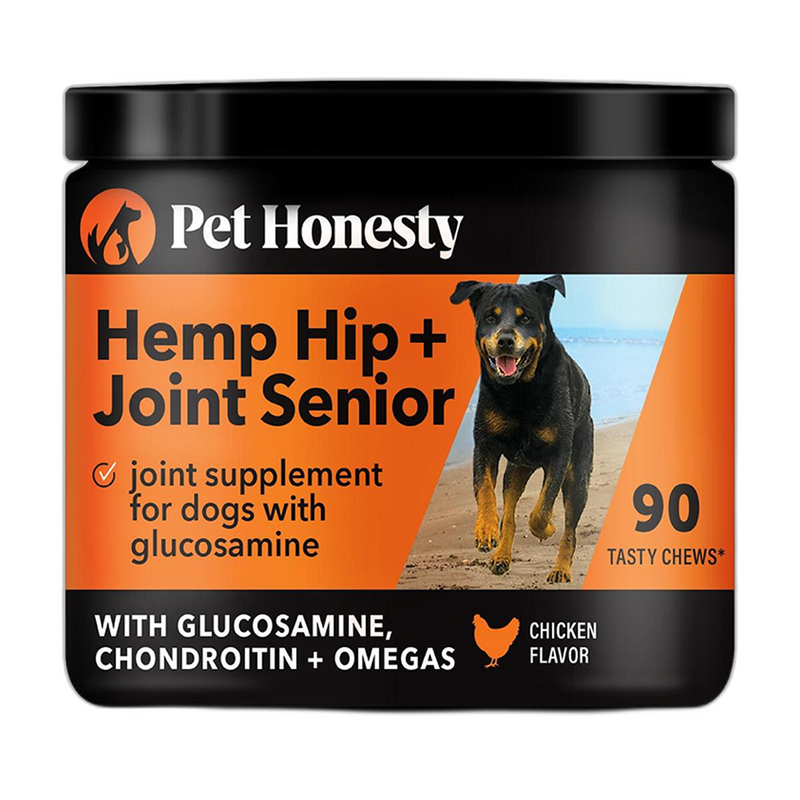
Products Containing Turmeric (Curcumin)
Top-rated supplements featuring this ingredient, ranked by our PSI+ score.