Arabinogalactan
prebiotic
Arabinogalactan, particularly from larch trees, is gaining attention as a prebiotic supplement for pets. This long-chain polysaccharide, a type of fiber, is not digested in the upper gastrointestinal tract. Instead, it travels to the colon where it serves as a food source for beneficial gut bacteria. The primary interest in arabinogalactan for dogs and cats centers on its potential to support digestive health, modulate immune function, and contribute to overall well-being. Understanding its mechanisms, appropriate dosages, and safety considerations is crucial for pet owners considering this supplement.
Understanding Arabinogalactan as a Prebiotic for Dogs and Cats
Arabinogalactan functions as a prebiotic, meaning it selectively stimulates the growth and activity of beneficial bacteria in the gut. For dogs and cats, a healthy gut microbiome is fundamental to digestion, nutrient absorption, and immune system function. When the balance of gut bacteria is disrupted, it can lead to various health issues, from digestive upset to compromised immunity.
Unlike probiotics, which introduce live beneficial bacteria, prebiotics like arabinogalactan nourish the existing beneficial flora. This approach helps create an environment where good bacteria can thrive and outcompete less desirable microbes. Specifically, arabinogalactan is known to support the growth of Bifidobacteria and Lactobacilli, two crucial types of bacteria for gut health.
The water-soluble nature of arabinogalactan makes it easy to incorporate into a pet's diet. It dissolves readily, allowing for easy mixing into food or water without altering taste or texture significantly. This characteristic is particularly beneficial for pets that might be finicky about new additions to their meals.
The practical implications of using arabinogalactan include its potential role in managing occasional digestive issues like mild diarrhea or constipation by promoting a more balanced gut environment. It may also be considered for pets undergoing stress, dietary changes, or antibiotic treatments, all of which can negatively impact gut flora. However, it's important to note that while beneficial, a prebiotic is not a cure-all for severe gastrointestinal diseases, which require veterinary diagnosis and treatment.
Consider a scenario where a dog has recently finished a course of antibiotics. Antibiotics, while necessary, often deplete beneficial gut bacteria alongside harmful ones. Supplementing with arabinogalactan during or after this period could help repopulate the gut with desirable microbes, potentially shortening recovery time and reducing post-antibiotic digestive upset. Another example might be an older cat experiencing intermittent constipation. Incorporating arabinogalactan could help improve stool consistency by supporting a healthier gut environment and promoting regular bowel movements.
Larch Arabinogalactan: A Closer Look for Dogs, Cats, and Horses
Larch arabinogalactan, specifically extracted from the Western Larch tree (Larix occidentalis), is the most common form used in supplements. The unique structure of larch arabinogalactan, a highly branched polysaccharide, contributes to its efficacy as a prebiotic and its potential immune-modulating properties.
The benefits extend beyond just dogs and cats to other animals, including horses, highlighting its broad applicability as a general gut health and immune support supplement in the animal kingdom. For horses, similar to smaller pets, maintaining a healthy gut is paramount for digestion, nutrient absorption, and performance.
One of the key aspects of larch arabinogalactan is its dual action: it acts as a fermentable fiber for gut bacteria and also interacts directly with immune cells. Research suggests that arabinogalactan can stimulate the activity of natural killer (NK) cells and macrophages, which are vital components of the innate immune system. This means it may not only support gut health indirectly by feeding beneficial bacteria but also directly contribute to a stronger immune response.
However, it's important to understand the trade-offs. The immune-modulating effects of larch arabinogalactan are generally considered supportive rather than a direct treatment for specific immune disorders. For instance, it can help bolster general immunity in a healthy pet but shouldn't replace conventional treatments for autoimmune diseases or severe infections.
Consider a pet that is prone to seasonal allergies or has a generally weaker immune system. Larch arabinogalactan might offer supportive benefits by strengthening the body's natural defenses. For a performance horse, maintaining optimal gut health through arabinogalactan supplementation could help prevent digestive upsets that might impact training and competition, and contribute to overall resilience. The key is viewing it as a supportive measure within a comprehensive health plan, rather than a standalone solution for complex health issues.
Arabinogalactan: More Than Just a Fiber
While commonly categorized as a fiber, arabinogalactan offers benefits that extend beyond simple bulk or laxative effects. Its specific chemical structure allows it to interact with the body in distinct ways, influencing both the digestive and immune systems.
The primary mechanism of action involves its fermentation by gut bacteria. When these bacteria ferment arabinogalactan, they produce short-chain fatty acids (SCFAs) like butyrate, propionate, and acetate. These SCFAs are crucial for gut health, serving as a primary energy source for colon cells, helping maintain the integrity of the intestinal lining, and exhibiting anti-inflammatory properties. This contributes to a healthier gut barrier, which is essential for preventing the leakage of toxins and undigested food particles into the bloodstream, a condition often referred to as "leaky gut."
Beyond SCFAs, arabinogalactan's interaction with immune cells is a significant area of interest. It is believed to bind to specific receptors on immune cells, such as macrophages, triggering a cascade of immune responses. This can lead to increased production of cytokines, which are signaling molecules that regulate immunity, and enhanced activity of immune cells responsible for identifying and eliminating pathogens.
A practical implication of these immune-modulating effects is its potential use during periods of increased stress or susceptibility to illness. For instance, a dog attending daycare or boarding kennels might be exposed to more pathogens. Supplementing with arabinogalactan could help fortify their natural defenses. Similarly, a cat recovering from surgery might benefit from enhanced immune support to aid in a smoother recovery.
However, it's crucial to distinguish between immune support and immune stimulation. Arabinogalactan is generally considered to modulate and support a healthy immune response, rather than hyper-stimulate it. This distinction is important, especially for pets with certain immune conditions, where excessive stimulation might be counterproductive. Always consult a veterinarian, particularly if a pet has a pre-existing immune disorder, before introducing new supplements.
Oral Administration of Arabinogalactan Affects Immune Function
The impact of arabinogalactan on immune function through oral administration is a key area of research and application for pet health. When ingested, arabinogalactan primarily works within the gut, but its influence extends systemically due to the strong connection between gut health and overall immunity.
The gut is often referred to as the largest immune organ in the body, housing a significant portion of the immune system. By promoting a healthy gut microbiome and supporting the integrity of the intestinal barrier, arabinogalactan indirectly strengthens the immune system. A robust gut barrier prevents harmful substances from entering the bloodstream, reducing systemic inflammation and allowing the immune system to focus its resources more effectively.
Directly, studies suggest that components of arabinogalactan can be absorbed and interact with immune cells in the gut-associated lymphoid tissue (GALT), a critical part of the immune system. This interaction can lead to the activation of various immune cells, including macrophages and natural killer (NK) cells, and the production of beneficial immune mediators. These effects contribute to a more balanced and responsive immune system.
For pet owners, this means arabinogalactan could be a valuable tool for supporting pets during times when their immune system might be under pressure. This includes periods of environmental stress, recovery from illness, or even simply maintaining optimal health in aging pets whose immune systems may naturally decline.
Consider a senior dog who seems to be catching minor infections more frequently. While not a substitute for veterinary care, adding arabinogalactan to their diet might provide some underlying immune support. Similarly, a cat with chronic, low-grade inflammatory issues might benefit from the gut-healing and anti-inflammatory properties of SCFAs produced by arabinogalactan fermentation, which in turn can help regulate immune responses.
However, it's important to manage expectations. Arabinogalactan is a supplement, not a pharmaceutical drug; its effects are typically subtle and supportive. It works best as part of a to pet health that includes a balanced diet, regular exercise, and appropriate veterinary care, and it does not replace vaccinations or specific treatments for infectious diseases.
Arabinogalactan Powder For Dogs & Cats: Practical Application
Arabinogalactan is most commonly available in powdered form, making it a versatile supplement for both dogs and cats. This form allows for easy dosage adjustment and integration into various feeding routines.
When selecting an arabinogalactan supplement, look for products that specify "larch arabinogalactan" as the source, ensuring you're getting the well-researched form. Purity is also important; ideally, choose products that are free from unnecessary fillers, artificial flavors, or preservatives that could potentially cause sensitivities in pets.
Dosage Guidelines
Determining the correct arabinogalactan dosage for dogs and cats is crucial for effectiveness and safety. While specific recommendations can vary slightly between manufacturers, general guidelines exist. It's always best to start with a lower dose and gradually increase it to the recommended amount, observing your pet for any changes.
General Arabinogalactan Dosage for Dogs and Cats:
| Pet Weight (approx.) | Dogs (Daily Dose) | Cats (Daily Dose) | Notes |
|---|---|---|---|
| Up to 10 lbs | 1/8 - 1/4 teaspoon | 1/8 teaspoon | Start low, increase gradually. |
| 11-25 lbs | 1/4 - 1/2 teaspoon | Not typically recommended for cats over 15 lbs. | Monitor for digestive changes. |
| 26-50 lbs | 1/2 - 1 teaspoon | N/A | Can be split into two daily doses. |
| 51-100 lbs | 1 - 2 teaspoons | N/A | Consult vet for larger breeds. |
| 100+ lbs | 2+ teaspoons | N/A | Higher doses may require veterinary guidance. |
These are general guidelines. Always follow the specific instructions on the product label or consult with your veterinarian.
For cats, due to their smaller size and often more sensitive digestive systems, a smaller dose is appropriate. Many cat owners find success starting with a very small pinch and slowly increasing over several days or even a week.
Administration
The powder can be easily mixed into wet food. For pets on a dry kibble diet, you might need to add a small amount of broth, water, or wet food to create a palatable mixture for the powder to adhere to. Most pets do not detect a significant taste or odor from pure larch arabinogalactan.
Safety Considerations
Arabinogalactan is generally considered safe for long-term use in dogs and cats when administered at appropriate dosages. However, as with any supplement, potential side effects and considerations exist:
- Digestive Upset: The most common side effects are mild and gastrointestinal, especially when starting with too high a dose. These can include gas, bloating, or loose stools. This is often due to the sudden introduction of fermentable fiber to the gut microbiome. Starting with a low dose and increasing gradually helps the gut adapt.
- Allergies: While rare, an individual pet could have an allergy to larch or other components. Discontinue use if you observe signs of an allergic reaction (e.g., itching, swelling, difficulty breathing).
- Interactions: Discuss with your veterinarian if your pet is on any medications or has underlying health conditions, particularly autoimmune diseases or diabetes. While not commonly associated with significant drug interactions, caution is always warranted. For diabetic pets, any supplement that influences gut flora can indirectly affect glucose metabolism, so monitoring is advised.
- Sourcing: Ensure the product is from a reputable source, ideally with third-party testing for purity and contaminants.
For example, if you introduce arabinogalactan to a dog and notice increased flatulence, it's a sign to reduce the dose and reintroduce it more slowly. If a cat develops diarrhea after starting the supplement, it's likely an indication of too much too soon, and the dose should be cut back significantly. Monitoring your pet's stools, energy levels, and overall demeanor after starting any new supplement is always a good practice.
FAQ
Is arabinogalactan safe for dogs?
Yes, arabinogalactan is generally considered safe for dogs when administered at appropriate dosages. It is a natural fiber extracted from larch trees and acts as a prebiotic, supporting gut health and immune function. However, as with any supplement, it's advisable to start with a low dose and gradually increase it, monitoring your dog for any digestive upset or adverse reactions. Consulting your veterinarian before starting any new supplement is always recommended, especially if your dog has existing health conditions or is on medication.
What are the side effects of arabinogalactan?
The most common side effects of arabinogalactan are mild gastrointestinal disturbances, particularly when introduced too quickly or at too high a dose. These can include:
- Gas (flatulence)
- Bloating
- Mild diarrhea or loose stools
- Abdominal discomfort
These effects are typically temporary and resolve by reducing the dose or introducing the supplement more gradually. Allergic reactions are rare but possible. If severe symptoms occur, such as persistent vomiting, severe diarrhea, lethargy, or signs of an allergic reaction (e.g., swelling, difficulty breathing), discontinue use and consult your veterinarian immediately.
What is the strongest natural anti-inflammatory for dogs?
Defining the "strongest" natural anti-inflammatory is complex, as efficacy can vary based on the specific condition, individual dog, and underlying cause of inflammation. Several natural substances are recognized for their anti-inflammatory properties, including:
- Omega-3 Fatty Acids (EPA and DHA): Found in fish oil, these are widely studied and known to reduce inflammation throughout the body.
- Turmeric/Curcumin: A powerful antioxidant and anti-inflammatory compound, often used for joint health.
- Boswellia Serrata (Frankincense): An herb with anti-inflammatory properties often used for joint pain and inflammatory bowel disease.
- Green-Lipped Mussel: Contains a unique combination of omega-3s, glycosaminoglycans, and antioxidants that support joint health and reduce inflammation.
- Arabinogalactan: While not directly an anti-inflammatory in the same way as some others, by supporting gut health and producing short-chain fatty acids, it can indirectly reduce systemic inflammation.
The best choice depends on the specific inflammatory condition and your dog's overall health. It's crucial to consult with your veterinarian to determine the most appropriate and effective natural anti-inflammatory strategy for your dog, as some natural remedies can interact with medications or be contraindicated for certain conditions.
Conclusion
Arabinogalactan stands out as a beneficial prebiotic and immune-supporting supplement for dogs and cats. Its ability to nourish beneficial gut bacteria, promote the production of short-chain fatty acids, and directly interact with immune cells makes it a valuable tool for maintaining digestive health and bolstering natural defenses. While generally safe and well-tolerated, careful attention to dosage and gradual introduction is key to avoiding mild digestive upset. For pet owners seeking to enhance their companion's gut health and overall immune resilience, particularly during periods of stress, dietary changes, or recovery, larch arabinogalactan offers a promising natural option. As with any supplement, a discussion with your veterinarian is advisable to ensure it aligns with your pet's individual health needs and existing care plan.
Products Containing Arabinogalactan
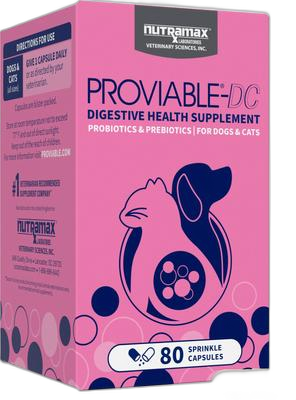
Top-rated supplements featuring this ingredient, ranked by our PSI+ score.