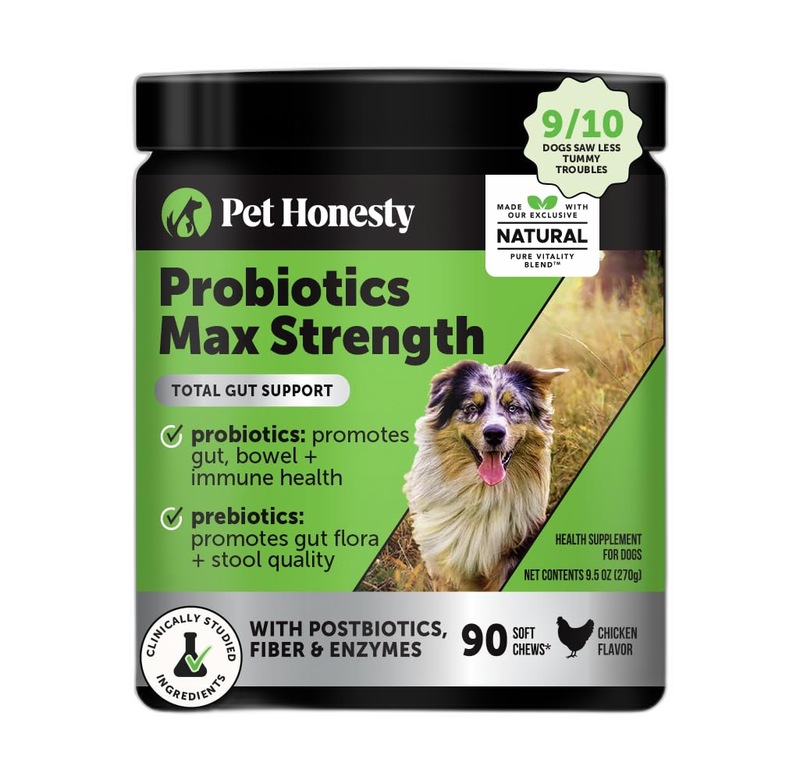
10-Strain Probiotic Blend
probiotic
A 10-strain probiotic blend for dogs and cats introduces a diverse range of beneficial microorganisms to their digestive systems. These blends aim to support gut health, which in turn can influence digestion, nutrient absorption, and immune function. Understanding the specific strains included, appropriate dosages, and potential safety considerations is important for pet owners considering such supplements.
Understanding Multi-Strain Probiotics for Pets
When a product is labeled as a "10-strain probiotic blend," it means it contains ten different types of beneficial bacteria or yeast. The idea behind using multiple strains rather than a single one is to provide a broader spectrum of support for the gut microbiome. Different probiotic strains can perform different functions within the digestive tract, and a diverse blend may offer more comprehensive benefits.
For pets, a healthy gut microbiome is crucial. It helps break down food, synthesize certain vitamins, and acts as a barrier against harmful pathogens. Disruptions to this delicate balance, often caused by diet changes, stress, antibiotics, or illness, can lead to digestive issues like diarrhea, constipation, gas, and even impact overall health. A multi-strain probiotic aims to restore and maintain this balance.
The specific strains chosen for a blend are important. Common probiotic genera found in pet supplements include Lactobacillus, Bifidobacterium, Enterococcus, and Saccharomyces. Each genus, and indeed each specific strain within that genus, can have unique properties. For instance, some Lactobacillus strains are known for their ability to produce lactic acid, which helps inhibit the growth of harmful bacteria, while certain Bifidobacterium strains might focus more on immune modulation.
When evaluating a 10-strain probiotic blend for dogs, consider the specific strains listed. Reputable manufacturers will typically detail these on the product label. Researching the individual benefits of these strains can provide insight into how the blend might support your pet's health. For example, a blend heavy in Lactobacillus acidophilus and Bifidobacterium animalis might be chosen for general digestive support, while one with Enterococcus faecium could be beneficial during periods of antibiotic use.
The number of Colony Forming Units (CFUs) is another critical factor. CFUs indicate the number of live, active microorganisms in each dose. A higher CFU count doesn't always mean a better product, but it does suggest a greater potential for beneficial bacteria to reach and colonize the gut. For a 10-strain blend, the total CFU count is typically given, representing the combined number of all ten strains.
Storage is also a practical consideration. Probiotics are live organisms, and their viability can be affected by heat, moisture, and light. Some blends require refrigeration, while others are shelf-stable. Always check the product label for storage instructions to ensure the probiotics remain effective until consumed.
Only Natural Pet® Dog Probiotic Blend Digestive Support
Only Natural Pet offers a probiotic blend specifically formulated for dogs, focusing on digestive support. These types of products often highlight natural ingredients and a commitment to pet well-being, which aligns with a growing trend among pet owners seeking holistic health solutions.
Only Natural Pet's Digestive Support aims to improve canine gut health by providing a targeted blend of probiotic strains. While the specific strains may change between product versions, common choices often include Lactobacillus acidophilus, Bifidobacterium animalis, and Lactobacillus plantarum. These are frequently chosen for their ability to help with digestion, lessen gas and bloating, and bolster immune function.
One practical implication of choosing a brand like Only Natural Pet is the emphasis on natural, often organic, ingredients. This can be a trade-off for some pet owners, as these products may sometimes come at a higher price point compared to more conventional supplements. However, for those concerned about artificial additives, fillers, or preservatives, such brands offer an appealing alternative.
Consider a scenario where a dog experiences intermittent digestive upset, such as soft stools after stress or dietary changes. A probiotic blend like this might be suggested as a daily supplement to help stabilize their gut flora. The blend of strains aims to re-establish a healthy microbial balance, potentially reducing the frequency and severity of such episodes. For example, Lactobacillus casei is often included in blends for its role in maintaining gut motility and regularity, which could be beneficial for dogs prone to both diarrhea and constipation.
Another edge case might involve dogs with sensitive stomachs or food allergies. While probiotics are not a cure for allergies, supporting a healthy gut can sometimes improve nutrient absorption and reduce inflammation, which might indirectly alleviate some allergy symptoms. However, it's important to consult a veterinarian to rule out underlying medical conditions before relying solely on supplements.
When evaluating Only Natural Pet's or similar "natural" blends, look for transparency in their labeling. A reputable product will clearly list the specific strains, the CFU count per dose, and any additional ingredients. Some blends might also include prebiotics (like FOS or inulin), which are non-digestible fibers that act as food for the probiotic bacteria, further enhancing their effectiveness. This synergistic approach, combining probiotics and prebiotics, is often referred to as a "synbiotic."
Veterinary-Selected Probiotics for Dogs
When a veterinarian recommends or selects a probiotic for dogs, their choice is typically guided by scientific evidence, clinical experience, and the specific health needs of the animal. This often means focusing on strains with established efficacy for canine health issues.
The core idea behind veterinary selection is to move beyond generic "gut health" claims and target specific physiological responses. Veterinarians might recommend certain strains for acute diarrhea, others for chronic inflammatory bowel conditions, and still others for immune support or stress-related digestive upset.
For instance, Enterococcus faecium SF68 is a strain frequently recommended by veterinarians, particularly for dogs experiencing diarrhea. Studies have shown its effectiveness in shortening the duration of acute diarrhea and improving stool quality. Another commonly recommended strain is Bifidobacterium animalis AHC7, which has demonstrated benefits in canine gastrointestinal health, including reducing flatulence and improving stool consistency.
A practical implication of veterinary-selected probiotics is that they often come with more robust scientific backing, including peer-reviewed studies conducted specifically on dogs. This can provide a higher degree of assurance regarding their effectiveness and safety compared to products with less research. The trade-off might be that these products are sometimes only available through veterinary clinics or specialized online pharmacies, and their cost can be higher.
Consider a scenario where a dog is undergoing antibiotic treatment. Antibiotics, while necessary, can disrupt the natural gut flora by killing off beneficial bacteria along with harmful ones. A veterinarian might prescribe a specific probiotic, such as Saccharomyces boulardii (a beneficial yeast rather than bacteria), to be given concurrently or after the antibiotic course. S. Boulardii is often chosen because it is resistant to most common antibiotics and can help prevent antibiotic-associated diarrhea.
For dogs with chronic digestive issues like inflammatory bowel disease (IBD), a veterinarian might recommend a multi-strain probiotic blend. This blend would likely feature strains with anti-inflammatory properties or those known to modulate the immune system. The selection process here involves a thorough diagnostic workup to guide a targeted probiotic approach, moving beyond a general supplement.
When a veterinarian selects a probiotic, they also consider the delivery method. Some probiotics come in capsules, powders, or chewable tablets. For pets that are finicky eaters, a palatable chew or a powder that can be mixed into food might be preferred. The stability of the product is also a factor; veterinarians will often choose products that guarantee live bacteria delivery to the gut.
It's important to remember that while veterinarians rely on evidence, individual responses can vary. What works well for one dog might not be as effective for another. Open communication with your vet about your pet's response to any probiotic is key to determining the best course of action.
Probiotics for Active Sporting Dogs
Active sporting dogs, such as those involved in agility, hunting, or working roles, often experience higher levels of physical stress and demanding dietary needs. Probiotics formulated for these dogs aim to support their specific physiological requirements, particularly concerning digestion, nutrient absorption, and immune function under strenuous conditions.
The core idea behind "Balance - Probiotic for Active Sporting Dogs" or similar products is to optimize gut health to enhance performance and recovery. Intense physical activity can impact the gut microbiome, sometimes leading to imbalances that manifest as digestive upset, reduced energy, or a compromised immune system. Probiotics can help mitigate these effects.
Practical implications for sporting dogs include improved digestion of high-calorie, protein-rich diets. These dogs often consume specialized foods to meet their energy demands, and a healthy gut can ensure efficient breakdown and absorption of these nutrients. Probiotics can also help maintain gut barrier integrity, which is crucial as intense exercise can sometimes lead to "leaky gut" syndrome, where toxins can pass from the gut into the bloodstream.
Consider a scenario where a sporting dog is traveling frequently for competitions. Travel, changes in routine, and exposure to new environments can be significant stressors. A probiotic blend can help stabilize their digestive system, reducing the likelihood of stress-induced diarrhea or other gastrointestinal issues. For example, strains like Lactobacillus plantarum and Lactobacillus rhamnosus are often included for their stress-reducing potential and immune-modulating effects.
Consider dogs prone to muscle soreness or inflammation after intense workouts. While probiotics aren't a direct anti-inflammatory, a healthier gut microbiome can contribute to reduced systemic inflammation. Research suggests a link between gut health and overall inflammatory responses, which could indirectly benefit recovery in active dogs.
When evaluating a probiotic for active sporting dogs, look for blends that include strains known for:
- Digestive Efficiency: Strains that aid in breaking down complex carbohydrates and proteins.
- Immune Support: Strains that bolster the immune system, important for dogs exposed to various environments and potential pathogens.
- Stress Resilience: Strains that may help manage the gut-brain axis, potentially reducing stress-related digestive issues.
Additionally, these specialized probiotics might include complementary ingredients like digestive enzymes (to further aid nutrient breakdown) or antioxidants (to combat oxidative stress from exercise). The CFU count might also be higher in some formulations for sporting dogs, reflecting their increased physiological demands. The form of the supplement—often powders or palatable chews—is also designed for easy administration, even on the go.
Best Probiotics for Dogs: Recommendations and Considerations
Identifying the "best" probiotic for dogs is not a one-size-fits-all answer, as efficacy depends on individual needs, the specific health issue being addressed, and the quality of the product. However, veterinary recommendations and product research can guide pet owners.
The core idea behind compiling a list of "best" probiotics, as often found in articles like "9 Best Probiotics for Dogs in 2025, Recommended By Vets," is to distill complex information into actionable advice. These lists typically highlight products that meet certain criteria: scientific backing for their strains, appropriate CFU counts, reputable manufacturers, and positive anecdotal evidence or veterinary endorsement.
Practical implications involve understanding that "best" can mean different things. For a dog with chronic diarrhea, a probiotic with proven anti-diarrheal strains might be best. For a healthy dog needing general wellness support, a broad-spectrum multi-strain blend might be sufficient. The trade-off is often between highly specialized, potentially more expensive products and more general, accessible options.
Consider various scenarios:
Acute Diarrhea: Products containing Enterococcus faecium SF68 (e.g., FortiFlora) or Saccharomyces boulardii* are frequently recommended due to their established efficacy in resolving acute gastrointestinal upset. Antibiotic-Associated Diarrhea: Again, Saccharomyces boulardii* is a strong candidate as it's a yeast and not affected by antibiotics. Some multi-strain bacterial probiotics may also be used, but timing relative to antibiotic administration is crucial. Chronic Digestive Issues (e.g., IBD, sensitive stomach): A more diverse 10-strain probiotic blend with a variety of Lactobacillus and Bifidobacterium* species might be considered. Products that also include prebiotics can offer enhanced support. Immune Support: Specific strains like Lactobacillus rhamnosus* GG have been studied for their immune-modulating effects. Stress-Related Digestive Upset: Blends that include strains known to influence the gut-brain axis, such as Lactobacillus helveticus or Bifidobacterium longum*, might be beneficial.
When evaluating recommendations, look for transparency regarding the strains included and their respective CFUs. A reputable product will also have clear manufacturing standards, such as Good Manufacturing Practices (GMP) certification, ensuring quality and purity. Avoid products that make exaggerated claims without scientific support or those that don't list specific strains.
The format of the probiotic also plays a role. Powders are versatile and can be mixed into food, while chews might be more appealing to some dogs. Capsules can be given whole or opened and sprinkled. The stability of the probiotics (shelf-stable vs. Refrigerated) is another practical detail to consider for storage and convenience.
Ultimately, while "best" lists provide a starting point, they should always be discussed with a veterinarian who can assess your dog's individual health profile and recommend the most appropriate probiotic.
Proviable®-Forte Sprinkle Capsules For Dogs
Proviable®-Forte Sprinkle Capsules are an example of a specific probiotic product often recommended by veterinarians for dogs and cats, particularly for gastrointestinal upset. This product highlights the importance of targeted formulations for specific health concerns.
Proviable®-Forte aims to rapidly restore gut health with a concentrated blend of beneficial microorganisms and prebiotics. It typically includes well-researched bacterial strains like Enterococcus faecium, Streptococcus thermophilus, Bifidobacterium bifidum, Lactobacillus acidophilus, and Lactobacillus plantarum. The "Forte" designation signifies a higher concentration of these beneficial bacteria, making it suitable for more acute or severe digestive issues.
Practical implications include its use during episodes of diarrhea, stress-induced digestive upset, or alongside antibiotic treatment. The capsule format allows for precise dosing, and the ability to sprinkle the contents onto food makes it convenient for administration to pets who might refuse pills. The inclusion of prebiotics (like Fructooligosaccharides or FOS) alongside the probiotics means it's a synbiotic product, providing food for the beneficial bacteria to help them thrive in the gut.
Consider a scenario where a dog develops sudden acute diarrhea, perhaps after scavenging something inappropriate or due to a sudden diet change. A veterinarian might recommend Proviable®-Forte to help quickly re-establish a healthy microbial balance, firm up stools, and reduce the duration of the diarrhea. The high concentration of CFUs in the "Forte" version is designed for a more rapid impact.
Another edge case could be a cat experiencing chronic mild constipation. While primarily known for diarrhea, restoring gut flora balance with a product like Proviable can sometimes improve overall gut motility and stool consistency. However, for chronic conditions, a veterinarian would also investigate underlying causes.
When evaluating Proviable®-Forte, its key features are:
- Multi-strain formulation: A blend of several bacterial strains known to benefit canine and feline gut health.
- High CFU count: Designed for therapeutic effect, especially in acute situations.
- Synbiotic approach: Contains both probiotics and prebiotics for enhanced efficacy.
- Veterinarian recommended: Often a go-to product for vets dealing with GI issues.
- Convenient capsule form: Easy to administer by opening and sprinkling on food.
While Proviable®-Forte is generally well-tolerated, potential side effects are rare but can include mild gas or bloating as the gut adjusts. These usually subside quickly. It's crucial to follow the dosage instructions provided by your veterinarian or on the product label. As with any supplement, if your pet's condition worsens or does not improve, veterinary consultation is essential.
Comparison Table: Probiotic Considerations for Pets
Understanding the nuances between various probiotic options can help pet owners make informed decisions. Here's a comparison of key aspects:
| Feature | General 10-Strain Blend (e.g., many online brands) | Only Natural Pet® Digestive Support (Example) | Vet-Selected Probiotic (e.g., FortiFlora, Proviable-Forte) | Probiotic for Active Sporting Dogs (Example) |
|---|---|---|---|---|
| Primary Goal | Broad gut health, diversity | Natural, holistic digestive support | Targeted treatment for specific GI issues | Performance, recovery, stress resilience |
| Typical Strains | Diverse mix of Lactobacillus, Bifidobacterium | Common Lactobacillus, Bifidobacterium | E. Faecium SF68, S. Boulardii, specific Bifidobacterium | Specific Lactobacillus, Bifidobacterium for performance |
| CFU Count | Varies widely, often moderate to high | Moderate to high | High, often clinically effective doses | Often high, sometimes with added enzymes |
| Prebiotics Included? | Sometimes | Often (e.g., FOS, Inulin) | Often (e.g., FOS) | Sometimes |
| Formulation Emphasis | Diversity, general wellness | Natural ingredients, organic where possible | Research-backed strains, clinical efficacy | Enhanced nutrient absorption, immune support |
| Cost | Moderate to high | Moderate to high | Higher | Higher |
| Availability | Online, pet stores | Online, specialized pet stores | Veterinary clinics, specialized online pharmacies | Specialized pet stores, online, performance supply stores |
| Best For | General maintenance, mild ongoing support | Pets with sensitivities, natural preference | Acute diarrhea, antibiotic use, chronic GI disease | High-energy dogs, competitive animals |
| Key Considerations | Strain viability, actual CFU count | Ingredient sourcing, transparency | Specific condition, veterinary guidance | Stress factors, diet, activity level |
FAQ
Which probiotic strain is most effective for dogs?
There isn't a single "most effective" probiotic strain for all dogs, as effectiveness depends on the specific health issue being addressed. For acute diarrhea, Enterococcus faecium SF68 is often cited for its proven efficacy. For antibiotic-associated diarrhea, Saccharomyces boulardii is frequently recommended because it's a yeast and not affected by antibiotics. For general gut health and immune support, a blend of various Lactobacillus and Bifidobacterium strains can be beneficial. A veterinarian can help identify the most appropriate strain or blend for your dog's particular needs.
What does 10 strain probiotic mean?
A "10-strain probiotic" means the supplement contains ten different types or species of beneficial bacteria (or sometimes yeast). The purpose of including multiple strains is to provide a broader range of support for the gut microbiome. Different strains perform different functions within the digestive system, so a diverse blend aims to offer more comprehensive benefits, such as aiding digestion, supporting immune function, and helping to balance the gut flora. The specific strains included in a 10-strain blend can vary significantly between products.
What are the side effects of 10 strain probiotics?
Side effects from 10-strain probiotics in dogs and cats are generally mild and uncommon. When they do occur, they are typically related to initial changes in gut flora and may include:
- Mild gas or bloating: As the gut adjusts to new bacteria, some temporary gas or bloating can occur.
- Loose stools or mild diarrhea: In rare cases, a temporary change in stool consistency might be observed.
These symptoms usually subside within a few days as the pet's system adapts. To minimize potential side effects, it's often recommended to start with a smaller dose and gradually increase to the full recommended amount. If severe or persistent side effects occur, or if your pet's condition worsens, discontinue use and consult your veterinarian immediately. It's also important to ensure the probiotic product is specifically formulated for pets and comes from a reputable manufacturer.
Conclusion
Choosing a 10-strain probiotic blend for your dog or cat involves considering the specific needs of your pet, the quality and transparency of the product, and ideally, veterinary guidance. While a diverse blend offers broad support for gut health, specific situations like acute digestive upset or chronic conditions may benefit more from targeted, vet-recommended strains. Always prioritize products that clearly list their strains, CFU counts, and adhere to quality manufacturing standards. Starting with appropriate dosages and monitoring your pet's response can help ensure the best possible outcomes for their digestive and overall well-being.
Products Containing 10-Strain Probiotic Blend
Top-rated supplements featuring this ingredient, ranked by our PSI+ score.