Amylase
digestive enzyme
Amylase is a fundamental enzyme in the digestion of carbohydrates for many species, including dogs and cats. Its role is to break down complex starches into simpler sugars, making them absorbable by the body. While naturally produced by the pancreas, sometimes a pet's system may not generate sufficient amylase, leading to digestive issues. Understanding the function, benefits, appropriate dosage, and safety considerations of amylase, particularly in supplement form, is crucial for pet owners seeking to support their animal's digestive health. This guide explores amylase's significance for canine and feline well-being, offering practical insights for informed decision-making.
Amylase: The Starch Digester
Amylase is a digestive enzyme primarily responsible for breaking down complex carbohydrates, or starches, into smaller sugar molecules like maltose and glucose. This enzymatic action begins the process of carbohydrate digestion, which is then completed by other enzymes in the small intestine. Without adequate amylase, starches pass through the digestive tract largely undigested, leading to a range of gastrointestinal problems.
In dogs and cats, amylase is predominantly produced by the pancreas. While carnivores, both species have evolved to process some level of carbohydrates in their diet, especially with domesticated diets often containing grains and starches. The efficiency of amylase production can vary between individuals and breeds, and it can also be affected by certain health conditions.
For instance, dogs, due to their evolutionary history and dietary adaptations alongside humans, generally produce more amylase than cats. A key genomic difference, the presence of multiple copies of the AMY2B gene, allows many dog breeds to produce significantly higher levels of amylase compared to wolves. This adaptation is thought to be a response to a more starch-rich diet as dogs became domesticated. Cats, obligate carnivores, have a lower natural requirement for carbohydrate digestion and consequently, typically produce less amylase.
When a pet's pancreas is underperforming, or when they are consuming a diet high in starches, supplementing with amylase can aid digestion. The practical implication here is that a dog on a grain-inclusive kibble diet might benefit more from amylase support if showing signs of poor digestion than a cat on a strictly meat-based diet. However, even cats can experience issues if their food contains plant-based fillers or if they have pancreatic insufficiency. The trade-off for supplementing is generally low risk when done correctly, but it's not a universal solution for all digestive woes. A pet experiencing chronic diarrhea, weight loss despite eating, or excessive gas might be a candidate for amylase supplementation, but these symptoms also warrant veterinary investigation to rule out other underlying conditions.
Consider a scenario where a dog begins to exhibit loose stools and flatulence after switching to a new dog food that lists corn and rice high on its ingredient list. If a veterinarian rules out parasites or infections, inadequate amylase production might be contributing to the issue. An amylase supplement, introduced gradually, could help the dog break down these new carbohydrate sources more effectively, alleviating the digestive upset.
When to Consider Digestive Enzyme Supplements for Pets
The decision to give digestive enzyme supplements, including amylase, to dogs and cats often stems from observed signs of maldigestion or specific medical diagnoses. These supplements are not a one-size-fits-all solution but rather targeted support for particular digestive challenges.
One of the primary reasons to consider an amylase supplement is Exocrine Pancreatic Insufficiency (EPI). EPI is a condition where the pancreas fails to produce sufficient digestive enzymes, including amylase, lipase (for fats), and protease (for proteins). Pets with EPI will typically exhibit classic symptoms such as chronic diarrhea, significant weight loss despite a ravenous appetite, and the presence of undigested food in their stools (often pale, fatty, and voluminous). For these animals, enzyme replacement therapy, including amylase, is crucial for nutrient absorption and overall health. Diagnosis of EPI is typically made through a blood test called a canine trypsin-like immunoreactivity (cTLI) or feline trypsin-like immunoreactivity (fTLI) test.
Beyond EPI, other scenarios might warrant enzyme supplementation. Pets with inflammatory bowel disease (IBD) or chronic pancreatitis may also experience compromised enzyme production or utilization. While the primary treatment for these conditions may involve dietary changes or anti-inflammatory medications, enzyme support can sometimes play a complementary role in improving digestion and reducing the workload on an inflamed gut or pancreas.
Furthermore, some older pets may experience a natural decline in digestive enzyme production, leading to less efficient digestion. In these cases, a broad-spectrum digestive enzyme supplement that includes amylase, lipase, and protease could help maintain nutrient absorption and alleviate age-related digestive discomfort.
It's important to approach enzyme supplementation with caution and under veterinary guidance. Self-diagnosing and treating can delay proper diagnosis of serious conditions. For example, if a pet is experiencing chronic vomiting and diarrhea, simply adding enzymes without a veterinary check-up might mask a more critical issue like a foreign body obstruction or kidney disease. A veterinarian can assess the pet's overall health, conduct necessary diagnostic tests, and recommend the appropriate type and dosage of enzymes, if required. They can also help distinguish between a temporary digestive upset and a chronic condition requiring ongoing support.
Table: Scenarios for Considering Amylase Supplementation
| Scenario | Common Symptoms | Veterinary Action | Rationale for Amylase |
|---|---|---|---|
| Exocrine Pancreatic Insufficiency (EPI) | Chronic diarrhea, weight loss despite eating, fatty stools, ravenous appetite. | cTLI/fTLI test, lifelong enzyme replacement therapy. | Essential for carbohydrate digestion (and other nutrients). |
| Chronic Pancreatitis (managed) | Intermittent vomiting, diarrhea, abdominal pain; often following a fatty meal. | Dietary modification, pain management, anti-inflammatories; enzymes as adjunct. | Aids digestion, reduces pancreatic workload. |
| Inflammatory Bowel Disease (IBD) | Chronic vomiting, diarrhea, weight loss, appetite changes. | Diet trials, biopsies, immunosuppressants; enzymes as supportive care. | Improves nutrient absorption, reduces gut inflammation from undigested food. |
| Senior Pets | Mild digestive upset, decreased appetite, slight weight loss, less efficient digestion. | Rule out other conditions, dietary review. | Supports age-related decline in enzyme production. |
| Dietary Changes (high carbohydrates) | Temporary gas, loose stools, bloating after switching to a new food. | Gradual introduction of new food, monitor symptoms. | Helps adapt to new carbohydrate content. |
The practical implication is that while amylase is vital, administering it without understanding the root cause of digestive problems can be counterproductive. It's a tool in the veterinary toolkit, best used when a specific need for carbohydrate digestion support has been identified.
Amylase Activity and AMY2B Gene Copy Numbers
The efficiency of carbohydrate digestion in dogs is significantly influenced by their genetics, specifically the number of copies of the AMY2B gene. This gene is responsible for encoding pancreatic amylase, the primary enzyme that breaks down starches in the small intestine. Research has shown a strong correlation between the number of AMY2B gene copies and the level of amylase activity in a dog's pancreas.
Wild canids, such as wolves, typically have only two copies of the AMY2B gene, resulting in relatively low amylase production. This aligns with their ancestral diet, which was predominantly meat-based and low in complex carbohydrates. However, as dogs underwent domestication, their diets shifted to include more human-associated foods, which often contained higher levels of starches. This dietary change appears to have driven a selective pressure for increased amylase production.
Many modern dog breeds possess multiple copies of the AMY2B gene, sometimes up to 10 or more. Breeds traditionally associated with human settlements and a more diverse diet, such as border collies, German shepherds, and standard poodles, tend to have higher AMY2B copy numbers and, consequently, greater amylase activity. Conversely, breeds with a more recent divergence from wolves or those historically maintained on more traditional meat-heavy diets may have fewer copies and lower amylase production.
The practical implications of this genetic variation are significant for pet owners and veterinarians. A dog with a naturally high AMY2B copy number is generally better equipped to digest carbohydrate-rich diets. These dogs might tolerate commercial kibbles with significant grain content without digestive upset. On the other hand, a dog with fewer AMY2B copies might be more prone to issues like gas, bloating, and loose stools when fed a diet high in starches. For such dogs, a diet with lower carbohydrate content or the addition of an amylase supplement could be beneficial.
Consider a scenario where two dogs of different breeds are fed the same commercial dog food. A Labrador Retriever, known for generally having higher AMY2B copy numbers, might thrive on the diet, showing no digestive issues. However, an Alaskan Malamute, a breed often closer genetically to wolves and potentially having fewer AMY2B copies, might develop chronic soft stools and flatulence on the exact same food. In this case, the Malamute's digestive issues might not be due to a food allergy or intolerance, but rather an insufficient inherent capacity to digest the carbohydrate load. Supplementing with amylase or switching to a lower-starch diet would be a more targeted approach than, for example, trying multiple novel protein diets.
This genetic understanding also helps to clarify why some "grain-free" or "low-carb" diets are beneficial for certain dogs, not necessarily because grains are inherently bad, but because some dogs are simply not genetically optimized to process them efficiently. The trade-off is that while genetic testing for AMY2B copy numbers is available, it's not a routine diagnostic test for digestive issues. Most decisions about diet and supplementation are still based on observed symptoms and response to dietary changes or enzyme trials.
The Dog's Digestive System: A Brief Overview
To understand the role of amylase, it's helpful to have a basic grasp of the canine digestive system. While often simplified to a "tube from mouth to anus," it's a complex, integrated system designed to break down food, absorb nutrients, and eliminate waste.
Digestion in dogs begins in the mouth, where mechanical breakdown (chewing) occurs. Unlike humans, dogs produce very little salivary amylase, meaning the initial chemical breakdown of carbohydrates is minimal here. The food then travels down the esophagus to the stomach, a highly acidic environment primarily responsible for protein digestion via pepsin and hydrochloric acid. While some initial carbohydrate breakdown might occur due to stomach acid, significant amylase activity doesn't happen here.
The real work of carbohydrate digestion, along with fat and protein digestion, begins in the small intestine. This is where the pancreas plays its crucial role, secreting a cocktail of digestive enzymes, including amylase, into the duodenum (the first part of the small intestine). Here, pancreatic amylase breaks down starches into simpler sugars. These sugars are then further broken down by enzymes on the brush border of the small intestine and absorbed into the bloodstream.
The liver and gallbladder also contribute to digestion, primarily fat digestion, by producing and storing bile, respectively. The large intestine primarily absorbs water and electrolytes and forms feces.
When the dog's digestive system isn't functioning optimally, various symptoms can arise. If there's insufficient amylase, for example, complex carbohydrates pass largely undigested into the large intestine. Here, bacteria ferment these undigested starches, producing gas, which can lead to flatulence and abdominal discomfort. This fermentation can also draw water into the colon, resulting in loose stools or diarrhea. Over time, chronic maldigestion can lead to nutrient deficiencies, weight loss, and a dull coat, as the body isn't absorbing the necessary building blocks from food.
Consider a dog experiencing chronic soft stools and excessive gas. A veterinarian might investigate by checking for parasites, bacterial overgrowth, or food sensitivities. If these are ruled out, and the diet contains a significant amount of carbohydrates, the veterinarian might then consider testing for pancreatic insufficiency or suggesting a trial with a digestive enzyme supplement. The goal is to support the natural processes of the digestive system, ensuring that food is properly broken down into its constituent nutrients for absorption. The interconnected nature of the digestive organs means that a problem in one area, like insufficient enzyme production from the pancreas, can manifest as symptoms throughout the system.
Amylase in Dog Food and Supplements
The presence of amylase in dog food and its role in supplements are distinct but related concepts. Understanding the difference helps in making informed dietary and supplementation choices for pets.
Amylase in Dog Food
While dogs produce their own amylase, some commercial dog foods may contain plant-derived enzymes, including amylase, added during processing. The rationale behind adding these enzymes is often to "predigest" some of the ingredients, potentially making the food easier for dogs to digest, particularly those with sensitive stomachs or lower natural enzyme production. These enzymes are typically sourced from fungi or plants.
However, the effectiveness of enzymes added directly to kibble is a subject of debate. The manufacturing process of kibble involves high heat and pressure, which can denature and inactivate many enzymes. Therefore, the amount of active amylase (or other enzymes) remaining in a finished kibble product might be negligible. Even if some enzymes survive, their activity can be limited by the pH of the dog's stomach, which is highly acidic and can further degrade enzyme structures before they reach the small intestine where amylase is most active.
For these reasons, relying solely on trace amounts of enzymes in processed dog food to address significant digestive issues is generally not effective. The primary source of amylase for digestion in dogs should ideally be their own pancreas.
Amylase in Supplements
Amylase supplements, on the other hand, are specifically formulated to provide a concentrated dose of active enzymes. These supplements are typically given with meals, either mixed directly into the food or administered orally just before eating. The goal is to provide exogenous (external) enzymes to aid in digestion when the pet's endogenous (internal) production is insufficient.
Amylase supplements for pets are commonly derived from porcine (pig) pancreas, fungal sources (e.g., Aspergillus oryzae), or plant sources (e.g., barley malt). Porcine-derived enzymes are often preferred for conditions like EPI because they closely mimic the pancreatic enzymes naturally produced by dogs and cats. Fungal and plant-derived enzymes are also effective and are often chosen for pets with sensitivities to animal proteins or for owners who prefer non-animal sources.
The key difference with supplements is that they are designed to deliver active enzymes at the time of consumption, bypassing the harsh manufacturing processes of kibble. They are also formulated to be stable and active within the digestive tract, though stomach acid can still pose a challenge. Some supplements are enteric-coated to protect the enzymes until they reach the less acidic environment of the small intestine.
When considering an amylase supplement, look for products that clearly state the enzyme's activity units (e.g., FCC units for fungal amylase, USP units for pancreatic enzymes). Higher activity units generally indicate a more potent supplement.
Comparison Table: Amylase in Dog Food vs. Supplements
| Feature | Amylase in Dog Food | Amylase in Supplements |
|---|---|---|
| Source | Often plant or fungal; sometimes inherent in ingredients. | Porcine pancreas, fungal (Aspergillus oryzae), plant (barley malt). |
| Activity | Often low or inactive due to heat processing; variable. | High, concentrated, and standardized activity units. |
| Purpose | Marketing claim of "easier digestion"; incidental. | Targeted support for maldigestion, EPI, or specific digestive issues. |
| Effectiveness | Generally limited or negligible for significant issues. | Can be highly effective when chosen and dosed appropriately. |
| Administration | Integrated into the food. | Added to food at mealtime or given orally. |
| Cost | Included in food price; no separate cost. | Additional cost; can be significant for long-term use. |
| Veterinary Input | Not typically a veterinary recommendation for digestive issues. | Often recommended by veterinarians for specific diagnoses or symptomatic relief. |
The practical choice here is clear: for a pet with diagnosed or suspected amylase deficiency, a dedicated supplement is a more reliable and effective solution than relying on the negligible enzyme content of commercial dog foods.
Dosage and Safety of Amylase for Pets
Determining the correct dosage and ensuring the safety of amylase supplements for dogs and cats requires careful consideration and, ideally, veterinary guidance. While amylase is generally considered safe, improper use can be ineffective or, in rare cases, lead to adverse effects.
Dosage Guidelines
Dosage for amylase supplements is not a universal "one-size-fits-all" recommendation. It depends on several factors:
As a general starting point for many over-the-counter enzyme supplements (often containing a blend of amylase, lipase, and protease), manufacturers might suggest a small scoop or a certain number of capsules per meal, based on the pet's weight. For EPI, the dosage is often adjusted based on the pet's response, aiming to resolve symptoms like weight loss and fatty stools. It's common to start with a lower dose and gradually increase it until desired effects are observed, under veterinary supervision.
Safety Considerations
Amylase supplements are generally well-tolerated, but there are safety points to keep in mind:
- Veterinary Consultation: Always consult a veterinarian before starting any new supplement, especially if your pet has pre-existing health conditions or is on other medications. This ensures proper diagnosis and avoids potential interactions or masking of serious issues.
- Adverse Reactions: While rare, some pets might experience mild gastrointestinal upset (vomiting, diarrhea, constipation) when first starting enzymes. This can often be mitigated by starting with a low dose and gradually increasing it, or by switching to a different type of enzyme (e.g., fungal instead of porcine).
- Irritation: High doses of raw pancreatic enzyme powder, particularly if not mixed thoroughly with food, can sometimes cause irritation or ulceration around the mouth or anus. Always mix powdered enzymes thoroughly into moist food at mealtime.
- Allergies: Pets can be allergic to specific protein sources in supplements (e.g., porcine). If an allergic reaction is suspected (itching, hives, swelling), discontinue use and contact your veterinarian. Fungal or plant-based enzymes might be suitable alternatives.
- Over-supplementation: While generally considered safe, excessive enzyme supplementation without a diagnosed need is usually unnecessary and adds to costs without clear benefit. It could also potentially disrupt the body's natural enzyme production, though this is not well-established for amylase specifically.
- Storage: Enzymes are sensitive to heat and moisture. Store supplements in a cool, dry place away from direct sunlight to maintain their activity.
Example Scenario for Dosage Adjustment:
A 50-lb dog diagnosed with EPI starts on a pancreatic enzyme supplement. The veterinarian recommends starting with 1/2 teaspoon of powder mixed into each meal. After two weeks, the dog's stools are still soft and fatty, and weight gain is minimal. The vet then advises increasing the dose to 1 teaspoon per meal. Over the next month, the dog's stools normalize, and he begins to gain weight. This iterative process of monitoring and adjusting is common, especially for chronic conditions like EPI.
The trade-off in dosage is finding the minimum effective dose. Too little, and symptoms persist; too much, and it's a waste of money and potentially irritating. The safety profile of amylase is largely favorable, but responsible use hinges on veterinary guidance and careful observation of the pet's response.
FAQ
What does amylase do in dogs?
Amylase in dogs is a digestive enzyme primarily responsible for breaking down complex carbohydrates (starches) found in food into simpler sugars. These simpler sugars can then be absorbed by the small intestine and used for energy. Without sufficient amylase, starches pass undigested into the large intestine, leading to issues like gas, bloating, and diarrhea.
How do you say "I love you" in dog speak?
Dogs communicate their affection and trust through a variety of non-verbal cues. These include a soft gaze, leaning against you, wagging their tail in a relaxed manner, presenting their belly for rubs, "talking" with soft woofs or whines, and seeking physical proximity. While they don't use human words, these behaviors are their way of expressing a strong bond and affection.
What is the 10-minute rule for dogs?
The "10-minute rule" for dogs typically refers to a guideline for exercise duration, particularly for puppies. It suggests that puppies should receive 5 minutes of exercise per month of age, twice a day, up to a certain point (often around 6-12 months). For example, a 3-month-old puppy would get 15 minutes of exercise twice a day. This rule aims to prevent over-exercising young dogs, which can be detrimental to their developing joints and bones.
Conclusion
Amylase plays a critical role in the digestion of carbohydrates for both dogs and cats, breaking down starches into absorbable sugars. While naturally produced by the pancreas, deficiencies can lead to significant digestive upset and malabsorption. Understanding the nuances of amylase production, particularly the genetic variations in dogs and the specific needs of cats, helps in identifying when supplementation might be beneficial.
For pets diagnosed with conditions like Exocrine Pancreatic Insufficiency (EPI) or those experiencing chronic digestive issues related to carbohydrate maldigestion, a targeted amylase supplement can significantly improve nutrient absorption and quality of life. However, relying on enzymes supposedly present in commercial pet foods is generally not effective due to manufacturing processes.
When considering an amylase supplement for your pet, prioritize products that clearly state activity units and always consult with a veterinarian. A vet can provide an accurate diagnosis, recommend the appropriate supplement type and dosage, and monitor for efficacy or potential adverse effects. Amylase is a valuable tool for supporting pet digestive health, but its judicious and informed use is paramount for the well-being of dogs and cats.
Products Containing Amylase
Top-rated supplements featuring this ingredient, ranked by our PSI+ score.
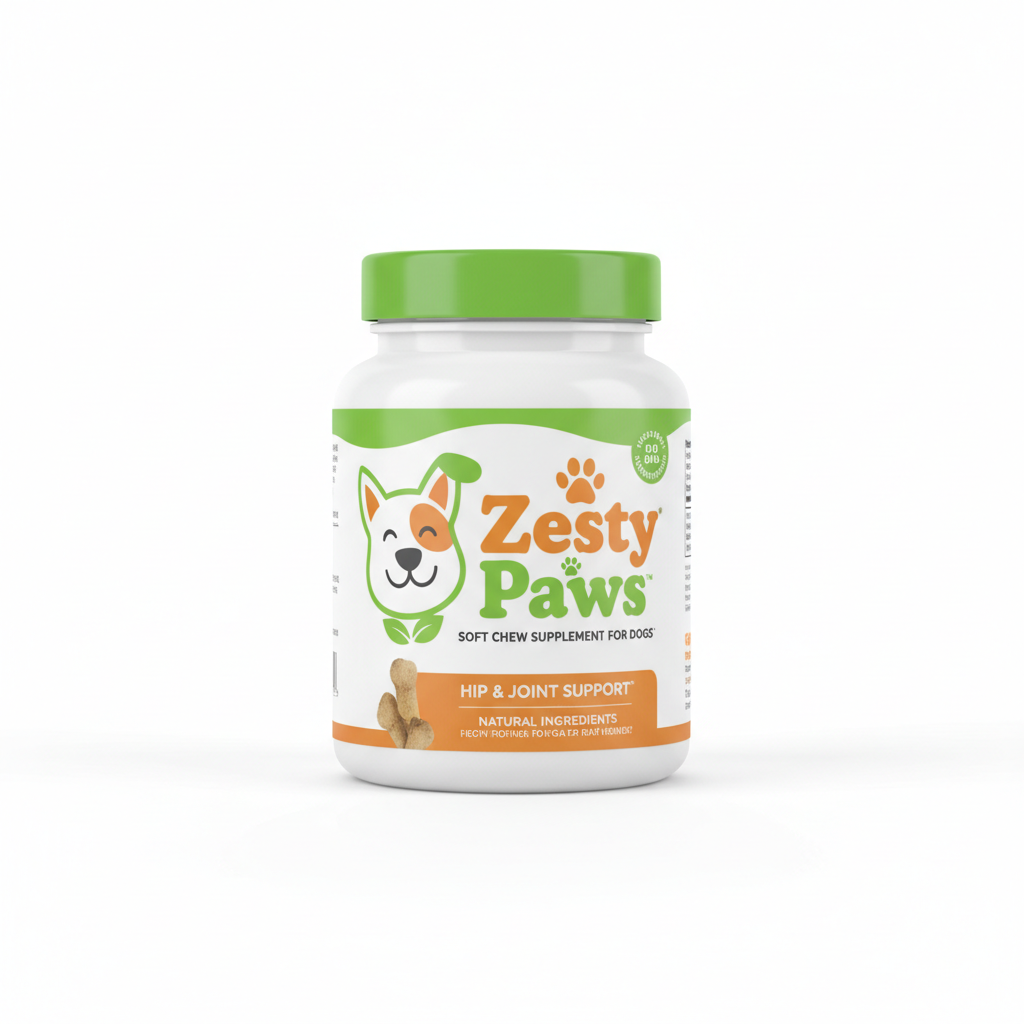
Healthy Gut Digestive Aid
Zesty Paws
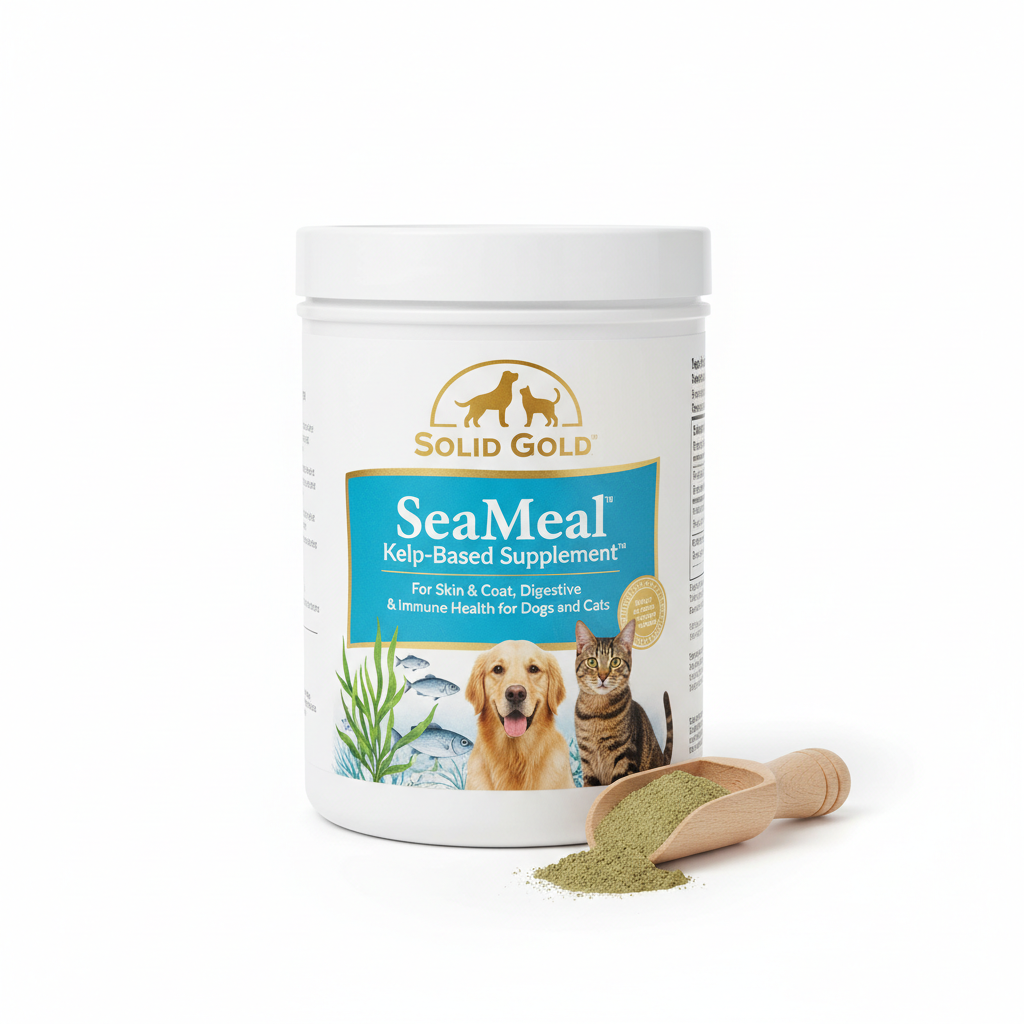
Solid Gold SeaMeal Kelp-Based Supplement for Skin & Coat, Digestive & Immune Health for Dogs & Cats
Solid Gold
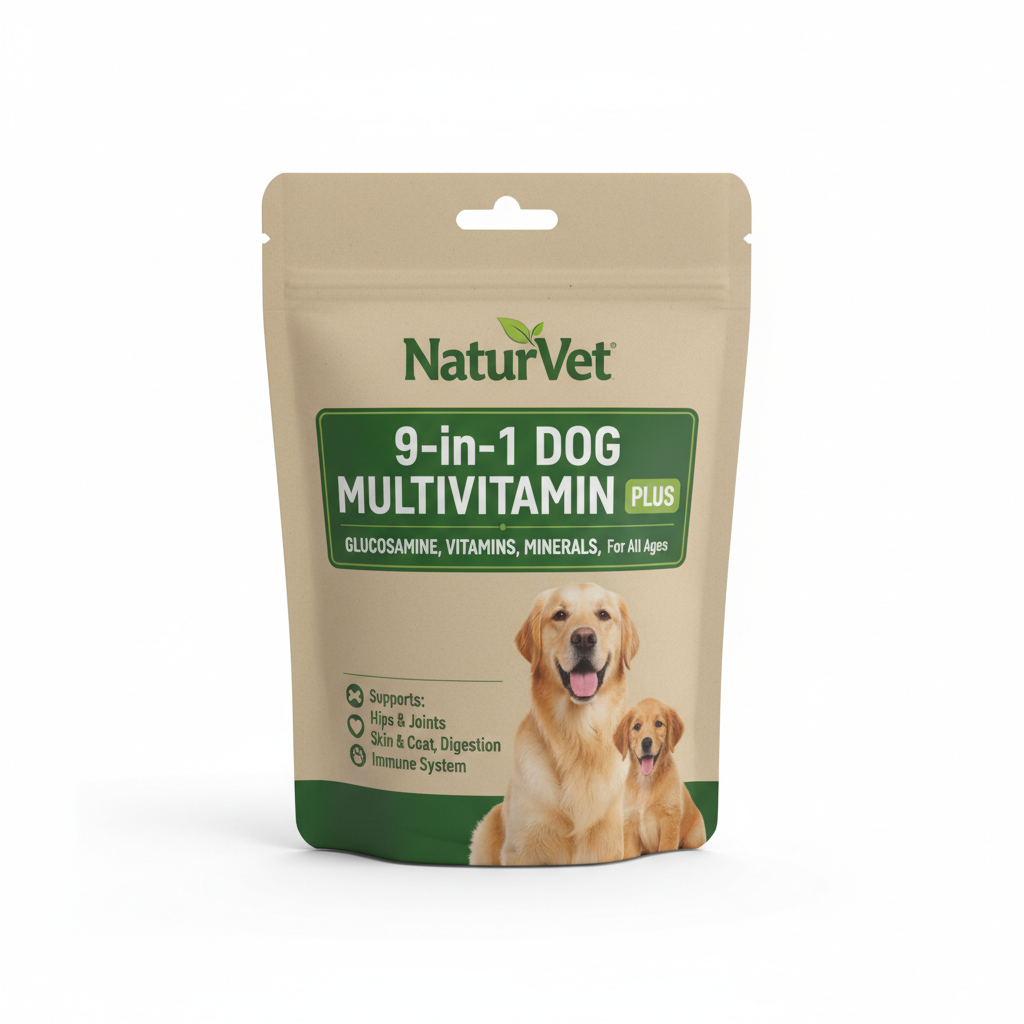
NaturVet 9-in-1 Dog Multivitamin Plus Glucosamine, Vitamins, Minerals, Enzymes for All Ages
NaturVet
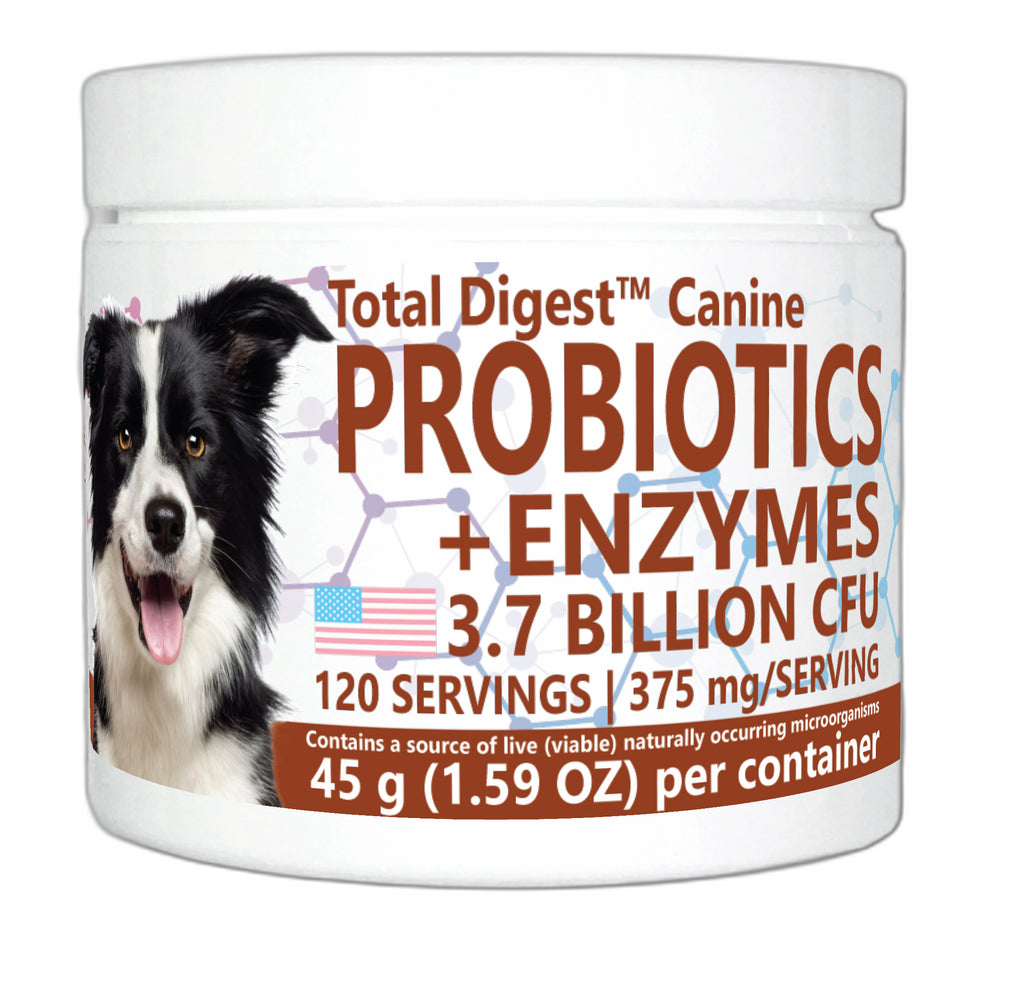
Equa Holistics Total Digest Canine Probiotics & Enzymes
Equa Holistics
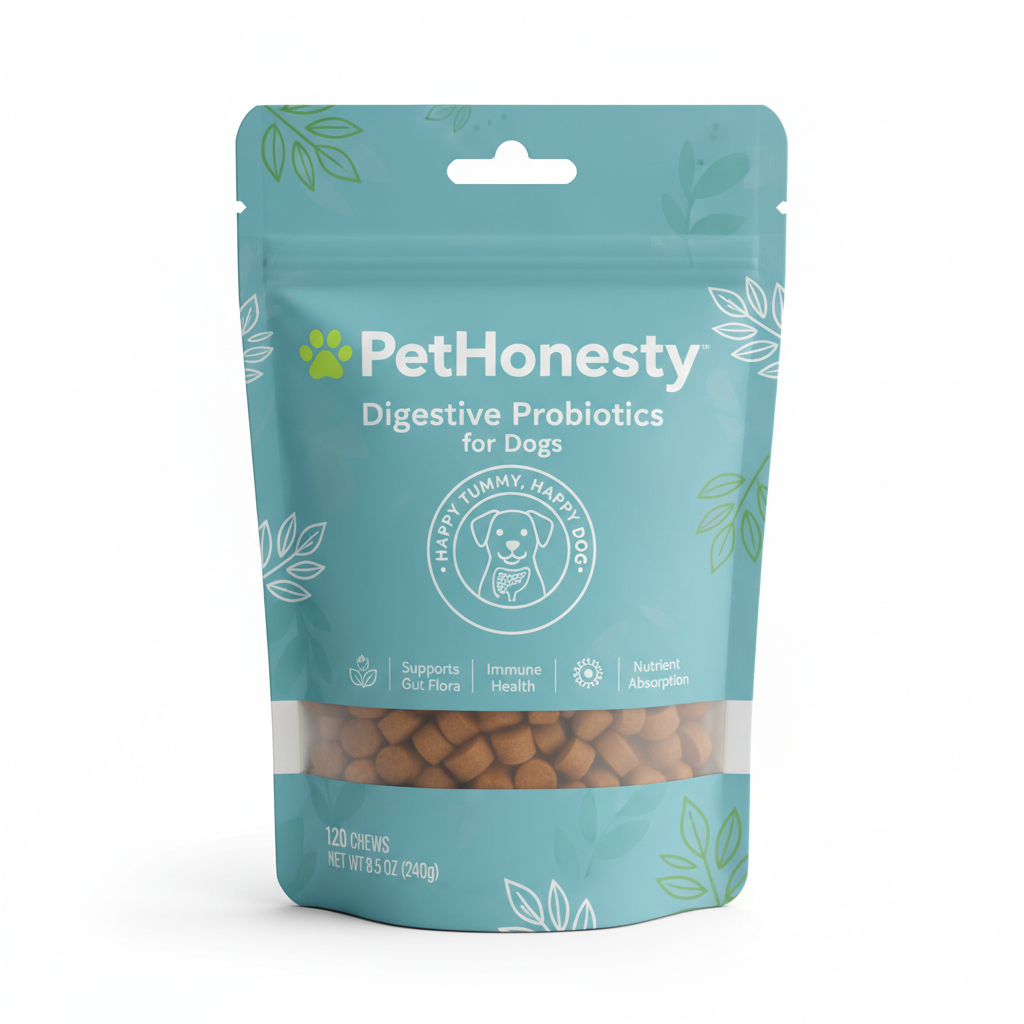
PetHonesty Digestive Probiotics for Dogs
PetHonesty
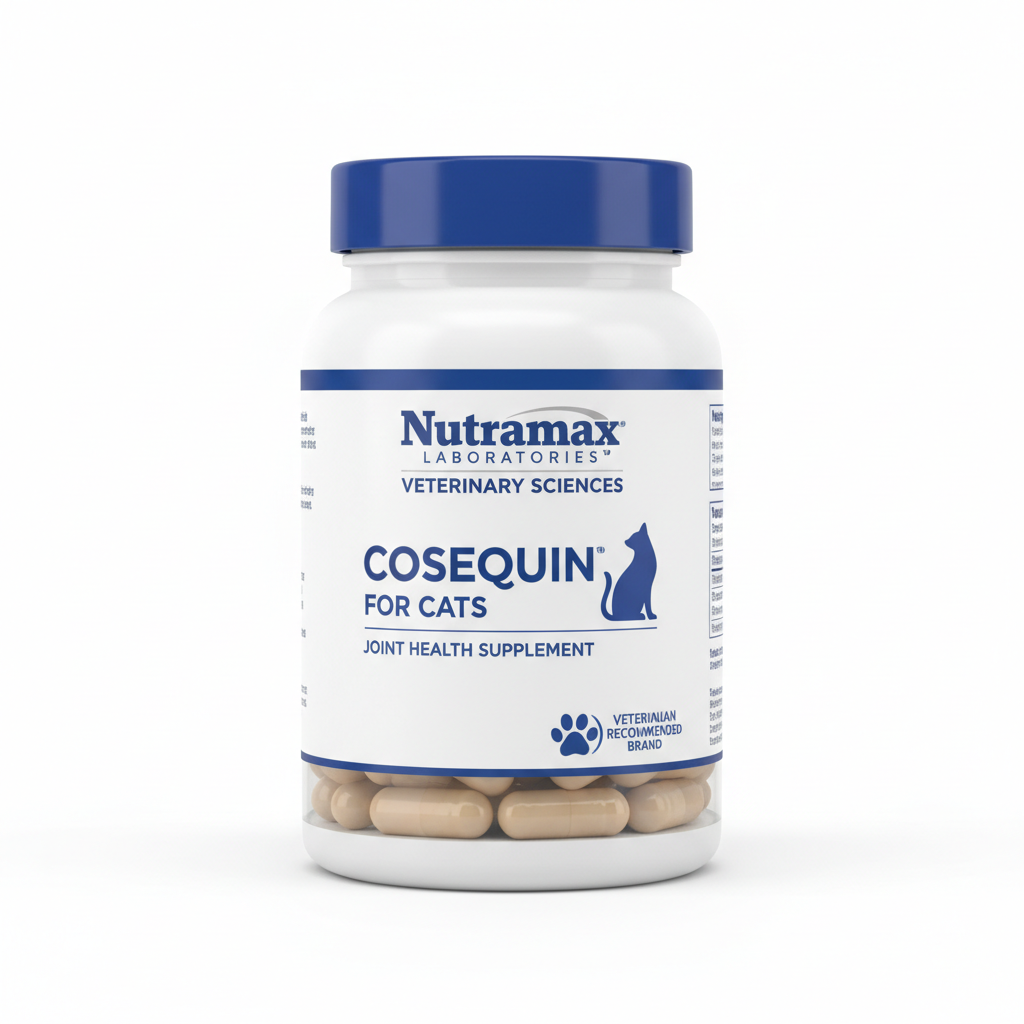
Digestive Support for Cats
Nutramax Laboratories Veterinary Sciences
Wholistic Pet Organics Digest-All Plus Enzyme and Probiotic Supplement
Wholistic Pet Organics
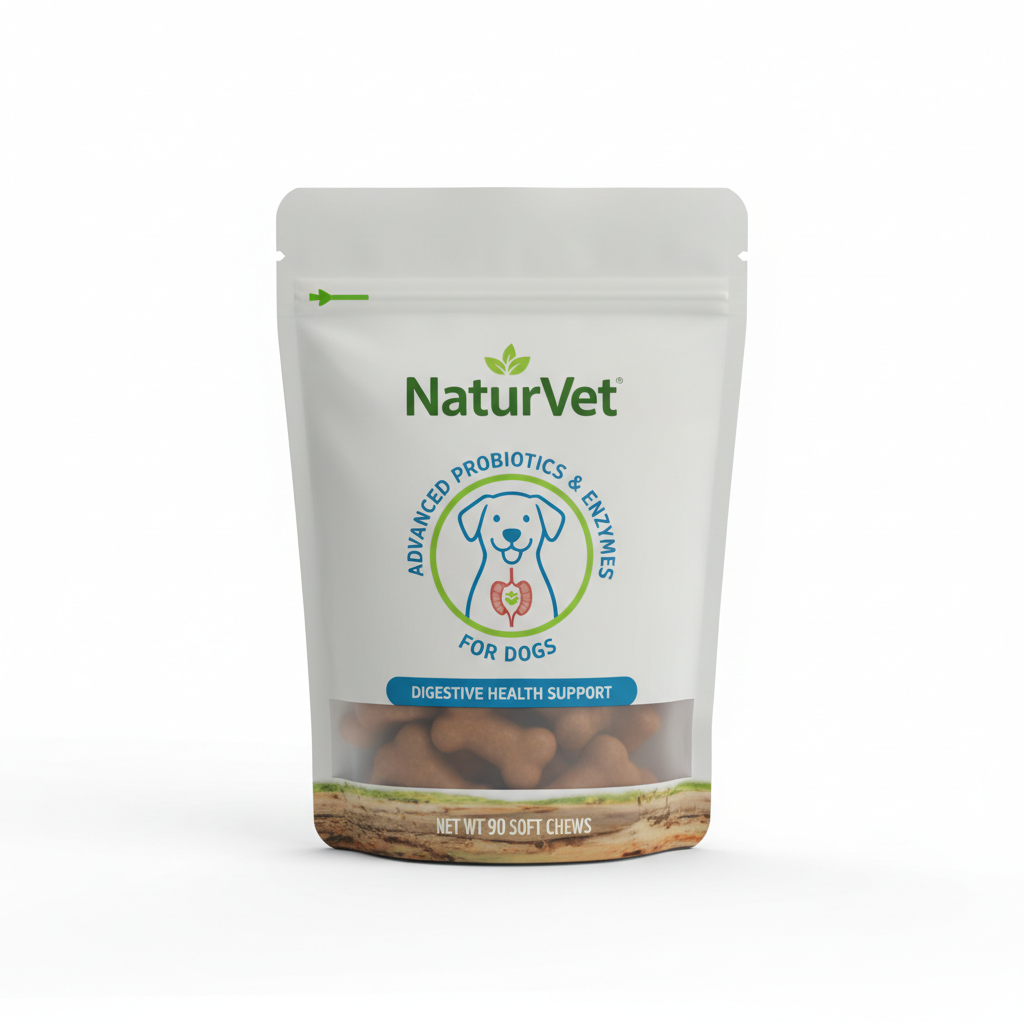
NaturVet Advanced Probiotics & Enzymes for Dogs
NaturVet