Astaxanthin
antioxidant
Astaxanthin is a naturally occurring carotenoid pigment found in certain algae and marine animals. While it has gained attention in human health, its potential benefits for dogs are also being explored. As a powerful antioxidant, astaxanthin's role in canine health often revolves around its ability to combat oxidative stress, which contributes to various age-related conditions and cellular damage.
This article delves into the current understanding of astaxanthin for dogs, examining veterinary research, practical dosing considerations, and key factors to evaluate when considering an astaxanthin supplement for your pet.
Astaxanthin for Dogs | Antioxidant Support
At its core, astaxanthin functions as a potent antioxidant. Antioxidants are substances that can prevent or slow damage to cells caused by free radicals, unstable molecules the body produces as a reaction to environmental and other pressures. In dogs, as in humans, free radical damage and subsequent oxidative stress are implicated in a range of health issues, including inflammation, immune system dysfunction, and cellular aging.
Unlike some other antioxidants, astaxanthin possesses a unique molecular structure that allows it to span the entire cell membrane, offering comprehensive protection both inside and outside the cell. This characteristic is often cited as a reason for its superior antioxidant capacity compared to other well-known antioxidants like Vitamin E or beta-carotene.
For dogs, this translates to potential support for various bodily systems. For example, in active or senior dogs, oxidative stress can contribute to joint stiffness and reduced mobility. By neutralizing free radicals, astaxanthin might help mitigate some of this cellular damage. Similarly, a robust immune system relies on healthy cellular function, which can be compromised by oxidative stress. Introducing an antioxidant like astaxanthin could, in theory, help maintain cellular integrity, thereby supporting overall immune response.
It's important to understand that while astaxanthin is a powerful antioxidant, it's not a cure-all. Its role is supportive, helping the body's natural defense mechanisms function more effectively. Concrete examples of its application might include supplementing a working dog experiencing higher metabolic stress or an older dog showing signs of age-related decline. The goal is to provide cellular protection that complements a balanced diet and appropriate veterinary care, not to replace them.
Astaxanthin: Protect Against Cancer, Joint Pain And More!
The claims surrounding astaxanthin's ability to "protect against cancer, joint pain, and more" are often based on its antioxidant and anti-inflammatory properties. While these are compelling areas of research, it's crucial to approach such statements with a nuanced perspective, especially concerning cancer.
Regarding joint pain, inflammation is a significant contributor to discomfort in conditions like osteoarthritis. Astaxanthin's anti-inflammatory capabilities, demonstrated in various studies (though more extensively in human and lab models than specifically in dogs), suggest it could help reduce inflammatory responses in joints. This doesn't mean it rebuilds cartilage or cures arthritis, but rather that it might help manage the inflammatory component, potentially leading to improved comfort and mobility for dogs with existing joint issues. For instance, a dog with mild to moderate osteoarthritis might experience less stiffness or a greater willingness to move when supplemented with astaxanthin, alongside other prescribed treatments.
The connection to cancer is more complex. Cancer development is a multi-faceted process involving genetic mutations, environmental factors, and cellular dysfunction. While oxidative stress and chronic inflammation are known contributors to carcinogenesis, suggesting astaxanthin "protects against cancer" in a definitive sense is a strong claim. Research in this area, particularly for dogs, is still emerging. Some in vitro (test tube) and animal studies (not specifically dogs) have shown astaxanthin's potential to inhibit cancer cell growth or induce apoptosis (programmed cell death) in certain cancer types. However, translating these findings directly to preventing or treating cancer in dogs requires extensive clinical trials.
The practical implication here is that while astaxanthin may contribute to a healthier cellular environment, which could theoretically make cells less susceptible to cancerous changes, it should not be considered a primary cancer preventive or treatment. Its role is likely more about general cellular health and potentially modulating inflammatory pathways that can play a role in disease progression. For a dog diagnosed with cancer, any supplemental approach, including astaxanthin, should be discussed thoroughly with a veterinary oncologist and integrated into a comprehensive treatment plan, not used as a standalone therapy.
Astaxanthin For Dogs
When considering astaxanthin for dogs, it's helpful to understand its source and how it's typically processed. The primary commercial source of natural astaxanthin is the microalga Haematococcus pluvialis. When stressed (e.g., by nutrient deprivation or intense sunlight), this green alga produces astaxanthin as a protective mechanism, turning a reddish color. This is the same pigment responsible for the pinkish-red hue of salmon, shrimp, and flamingos, which consume these algae or creatures that have eaten the algae.
Supplements for dogs usually contain astaxanthin extracted from Haematococcus pluvialis. The extraction methods vary, but the goal is to obtain a stable, bioavailable form of the compound. Some products might use synthetic astaxanthin, which is chemically produced. While synthetic astaxanthin is less expensive, natural astaxanthin is generally considered superior due to its specific molecular configuration and accompanying synergistic compounds found in the algal extract. When looking for a supplement, checking for "natural astaxanthin" or "derived from Haematococcus pluvialis" is a key indicator of quality.
The practical implications for dog owners involve understanding that not all astaxanthin supplements are equal. A high-quality product will typically specify its source and purity. For example, a reputable brand might highlight that their astaxanthin is derived from a specific, cultivated strain of algae, ensuring consistency and minimizing contaminants.
Consider a scenario where a dog owner is looking to support their senior dog's overall vitality. They might choose an astaxanthin supplement as part of a broader nutritional strategy. The trade-off often involves cost – higher quality, natural astaxanthin tends to be more expensive than synthetic versions. However, the potential for better absorption and efficacy often justifies the investment for those seeking optimal benefits. Edge cases might include dogs with very sensitive digestive systems, where the carrier oil (e.g., olive oil, sunflower oil) in the supplement might need consideration.
Effects of Astaxanthin Supplementation in Healthy and Obese Dogs
Research into astaxanthin's effects on specific canine populations, such as healthy and obese dogs, provides more targeted insights. While general antioxidant benefits are widely discussed, studies focusing on defined groups help clarify practical outcomes.
For healthy dogs, astaxanthin supplementation might primarily serve a preventative role. By reducing oxidative stress, it could help maintain cellular integrity, support immune function, and potentially delay the onset of age-related decline. An example might be a young, active dog involved in sports. The physical exertion inherently generates more free radicals. Astaxanthin could help mitigate this oxidative burden, potentially supporting faster recovery and sustained performance. These benefits are often subtle and long-term, rather than immediately dramatic.
In obese dogs, the implications are particularly interesting. Obesity in dogs, much like in humans, is associated with a state of chronic low-grade inflammation and increased oxidative stress. This contributes to various health problems, including insulin resistance and cardiovascular issues. Some studies have explored whether astaxanthin, with its anti-inflammatory and antioxidant properties, could help ameliorate some of these obesity-related metabolic disturbances.
For example, a study might look at markers of inflammation (like C-reactive protein) or oxidative stress (like malondialdehyde levels) in obese dogs before and after astaxanthin supplementation. While research is ongoing, preliminary findings in some animal models suggest astaxanthin could potentially improve insulin sensitivity, reduce inflammation, and positively impact lipid profiles. This doesn't mean astaxanthin is a weight-loss drug, but rather a potential supportive nutrient that could help manage the metabolic consequences of obesity, alongside a crucial diet and exercise regimen.
The practical implications for owners of obese dogs are that astaxanthin could be considered as an adjunctive therapy, working in concert with veterinary-supervised weight management programs. It's not a standalone solution for obesity but could contribute to improving the dog's overall metabolic health. The trade-off is often the cost of the supplement versus the potential, albeit supportive, benefits.
Vision – AstaReal USA
Astaxanthin's role in vision health is another area of interest, often highlighted by companies like AstaReal, a prominent producer of astaxanthin from Haematococcus pluvialis. The eyes are particularly susceptible to oxidative stress due to their high metabolic rate and constant exposure to light.
Astaxanthin's ability to cross the blood-retinal barrier is a key factor in its potential benefits for vision. Once in the eye, it can act as a powerful antioxidant, protecting the delicate cells of the retina from damage caused by free radicals. This protection is thought to be relevant for age-related eye conditions.
In dogs, age-related vision changes are common. While astaxanthin is not a cure for conditions like progressive retinal atrophy (PRA) or cataracts, it might offer supportive benefits. For instance, by reducing oxidative stress in the ocular tissues, it could potentially help maintain the health of retinal cells and lens clarity for longer. This is a preventative or supportive measure, not a restorative one for existing damage.
Consider an older dog whose vision is starting to decline, or a breed predisposed to certain eye conditions. Supplementing with astaxanthin might be considered as part of a proactive approach to maintain eye health. The trade-off is that these benefits are often subtle and difficult to quantify directly without specialized veterinary ophthalmological examinations over time.
When evaluating supplements that claim vision benefits, it's important to look for products that specifically mention the source and quality of astaxanthin, like AstaReal, which is a recognized brand in the industry. This provides a level of assurance regarding the purity and concentration of the active ingredient. The practical implication is that while astaxanthin won't reverse blindness, it might contribute to preserving existing vision and delaying further deterioration in some cases, particularly when started earlier rather than later.
Astaxanthin for Mobility and Overall Health in Dogs
The broad appeal of astaxanthin for "mobility and overall health" in dogs stems from its multifaceted antioxidant and anti-inflammatory properties. These aren't isolated benefits but rather interconnected aspects of cellular well-being.
For mobility, the primary mechanism is the reduction of inflammation and oxidative stress in joint tissues. Chronic inflammation can lead to cartilage degradation and pain, while oxidative stress can damage joint cells. By mitigating these factors, astaxanthin may help maintain joint flexibility and reduce discomfort, particularly in older dogs or those with orthopedic conditions. This support for mobility is often observed as an increased willingness to walk, play, or navigate stairs, rather than a dramatic recovery from severe lameness.
Regarding overall health, astaxanthin's impact is systemic. Its ability to protect cells throughout the body from free radical damage contributes to the healthy functioning of various organs and systems. This includes:
- Immune System Support: By protecting immune cells from oxidative damage, astaxanthin may help maintain a robust immune response.
- Cardiovascular Health: Reducing oxidative stress and inflammation can contribute to healthier blood vessels and cardiac muscle function.
- Skin and Coat Health: Antioxidants can support skin barrier function and contribute to a healthier, shinier coat by protecting skin cells from environmental damage.
- Cognitive Function: While less researched in dogs, astaxanthin's ability to cross the blood-brain barrier suggests potential neuroprotective effects, which could support cognitive health in aging pets.
A concrete example would be an aging golden retriever that is starting to slow down. While not severely arthritic, it might have less energy and show some stiffness after walks. Incorporating astaxanthin into its diet, alongside other joint supplements if needed, could contribute to improved comfort and a greater zest for life. The trade-off is managing expectations; astaxanthin is a supportive supplement, not a pharmaceutical drug design to produce rapid, dramatic changes. Its benefits accumulate over time as it helps the body maintain cellular equilibrium.
Dosing and What to Look For
Determining the appropriate astaxanthin dosage for dogs is a critical step, but it's important to note that definitive, universally accepted veterinary guidelines are still evolving. Much of the dosing information available is extrapolated from human studies, animal models (not always dogs), and empirical observations from veterinarians and supplement manufacturers.
General Dosing Considerations:
- Weight-Based Dosing: Most recommendations are based on the dog's body weight. Smaller dogs require less, larger dogs more.
- Concentration: Astaxanthin supplements vary widely in their concentration (e.g., 2mg, 4mg, 6mg per capsule/softgel). Always check the label.
- Formulation: Astaxanthin is fat-soluble, meaning it's best absorbed when taken with a meal containing some fat. Most supplements come in oil-based softgels or liquids to enhance absorption.
- Starting Low: It's often prudent to start with a lower dose and gradually increase it, monitoring your dog for any adverse reactions, although astaxanthin is generally well-tolerated.
- Veterinary Consultation: Always discuss supplementation with your veterinarian, especially if your dog has underlying health conditions or is on other medications.
Typical Dosing Ranges (General Guidance, not veterinary advice):
| Dog Weight Category | Suggested Daily Dose (Natural Astaxanthin) |
|---|---|
| Small (up to 20 lbs) | 1 mg - 2 mg |
| Medium (20-50 lbs) | 2 mg - 4 mg |
| Large (50-100 lbs) | 4 mg - 8 mg |
| Giant (over 100 lbs) | 8 mg - 12 mg |
Note: These are approximations. Always follow the specific product's instructions or your veterinarian's guidance.
What to Look For in an Astaxanthin Supplement for Dogs:
Astaxanthin Safety for Pets: Potential Side Effects
Astaxanthin is generally considered safe for dogs, with a low risk of side effects, particularly when natural forms are used within recommended dosages. Its safety profile is one of its appealing characteristics.
Potential Side Effects (Rare and Mild):
- Reddish Pigmentation: The most common "side effect" is actually a harmless aesthetic one. Because astaxanthin is a red pigment, very high doses over prolonged periods can sometimes lead to a slight reddish tint in a dog's fur, skin, or stool, particularly in light-colored dogs. This is benign and reversible upon reducing the dose or discontinuing the supplement.
- Mild Digestive Upset: In some sensitive dogs, especially when starting a new supplement or if the carrier oil isn't well-tolerated, mild gastrointestinal upset (loose stools, mild nausea) could occur. This is usually transient and can often be resolved by giving the supplement with food or reducing the dose.
- Allergic Reactions: While rare, any supplement can potentially trigger an allergic reaction. Symptoms might include itching, hives, swelling, or difficulty breathing. Discontinue use immediately if any signs of an allergic reaction appear and consult your veterinarian.
Drug Interactions:
Currently, there are no well-documented, significant drug interactions with astaxanthin in veterinary medicine. However, because astaxanthin can influence immune function and inflammation, it's always wise to inform your veterinarian about its use, especially if your dog is on immunosuppressants, anti-inflammatory drugs, or has a chronic health condition. Your vet can assess any theoretical risks based on your dog's specific health profile.
Overdosing:
While astaxanthin has a high safety margin, excessive doses are unlikely to provide additional benefits and could potentially increase the risk of mild digestive upset. Sticking to recommended dosages is crucial. There isn't a known toxic dose for astaxanthin in dogs, but responsible supplementation means not exceeding what's likely beneficial.
Conclusion
Astaxanthin presents a promising avenue for supporting canine health, primarily through its powerful antioxidant and anti-inflammatory capabilities. Veterinary research, while still expanding, points to potential benefits for cellular health, joint mobility, vision, and overall well-being, particularly in aging dogs or those facing increased oxidative stress.
When considering an astaxanthin supplement for your dog, prioritize natural sources from reputable manufacturers, pay close attention to clear dosing instructions, and always consult with your veterinarian. This proactive approach ensures you're making an informed decision that aligns with your dog's individual health needs and existing care plan. Astaxanthin is best viewed as a supportive component of a holistic health strategy, rather than a standalone solution for specific ailments.
Products Containing Astaxanthin
Top-rated supplements featuring this ingredient, ranked by our PSI+ score.
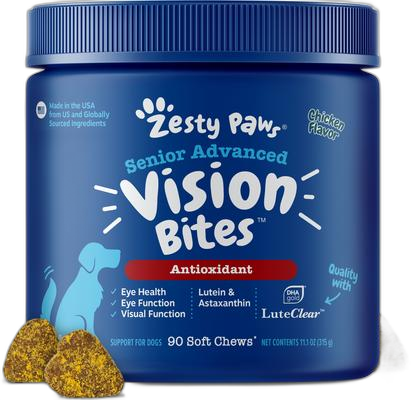
Zesty Paws Advanced Vision Bites Chicken Flavored Soft Chews Vision Supplement for Senior Dogs
Zesty Paws
Movoflex Joint Support Soft Chews for Dogs
Virbac
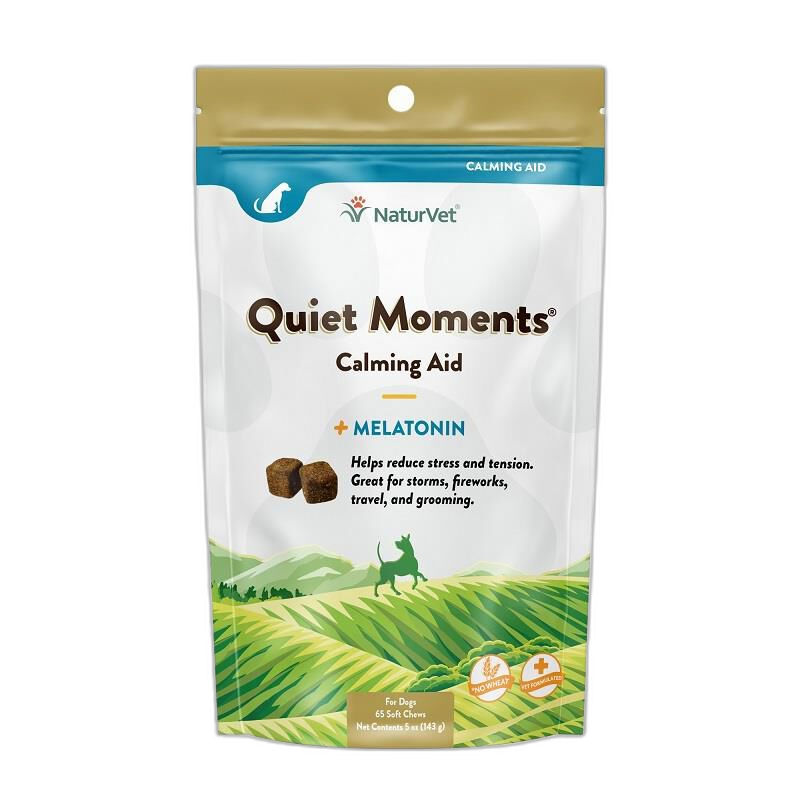
Nulo Functional Immunity & Antioxidant Soft Chews
Nulo
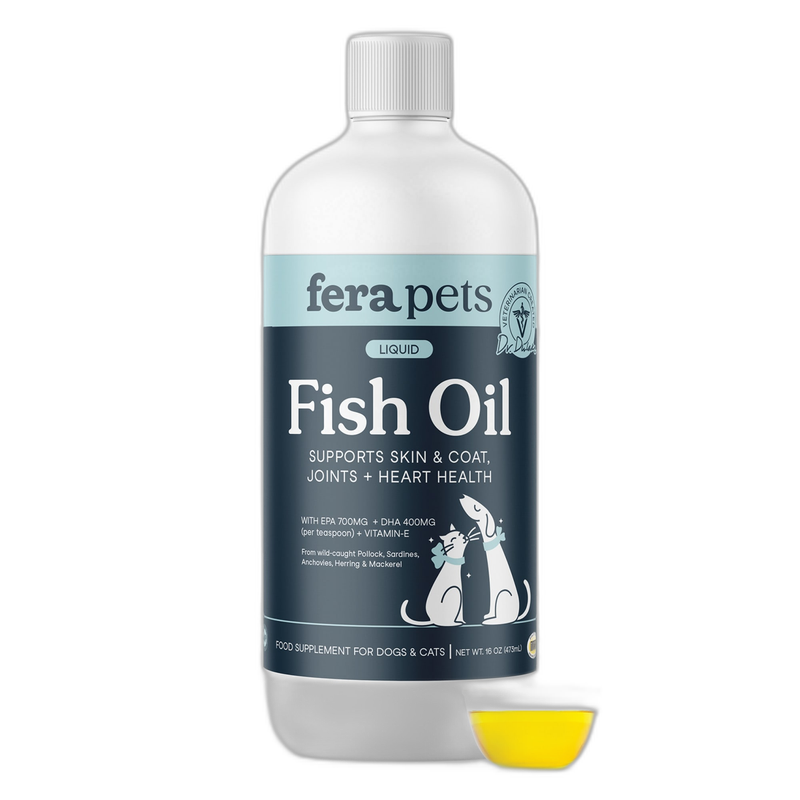
Grizzly Hip & Joint Aid Pellets for Dogs
Grizzly Pet Products
Grizzly Krill Oil Antioxidant Supplement for Dogs & Cats
Grizzly Pet Products
Dr. Mercola Krill Oil for Pets
Dr. Mercola
Bernie's Marvelous Mobility Daily Hip & Joint Supplement
Bernie's
Grizzly Salmon Oil All-Natural Dog & Cat Food Supplement
Grizzly Pet Products