ASU (Avocado/Soybean Unsaponifiables)
joint support
Avocado/Soybean Unsaponifiables, commonly known as ASU, are a class of natural plant extracts gaining attention in veterinary medicine, particularly for managing joint health in dogs and other pets. This article explores the science behind ASU, its potential benefits for conditions like osteoarthritis, appropriate dosing strategies, and what to consider when selecting an ASU supplement for your animal companion.
Understanding Avocado and Soybean Unsaponifiables (ASU)
ASU refers to the fraction of avocado and soybean oils that does not convert into soap when exposed to an alkali. This "unsaponifiable" portion is rich in specific compounds, including phytosterols (like beta-sitosterol, stigmasterol, and campesterol), tocopherols (Vitamin E), and other fat-soluble vitamins. These components are believed to be responsible for ASU's biological activity.
For dogs experiencing joint discomfort or diagnosed with osteoarthritis, ASU is often considered as a complementary therapy. Unlike some pain medications that primarily mask symptoms, ASU is thought to work by influencing the underlying processes of cartilage degradation and inflammation. Its proposed mechanism involves inhibiting certain inflammatory mediators and promoting the synthesis of essential components within the joint cartilage. This makes it a focus of interest for long-term joint support, aiming to slow disease progression rather than just managing pain.
The practical implication for pet owners is that ASU isn't a quick-fix pain reliever. Its effects are typically gradual and cumulative, meaning consistent administration over weeks or months is usually required to observe noticeable improvements. This long-term approach aligns with the chronic nature of conditions like osteoarthritis.
Consider a senior dog with early-stage hip dysplasia. While NSAIDs might alleviate acute pain flares, integrating an ASU supplement could potentially help protect the remaining cartilage and reduce the inflammatory environment within the joint over time, contributing to better long-term mobility and comfort. This isn't to say ASU replaces conventional treatments, but rather that it can be a valuable addition to a multi-modal management plan.
The Science Behind Soybean and Avocado Unsaponifiables: A Review
Research into ASU's effects has spanned both human and veterinary medicine, providing insights into its mechanisms. The compounds within ASU are thought to exert their influence on joint health through several pathways:
For asu (avocado/soybean unsaponifiables) for dogs, these mechanisms translate to potential benefits for common conditions like osteoarthritis, hip and elbow dysplasia, and general age-related joint stiffness. The trade-off is the time required to see results. Unlike corticosteroids or NSAIDs, which can provide relatively rapid symptomatic relief, ASU's effects are more about modulating the disease process. This means pet owners need patience and commitment to a consistent supplementation regimen.
For example, a dog recovering from orthopedic surgery might benefit from ASU not for immediate pain relief, but for its potential to support cartilage healing and reduce post-operative inflammation over the subsequent weeks and months, complementing prescribed pain management.
Protective Effects of Total Fraction of Avocado/Soybean Unsaponifiables
The "total fraction" of ASU refers to the combined blend of unsaponifiables from both avocado and soybean oils, typically in a 1:2 ratio. This specific combination is often highlighted in research, suggesting a where the components from both sources work together more effectively than either alone.
Preclinical studies, often conducted in vitro (cell cultures) or in vivo (animal models like rodents or horses), have demonstrated these protective effects. For instance, some research has shown that ASU can protect chondrocytes from damage induced by inflammatory mediators, maintaining their viability and function. This is critical because damaged chondrocytes contribute to the progression of osteoarthritis.
In a canine context, this means that while a dog may have genetic predispositions to joint issues or have experienced an injury, ASU could potentially offer a protective layer at a cellular level. It's not about reversing severe damage, but rather about supporting the joint's natural mechanisms to resist further degradation and maintain as much function as possible.
Consider a working dog, like a police K9 or an agility competitor. The chronic stress on their joints can lead to early onset arthritis. A proactive approach including ASU might help mitigate some of the cellular stress and inflammatory responses that would otherwise accelerate cartilage breakdown. The concrete scenario here is reducing the "wear and tear" at a microscopic level, potentially extending the dog's comfortable working life.
N'More Avocado Soybean Unsaponifiables Joint Health and Other Supplement Formulations
The market for pet joint supplements is vast, and ASU is often found as a standalone ingredient or, more commonly, combined with other nutraceuticals. When considering an ASU supplement for dogs, understanding the various formulations and their implications is important.
Common Combinations with ASU:
| Ingredient | Proposed Benefit | Rationale for Combination with ASU |
|---|---|---|
| Glucosamine HCl | Cartilage building block, anti-inflammatory properties | Provides raw materials for cartilage repair, complements ASU's protective role |
| Chondroitin Sulfate | Cartilage building block, inhibits cartilage-degrading enzymes, improves joint fluid viscosity | Synergistic with glucosamine; enhances cartilage resilience and lubrication |
| MSM (Methylsulfonylmethane) | Anti-inflammatory, antioxidant, pain relief, sulfur source for connective tissue | Addresses pain and inflammation, supports overall joint tissue health |
| Hyaluronic Acid (HA) | Lubricates joints, improves synovial fluid viscosity, anti-inflammatory | Enhances joint mobility and cushioning, works with ASU on inflammation |
| Omega-3 Fatty Acids | Potent anti-inflammatory (EPA/DHA) | Provides systemic anti-inflammatory benefits, broader approach to joint health |
The rationale for combining ASU with ingredients like glucosamine and chondroitin is often based on the idea of a multi-modal approach. While ASU focuses on protecting cartilage and reducing inflammation, glucosamine and chondroitin provide the structural components needed for cartilage repair and maintenance. MSM and Omega-3s add further anti-inflammatory and pain-modulating effects.
For a pet owner, this means evaluating the specific needs of their dog. A younger dog with early signs of joint issues might benefit from a simpler ASU formulation, while an older dog with chronic, severe osteoarthritis might require a more comprehensive supplement containing multiple active ingredients. The trade-off is often cost versus perceived benefit, and whether the dog can tolerate multiple ingredients without gastrointestinal upset.
It's crucial to look for supplements from reputable manufacturers who provide clear ingredient lists, concentrations, and ideally, third-party testing. The term "N'More" often implies a proprietary blend, so understanding the specific quantities of each ingredient within such blends is key for proper dosing and efficacy.
Avocado/Soybean Unsaponifiables (ASU) for Dogs: Dosing and Administration
Determining the correct ASU (avocado/soybean unsaponifiables) dosage for dogs is crucial for both efficacy and safety. Unfortunately, a universally standardized dosage across all products can be elusive, as formulations vary. However, based on veterinary research and common practices, general guidelines exist.
Typical Dosing Considerations:
- Weight-Based Dosing: Most joint supplements, including those with ASU, are dosed according to the dog's body weight. This ensures that smaller dogs don't receive an excessive amount and larger dogs get enough to be effective.
- Concentration: The amount of ASU per capsule, tablet, or chew varies by brand. Always check the product label for the specific concentration (e.g., mg of ASU per serving).
- Initial Loading Phase: Some veterinarians and manufacturers recommend an initial "loading phase" for a few weeks, where a higher dose is given to quickly saturate the body's tissues, followed by a maintenance dose. This is more common with glucosamine/chondroitin, but some ASU products may also suggest it.
- Consistency: ASU, like most nutraceuticals for joint health, requires consistent daily administration to achieve and maintain its effects. Missing doses can reduce its efficacy.
- Administration: ASU supplements come in various forms: capsules, chewable tablets, powders, or liquids. Choose a form that is easy for you to administer and palatable for your dog. Mixing powders or liquids into food is often effective.
General ASU Dosage Range (Consult your Vet for specifics):
While specific product labels should always be followed, a common daily range for dogs, when ASU is provided as a primary ingredient, might be around 10-20 mg per 10 lbs of body weight, or a total daily dose of 300-600 mg for an average-sized dog (40-60 lbs). Some products may offer specific recommendations, often in the range of 100-300 mg per day for smaller dogs, and 300-600 mg or more for larger breeds.
Example Dosing Scenario:
Let's say a supplement recommends 300 mg of ASU per day for a 50lb dog.
- If your dog is 25 lbs, a starting point might be 150 mg/day.
- If your dog is 75 lbs, a starting point might be 450 mg/day.
Important Note: Always consult your veterinarian before starting any new supplement, including ASU. They can provide guidance tailored to your dog's specific health condition, existing medications, and weight, ensuring the correct dosage and ruling out potential interactions.
Dasuquin® with MSM Chewable Tablets for Dogs and Other Commercial Products
Dasuquin® is one of the most widely recognized and veterinary-recommended joint supplements for dogs, and it prominently features ASU. Understanding how products like Dasuquin® are formulated can help pet owners make informed decisions.
Key Features of Dasuquin® with MSM:
- Multi-ingredient Formula: Dasuquin® combines ASU (Avocado/Soybean Unsaponifiables) with Glucosamine Hydrochloride and Chondroitin Sulfate. The "with MSM" version also includes Methylsulfonylmethane (MSM).
- Specific Ratio: The ASU in Dasuquin® typically follows the 1:2 ratio of avocado to soybean unsaponifiables, which is the ratio most studied in research.
- Proprietary Blend: While the ingredients are known, the exact manufacturing process and specific forms of glucosamine and chondroitin used are proprietary, often referred to as "FCHG49® Glucosamine Hydrochloride" and "TRH122® Sodium Chondroitin Sulfate," indicating specific research behind their selection.
- Veterinary Trust: Due to extensive research and marketing to the veterinary community, Dasuquin® has earned a reputation for quality and efficacy among many veterinarians.
What to Look For in Commercial ASU Supplements:
When evaluating any ASU supplement for your dog, whether it's a well-known brand like Dasuquin® or a lesser-known option, consider the following:
Comparison Table: Key Features of ASU Supplements
| Feature | Standalone ASU Supplement | Multi-Ingredient ASU Supplement (e.g., Dasuquin®) |
|---|---|---|
| Primary Focus | Targeted action of ASU (cartilage protection, anti-inflammatory) | Broader support for joint structure, inflammation, and pain relief |
| Ingredient List | Primarily ASU, possibly with minor inactive ingredients | ASU, Glucosamine, Chondroitin, MSM, sometimes Omega-3s, HA |
| Cost | Potentially lower per dose if ASU is the only active ingredient | Often higher due to multiple active ingredients and proprietary blends |
| Complexity | Simpler, easier to isolate ASU's effects | More complex, of multiple ingredients |
| Ideal For | Early intervention, specific conditions where ASU mechanism is key, dogs sensitive to other ingredients | Moderate to severe osteoarthritis, comprehensive joint support, older dogs |
| Veterinary Use | Often recommended as part of a multi-modal plan | Widely recommended as a first-line nutraceutical for joint disease |
Choosing the right ASU supplement for your dog involves careful consideration of these factors, in conjunction with professional veterinary advice.
FAQ
Is avocado soybean unsaponifiables safe for dogs?
Yes, avocado/soybean unsaponifiables (ASU) are generally considered safe for dogs when administered at appropriate dosages. Studies and widespread use in veterinary medicine have shown a low incidence of adverse effects. The most commonly reported side effects, though rare, are mild gastrointestinal upset, such as soft stools or diarrhea, especially when starting the supplement or if the dose is too high. It's always recommended to consult your veterinarian before beginning any new supplement for your dog, particularly if they have underlying health conditions or are on other medications.
Is avocado soybean unsaponifiables or asu?
Avocado soybean unsaponifiables is the full name for the compound, while ASU is the commonly used acronym. They refer to the same substance. The "unsaponifiables" part of the name refers to the portion of the avocado and soybean oils that does not turn into soap during a saponification process, and this is where the beneficial active components are concentrated. So, when you see "ASU" on a pet supplement label, it stands for Avocado/Soybean Unsaponifiables.
What does ASU do for dogs?
ASU for dogs is primarily used to support joint health, particularly in cases of osteoarthritis and other degenerative joint conditions. Its main actions are believed to be:
- Reducing inflammation: ASU can help decrease the production of pro-inflammatory mediators within the joint, which contributes to pain and cartilage damage.
- Protecting cartilage: It may inhibit enzymes that break down cartilage components (like collagen and proteoglycans), thereby helping to preserve joint structure.
- Stimulating cartilage repair: Some research suggests ASU can promote the synthesis of new cartilage components by chondrocytes (cartilage cells).
Essentially, ASU aims to slow the progression of joint degeneration and improve comfort and mobility by addressing the underlying inflammatory and destructive processes within the joint, rather than just masking pain.
Conclusion
ASU (Avocado/Soybean Unsaponifiables) shows promise for supporting joint health in dogs, especially for managing osteoarthritis. Its mechanisms of action, which involve reducing inflammation and protecting cartilage, make it a valuable part of a comprehensive joint care strategy. While not a cure on its own, ASU, often given with other nutraceuticals like glucosamine and chondroitin, can help improve comfort and mobility over time.
For pet owners, the key takeaways are to prioritize products from reputable manufacturers that clearly list ingredient concentrations, understand that effects are gradual, and always consult with a veterinarian. Your vet can help determine if ASU is appropriate for your dog, recommend specific products and dosages, and integrate it effectively into their overall health plan. Choosing an ASU supplement is a long-term commitment to supporting your pet's quality of life.
Products Containing ASU (Avocado/Soybean Unsaponifiables)
Top-rated supplements featuring this ingredient, ranked by our PSI+ score.
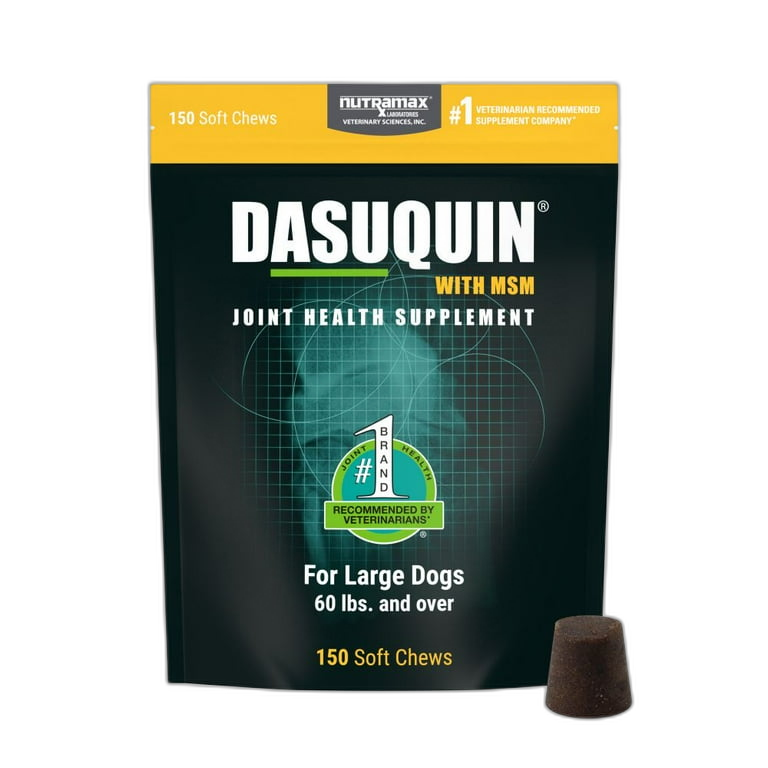
Nutramax Dasuquin with MSM Soft Chews for Large Dogs
Nutramax Laboratories
Nutramax Dasuquin Advanced Joint Health for Small/Medium Dogs
Nutramax Laboratories
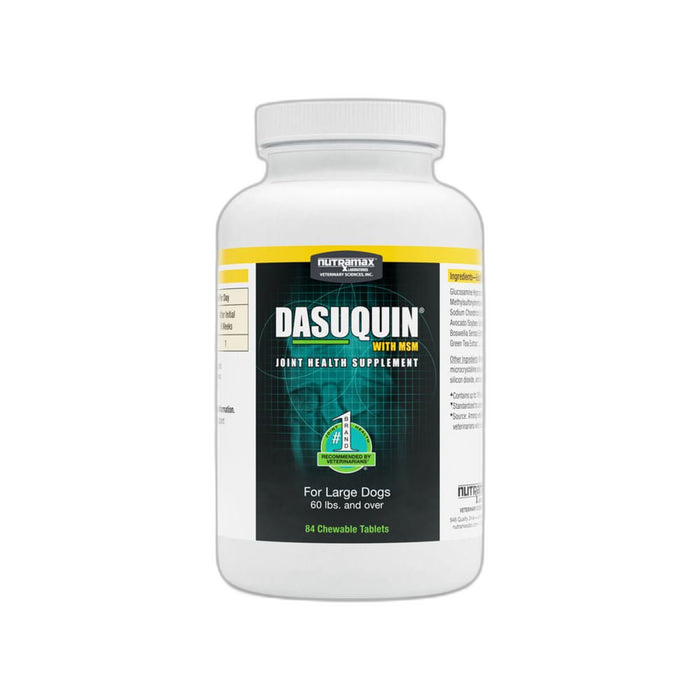
Nutramax Dasuquin with MSM Joint Health Supplement for Large Dogs
Nutramax Laboratories
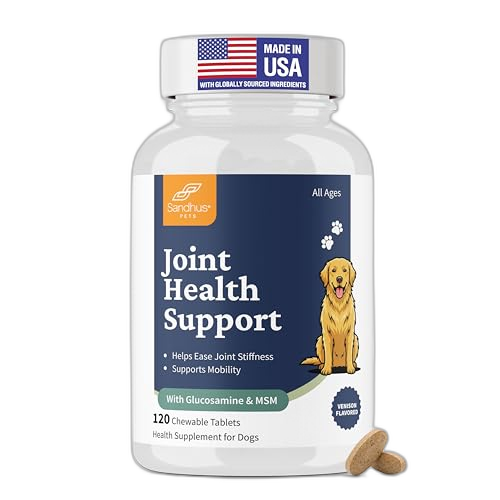
Advanced Hip & Joint Supplement for Dogs
Nutramax Dasuquin