Green-Lipped Mussel
joint support
Green-lipped mussel (GLM), Perna canaliculus, is a shellfish native to New Zealand. It has gained attention as a natural supplement for joint health in both humans and animals, particularly dogs and cats. The interest stems from its nutritional composition, which includes omega-3 fatty acids, glycosaminoglycans (GAGs) like chondroitin sulfate, and various vitamins and minerals. These components are thought to contribute to its anti-inflammatory properties and support cartilage health. For pet owners exploring options for their animals' mobility and comfort, understanding the evidence behind green-lipped mussel for dogs and cats, appropriate dosing, and what distinguishes a quality supplement is essential.
Green-Lipped Mussels: Can They Help Your Dog's Joints?
The primary reason pet owners consider green-lipped mussel for their dogs is its potential to support joint health and alleviate symptoms associated with conditions like osteoarthritis. Osteoarthritis, or degenerative joint disease, is a common ailment in aging dogs, characterized by the breakdown of cartilage, inflammation, and pain.
GLM contains a unique combination of bioactive compounds. The omega-3 fatty acids, particularly eicosatetraenoic acid (ETA), are potent anti-inflammatory agents. Unlike some other omega-3s, ETA specifically inhibits the 5-lipoxygenase pathway, a key mechanism in the production of inflammatory mediators. This targeted action may offer a different or complementary approach to inflammation management compared to other fatty acid sources.
Glycosaminoglycans (GAGs), such as chondroitin sulfate and hyaluronic acid, are fundamental building blocks of cartilage and synovial fluid. Supplementing with these components theoretically provides the raw materials the body needs to repair and maintain joint structures. While the direct absorption and utilization of dietary GAGs in cartilage are still subjects of ongoing research, their presence in GLM is a key reason for its consideration as a joint supplement.
Practical implications for dogs include potentially reduced pain, improved mobility, and a better quality of life. For instance, a dog with early-stage arthritis might show less stiffness after rest or be more willing to engage in walks. For dogs with more advanced conditions, GLM might help reduce the reliance on non-steroidal anti-inflammatory drugs (NSAIDs) or allow for lower doses, potentially mitigating some of their side effects. However, GLM is not a cure for arthritis, nor should it replace veterinary medical advice or prescribed treatments. It's typically considered an adjunctive therapy.
One trade-off is the time it takes to see effects. Unlike NSAIDs, which can provide relatively quick pain relief, the benefits of GLM often accumulate over several weeks or even months. Pet owners need to be patient and consistent with administration to assess its efficacy. Another consideration is the variability in product quality, which can impact results.
WOOF Green Lipped Mussel Treats
Many commercial pet products incorporate green-lipped mussel into treats, offering a convenient and palatable way to administer the supplement. Products like "WOOF Green Lipped Mussel Treats" aim to combine the benefits of GLM with the appeal of a delicious snack.
The core idea behind GLM treats is to simplify administration. Instead of mixing powders or giving capsules, owners can offer a treat, which many dogs readily accept. This can be particularly beneficial for picky eaters or dogs that are difficult to medicate. Treats often contain other beneficial ingredients, such as additional vitamins, minerals, or other joint-supporting compounds, depending on the brand.
However, there are practical implications and trade-offs. The primary concern with treats is often the dosage. To make a treat palatable and structurally sound, the concentration of GLM might be lower per piece than in a pure powder or capsule. This means a dog might need to consume multiple treats to reach a therapeutic dose, which could lead to an excessive intake of calories or other ingredients. Owners must carefully read the label to determine the actual GLM content per treat and adjust feeding accordingly.
For example, if a dog requires 750 mg of GLM daily and a treat contains only 100 mg, the dog would need 7.5 treats per day. This could be impractical, costly, and potentially lead to weight gain if not accounted for in the dog's overall diet. Treats are generally best suited for preventative use, for dogs with very mild symptoms, or as an easy maintenance dose after an initial higher dose of a concentrated supplement. For dogs with moderate to severe arthritis, a more concentrated supplement might be necessary to deliver an effective dose without overfeeding.
MYOS Canine Muscle & Joint Formula with Green Lipped Mussel
Some joint supplements, like "MYOS Canine Muscle & Joint Formula," combine green-lipped mussel with other active ingredients to address multiple aspects of muscle and joint health. This approach recognizes that joint issues often involve more than just cartilage degradation; muscle weakness and overall inflammation also play significant roles.
The concept here is synergy. By combining GLM's anti-inflammatory and cartilage-supportive properties with ingredients that build muscle or further reduce inflammation, the product aims for a more comprehensive effect. For instance, MYOS Canine Muscle & Joint Formula often features Fortetropin, a proprietary ingredient derived from fertilized egg yolks, which is clinically shown to help build lean muscle and reduce muscle atrophy. When joint pain leads to reduced activity, muscles can weaken, further destabilizing joints and exacerbating the problem. Addressing both muscle and joint health simultaneously can be a more effective strategy.
A practical implication is that a multi-ingredient formula might offer broader benefits than GLM alone, potentially leading to better outcomes for some dogs. For example, an older dog with sarcopenia (age-related muscle loss) in addition to arthritis might benefit more from a product that supports both muscle mass and joint comfort.
The trade-off, however, is that identifying the specific contribution of each ingredient can be challenging. If a dog improves on a multi-ingredient supplement, it's difficult to pinpoint whether GLM, the muscle-building component, or another ingredient was primarily responsible. This can complicate future adjustments to supplementation. Additionally, such comprehensive formulas might be more expensive. Pet owners should evaluate their dog's specific needs with a veterinarian to determine if a multi-faceted approach is warranted or if a single-ingredient GLM supplement would suffice. For a dog solely needing anti-inflammatory support, the additional ingredients might be unnecessary.
Effect of a Diet Enriched with Green-Lipped Mussel on Pain
Veterinary research has explored the "Effect of a diet enriched with green-lipped mussel on pain" and mobility in dogs with osteoarthritis. These studies are crucial for moving beyond anecdotal evidence and establishing the scientific basis for GLM's use.
The core idea of these studies is to systematically observe and measure changes in pain, lameness, and overall activity levels in dogs fed a diet supplemented with GLM. Researchers typically use objective measures like force plate analysis (to quantify weight bearing), goniometry (to measure joint range of motion), and subjective owner questionnaires (to assess perceived pain and mobility at home). Control groups, often receiving a placebo or a standard diet without GLM, are essential for isolating the effects of the mussel.
Concrete examples from research often show positive trends. For instance, a common finding is a statistically significant decrease in lameness scores or an increase in peak vertical force (indicating more normal weight distribution) in dogs receiving GLM compared to controls. Owners frequently report improvements in their dogs' willingness to play, climb stairs, or rise from a resting position. These improvements are generally attributed to the anti-inflammatory and chondroprotective effects of GLM's active compounds.
However, research also highlights variability in response. Not all dogs show significant improvement, and the degree of improvement can vary. Factors like the severity of arthritis, the dog's age, breed, and metabolism can influence outcomes. The form and concentration of GLM used in studies are also critical; many studies use concentrated extracts rather than whole, unprocessed mussel powder.
A key practical implication is that while research generally supports GLM's efficacy, it's not a guaranteed solution for every dog. Pet owners should approach it as a potentially beneficial supplement rather than a definitive cure. The trade-off is the commitment to consistent administration over several weeks to properly assess its impact, as immediate results are uncommon. These studies help veterinarians guide owners on realistic expectations and appropriate product selection, emphasizing the importance of quality and proper dosing.
Green Lipped Mussels For Dogs: Replace Those Harmful...
The sentiment "Green Lipped Mussels For Dogs: Replace Those Harmful..." often arises from a desire to find natural alternatives to conventional medications, particularly non-steroidal anti-inflammatory drugs (NSAIDs), which can have side effects. While GLM offers a natural approach, framing it as a direct replacement for "harmful" medications requires careful consideration.
The core idea is to leverage GLM's anti-inflammatory properties to manage pain and inflammation with potentially fewer side effects than some pharmaceutical options. NSAIDs are highly effective for pain relief and inflammation reduction, but long-term use, especially in sensitive individuals, can lead to gastrointestinal upset, kidney issues, or liver problems. For pet owners concerned about these risks, GLM presents an appealing alternative or complementary therapy.
Practical implications involve a nuanced approach. For dogs with mild joint discomfort or as a preventative measure, GLM might be sufficient on its own. For dogs with moderate to severe arthritis, GLM can be used in conjunction with NSAIDs, potentially allowing for lower NSAID doses or less frequent administration, thereby reducing the risk of side effects. In some cases, if GLM proves highly effective, a veterinarian might gradually reduce or even discontinue NSAIDs, but this should always be done under veterinary supervision.
The trade-off is that GLM generally does not provide the same rapid or potent pain relief as NSAIDs. It works more subtly over time by modulating inflammation and supporting joint structures. Attempting to replace NSAIDs entirely with GLM in a dog experiencing significant pain could lead to inadequate pain management, causing unnecessary suffering. It's crucial to consult a veterinarian before making any changes to a dog's prescribed medication regimen. GLM is best viewed as a supportive therapy that can, in some situations, reduce the need for higher doses or prolonged use of NSAIDs, rather than a direct, equivalent replacement.
Green-Lipped Mussels for Dogs: Benefits, Side Effects, and What to Look For
Understanding the comprehensive picture of green-lipped mussel for dogs involves weighing its potential benefits against possible side effects and knowing how to select a quality product.
Benefits of Green-Lipped Mussel for Dogs
The primary benefits are centered around joint health and inflammation:
- Anti-inflammatory Properties: The unique omega-3 fatty acids (especially ETA) help reduce inflammation, which is a major contributor to pain and joint degradation in conditions like osteoarthritis.
- Cartilage Support: Glycosaminoglycans (GAGs) like chondroitin sulfate and hyaluronic acid are components of healthy cartilage and synovial fluid, potentially aiding in repair and maintenance.
- Pain Reduction: By reducing inflammation, GLM can contribute to a decrease in joint pain, leading to improved comfort and mobility.
- Improved Mobility: Dogs experiencing less pain and better joint health are often more active, move more freely, and show increased willingness to engage in physical activities.
- Antioxidant Effects: GLM contains various vitamins and minerals with antioxidant properties that can combat oxidative stress in the joints.
- Gastrointestinal Health: Some research suggests GLM may also offer benefits for gut health, though this is a less common reason for its use in pets and requires further investigation.
Potential Side Effects
Green-lipped mussel is generally considered safe for dogs, with side effects being uncommon and usually mild.
- Gastrointestinal Upset: The most frequently reported side effects are mild digestive issues such as diarrhea, vomiting, or increased gas. These often occur when starting the supplement or when given in too high a dose. Gradually introducing GLM and starting with a lower dose can help mitigate this.
- Allergic Reactions: As GLM is a shellfish, there's a theoretical risk of allergic reaction, although this is rare in dogs. Symptoms could include itching, swelling, or more severe anaphylactic reactions. Discontinue use if any signs of allergy appear.
- Weight Gain: If GLM is given in treat form without adjusting the dog's overall caloric intake, or if the treats themselves are high in calories, weight gain could occur.
What to Look For in a Green-Lipped Mussel Supplement
The efficacy of a GLM supplement can vary significantly based on its processing and quality. Here’s what to consider:
- Source and Processing: Look for GLM sourced from New Zealand, where sustainable farming practices are common. The processing method is critical. Freeze-dried GLM powder is generally preferred over heat-processed forms, as high heat can degrade the delicate omega-3 fatty acids and other bioactive compounds. "Supercritical CO2 extraction" is another high-quality processing method that preserves beneficial compounds.
Purity and Potency: The label should clearly state the amount of Perna canaliculus* per dose. Avoid products with excessive fillers or artificial ingredients. Some products specify the concentration of active components like omega-3s or GAGs.
- Formulation:
- Powder: Often the most concentrated and cost-effective form, allowing for precise dosing. It can be mixed into food.
- Capsules: Convenient for specific dosing, but some dogs may resist taking pills.
- Treats: Highly palatable, but check the GLM concentration to ensure a therapeutic dose can be achieved without overfeeding.
- Liquid: Can be easy to administer, but stability and concentration should be verified.
- Third-Party Testing: Reputable brands often conduct third-party testing to verify purity, potency, and absence of contaminants (like heavy metals from the ocean). Look for certifications or indications of such testing on the product label or company website.
- Veterinary Endorsement: While not strictly necessary, products recommended by veterinarians or those formulated with veterinary input may offer an extra layer of confidence.
- No Unnecessary Additives: Avoid products with artificial colors, flavors, or preservatives if possible, especially for sensitive pets.
Comparison of GLM Supplement Types
| Feature | Freeze-Dried Powder | Capsules | Treats (GLM-enriched) |
|---|---|---|---|
| Concentration of GLM | High; often pure Perna canaliculus | High; specific dosage per capsule | Varies widely; often lower per piece |
| Dosing Precision | Excellent; can be measured precisely | Excellent; fixed dose simplifies administration | Moderate to poor; often requires multiple treats |
| Ease of Administration | Good; mixes into food | Varies; some dogs resist pills | Excellent; highly palatable |
| Cost-effectiveness | Often the most cost-effective per mg of GLM | Moderate to high | Can be high if many treats are needed for dose |
| Additional Ingredients | Usually minimal; focus on pure GLM | Minimal, unless part of a multi-ingredient blend | Often includes other ingredients, fillers, flavors |
| Best For | Dogs needing precise, high doses; picky eaters (mixed in food) | Dogs needing consistent, moderate doses; owners preferring pills | Mild symptoms; preventative care; easy administration |
FAQ
Is green-lipped mussel good for dogs?
Yes, green-lipped mussel is generally considered good for dogs, particularly for supporting joint health and managing symptoms of osteoarthritis. Its anti-inflammatory omega-3 fatty acids and cartilage-building glycosaminoglycans can help reduce pain, improve mobility, and contribute to overall joint comfort. Veterinary research supports its use as a natural supplement, though individual responses can vary.
What are the risks of taking green lipped mussels?
The risks associated with green-lipped mussel are generally low. The most common side effects are mild gastrointestinal upset, such as diarrhea, vomiting, or gas, especially when first introduced or given in high doses. Since it's a shellfish, there's a rare possibility of an allergic reaction. It's crucial to start with a low dose and observe your dog for any adverse reactions. Always consult your veterinarian before starting any new supplement.
Is green-lipped mussel better than glucosamine for dogs?
The question of whether green-lipped mussel is "better" than glucosamine for dogs is complex. Both are popular joint supplements, but they work through different mechanisms and contain different active compounds. Glucosamine primarily focuses on providing building blocks for cartilage repair. Green-lipped mussel, while also containing some cartilage components (GAGs), is particularly noted for its unique anti-inflammatory omega-3 fatty acids (ETA). Many veterinarians and pet owners find that a combination of both can be more effective than either alone, as they offer complementary benefits. The "better" option often depends on the individual dog's specific needs and response.
Conclusion
Green-lipped mussel offers a promising natural avenue for supporting joint health and managing discomfort in dogs. Its unique blend of anti-inflammatory omega-3s and cartilage-supportive compounds makes it a valuable addition to many pets' wellness routines, particularly those with or at risk of osteoarthritis. While generally safe, understanding proper dosing, potential side effects, and the importance of quality sourcing and processing are crucial for maximizing its benefits. For pets experiencing mobility issues or simply needing proactive joint support, green-lipped mussel, when chosen carefully and used under veterinary guidance, can contribute to a more comfortable and active life.
Products Containing Green-Lipped Mussel
Top-rated supplements featuring this ingredient, ranked by our PSI+ score.
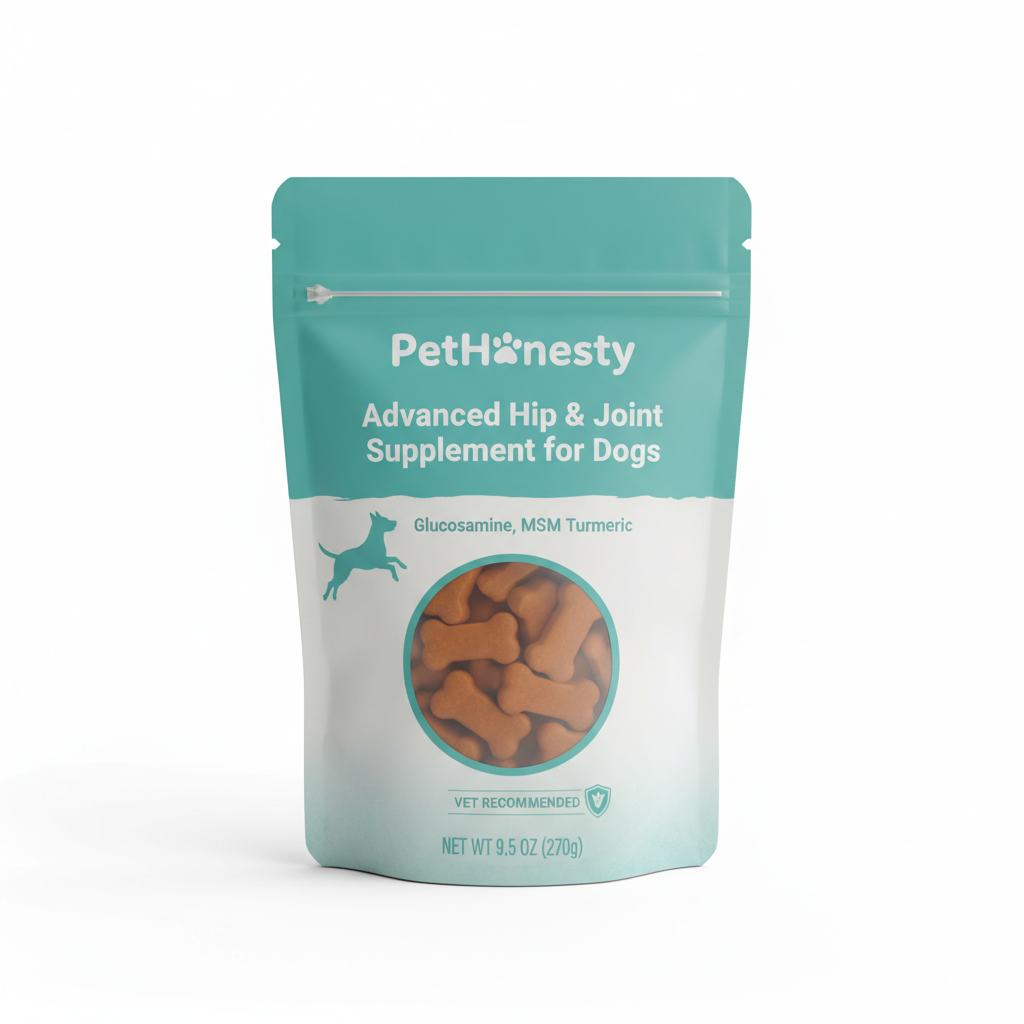
PetHonesty Advanced Hip & Joint Supplement for Dogs - Glucosamine, MSM, Turmeric
PetHonesty
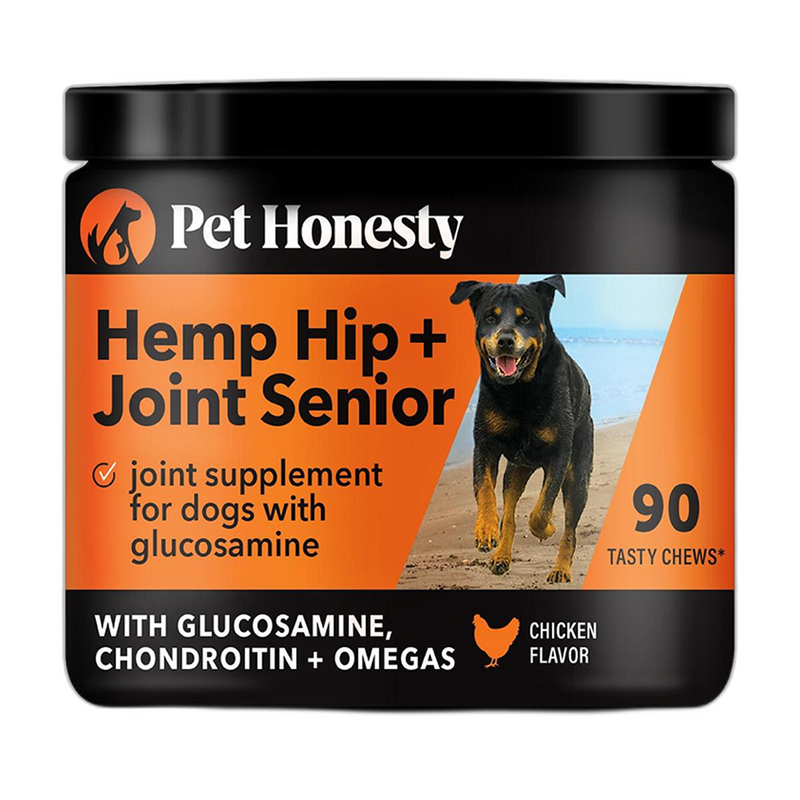
PetHonesty Senior Hemp Mobility Soft Chews
PetHonesty
The Missing Link Hip & Joint Supplement for Dogs
The Missing Link
Ark Naturals Sea Mobility Joint Rescue Chews
Ark Naturals
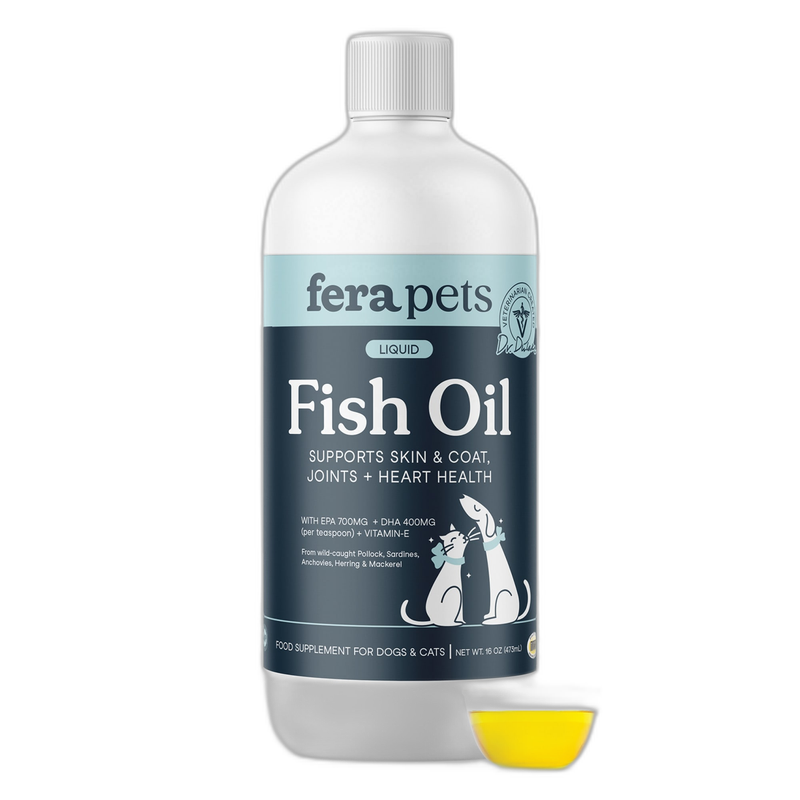
Grizzly Hip & Joint Aid Pellets for Dogs
Grizzly Pet Products
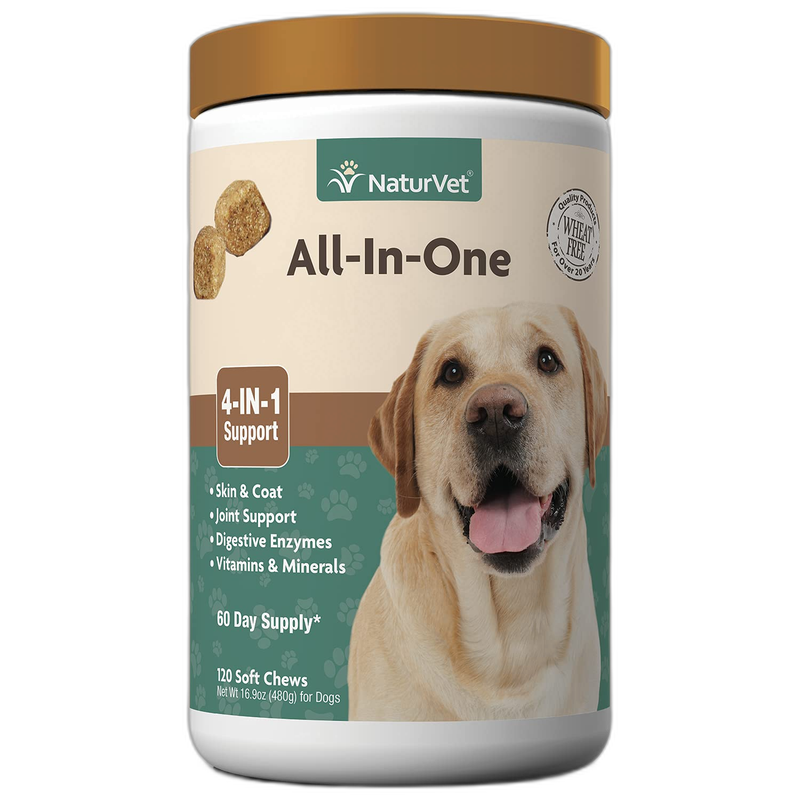
PetLab Co. Joint Care Chews for Senior Dogs
PetLab Co.
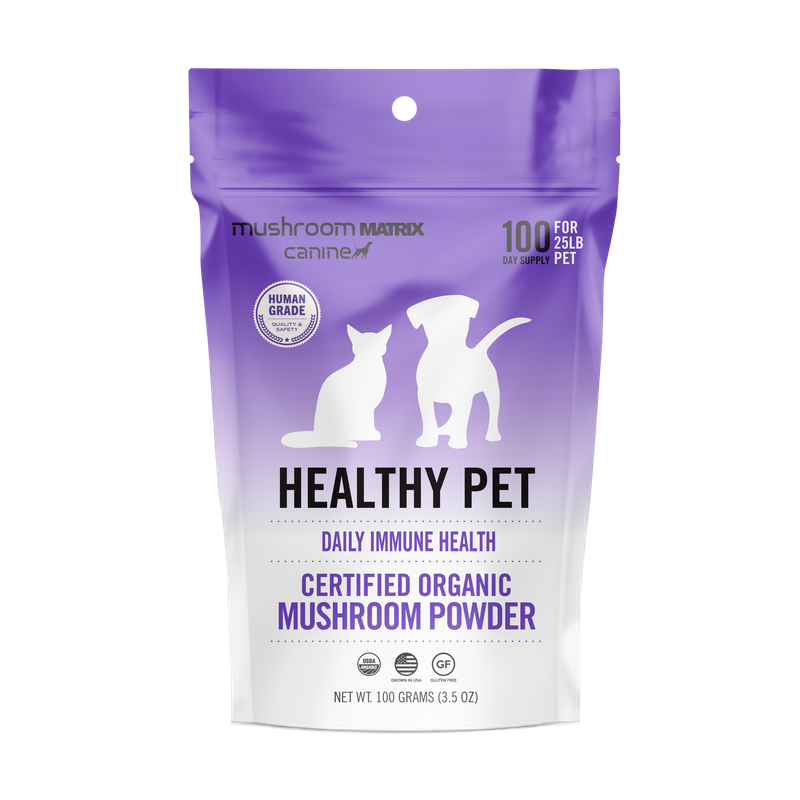
Nulo Functional Hip & Joint Soft Chews for Dogs
Nulo

Bernie's Marvelous Mobility Daily Hip & Joint Supplement
Bernie's