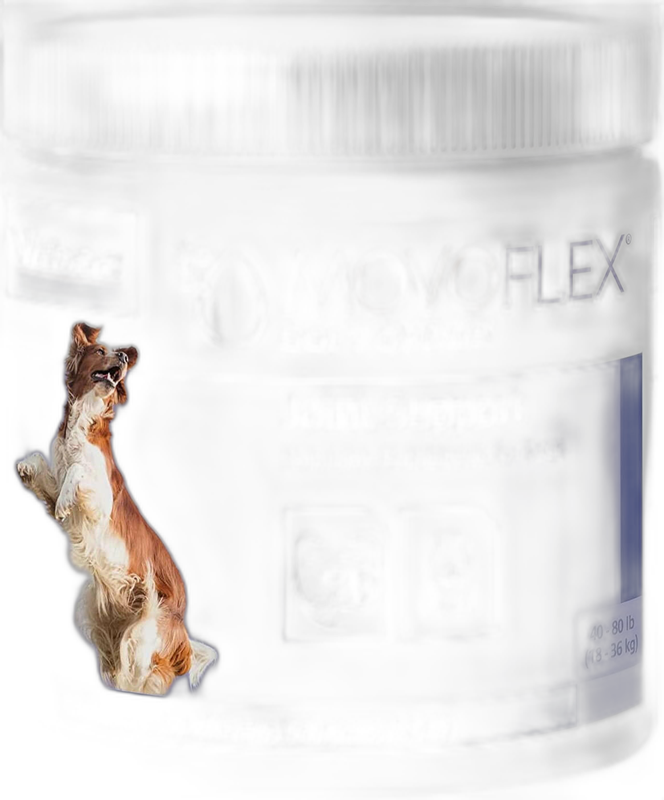
NEM (Natural Eggshell Membrane)
joint support
Natural Eggshell Membrane (NEM) is gaining attention as a potential supplement for joint health in both humans and pets, particularly dogs and cats. Derived from the thin membrane lining the inside of eggshells, NEM is a natural source of components crucial for cartilage and connective tissue, such as collagen, elastin, glycosaminoglycans (including chondroitin sulfate and hyaluronic acid), and various proteins. For pets experiencing joint discomfort, stiffness, or those in active stages of life, understanding what NEM is, how it works, and what the research suggests is important for making informed decisions about their care.
Eggshell Membrane for Dogs
The concept behind using eggshell membrane for dogs hinges on its rich biochemical composition. The membrane, often discarded during egg processing, contains a complex matrix of beneficial compounds. When processed into a supplement, this natural blend is thought to support the integrity and function of joints. For dogs, this translates to potential benefits like improved mobility, reduced stiffness, and enhanced comfort, especially in conditions like osteoarthritis or age-related joint degeneration.
Unlike some single-ingredient joint supplements, NEM offers a synergistic combination of elements. For instance, while glucosamine and chondroitin are often supplemented separately, NEM provides these along with other supportive molecules like hyaluronic acid and collagen, all naturally intertwined. This multi-faceted approach is believed to offer a more comprehensive support system for joint tissues.
However, the efficacy of NEM can depend on several factors, including the dog's individual condition, the severity of their joint issues, and the quality of the supplement itself. Not all NEM products are created equal; processing methods can influence the bioavailability and concentration of active components. Owners considering NEM should look for products specifically formulated for pets, as human supplements may contain different dosages or inactive ingredients not suitable for canine consumption. It's also worth noting that while NEM is generally considered safe, individual sensitivities or allergies are always a possibility, particularly for dogs with egg allergies.
Effectiveness of NEM® Brand Eggshell Membrane in Research
When discussing NEM, it's common to encounter references to specific brands, such as NEM® (Stratum Nutrition). This is because much of the initial research and product development has been conducted on proprietary forms of eggshell membrane. The effectiveness of NEM® brand eggshell membrane in human studies has shown promising results for reducing joint pain and stiffness, with some studies suggesting improvements within a relatively short timeframe (e.g., 7-10 days).
Translating these findings directly to pets, particularly dogs, requires careful consideration. While the biochemical composition of NEM is consistent, metabolic rates, absorption, and disease progression can differ between species. However, several veterinary-specific studies and anecdotal reports support similar benefits in canines. For example, some clinical trials in dogs with osteoarthritis have indicated that NEM supplementation can lead to improvements in lameness, pain scores, and overall quality of life, as assessed by veterinarians and owners. These studies often measure outcomes using standardized veterinary pain scales, gait analysis, and owner questionnaires.
A practical implication of this research is that veterinarians and pet owners now have another evidence-backed option to consider for joint support. The "trade-off" here might be the cost associated with branded, clinically studied supplements compared to generic alternatives. However, the potential for quicker or more pronounced results might justify the investment for some. Edge cases might include dogs with severe, end-stage osteoarthritis where structural damage is extensive, and while NEM may offer some symptomatic relief, it's not a cure and won't reverse significant cartilage loss. It's an adjunctive therapy, often used in conjunction with other treatments like weight management, exercise modification, and sometimes NSAIDs.
HealthyFlex Canine
"HealthyFlex Canine" is an example of a product name that might be associated with joint supplements for dogs, potentially containing NEM or other joint-supporting ingredients. When evaluating such products, it's crucial to look beyond the brand name and examine the ingredient list and the manufacturer's claims. For a product like HealthyFlex Canine that includes NEM, the core idea is to provide comprehensive joint support.
The practical implications for choosing a product like this involve understanding its complete formulation. Does it contain only NEM, or is it a multi-ingredient supplement? Many joint supplements combine NEM with other well-known ingredients like glucosamine, chondroitin, MSM (methylsulfonylmethane), or omega-3 fatty acids. While these combinations can offer broader support, it can also make it harder to isolate the specific effect of NEM.
Consider a scenario: a dog owner notices their older Labrador is slower to get up in the mornings and struggles with stairs. They decide to try a supplement. If they choose a product like HealthyFlex Canine, they should investigate:
- NEM Source and Concentration: Is the NEM a branded, clinically studied form (like NEM®), or a generic eggshell membrane? What is the dosage per serving?
- Other Ingredients: Are there other active ingredients, and are they present at therapeutic levels? Are there any inactive ingredients that might cause allergies or sensitivities?
- Manufacturer Reputation: Does the company have a history of producing quality pet supplements? Are their products third-party tested for purity and potency?
- Veterinary Endorsement: Has their veterinarian reviewed the product or suggested it?
The trade-off for a comprehensive product might be a higher price point. However, the benefit could be a more to joint health, addressing multiple pathways of inflammation and cartilage degradation. An edge case might be a dog that has a known allergy to chicken or eggs, in which case any egg-derived product, including NEM, would be contraindicated.
NEM® Pet
NEM® Pet refers specifically to the Natural Eggshell Membrane ingredient developed and marketed by Stratum Nutrition for animal use. This distinction is important because it implies a product that has undergone specific formulation and potentially research targeted at pets. The core idea behind NEM® Pet is to leverage the unique matrix of collagen, elastin, and glycosaminoglycans found in eggshell membrane to support joint health in companion animals.
The practical implications of using a branded ingredient like NEM® Pet are often linked to consistency and quality control. Manufacturers who license and use NEM® Pet in their formulations are typically using a standardized product with a known composition. This can provide a degree of assurance regarding the ingredient's purity and the concentration of its active components, which is not always guaranteed with generic eggshell membrane sources. This standardization is crucial for replicating the positive outcomes observed in research studies.
A key trade-off for pet owners is that products containing branded ingredients like NEM® Pet might carry a higher price tag. This higher cost often reflects the investment in research, quality assurance, and often patented processing methods that differentiate the branded ingredient. However, for owners seeking a supplement with a stronger backing of scientific inquiry, this premium might be considered worthwhile.
Consider an owner whose dog has been diagnosed with early-stage arthritis. They are exploring options to support joint health proactively. Opting for a supplement that clearly states it contains NEM® Pet could offer them more confidence than a product simply listing "eggshell membrane" without further specifics. This confidence stems from the understanding that the branded ingredient has a track record, albeit primarily from human studies, that suggests efficacy and safety.
An edge case might be a pet with a very sensitive digestive system. While NEM® Pet is generally well-tolerated, any new supplement can potentially cause mild digestive upset. Starting with a lower dose or introducing it gradually can help mitigate this.
ESM for Dogs - Natural Eggshell Membrane Joint Support
ESM, or Eggshell Membrane, for dogs functions as a natural joint support ingredient. The underlying principle is that the complex biological matrix of the eggshell membrane provides the building blocks and signaling molecules necessary for maintaining healthy cartilage and connective tissues in a dog's joints. This includes components like collagen (types I, V, X), elastin, desmosine, isodesmosine, glycosaminoglycans (chondroitin sulfate, hyaluronic acid, keratin sulfate), and various proteins.
The practical implications for pet owners are multifaceted. When a product advertises "ESM for dogs," it's suggesting a natural, food-derived approach to joint health. This can be appealing to owners looking for alternatives or complements to conventional pharmaceutical interventions, especially for long-term management of joint conditions. The natural origin of ESM often means it's perceived as having fewer side effects compared to some medications.
However, the term "ESM" itself is generic. While it points to the source material, it doesn't always specify the processing method, standardization, or concentration of active ingredients. This is a critical trade-off: a generic ESM product might be less expensive, but it might also lack the rigorous quality control and research backing of a branded alternative like NEM®. Owners need to scrutinize the supplement's label and manufacturer information carefully.
For example, if an owner has a senior dog with moderate hip dysplasia, they might consider an ESM supplement. They would want to know:
- Source and Purity: Is the eggshell membrane sourced responsibly? Are there contaminants?
- Processing: How is the membrane processed to ensure bioavailability of its components? Is it hydrolyzed?
- Dosage: What is the recommended dose for their dog's weight? Is this dose supported by any data?
- Formulation: Is it a standalone ESM product or part of a blend?
An edge case involves dogs with pre-existing gastrointestinal issues. While ESM is generally digestible, some dogs might react to the protein content or other components if they have a sensitive stomach. Introducing any new supplement slowly is always a prudent approach. The benefit of "natural" ingredients can be a double-edged sword; while often well-tolerated, "natural" doesn't automatically mean "inert" or "free from potential reactions."
NEM for Dogs: Dosage and Safety Considerations
Understanding the appropriate dosage and safety profile of NEM (Natural Eggshell Membrane) is paramount for pet owners. While NEM is generally well-tolerated, responsible supplementation requires adherence to recommended guidelines and awareness of potential, albeit rare, issues.
Dosage Guidelines
The effective dosage of NEM for dogs is often based on body weight, although specific recommendations can vary slightly between manufacturers and depending on whether the NEM is a standalone ingredient or part of a multi-ingredient formula. Based on veterinary research and common practices, a general guideline for NEM (such as the branded NEM® ingredient) often falls within a range that translates to:
- Small Dogs (under 20 lbs): Approximately 50-100 mg per day.
- Medium Dogs (20-50 lbs): Approximately 100-200 mg per day.
- Large Dogs (50-100 lbs): Approximately 200-300 mg per day.
- Giant Breeds (over 100 lbs): Approximately 300-500 mg per day.
It's crucial to always follow the specific dosing instructions provided by the supplement manufacturer, as their product's concentration may differ. When in doubt, consulting with a veterinarian is the best course of action, especially for dogs with pre-existing health conditions or those on other medications. Some products might suggest an initial "loading dose" for the first few weeks to achieve faster results, followed by a maintenance dose.
Safety Profile
NEM is largely considered safe for dogs. The natural origin of the ingredients contributes to its favorable safety profile. However, there are a few considerations:
- Allergies: Since NEM is derived from eggs, dogs with known egg allergies should not be given NEM supplements. While the membrane is distinct from the egg white and yolk, cross-reactivity is a possibility.
- Digestive Upset: In some sensitive dogs, any new supplement can cause mild gastrointestinal upset, such as soft stools or minor digestive discomfort. This is usually temporary and can often be mitigated by introducing the supplement gradually or giving it with food.
- Interactions: There are no widely reported negative interactions between NEM and common veterinary medications. However, it's always prudent to inform your veterinarian about all supplements your dog is taking to ensure there are no unforeseen interactions, especially if your dog is on prescription drugs for joint pain or inflammation.
- Quality Control: The safety of NEM also depends heavily on the quality of the product. Reputable manufacturers will ensure their NEM is free from contaminants, heavy metals, and pathogens. Look for products that mention third-party testing or certifications.
What to Look For in a NEM Supplement for Dogs
When selecting a NEM supplement for your dog, consider these factors:
| Feature | Why It Matters |
|---|---|
| Branded NEM (e.g., NEM®) | Often indicates a standardized product with research backing and quality control. |
| Specific Dosage | Clearly stated amount of NEM per serving, allowing for accurate dosing. |
| Third-Party Testing | Verifies purity, potency, and absence of contaminants (e.g., heavy metals, microbes). |
| No Unnecessary Fillers | Avoids artificial colors, flavors, or preservatives that might cause sensitivities. |
| Formulation (Chew, Powder, Capsule) | Choose a form that is easy for your dog to consume and for you to administer. |
| Veterinarian Recommended | A veterinarian's endorsement or formulation can add an extra layer of trust. |
| Clear Allergen Information | Important for dogs with sensitivities or allergies, especially to eggs. |
In summary, NEM offers a promising natural option for supporting canine joint health. With appropriate dosing and careful selection of a quality product, it can be a valuable addition to a dog's health regimen, particularly for those experiencing joint stiffness or discomfort. Always consult your veterinarian before starting any new supplement.
Conclusion
Natural Eggshell Membrane (NEM) presents a compelling option for pet owners seeking to support their dog's joint health. Its unique composition, rich in naturally occurring collagen, elastin, and glycosaminoglycans, offers a multi-faceted approach to maintaining cartilage integrity and reducing discomfort. While much of the initial research has focused on human applications, growing veterinary interest and studies suggest similar benefits for canines experiencing joint stiffness, reduced mobility, or conditions like osteoarthritis.
The key takeaway for curious readers is that NEM is more than just another joint supplement ingredient; it's a complex, natural matrix designed by nature itself to support connective tissues. When exploring NEM products for your pet, prioritize those that use branded, clinically studied forms of NEM, adhere to clear dosing guidelines, and come from manufacturers committed to quality and transparency. Always engage in a conversation with your veterinarian before introducing any new supplement to your pet's regimen, ensuring it aligns with their specific health needs and existing treatments.
Products Containing NEM (Natural Eggshell Membrane)
Top-rated supplements featuring this ingredient, ranked by our PSI+ score.