Bifidobacterium longum BL999
probiotic
Bifidobacterium longum BL999 is a specific probiotic strain gaining attention for its potential role in supporting pet health, particularly concerning stress and anxiety. This article explores what B. Longum BL999 is, how it functions in dogs and cats, its purported benefits, considerations for dosage, and important safety information. Understanding this probiotic can help pet owners make informed decisions regarding their animal's well-being.
Bifidobacterium longum BL999 For Dogs
Bifidobacterium longum BL999 is a particular strain of beneficial bacteria. It's not just any Bifidobacterium longum; the "BL999" designation refers to a specific, patented strain that has undergone research for its effects. In the context of dogs, this probiotic is primarily recognized for its potential to influence brain-gut communication, often referred to as the gut-brain axis. This means it may play a role in modulating behavior, particularly stress-related responses.
The practical implication here is that while many probiotics focus solely on digestive health, B. Longum BL999 is often marketed for its wider systemic effects, especially those linked to mental well-being. For a dog experiencing situational anxiety (e.g., during thunderstorms, car rides, or vet visits) or showing signs of general nervousness, a supplement containing this strain might be considered. However, it's not a replacement for behavioral training, environmental management, or veterinary consultation for severe issues. The trade-off is that while it offers a novel approach, its efficacy can vary between individual animals, and it’s typically seen as a supportive measure rather than a standalone cure. For example, a dog that paces and whines during fireworks might show a reduction in these behaviors with consistent supplementation, but it's unlikely to completely eliminate a deep-seated fear without additional interventions.
The Power of Probiotics for Pets, Including Bifidobacterium longum BL999
Probiotics are live microorganisms that, when administered in adequate amounts, confer a health benefit on the host. In pets, as in humans, the gut microbiome – the vast community of bacteria, fungi, and other microbes residing in the digestive tract – plays a crucial role in overall health. This includes not only digestion and nutrient absorption but also immune function and even mood regulation.
The power of probiotics lies in their ability to help maintain a balanced gut microbiome. When this balance is disrupted, often by stress, diet changes, antibiotic use, or illness, it can lead to various issues, from digestive upset to a weakened immune response. Certain probiotic strains, like Bifidobacterium longum BL999, are specifically chosen for their particular mechanisms of action. Instead of simply generic gut support, BL999 has been studied for its potential to interact with the gut-brain axis. This involves influencing neurotransmitter production, reducing inflammation, and strengthening the gut barrier, all of which can have downstream effects on brain function and behavior.
For example, a pet experiencing chronic mild digestive upset might benefit from a general probiotic blend aimed at improving gut flora diversity. In contrast, a pet exhibiting signs of anxiety might be a more suitable candidate for a targeted probiotic like B. Longum BL999, which has research suggesting a calming effect. The distinction is in the specificity of the benefit. While many probiotics support digestion, not all have demonstrated an impact on behavioral aspects like stress or anxiety.
Stress-Related Behavioral Disorders in Pets and the Gut-Brain Axis
Stress-related behavioral disorders in pets manifest in various ways, from excessive barking and destructive chewing to house soiling, aggression, and withdrawal. These behaviors are often driven by underlying anxiety, fear, or phobias. Traditionally, management strategies have focused on behavioral modification, environmental enrichment, and, in some cases, pharmaceutical interventions. However, emerging research highlights the significant role of the gut-brain axis in these conditions.
The gut-brain axis is a complex, bidirectional communication system linking the central nervous system with the enteric nervous system of the gut. This connection involves neural, hormonal, and immunological pathways. The gut microbiome, in particular, acts as a key modulator of this axis. It produces various neuroactive compounds, such as short-chain fatty acids and neurotransmitters (like serotonin and GABA precursors), which can influence brain function, mood, and behavior. An imbalance in the gut microbiome (dysbiosis) can disrupt this communication, potentially contributing to or exacerbating stress and anxiety.
Consider a cat that becomes fearful and hides every time visitors come over. While the immediate trigger is the presence of strangers, research into the gut-brain axis suggests that an imbalanced microbiome might amplify its stress response, making it more reactive to perceived threats. Similarly, a dog with separation anxiety might not only suffer from distress when left alone but could also have gut microbiome alterations that contribute to its heightened emotional state. Interventions targeting the gut microbiome, such as specific probiotics, aim to rebalance this ecosystem, potentially improving gut-brain communication and thereby helping to mitigate stress-related behaviors. This approach offers a complementary strategy to traditional behavioral management.
Behavioral Probiotics: A New Frontier
Behavioral probiotics represent a newer category of probiotic supplements specifically formulated or selected for their potential to influence mood, stress, and anxiety in pets. Unlike general digestive probiotics, which primarily aim to support gut flora balance for digestive health, behavioral probiotics target the gut-brain axis with the goal of modulating neurological functions. Bifidobacterium longum BL999 is a prominent example within this category.
The concept behind behavioral probiotics is that by introducing specific beneficial bacteria, the gut microbiome can be nudged towards a composition that supports a calmer state. This might involve:
- Producing neurotransmitter precursors: Some strains can produce compounds that are precursors to neurotransmitters like serotonin, which plays a key role in mood regulation.
- Reducing inflammation: Chronic low-grade inflammation, even in the gut, can affect brain function. Certain probiotics may help reduce systemic inflammation.
- Strengthening the gut barrier: A compromised gut barrier (often referred to as "leaky gut") can allow toxins and inflammatory compounds to enter the bloodstream, potentially affecting brain health. Probiotics can help maintain gut integrity.
- Modulating stress hormones: Some studies suggest probiotics can influence the production of stress hormones like cortisol.
For instance, a dog that consistently exhibits nervous licking or tail tucking during car rides might respond to a behavioral probiotic. The probiotic isn't a sedative, but by potentially modulating the gut-brain axis, it could help reduce the physiological stress response, making the dog feel generally less anxious. This contrasts with a dog suffering from acute diarrhea, where a general probiotic focused on restoring gut flora might be more appropriate. The key distinction is the targeted outcome: digestive health versus behavioral modulation. While some overlap exists, behavioral probiotics are chosen for their specific neurological effects.
Comparison: General Probiotics vs. Behavioral Probiotics
| Feature | General Probiotic | Behavioral Probiotic (e.g., B. Longum BL999) |
|---|---|---|
| Primary Goal | Digestive health, immune support | Stress/anxiety reduction, mood modulation |
| Key Mechanisms | Restoring gut flora balance, aiding digestion | Influencing gut-brain axis, neurotransmitter support |
| Target Issues | Diarrhea, constipation, antibiotic-associated upset | Anxiety, fear, stress-related behaviors |
| Strain Selection | Diverse strains for general gut health | Specific strains (e.g., BL999) with studied behavioral effects |
| Expected Outcome | Improved digestion, firmer stools, better immunity | Reduced anxious behaviors, calmer demeanor |
Purina Calming Care and the Role of B. Longum BL999
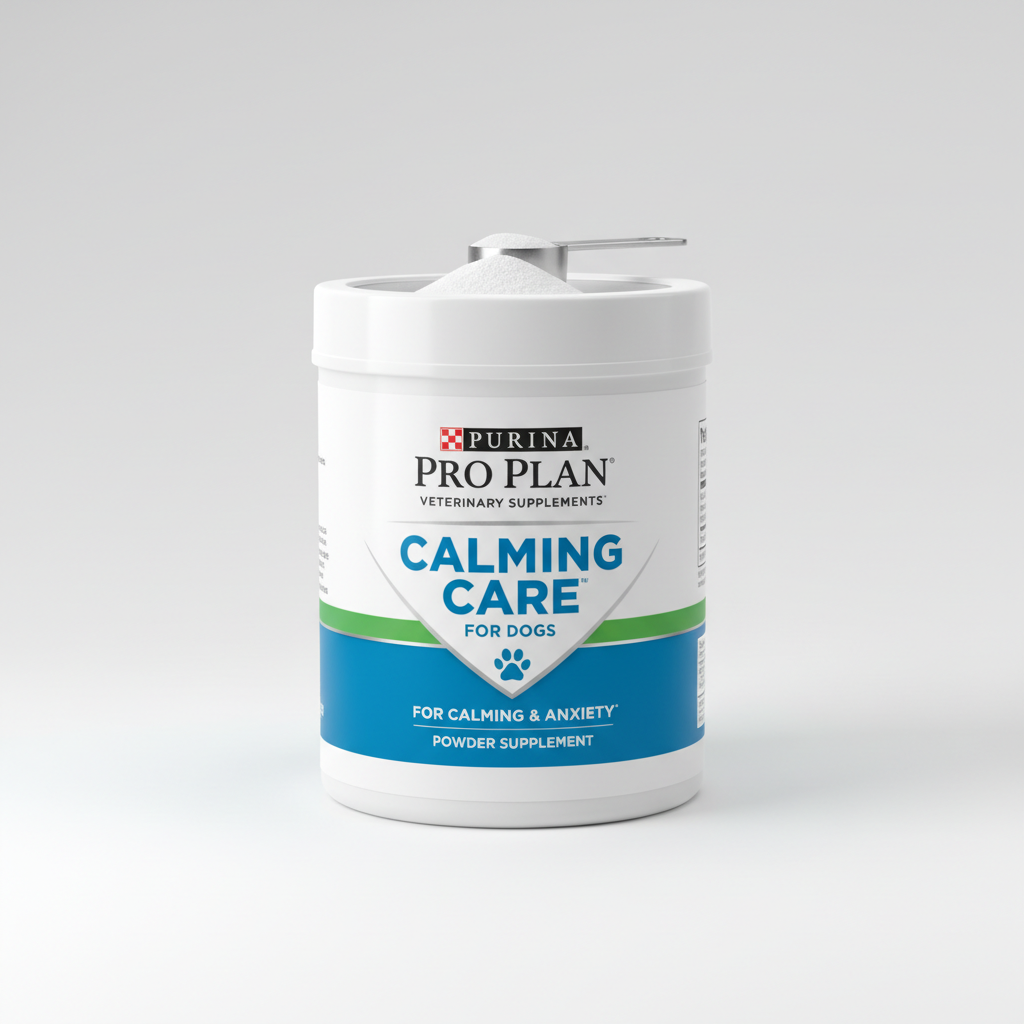
One of the most recognized commercial products featuring Bifidobacterium longum BL999 is Purina Pro Plan Veterinary Diets Calming Care. This product has brought the concept of behavioral probiotics into the mainstream for pet owners. Its association with phrases like "Purina Calming Care / Prozac" in online discussions highlights the interest in non-pharmaceutical options for managing pet anxiety.
It's important to understand that Calming Care is not a pharmaceutical drug like Prozac (fluoxetine). Prozac is a selective serotonin reuptake inhibitor (SSRI) that directly alters brain chemistry to manage anxiety and depression. Calming Care, which contains B. Longum BL999, works instead through the gut-brain axis to support a calmer demeanor. While both products aim to reduce anxiety, their mechanisms are fundamentally different.
For a pet owner considering options, the choice often depends on the severity and nature of the anxiety. For mild to moderate stress, or as an adjunct to behavioral training, a product like Calming Care might be a suitable first step. For severe anxiety, aggression, or phobias that significantly impair a pet's quality of life, a veterinarian might recommend pharmaceutical intervention, potentially in conjunction with behavioral modification and probiotic support.
The practical implications are that while Calming Care offers a gentle approach, it typically requires consistent use over several weeks to observe effects. It's not a "quick fix" for acute panic. For example, a dog with noise phobia might still react to a loud bang, but with consistent B. Longum BL999 supplementation, its recovery time might be faster, or its overall baseline anxiety level might decrease, making it less reactive to other stressors.
Calming Care Dog Probiotic Anxiety Supplement: A Closer Look
Purina Pro Plan Veterinary Diets Calming Care is a specific supplement designed to help dogs cope with external stressors and maintain calm behavior. Its primary active ingredient is Bifidobacterium longum BL999. The product is typically presented as a powder sachet, intended to be sprinkled over food once daily.
The claims surrounding Calming Care are based on studies, primarily conducted by Purina, suggesting that consistent supplementation with B. Longum BL999 can help dogs maintain calm behavior in stressful situations, reduce anxious behaviors like pacing or excessive barking, and improve coping mechanisms. It’s important to note that these benefits are generally observed over a period of weeks, not immediately.
Dosage and Administration
The dosage for B. Longum BL999 in products like Calming Care is typically standardized per sachet, regardless of the dog's size. This approach is common for probiotics where the benefit is derived from a consistent daily intake of the live microorganisms rather than a weight-dependent dose. Pet owners should always follow the manufacturer's instructions. For Calming Care, this usually means one sachet per day.
Safety and Side Effects
Bifidobacterium longum BL999, as found in Calming Care, is generally considered safe for dogs and cats. Probiotics, by their nature, are beneficial bacteria already present in the gut. Adverse effects are rare but can include mild digestive upset such as gas, bloating, or loose stools, especially during the initial days of supplementation as the gut microbiome adjusts. These effects are usually transient.
However, as with any supplement, there are considerations:
- Immuno-compromised pets: Pets with severely compromised immune systems should only receive probiotics under veterinary guidance.
- Allergies: While rare, a pet could be sensitive to other ingredients in the supplement.
- Interaction with medications: While probiotics are generally safe, it's always wise to inform your veterinarian about any supplements your pet is taking, especially if they are on other medications.
For example, a dog starting Calming Care might experience slightly softer stools for a few days. If this persists or worsens, discontinuing use and consulting a vet would be appropriate. In most cases, however, pets tolerate it well. The safety profile of B. Longum BL999 specifically is well-established through studies, making it a low-risk option for many pets.
Dosage Guidelines for Bifidobacterium longum BL999 in Dogs and Cats
Determining the precise dosage for Bifidobacterium longum BL999 for dogs and cats involves several factors, though for commercially available products, the manufacturer's recommendations are paramount. Unlike medications that are often dosed by weight, probiotics are typically dosed by the number of Colony Forming Units (CFUs) of the specific strain.
For products like Purina Calming Care, which specifically uses B. Longum BL999, the dosage is standardized. For dogs, it's generally one sachet (containing a specific CFU count, usually in the billions) per day, regardless of the dog's size. This is because the probiotic's effect is less about the animal's mass and more about establishing a beneficial population in the gut.
For cats, similar products or formulations might also suggest a single, standardized dose. Given the smaller size of most cats, a lower CFU count might theoretically be effective, but manufacturers often provide a universal dose for simplicity and to ensure efficacy across the typical feline weight range.
General Dosage Considerations (Always defer to product instructions):
- Manufacturer's Recommendations: This is the most reliable guide. Companies that invest in specific strains like BL999 conduct studies to determine effective dosages.
CFU Count: Look for products that clearly state the CFU count per dose. For B. Longum* BL999, efficacy has been studied at levels typically in the billions (e.g., 1 x 10^9 CFU).
- Consistency: Probiotics require consistent daily administration to maintain their beneficial effects. Intermittent use is unlikely to yield significant results.
- Duration: Behavioral probiotics often need several weeks (e.g., 4-6 weeks) of continuous use before noticeable changes in behavior are observed. This is not an acute treatment.
Example Scenario: A 10-pound cat and a 70-pound dog would both typically receive one sachet of a B. Longum BL999 product like Calming Care daily. The efficacy isn't scaled by weight in the same way an antibiotic would be. The goal is to deliver a sufficient number of live bacteria to influence the gut microbiome and, subsequently, the gut-brain axis. If a pet owner is unsure or has a pet with specific health concerns, consulting a veterinarian is always the best course of action.
Safety Guide for Bifidobacterium longum BL999 in Pets
The safety of Bifidobacterium longum BL999 for dogs and cats is a key concern for pet owners. As a probiotic strain specifically studied for pet use, it generally has a high safety profile. However, understanding potential considerations helps in its responsible application.
Overall Safety:
GRAS Status: Many probiotic strains, including certain Bifidobacterium longum* strains, are recognized as "Generally Recognized As Safe" (GRAS) for human consumption, and this often extends to pets due to similar biological mechanisms. Natural Gut Inhabitant: Bifidobacterium* species are natural inhabitants of the mammalian gut, meaning their introduction is less likely to cause adverse reactions compared to foreign substances.
- Limited Side Effects: Clinical studies and anecdotal reports suggest side effects are rare and typically mild.
Potential Side Effects (Rare):
- Gastrointestinal Upset: Some pets, particularly when first starting a probiotic, might experience mild and temporary digestive disturbances such as:
- Gas
- Bloating
- Soft stools or mild diarrhea
- Constipation (less common)
These symptoms usually resolve within a few days as the gut microbiome adjusts. If they persist or worsen, discontinuation and veterinary consultation are advised.
- Allergic Reactions: While extremely rare, a pet could have an allergic reaction to other inactive ingredients in a probiotic supplement (e.g., fillers, flavorings). Symptoms would include itching, hives, swelling, or difficulty breathing.
Important Considerations and When to Consult a Veterinarian:
- Immunocompromised Pets: Pets with weakened immune systems (e.g., due to illness, chemotherapy, or certain medications) should only be given probiotics under strict veterinary supervision. There's a theoretical, albeit very low, risk of systemic infection from live bacteria in these cases.
- Severe Illness: If your pet is severely ill, vomiting, has bloody diarrhea, or is experiencing acute symptoms, consult a veterinarian immediately. Probiotics are not a treatment for acute, severe medical conditions.
- Pre-existing Conditions: Pets with known gastrointestinal diseases (e.g., Inflammatory Bowel Disease) or other chronic health issues should have their veterinarian approve probiotic use.
- Medication Interactions: While probiotics generally don't interact negatively with most medications, it's always prudent to inform your vet about all supplements your pet is taking, especially if they are on antibiotics (which can kill probiotics, so timing administration might be important) or other prescription drugs.
Product Quality: Ensure you choose a reputable brand that clearly lists the specific strain (B. Longum* BL999), CFU count, and expiration date. Probiotics must be live and viable to be effective.
In summary, Bifidobacterium longum BL999 is considered a safe supplement for most healthy dogs and cats when administered according to manufacturer guidelines. Monitoring your pet for any unusual changes, especially during the initial phase of supplementation, is always a good practice.
FAQ
Is bifidobacterium longum BL999 safe for dogs?
Yes, Bifidobacterium longum BL999 is generally considered safe for dogs. Studies and practical use have shown it to be well-tolerated, with rare and usually mild side effects like temporary digestive upset. However, for pets with compromised immune systems or severe underlying health conditions, veterinary consultation is recommended before starting any new supplement.
Is bifidobacterium longum good for dogs?
Yes, Bifidobacterium longum is considered beneficial for dogs, particularly the BL999 strain. It has been researched for its potential to support the gut-brain axis, which can help dogs cope with stress, reduce anxious behaviors, and promote a calmer demeanor. Beyond behavioral effects, it also contributes to overall gut health and immune function.
Does BL999 work?
Research, particularly studies conducted by Purina on their Calming Care product, suggests that Bifidobacterium longum BL999 can be effective in helping dogs manage stress and reduce anxiety-related behaviors. Pet owners often report positive changes such as reduced pacing, less excessive barking, and improved coping mechanisms in stressful situations. However, individual results can vary, and it typically requires consistent use over several weeks to observe noticeable effects. It is not an immediate solution for acute anxiety.
Conclusion
Bifidobacterium longum BL999 represents a targeted approach in pet health, moving beyond generic digestive support to address specific behavioral challenges related to stress and anxiety. Its mechanism, operating through the gut-brain axis, offers a complementary tool for pet owners and veterinarians seeking to improve a pet's emotional well-being. While generally safe and well-tolerated, consistent use is key, and it's important to set realistic expectations; it is a supportive measure, not a pharmaceutical intervention. For those with pets exhibiting mild to moderate stress-related behaviors, or as an adjunct to other management strategies, exploring B. Longum BL999 under veterinary guidance could be a valuable consideration.
Products Containing Bifidobacterium longum BL999
Top-rated supplements featuring this ingredient, ranked by our PSI+ score.