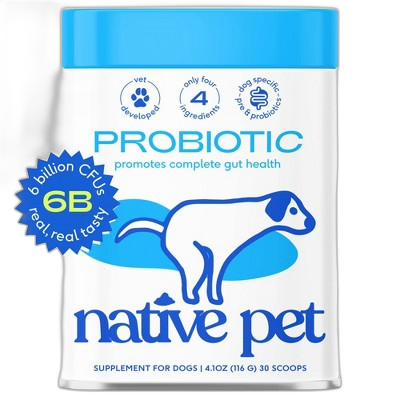
Probiotic Blend (4 strains)
probiotic
A probiotic blend featuring four specific strains offers targeted support for the digestive and overall health of dogs and cats. These blends introduce beneficial microorganisms to the gut, aiming to balance the microbiome, aid digestion, and potentially bolster immune function. Understanding the specific strains, appropriate dosages, and safety considerations is crucial for pet owners considering such supplements.
Understanding Probiotic Blends for Pets
A probiotic blend for dogs and cats, typically featuring four distinct strains, combines beneficial bacteria specifically chosen for their roles in gut health. This multi-strain approach offers broader support than single-strain probiotics, addressing various aspects of the digestive system and immune response. The rationale is that different bacteria colonize distinct parts of the gut and perform unique functions; some strains, for example, might break down specific nutrients, while others inhibit harmful bacteria or modulate the immune system.
The practical implication of a multi-strain blend is that it aims for a more comprehensive impact than a single strain might achieve. However, it's not simply about quantity; the quality and specific combination of strains matter. An effective blend considers synergy, where the strains work together to enhance their individual benefits. For example, some strains might produce lactic acid, lowering gut pH and creating an environment favorable for other beneficial bacteria in the blend.
Trade-offs exist. A complex blend might be more expensive than a single-strain product. Also, identifying which specific strain is responsible for a particular improvement can be challenging with a blend, making it harder to fine-tune if a pet responds better to one strain over another. Edge cases might include pets with highly specific digestive issues that respond best to a very targeted, single-strain approach, or those with compromised immune systems where introducing multiple new bacteria needs careful veterinary oversight.
Consider a dog experiencing chronic loose stools. A single strain like Lactobacillus acidophilus might help, but a blend including L. Acidophilus, Bifidobacterium animalis, Enterococcus faecium, and Bacillus coagulans could offer a more robust solution. Each strain potentially contributes: L. Acidophilus for general gut balance, B. Animalis for colon health, E. Faecium for immune modulation, and B. Coagulans for spore-forming resilience through the digestive tract.
Digestive & Immune Support: The Role of Probiotic Supplements
Probiotic supplements for dogs and cats primarily target digestive and immune support. The gut microbiome—the community of microorganisms residing in the digestive tract—plays a central role in both these systems. A balanced microbiome is essential for efficient nutrient absorption, regular bowel movements, and the production of vitamins. It also forms a significant part of the body's immune defense, as a large percentage of immune cells are located in the gut.
When this balance is disrupted, often due to stress, diet changes, antibiotic use, illness, or aging, pets can experience digestive upset such as diarrhea, constipation, gas, or vomiting. An imbalanced gut can also manifest as skin issues, allergies, or a weakened immune response. A probiotic blend (4 strains) supplement aims to reintroduce or bolster beneficial bacteria, thereby restoring balance and supporting these critical functions.
For instance, a dog undergoing antibiotic treatment for an infection will likely experience a reduction in both harmful and beneficial gut bacteria. Supplementing with a probiotic blend during and after this period can help repopulate the gut with good bacteria, potentially mitigating antibiotic-associated diarrhea and accelerating recovery of the gut flora.
Practical implications include improved stool quality, reduced gas, and potentially fewer allergic reactions. For older pets, who may have a naturally less diverse microbiome, probiotics can help maintain digestive regularity and nutrient absorption. However, results are not always immediate and can vary between individual animals. It's not a magic bullet; a poor diet will still lead to issues, even with probiotic supplementation.
A trade-off is the cost and consistency required. Probiotics typically need to be given regularly to maintain their effects, as the introduced bacteria may not permanently colonize the gut. An edge case might be a pet with a severe underlying digestive disease, such as Inflammatory Bowel Disease (IBD), where probiotics might be part of a broader treatment plan but not a standalone solution. In such scenarios, veterinary guidance is paramount.
Beyond Probiotics: Digestive Enzymes, Prebiotics, and More
Some advanced pet supplements combine probiotic blends with other beneficial ingredients, such as digestive enzymes and prebiotics. For example, a product marketed as "Dog Probiotics with 6 Digestive Enzymes, 4 Prebiotics, 11..." (referring to an unspecified number of other ingredients) aims to provide a multi-faceted approach to gut health.
- Digestive Enzymes: These are proteins that help break down food into smaller, absorbable molecules. Pets, especially those on processed diets or with pancreatic insufficiency, may benefit from supplemental enzymes like amylase (for starches), protease (for proteins), and lipase (for fats). Including enzymes alongside probiotics can improve nutrient absorption, a crucial step before the probiotics can even begin to work on the remaining food matter and gut environment.
- Prebiotics: These are non-digestible fiber compounds that act as food for beneficial gut bacteria, including the probiotic strains introduced by the supplement. Common prebiotics include Fructooligosaccharides (FOS) and Inulin. By nourishing the good bacteria, prebiotics help them thrive and multiply, enhancing the effectiveness of the probiotic blend. Think of probiotics as the seeds and prebiotics as the fertilizer.
The practical implication of such comprehensive supplements is a potentially . Improved digestion from enzymes means more nutrients are available to the pet and less undigested food remains to feed opportunistic harmful bacteria. Prebiotics then ensure the probiotic strains have the fuel they need to establish themselves.
A trade-off is that more ingredients mean a higher chance of a pet being sensitive or allergic to one of them. Also, for pets with specific issues, a simpler product might be easier to monitor for effectiveness. An edge case could involve a pet with chronic pancreatitis; while digestive enzymes are often critical, adding a complex probiotic blend might need careful consideration to avoid overwhelming a sensitive system.
For example, a senior cat struggling with both poor appetite and occasional vomiting might benefit from a blend that includes digestive enzymes to help break down food, a probiotic blend (4 strains) to balance the gut, and prebiotics to support those good bacteria. This addresses multiple potential points of digestive weakness.
Species-Specific Probiotics: The Fido's Flora Example
The concept of "canine species-specific probiotics," as highlighted by products like "Fido's Flora," emphasizes that the gut microbiome of dogs is distinct from that of humans or other animals. While some probiotic strains might offer general benefits across species, strains naturally found in a dog's gut are often considered more effective for dogs. This is because they are adapted to the canine digestive environment, including pH levels, transit time, and dietary components.
The core idea is that these canine-specific strains are more likely to survive the journey through the acidic stomach, colonize the intestines, and integrate effectively into the existing canine microbiome. Human-derived strains, while sometimes beneficial, might not be as robust or as well-suited for long-term residency in a dog's gut.
This approach offers practical benefits, including potentially greater efficacy and improved compatibility, which could lead to more significant improvements in a dog's digestive health and immune function. For instance, strains such as Lactobacillus fermentum and Bifidobacterium animalis are commonly present in healthy canine guts. A probiotic formulated with these or similar dog-specific strains could provide more targeted support than a general, human-focused product.
The trade-off is often a narrower selection of products and potentially higher cost due to specialized research and production. It also assumes that all dogs will benefit from the same species-specific strains, which might not always be true given individual variations in gut microbiomes. An edge case might involve a dog with an extremely compromised or unusual gut flora, where even species-specific strains might struggle to establish without significant dietary or medical intervention.
Consider a scenario where a dog has chronic diarrhea. A general probiotic might offer some relief, but a canine species-specific blend, perhaps containing strains isolated from healthy dogs, could provide a more robust and sustained recolonization effort, leading to better long-term outcomes. This approach respects the unique biology of the canine digestive system.
Navigating the Probiotic Landscape: An Ultimate Guide
Choosing the "best" probiotic for dogs requires understanding several factors beyond just the number of strains. An ultimate guide would emphasize the following considerations:
The practical implication is that a discerning pet owner needs to look beyond marketing claims and examine the ingredient list and product specifications carefully. For example, a product claiming "11 billion CFUs" might sound impressive, but if it doesn't list the specific strains or has no indication of third-party testing, its efficacy is questionable.
A trade-off is the time and effort required for research. It's easier to pick up the first product seen, but investing time in understanding the options can lead to better outcomes. An edge case might be a pet with a very sensitive stomach, where introducing even common prebiotics could cause gas; in such a scenario, a simpler, pure probiotic blend might be preferable initially.
Bifidobacterium for Fido: Specific Strain Focus
Some probiotic products, such as "Bifido For Fido," highlight specific bacterial genuses like Bifidobacterium. This focus underscores the importance of certain bacterial groups for canine health. Bifidobacterium species are prominent inhabitants of the healthy canine gut, particularly in the large intestine. They are known for their ability to produce lactic acid and acetic acid, which help lower the gut pH, creating an environment less hospitable for pathogenic bacteria.
Bifidobacterium strains are also involved in:
- Immune Modulation: They can interact with immune cells in the gut, promoting a balanced immune response.
Nutrient Synthesis: Some Bifidobacterium* species contribute to the synthesis of B vitamins.
- Barrier Function: They can help strengthen the gut lining, reducing its permeability and preventing harmful substances from entering the bloodstream.
A probiotic blend (4 strains) for dogs that includes a Bifidobacterium strain, such as Bifidobacterium animalis or Bifidobacterium longum, aims to leverage these specific benefits. For instance, Bifidobacterium animalis is a commonly studied strain in dogs and has shown promise in improving stool quality and reducing gastrointestinal upset.
The practical implication is that products emphasizing Bifidobacterium are often targeting aspects like overall gut integrity, immune support, and reduction of inflammatory responses in the colon. This can be particularly beneficial for senior dogs, who often experience a decline in Bifidobacterium populations, or dogs with chronic inflammatory bowel conditions.
A trade-off is that focusing solely on Bifidobacterium might neglect the benefits offered by other important genuses like Lactobacillus or Enterococcus. A comprehensive blend often includes strains from multiple genuses to provide broader support. An edge case could be a dog with a specific Bifidobacterium deficiency identified through microbiome testing, where a targeted supplement would be highly advantageous.
Consider a dog with recurring bouts of colitis. A probiotic blend that includes a robust Bifidobacterium strain could help stabilize the colon environment, reduce inflammation, and support the integrity of the intestinal barrier, potentially reducing the frequency and severity of flare-ups.
Dosage and Safety Guidelines
Determining the correct dosage for a probiotic blend (4 strains) supplement for dogs and cats requires attention to the product's specific instructions, which are often based on the pet's weight. General guidelines exist, but these can vary significantly between brands due to differing CFU counts, strain combinations, and product formulations.
Dosage Considerations:
- Manufacturer's Instructions: Always follow the dosage recommendations provided on the product label. These are typically expressed in terms of scoops, capsules, or chews per day, often with different amounts for small, medium, and large pets.
- CFU Count: While some products suggest a blanket dose, others might adjust based on the total Colony Forming Units (CFUs) per serving. A common starting point for dogs is 1-10 billion CFUs daily, but this is a broad range. Cats generally require lower doses, often in the hundreds of millions to a few billion CFUs.
- Pet's Weight: Most products provide a weight-based dosage chart.
- Pet's Condition: For pets with acute issues (e.g., diarrhea due to antibiotics), a higher initial dose might be recommended by a vet, potentially tapering down to a maintenance dose. For general wellness, a standard maintenance dose is usually sufficient.
- Consistency: Probiotics work best when given consistently. Daily administration is typically recommended to maintain a steady population of beneficial bacteria in the gut.
Safety Considerations:
- Generally Safe: Probiotics are widely considered safe for most healthy dogs and cats. Side effects are rare and usually mild.
- Mild Side Effects: When side effects occur, they are typically gastrointestinal and transient. These can include:
- Gas or Bloating: Especially when first starting, as the gut adjusts to new bacteria.
- Mild Diarrhea or Constipation: Again, usually temporary.
- Allergic Reactions: Rare, but possible if the pet is sensitive to specific ingredients (e.g., fillers, flavorings, or even certain bacterial components).
- Start Low, Go Slow: If introducing a probiotic for the first time, especially to a sensitive pet, some owners opt to start with a half dose for a few days and gradually increase to the full recommended amount. This allows the pet's system to adjust.
- Immune-Compromised Animals: Pets with severely compromised immune systems (e.g., those undergoing chemotherapy, with FIV/FeLV in cats, or severe autoimmune diseases) should only receive probiotics under strict veterinary supervision. There's a theoretical, albeit rare, risk of bacteremia (bacteria entering the bloodstream) in such cases.
- Storage: Proper storage is critical for probiotic viability. Follow label instructions regarding refrigeration to ensure the bacteria remain alive and effective.
- Consult Your Vet: Always consult your veterinarian before starting any new supplement, particularly if your pet has pre-existing health conditions, is on medication, or is pregnant/nursing. They can provide tailored advice and rule out underlying issues.
Comparison Table: Dosage and Form Factors
| Feature | Powder | Chewable Treat | Capsule |
|---|---|---|---|
| Pros | Easy to mix with food, flexible dose | Palatable, convenient, often well-accepted | Targeted delivery (enteric-coated), no fillers |
| Cons | Can be messy, some pets may refuse | Sugar/fillers, harder to adjust dose | Some pets resist pills, can be swallowed whole |
| Typical Dosage | Scoop per weight range | 1-2 chews per weight range | 1 capsule per weight range |
| Storage | Often requires refrigeration | Varies, some shelf-stable | Varies, some shelf-stable or refrigerated |
| Best For | Picky eaters, precise dosing | Easy administration, treat-motivated pets | Precise dosing, sensitive guts |
This table illustrates the practical implications of choosing a particular form factor alongside dosage considerations. For instance, a cat that refuses capsules might do well with a palatable chew, while a dog with severe allergies might benefit from a pure powder with minimal ingredients.
Conclusion
A probiotic blend (4 strains) for dogs and cats offers a promising avenue for supporting digestive health and immune function by introducing beneficial bacteria to the gut. These multi-strain supplements aim for a broader impact than single-strain options, often enhanced by the inclusion of prebiotics and digestive enzymes. However, effectiveness hinges on factors like strain selection, CFU count, and species-specificity. Pet owners should prioritize products with clear ingredient lists, proper storage instructions, and ideally, third-party verification. Always adhere to manufacturer dosage guidelines and consult a veterinarian, especially for pets with underlying health conditions, to ensure safe and effective use. Investing in a well-researched probiotic blend can be a valuable component of a pet's overall wellness strategy, contributing to a balanced gut microbiome and improved vitality.
Products Containing Probiotic Blend (4 strains)
Top-rated supplements featuring this ingredient, ranked by our PSI+ score.