Boswellia Serrata Extract
anti-inflammatory
Boswellia serrata extract, derived from the resin of the Boswellia tree, has gained attention as a potential natural anti-inflammatory for dogs and other pets. Owners often consider it for managing inflammatory conditions, particularly those affecting joints. This article examines the current veterinary understanding of boswellia serrata extract for dogs, including its proposed mechanisms, safety considerations, typical dosing approaches, and what to consider when selecting a supplement.
Boswellia for Dogs: Understanding the Basics
Boswellia serrata, also known as Indian frankincense, has a long history of use in Ayurvedic medicine for its reported anti-inflammatory properties. The active compounds in boswellia resin are called boswellic acids. These acids are believed to interfere with specific inflammatory pathways in the body. Unlike some conventional anti-inflammatory drugs that block only one pathway, boswellic acids are thought to act on several, potentially leading to a broader anti-inflammatory effect with fewer side effects.
The practical implication for dog owners is considering boswellia serrata extract for chronic inflammatory conditions, such as osteoarthritis, inflammatory bowel disease, or certain skin conditions. It's often viewed as a complementary therapy, rather than a standalone cure. For example, a dog with mild to moderate osteoarthritis might benefit from boswellia alongside other interventions like controlled exercise and weight management. For a dog with severe joint pain, boswellia might be used in conjunction with prescription medications, potentially allowing for lower doses of those drugs over time, under veterinary supervision. The key trade-off is that while boswellia is generally well-tolerated, its effects may be less potent or slower to manifest than prescription options.
Dietary Support with Boswellia Resin in Canine Inflammatory Conditions
Research into the efficacy of boswellia resin in canine inflammatory conditions has been growing. The primary focus has been on its role in managing osteoarthritis, a common ailment in aging dogs. Studies suggest that boswellic acids can inhibit enzymes like 5-lipoxygenase (5-LO) and human leukocyte elastase (HLE), which are involved in the inflammatory cascade. By modulating these pathways, boswellia may help reduce pain, swelling, and stiffness associated with inflammation.
A practical implication is that owners looking for a natural approach to reduce their pet's inflammation might find boswellia appealing. For instance, a medium-sized dog showing early signs of stiffness after walks, but not yet requiring prescription pain medication, might be a candidate for a boswellia supplement. However, it's important to understand that boswellia is not a quick fix. Its effects are typically gradual and cumulative. Owners should monitor their pet for subtle improvements in mobility, demeanor, and comfort levels over several weeks or months. A trade-off is that while boswellia can offer dietary support, it might not be sufficient for acute or severe inflammatory episodes, where more immediate and potent interventions are necessary. Owners should consult their veterinarian to determine if boswellia is an appropriate addition to their dog's treatment plan and to manage expectations regarding its effectiveness.
Boswellia Serrata - Dog Supplements: What to Look For
When considering a boswellia serrata extract supplement for dogs, the market offers a range of products. The most important factors are the quality of the extract, the concentration of active boswellic acids, and the overall formulation.
- Extract Standardization: High-quality boswellia supplements are standardized to contain a specific percentage of boswellic acids, often around 60-95%. This standardization ensures consistency in the amount of active compounds per dose. Without standardization, the amount of beneficial compounds can vary significantly between batches or brands, making it difficult to achieve consistent results.
- Formulation: Boswellia is often combined with other ingredients known for their joint or anti-inflammatory benefits, such as glucosamine, chondroitin, MSM (methylsulfonylmethane), turmeric, or omega-3 fatty acids. This multi-ingredient approach can offer . For example, a supplement combining boswellia with MSM might address both inflammation and cartilage support more comprehensively than boswellia alone.
- Form: Supplements come in various forms: chews, tablets, capsules, and powders. The best form depends on your dog's preferences and ease of administration. Chews are often palatable and easy to give, while powders can be mixed into food.
- Third-Party Testing: Reputable manufacturers often conduct third-party testing to verify the purity, potency, and absence of contaminants in their products. Look for indications of such testing on the product label or manufacturer's website.
Consider a scenario where you have two boswellia supplements. One lists "Boswellia serrata powder" as an ingredient, while the other states "Boswellia serrata extract standardized to 65% boswellic acids." The latter provides more assurance regarding the active ingredient's concentration. The trade-off for higher quality and standardization might be a higher price point, but it also increases the likelihood of effectiveness.
Boswellia for Dogs - A Veterinary Opinion
Veterinary opinions on boswellia serrata extract for dogs generally lean towards cautious optimism, particularly for chronic inflammatory conditions. Many veterinarians recognize its potential as an adjunctive therapy, meaning it can be used alongside conventional treatments. It's often considered for dogs who cannot tolerate NSAIDs (non-steroidal anti-inflammatory drugs) due to side effects, or for owners seeking more natural options.
The practical implications of a veterinary opinion often involve a holistic assessment of the dog's condition, age, other medications, and overall health. A veterinarian might suggest boswellia for an older dog with mild osteoarthritis who is already on a joint support diet and has a good body condition score. They might also recommend it for a dog with a history of gastrointestinal upset from NSAIDs.
However, a veterinarian's opinion will also emphasize that boswellia is not a substitute for diagnosing the underlying cause of inflammation. For instance, a dog limping due to a torn ligament requires surgical intervention, not just boswellia. Similarly, a dog with severe pain or acute inflammation might need immediate, more potent pharmaceutical pain relief. The trade-off is that while boswellia is generally safe, it's not a miracle cure. It's best used as part of a comprehensive management plan developed with a veterinary professional. This ensures that the dog receives appropriate care and that boswellia is used effectively and safely.
Cosequin® Soft Chews Plus MSM & Boswellia for Dogs
Products like Cosequin® Soft Chews Plus MSM & Boswellia for Dogs exemplify a common approach to pet joint supplements: combining multiple ingredients for . This particular product blends glucosamine, chondroitin, MSM, and boswellia serrata extract.
- Glucosamine and Chondroitin: These are well-known for their roles in supporting cartilage health and joint fluid viscosity. Glucosamine provides building blocks for cartilage, while chondroitin helps inhibit enzymes that break down cartilage and promotes water retention in the joint.
- MSM: Often included for its anti-inflammatory and pain-relieving properties, MSM is a sulfur compound that can support connective tissue health.
- Boswellia: As discussed, boswellia serrata extract contributes its anti-inflammatory effects by modulating inflammatory pathways.
The practical implication of such a combination product is that it aims to address multiple aspects of joint health simultaneously. For example, a dog with early-stage osteoarthritis might benefit from the cartilage support of glucosamine and chondroitin, the pain relief from MSM, and the broad anti-inflammatory action of boswellia. This multi-pronged approach can be more effective than relying on a single ingredient.
However, a trade-off is that with multiple ingredients, it can be harder to pinpoint which specific component is providing the most benefit if your dog responds well, or which might be causing an issue if they don't. Also, combination products might not always contain optimal doses of each individual ingredient for every specific condition. For a dog needing a very high dose of boswellia, a standalone boswellia supplement might be more appropriate. Owners should always review the ingredient list and concentrations carefully and discuss the suitability of such combination products with their veterinarian.
Is Boswellia Good for Dogs?
The question of whether boswellia is "good" for dogs depends heavily on the specific context and the dog's individual needs. Based on current veterinary research and anecdotal evidence, boswellia serrata extract can be a beneficial supplement for dogs, primarily due to its anti-inflammatory properties.
Potential Benefits:
- Reduced Inflammation: Boswellic acids can help mitigate the inflammatory response, which is beneficial for conditions like osteoarthritis, inflammatory bowel disease, and certain skin allergies.
- Pain Relief: By reducing inflammation, boswellia can indirectly help alleviate pain associated with these conditions, potentially improving mobility and comfort.
- Improved Mobility: Dogs with joint issues often show improved lameness scores and increased activity levels when supplemented with boswellia.
- Good Tolerability: Compared to some conventional anti-inflammatory drugs, boswellia is generally well-tolerated with a lower incidence of gastrointestinal side effects.
Considerations and Trade-offs:
- Not a Cure: Boswellia manages symptoms; it does not cure underlying diseases. Its effectiveness is often seen as supportive rather than curative.
- Individual Variation: As with any supplement, individual dogs may respond differently. Some might show significant improvement, while others might show minimal change.
- Quality Matters: The effectiveness is highly dependent on the quality and standardization of the supplement.
- Veterinary Guidance: It is crucial to consult a veterinarian before starting any new supplement, especially for dogs with existing health conditions or those on other medications. They can help determine if boswellia is appropriate, suggest the correct dosage, and monitor for any interactions or side effects.
For example, a senior dog with mild to moderate arthritis might experience a noticeable improvement in their ability to get up, climb stairs, or enjoy walks after several weeks on a high-quality boswellia supplement. Conversely, a dog with severe, acute pain from a recent injury is unlikely to find sufficient relief from boswellia alone and would require immediate veterinary intervention. Therefore, "good" for dogs means it can be a valuable tool in a comprehensive approach to managing specific inflammatory conditions, under informed guidance.
Dosing Considerations for Boswellia Serrata Extract in Dogs
Determining the correct boswellia serrata extract dosage for dogs is crucial for both efficacy and safety. It's important to note that there isn't a universally established, FDA-approved dosage for dogs, so recommendations are often based on veterinary experience, limited studies, and extrapolation from human dosages.
General Guidelines:
- Weight-Based Dosing: Dosage is typically calculated based on the dog's body weight.
- Concentration of Active Compounds: The percentage of boswellic acids in the extract significantly impacts the dose. A supplement with 65% boswellic acids will require a different total extract amount than one with 90% to deliver the same amount of active compounds.
- Starting Low and Increasing Gradually: Many veterinarians recommend starting with a lower dose and gradually increasing it while monitoring the dog's response. This helps assess tolerance and identify the minimum effective dose.
- Administering with Food: Giving boswellia with food can enhance absorption and help prevent potential mild gastrointestinal upset.
Example Dosing Range:
While specific dosages should always come from a veterinarian, a commonly cited range for boswellia serrata extract (standardized to 60-90% boswellic acids) for dogs is approximately 5-15 mg per pound (or 10-30 mg per kg) of body weight per day, often divided into two doses.
Let's illustrate with a hypothetical scenario:
| Dog's Weight | Recommended Daily Dose (Approx.) | Example Product (65% Boswellic Acid) | Equivalent Extract Amount |
|---|---|---|---|
| 10 lbs (4.5 kg) | 50-150 mg boswellic acids | 77-230 mg extract | Small capsule/chew |
| 50 lbs (22.7 kg) | 250-750 mg boswellic acids | 385-1150 mg extract | 1-2 standard capsules |
| 100 lbs (45.4 kg) | 500-1500 mg boswellic acids | 770-2300 mg extract | 2-4 standard capsules |
Note: These are illustrative examples. Always consult a veterinarian for precise dosing recommendations based on your dog's specific product and condition.
Practical Implications:
- Consistency is Key: For boswellia to be effective, it needs to be given consistently as directed.
- Monitoring for Effects: It can take several weeks (4-6 weeks often) to observe noticeable improvements, so patience is required.
- Monitoring for Side Effects: While generally well-tolerated, observe for any signs of gastrointestinal upset (diarrhea, vomiting), lethargy, or loss of appetite.
The trade-off with dosing is finding the balance between effectiveness and avoiding potential side effects. Too low a dose may yield no benefits, while an unnecessarily high dose increases the risk of mild adverse reactions. Working with a veterinarian helps navigate these considerations.
What to Look For in a Boswellia Serrata Extract Supplement for Dogs
Choosing the right boswellia serrata extract supplement for dogs involves careful consideration beyond just the brand name. Focusing on specific product attributes can help ensure you're getting a safe and effective product.
Key Attributes to Evaluate:
Example:* A label saying "500 mg Boswellia serrata powder" is less informative than "500 mg Boswellia serrata extract, standardized to 65% boswellic acids."
- Source: Some manufacturers specify the origin of their boswellia, which can be an indicator of quality control.
- Additives/Fillers: Opt for products with minimal inactive ingredients, artificial colors, flavors, or preservatives, especially if your dog has sensitivities.
- Contaminant Testing: Look for indications of third-party testing for heavy metals, pesticides, and microbial contaminants. This is a sign of a reputable manufacturer.
- Standalone Boswellia: Good if you want to isolate the effects of boswellia or if your dog is already on other joint supplements and you want to add boswellia separately. This allows for precise dosing of boswellia.
- Combination Products: Many products combine boswellia with other joint-supporting ingredients like glucosamine, chondroitin, MSM, or turmeric. These can offer but ensure the doses of each ingredient are appropriate.
Trade-off:* Standalone offers precision; combination offers convenience and potential synergy.
- Chews: Often preferred for ease of administration and palatability. Check for sugar content or artificial sweeteners.
- Capsules/Tablets: Can be hidden in food or a treat. Ensure they are small enough for your dog to swallow.
- Powders: Easily mixed into wet food, good for finicky eaters, and allows for flexible dosing.
- Choose brands with a good track record in pet health supplements.
- Look for transparency regarding sourcing, manufacturing processes, and quality control.
- Check for customer reviews, but balance them with scientific information.
Decision Table: Choosing a Boswellia Supplement
| Feature/Consideration | High-Quality Choice | Lower-Quality/Less Ideal |
|---|---|---|
| Boswellic Acid % | Clearly stated (e.g., 65%, 85%) | Not stated, or just "Boswellia powder" |
| Third-Party Testing | Indicated on label/website for purity | No mention of testing |
| Ingredient List | Minimal fillers, natural flavors | Artificial colors, excessive fillers |
| Formulation | Standalone or well-dosed combo | Underdosed combo, unclear ingredient amounts |
| Manufacturer | Reputable, transparent, responsive | Unknown, vague, poor reviews |
| Price | May be higher, reflecting quality | Very low price, often too good to be true |
The practical implication here is that investing a little more time in research and potentially a slightly higher cost for a quality product can lead to better outcomes for your pet and greater peace of mind for you. Don't simply grab the first boswellia supplement you see; scrutinize the label and the manufacturer.
FAQ
Is Boswellia serrata extract safe for dogs?
Boswellia serrata extract is generally considered safe for dogs when given at appropriate doses. Studies and veterinary experience suggest it is well-tolerated, with a low incidence of side effects. The most common side effects are mild gastrointestinal upset, such as diarrhea, flatulence, or soft stools, especially if given on an empty stomach or at very high doses. However, safety depends on the quality of the extract and the individual dog's health. It's crucial to consult a veterinarian before starting any new supplement, particularly for dogs with pre-existing conditions, those on other medications, or pregnant/nursing dogs.
What are the negative side effects of boswellia?
While generally safe, potential negative side effects of boswellia in dogs are typically mild and primarily gastrointestinal. These can include:
- Diarrhea or soft stools: The most frequently reported side effect.
- Vomiting: Less common but can occur.
- Flatulence: Increased gas.
- Loss of appetite: Rarely, some dogs might show a decreased interest in food.
These side effects are often dose-dependent and can sometimes be mitigated by giving the supplement with food or reducing the dose. Serious side effects are rare. However, if you observe any concerning symptoms, discontinue the supplement and contact your veterinarian.
What is the silent killer of dogs?
The term "silent killer" for dogs usually refers to conditions that progress slowly and without obvious symptoms in their early stages, making them difficult to detect until they are advanced and often life-threatening. Common examples include:
- Kidney disease: Dogs can lose a significant portion of kidney function before showing clear signs.
- Heart disease: Many forms of heart disease can progress without outward symptoms until they become severe.
- Certain cancers: Some cancers develop internally without visible lumps or immediate clinical signs.
- Dental disease: While not immediately fatal, severe dental disease can lead to systemic infections, organ damage, and chronic pain, significantly impacting quality of life and longevity.
Regular veterinary check-ups, including blood work and urinalysis, are crucial for early detection of these "silent killers," allowing for timely intervention and better management. Boswellia serrata extract is not related to the concept of a "silent killer" in dogs; it is a supplement used to address inflammatory conditions.
Conclusion
Boswellia serrata extract presents a promising natural option for managing inflammatory conditions in dogs, particularly osteoarthritis. Its proposed mechanism of action, involving the modulation of multiple inflammatory pathways, offers a potential alternative or complementary therapy to conventional treatments. While generally considered safe and well-tolerated, its effectiveness hinges on the quality and standardization of the extract, as well as appropriate dosing determined in consultation with a veterinarian. For pet owners seeking to support their dog's comfort and mobility, especially those looking for natural anti-inflammatory options, boswellia serrata extract can be a valuable addition to a comprehensive health plan. However, it is not a substitute for professional veterinary diagnosis and care, and careful consideration of product selection and consistent monitoring are essential for optimal outcomes.
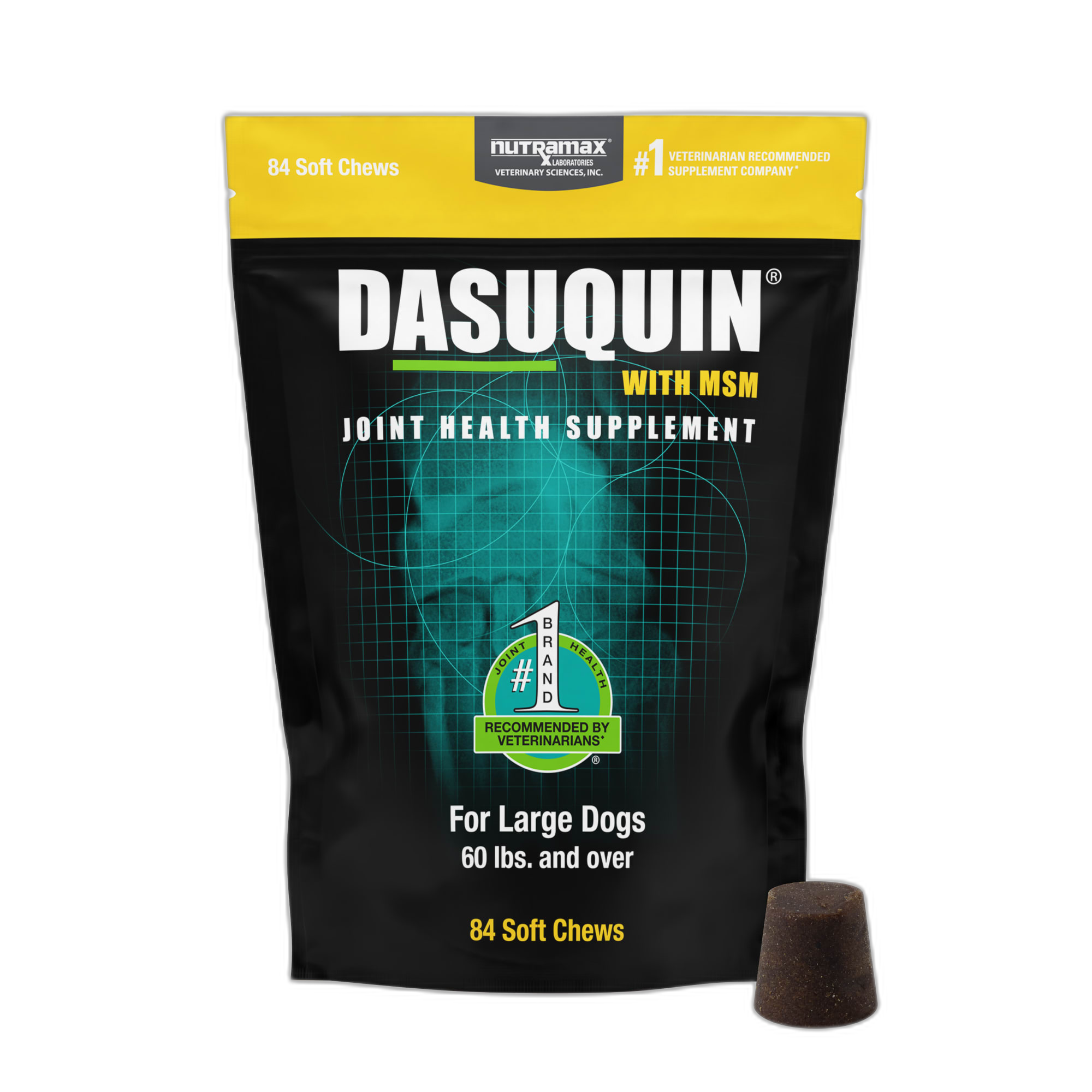
Products Containing Boswellia Serrata Extract
Top-rated supplements featuring this ingredient, ranked by our PSI+ score.