Boswellia Serrata
anti-inflammatory
Boswellia serrata, often known as Indian frankincense, is a plant extract gaining attention for its potential anti-inflammatory properties, particularly pet health. For dog and cat owners, supplements can be complex, especially when seeking natural approaches to manage conditions like arthritis or other inflammatory issues. This guide aims to provide an evidence-based overview of boswellia serrata for dogs and cats, exploring its mechanisms, potential benefits, dosage considerations, and safety.
Understanding Boswellia Serrata for Pets
Boswellia serrata is derived from the resin of the Boswellia serrata tree, native to India and parts of Africa. For centuries, it has been a staple in traditional Ayurvedic medicine for its purported ability to combat inflammation. The active compounds responsible for these effects are called boswellic acids.
In the context of pet health, particularly for dogs and cats, boswellia serrata is often considered as a complementary approach to managing chronic inflammatory conditions. Unlike some conventional anti-inflammatory drugs, which can carry significant side effects with long-term use, boswellia is generally perceived as having a more favorable safety profile. This makes it an appealing option for pet owners looking for ways to reduce pet inflammation or provide pain relief pets might experience from conditions like osteoarthritis, inflammatory bowel disease (IBD), or certain skin conditions.
The core idea behind using boswellia serrata for dogs and cats is to modulate the inflammatory response without completely suppressing it. Inflammation is a natural healing process, but chronic or excessive inflammation can cause pain and tissue damage. Boswellia acids are believed to interfere with specific enzymes and signaling pathways involved in inflammation, such as 5-lipoxygenase (5-LO), which plays a key role in the production of leukotrienes – potent mediators of inflammation.
Practical implications for pet owners include considering boswellia as part of a multi-modal approach to pain and inflammation management. It's rarely presented as a standalone cure but rather as a supportive agent. For instance, a dog with hip dysplasia might receive conventional pain medication but also benefit from a boswellia serrata supplement to help reduce overall inflammation and potentially lower the required dosage of other drugs.
Edge cases exist, such as pets with very sensitive digestive systems or those already on multiple medications. In these situations, careful introduction and veterinary oversight are crucial. For example, a cat with IBD might react differently to boswellia than a dog with mild arthritis.
Boswellia Serrata – Dog Supplements
The market for boswellia serrata supplements for dogs has expanded significantly. These supplements come in various forms, including powders, capsules, soft chews, and liquids, often combined with other beneficial ingredients like glucosamine, chondroitin, or MSM (methylsulfonylmethane).
When considering a boswellia serrata supplement for your dog, several factors come into play:
- Formulation: Powders can be easily mixed into food, while chews might be more palatable for some dogs. Capsules offer precise dosing but can be challenging to administer to finicky eaters.
- Concentration of Boswellic Acids: Not all boswellia extracts are created equal. The efficacy often depends on the standardization of boswellic acids, particularly AKBA (acetyl-11-keto-β-boswellic acid), which is considered one of the most potent. A higher percentage of boswellic acids generally indicates a more potent product.
- Combination Products: Many supplements combine boswellia with other joint-supporting ingredients. While this can offer , it also means you're introducing multiple compounds, making it harder to pinpoint the exact contribution of boswellia if an adverse reaction occurs or if the results are not as expected.
- Third-Party Testing: Reputable brands often engage in third-party testing to verify purity and potency. This helps ensure the product contains what it claims and is free from contaminants.
For example, a dog owner might choose a soft chew containing boswellia, glucosamine, and MSM for a senior dog with early signs of arthritis. This combination aims to address both inflammation (boswellia) and cartilage health (glucosamine, chondroitin). Conversely, for a dog with a more acute inflammatory flare-up, a higher concentration boswellia extract might be considered, possibly as a standalone product or alongside veterinary-prescribed medication.
The practical implication here is that choosing a supplement requires more than just picking the first product found. It involves reading labels, understanding the active ingredients, and ideally, consulting with a veterinarian who can guide you based on your dog's specific health needs and existing conditions.
Dietary Support with Boswellia Resin in Canine Inflammatory Conditions
Research into the use of boswellia resin for canine inflammatory conditions, such as inflammatory bowel disease (IBD) and osteoarthritis, has shown promising results. The mechanism of action, as mentioned, centers on the boswellic acids' ability to inhibit specific inflammatory pathways.
For dogs suffering from osteoarthritis, a common condition, the goal is to reduce pain and improve mobility. Studies have indicated that boswellia can help decrease lameness and improve activity levels in dogs with chronic joint conditions. This is particularly relevant for breeds predisposed to joint issues, like German Shepherds, Labrador Retrievers, and Golden Retrievers.
In the case of inflammatory bowel disease, boswellia's anti-inflammatory properties can help soothe the inflamed gastrointestinal tract. While not a cure, it can contribute to reducing symptoms like diarrhea, vomiting, and abdominal discomfort. This is an area where the nuanced anti-inflammatory action of boswellia, which doesn't broadly suppress the immune system, can be particularly beneficial.
A study might involve a group of dogs with diagnosed osteoarthritis being given a boswellia extract daily over several weeks, with their mobility and pain levels assessed by veterinarians and owners using standardized scales. The results could then be compared to a control group receiving a placebo or conventional treatment. Such studies provide critical evidence for the efficacy of boswellia.
However, it's important to clarify that "dietary support" implies an adjunct role. Boswellia resin isn't typically prescribed as the sole treatment for severe inflammatory conditions. Instead, it's often integrated into a comprehensive management plan that might include diet modification, other supplements, exercise adjustments, and, when necessary, conventional medications.
The trade-off is often between the perceived lower risk of side effects with natural remedies like boswellia versus the potentially faster and more potent effects of pharmaceutical drugs. For some conditions, a combination approach allows for reduced reliance on stronger medications while still providing effective symptom management.
Cosequin® Soft Chews Plus MSM & Boswellia for Dogs
Cosequin is a well-known brand in the pet supplement market, particularly for joint health. The inclusion of boswellia in products like Cosequin® Soft Chews Plus MSM & Boswellia highlights the growing recognition of boswellia's role in supporting joint function and reducing inflammation.
This specific product exemplifies a common strategy in pet supplements: combining multiple ingredients known for their individual benefits into a single formulation.
- Glucosamine Hydrochloride (HCl): A building block for cartilage, aiming to support its structure and function.
- Chondroitin Sulfate: Works alongside glucosamine to help maintain cartilage elasticity and hydration.
- MSM (Methylsulfonylmethane): A sulfur compound often used for its anti-inflammatory and pain-relieving properties.
- Boswellia Serrata Extract: Included for its boswellic acids, targeting inflammatory pathways.
The rationale behind such a combination is synergy. The idea is that these ingredients work better together than they might individually. For example, while glucosamine and chondroitin focus on cartilage repair and maintenance, boswellia and MSM address the inflammatory component that often accompanies joint degeneration.
For a dog owner, choosing a product like Cosequin with boswellia offers convenience. Instead of administering multiple separate supplements, they can give one chew that covers several aspects of joint health. This can improve compliance, especially for pets who are particular about medications.
However, a practical implication is that it can be harder to adjust the dosage of individual components. If your veterinarian recommends a specific high dose of boswellia for a particular inflammatory condition, a combination product might not provide that targeted level without over-dosing on other ingredients.
An edge case might be a dog with a known sensitivity to one of the other ingredients in the Cosequin formulation (e.g., shellfish allergy for glucosamine). In such scenarios, a standalone boswellia supplement might be a more appropriate choice.
Comparing a combination product to a standalone boswellia supplement:
| Feature | Combination Product (e.g., Cosequin + Boswellia) | Standalone Boswellia Supplement |
|---|---|---|
| Primary Goal | Comprehensive joint support (cartilage, inflammation, pain) | Targeted anti-inflammatory action |
| Ingredients | Multiple (glucosamine, chondroitin, MSM, boswellia, etc.) | Primarily boswellia serrata extract |
| Dosing Flexibility | Less flexible for individual ingredient adjustment | Highly flexible for boswellia dosage |
| Convenience | High (one product for multiple benefits) | Moderate (may need other supplements separately) |
| Identifying Efficacy | Harder to attribute specific improvement to one ingredient | Easier to assess boswellia's direct impact |
| Cost | Can be higher for the combined benefits | Varies, potentially lower for a single ingredient |
| Allergy/Sensitivity Risk | Higher due to more ingredients | Lower, as fewer ingredients are involved |
Boswellia for Dogs – A Veterinary Opinion
Veterinary professionals generally approach boswellia serrata for dogs with a balanced perspective, acknowledging its potential benefits while emphasizing the need for evidence and proper application. Most veterinarians would agree that boswellia is not a "miracle drug" for arthritis or other conditions, but rather a valuable tool in a broader treatment plan.
A common veterinary opinion is that boswellia can be a useful adjunct therapy, particularly for chronic inflammatory conditions where long-term medication use might be a concern. It's often considered for:
- Mild to moderate osteoarthritis: To help manage pain and improve mobility, potentially reducing the need for NSAIDs (non-steroidal anti-inflammatory drugs) or allowing for lower NSAID doses.
- Inflammatory bowel disease (IBD): As a supportive therapy to reduce gut inflammation.
- Certain skin conditions: Where inflammation plays a role.
Veterinarians typically advise owners to:
For example, a vet might recommend boswellia for a senior Labrador with early-stage arthritis who tolerates NSAIDs poorly. The vet would likely suggest starting with a specific boswellia serrata dosage dogs can safely consume, monitoring for 4-6 weeks, and then reassessing the dog's comfort and mobility. If significant improvement is seen, it might be continued; if not, other options would be explored.
The practical implication is that while boswellia offers a natural anti-inflammatory for dogs, it doesn't replace professional veterinary diagnosis and treatment. It complements it. Vets provide crucial guidance on appropriate use, dosage, and integration with other therapies, ensuring the best possible outcome for the pet.
Boswellia For Dogs: Dosage and Safety Considerations
Determining the correct boswellia serrata dosage for dogs is critical for both efficacy and safety. Unfortunately, there isn't a single universal dose, as it can depend on the specific extract's concentration of boswellic acids, the dog's size, the condition being treated, and individual response.
General guidelines often suggest starting with a lower dose and gradually increasing it while monitoring the dog's reaction. It's common to see recommendations ranging from 10-150 mg per 10 pounds of body weight per day, but this can vary significantly based on the product's standardization (e.g., percentage of boswellic acids). Always defer to the specific product's labeling and your veterinarian's advice.
For instance, a 50-pound dog might start with 500 mg of a standardized boswellia extract daily, split into two doses, and then adjusted based on response.
Regarding boswellia serrata safety pets, it is generally considered safe when used appropriately. However, like any supplement, potential side effects can occur:
- Gastrointestinal Upset: This is the most common side effect and can include diarrhea, vomiting, or increased gas. These symptoms are often dose-dependent and may resolve by reducing the dosage or administering the supplement with food.
- Allergic Reactions: Though rare, an individual pet could have an allergic reaction to boswellia.
- Drug Interactions: While boswellia is often used to reduce reliance on NSAIDs, it's crucial to discuss its use with your vet if your pet is already on other medications, especially blood thinners or other anti-inflammatory drugs, as potential interactions could occur.
There is limited data on long-term safety in pets, but human studies suggest a favorable safety profile over extended periods. For pets with liver or kidney disease, caution is advised, and veterinary consultation is essential.
Practical implications:
- Start Low, Go Slow: Begin with the lowest recommended dose and observe your pet for a week or two. If no adverse effects are noted and more benefit is desired, gradually increase to the recommended maintenance dose.
- Administer with Food: Giving boswellia with meals can help reduce the likelihood of GI upset.
- Monitor Closely: Keep a detailed log of your pet's symptoms, activity levels, and any changes in appetite or stool consistency. This information is invaluable for your vet.
- Discontinue if Adverse Effects: If your pet develops significant vomiting, diarrhea, lethargy, or other concerning symptoms, stop the supplement and contact your veterinarian immediately.
While boswellia serrata for dogs and cats holds promise as a natural anti-inflammatory for dogs, its responsible use hinges on informed decision-making, careful dosing, and ongoing veterinary guidance. It's a tool to be used thoughtfully, not indiscriminately.
Frequently Asked Questions
Is Boswellia serrata safe for dogs?
Boswellia serrata is generally considered safe for dogs when given at appropriate dosages and under veterinary guidance. The most common side effects are mild gastrointestinal upset, such as diarrhea or vomiting, which often resolve by reducing the dose or administering it with food. Serious side effects are rare, but it's crucial to consult your veterinarian, especially if your dog is on other medications or has pre-existing health conditions.
What are the negative side effects of Boswellia?
The primary negative side effects of boswellia in pets are gastrointestinal disturbances, including:
- Diarrhea
- Vomiting
- Increased gas
- Loss of appetite
These effects are typically mild and often related to dosage. In rare cases, an individual pet might experience an allergic reaction. It's also important to consider potential interactions with other medications, particularly blood thinners or NSAIDs, which underscores the need for veterinary consultation.
What is the miracle drug for dogs with arthritis?
There isn't a single "miracle drug" for dogs with arthritis. Arthritis is a complex, chronic condition that often requires a multi-modal approach to management. While various medications and supplements, including NSAIDs, joint-supportive supplements (like glucosamine and chondroitin), and natural anti-inflammatories like boswellia, can significantly improve a dog's quality of life, none provide a complete cure. Effective arthritis management typically involves a combination of pain relief, anti-inflammatory strategies, weight management, appropriate exercise, and sometimes physical therapy.
Conclusion
Boswellia serrata, or Indian frankincense, presents a compelling option for pet owners seeking natural approaches to manage inflammatory conditions in their dogs and cats. Its active compounds, boswellic acids, work by modulating specific inflammatory pathways, offering a potential alternative or complement to conventional treatments. While research supports its efficacy in reducing inflammation and improving comfort, particularly in conditions like osteoarthritis and inflammatory bowel disease, it's crucial to approach its use with an informed perspective.
This topic is most relevant for pet owners whose animals suffer from chronic inflammatory conditions, those seeking to reduce reliance on long-term pharmaceutical medications, or individuals exploring supportive therapies alongside conventional veterinary care. What to consider next involves a thorough discussion with your veterinarian to determine if boswellia serrata is appropriate for your pet's specific health needs, to establish an accurate boswellia serrata dosage for dogs or cats, and to select a high-quality, reputable supplement. Responsible use, coupled with realistic expectations and careful monitoring, can help harness the potential benefits of this ancient herb for your beloved companion.
Products Containing Boswellia Serrata
Top-rated supplements featuring this ingredient, ranked by our PSI+ score.
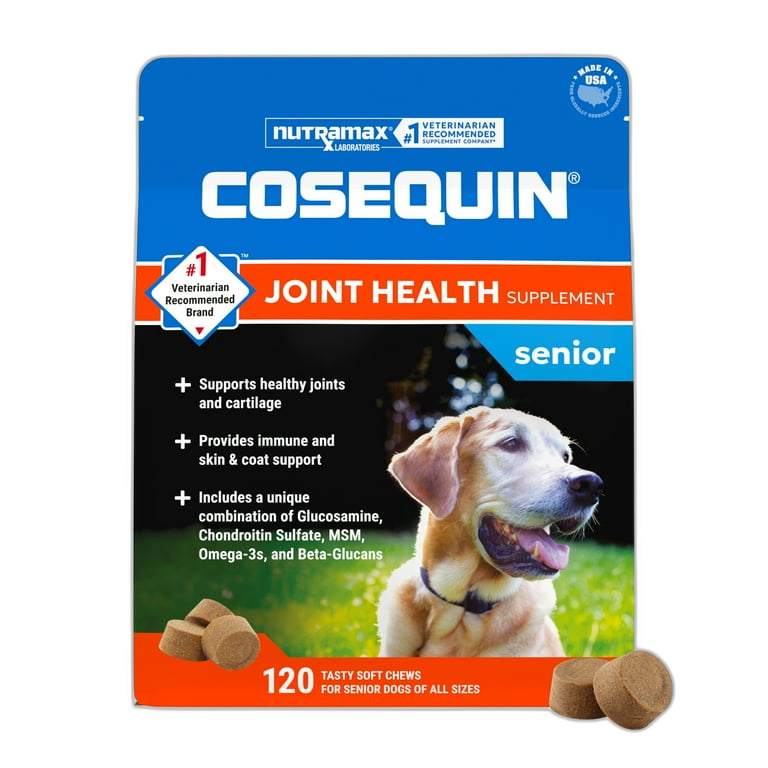
Nutramax Cosequin Senior Joint Health Supplement
Nutramax Laboratories
Nutramax Dasuquin Advanced Joint Health for Small/Medium Dogs
Nutramax Laboratories
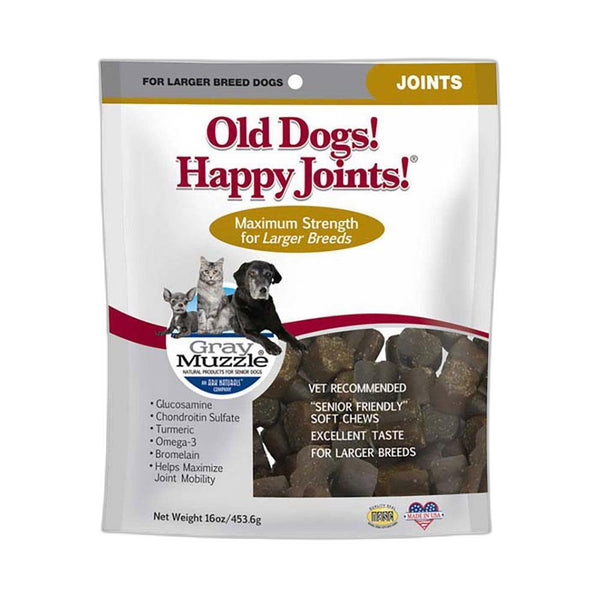
Ark Naturals Gray Muzzle Old Dogs! Happy Joints
Ark Naturals
Fera Pet Organics Joint Support for Dogs
Fera Pet Organics