Organic Turmeric
anti-inflammatory
The interest in using organic turmeric for dogs and other pets has grown considerably, driven by its reputation as a natural anti-inflammatory and antioxidant. Pet owners often seek complementary therapies for conditions ranging from joint pain to digestive issues. This article explains the current understanding of organic turmeric's benefits for pets, drawing on veterinary insights, discussing appropriate dosing, and outlining what to look for in a quality supplement. Our goal is to provide clear, trustworthy information to help pet owners make informed decisions.
Understanding Organic Turmeric and Curcumin for Pet Health
When discussing organic turmeric for dogs, it's essential to distinguish between the whole spice and its active compounds, primarily curcuminoids, with curcumin being the most studied. Organic certification ensures that the turmeric has been grown and processed without synthetic pesticides, fertilizers, or genetically modified organisms. This is particularly relevant for pets, as their smaller bodies can be more sensitive to chemical residues.
The appeal of turmeric for hip and joint support, as well as its general anti-inflammatory properties, stems from curcumin's ability to modulate inflammatory pathways within the body. In pets, especially older dogs or those prone to certain breeds, inflammatory conditions like osteoarthritis are common. Conventional treatments often involve NSAIDs (non-steroidal anti-inflammatory drugs), which can have side effects with long-term use. This has led many pet owners to explore natural alternatives like organic turmeric.
However, a key challenge with curcumin is its low bioavailability – meaning it's not easily absorbed and utilized by the body. This is a critical factor when considering any organic turmeric supplement for pets. Many products attempt to address this by combining curcumin with piperine (an extract from black pepper), which can significantly enhance absorption. Other formulations use liposomal delivery systems or micronized curcumin to improve its uptake. Without enhanced bioavailability, much of the ingested curcumin may pass through the pet's system without providing substantial benefit.
For example, a dog with early-stage arthritis might experience some relief from inflammation and discomfort with a bioavailable organic turmeric supplement, potentially reducing their reliance on NSAIDs or allowing for a lower dose. However, it's not a direct replacement for veterinary care, especially in acute or severe cases. The trade-off often involves finding a balance between efficacy, potential side effects, and cost. While organic turmeric is generally considered safe, high doses can sometimes lead to gastrointestinal upset.
Organic Turmeric as a Natural Herbal Supplement for Dogs
The categorization of organic turmeric as a "natural herbal supplement" highlights its plant-derived origin and its role as an additive to the diet rather than a pharmaceutical drug. For many pet owners, the "100% natural" aspect is a significant draw, suggesting fewer artificial ingredients or synthetic compounds.
When evaluating organic turmeric supplements for dogs, the "natural" label, while appealing, doesn't automatically equate to effectiveness or safety. The quality of the raw turmeric, the extraction methods for curcumin, and the presence of other ingredients all play a role. For instance, some supplements might contain whole organic turmeric powder, which includes the full spectrum of compounds found in the root, not just curcumin. Others might focus on a standardized curcumin extract, aiming for a higher concentration of the active ingredient.
The practical implications of choosing a natural herbal supplement involve careful scrutiny of product labels. A supplement claiming "100% natural" should ideally list transparent ingredients, including the source of turmeric, the percentage of curcuminoids, and any additional components like piperine or other botanical extracts. A common scenario involves a pet owner looking for a solution for their dog's stiff joints. They might choose an organic turmeric supplement over a conventional medication due to concerns about side effects. However, if the chosen supplement has poor bioavailability, the expected benefits might not materialize, leading to disappointment and potentially delaying more effective treatment.
Edge cases might include dogs with pre-existing liver conditions or those on blood-thinning medications. Turmeric can interact with certain drugs and may affect blood clotting, necessitating veterinary consultation before supplementation. The "natural" designation does not exempt it from potential interactions or contraindications.
What to Look for in Dog Turmeric Supplements
Selecting an appropriate organic turmeric supplement for your dog requires attention to several key factors beyond simply seeing "turmeric" on the label. The form of the supplement, its concentration, and additional ingredients all impact its suitability and effectiveness.
First, consider the source and certification. "Organic" is a crucial starting point, ensuring the absence of certain harmful chemicals. Look for certifications from reputable bodies. Second, curcumin content is vital. Whole turmeric powder typically contains 2-5% curcuminoids, while extracts can be standardized to 95% or higher. For therapeutic effects, a standardized extract is often preferred due to its higher concentration of the active compound. Third, bioavailability enhancers are almost always necessary. As mentioned, curcumin is poorly absorbed. Look for supplements that include piperine (black pepper extract), phospholipids (like Meriva or BCM-95), or other patented absorption technologies. Without these, the efficacy of the supplement will be significantly reduced. Fourth, formulation. Turmeric supplements for dogs come in various forms: powders, capsules, chews, and liquids. Powders can be easily mixed into food, while capsules offer precise dosing. Chews and liquids can be convenient for picky eaters. Finally, other ingredients. Check for fillers, artificial flavors, colors, or preservatives. A high-quality supplement will minimize these.
| Feature | Whole Organic Turmeric Powder | Standardized Organic Curcumin Extract (e.g., 95% curcuminoids) | Bio-Enhanced Curcumin (e.g., with Piperine, Meriva) |
|---|---|---|---|
| Curcumin Content | Low (2-5%) | High (up to 95%) | High (up to 95%) |
| Bioavailability | Very Low | Low | Significantly Improved |
| Primary Use | General health, culinary use, mild antioxidant support | More targeted anti-inflammatory effects, but still absorption issues | Best for therapeutic effects, joint support, and inflammation relief |
| Dosing | Higher volume needed for potential effect | Lower volume, but still requires high dose for absorption | Lower effective dose due to improved absorption |
| Cost | Generally lower | Moderate | Higher, but often more cost-effective per effective dose |
| Pros | Contains full spectrum of turmeric compounds, less processed | Higher concentration of active ingredient for potential effect | Maximizes the benefits of curcumin, better value for therapeutic use |
| Cons | Requires very large doses for therapeutic effect, poor absorption | Still poorly absorbed without enhancers | Higher initial cost, may contain additional ingredients to aid absorption |
For a dog struggling with chronic inflammation, a bio-enhanced curcumin extract would likely be more effective than simply adding organic turmeric powder to their food. Without the enhanced absorption, you might be giving a large amount of powder without seeing significant results, leading to the misconception that turmeric doesn't work for your pet.
Dr. Mercola Barks and Whiskers Organic Curcumin Extract: A Case Study
Analyzing specific products, like Dr. Mercola Barks and Whiskers Organic Curcumin Extract, helps illustrate what features to look for in a high-quality organic turmeric supplement for dogs. Such products typically aim to address the bioavailability challenge directly.
A common approach seen in these types of products is the use of a specific, patented form of curcumin that has demonstrated improved absorption in studies. For instance, some may use a phytosome complex (like Meriva) or a highly bioavailable form of curcumin that doesn't rely on piperine. The "organic" designation ensures the raw material meets specific cultivation standards.
Practical implications for pet owners choosing such a product include the expectation of better results due to enhanced absorption. If a pet owner previously tried a generic turmeric powder with little success, switching to a high-quality extract with proven bioavailability might yield noticeable improvements in their dog's mobility or comfort. The trade-off, as noted earlier, is often the cost. Premium, bio-enhanced curcumin extracts are typically more expensive per dose than basic organic turmeric powder.
Consider a scenario where a veterinarian recommends a trial of an anti-inflammatory supplement for a dog with mild hip dysplasia. The pet owner might opt for a product like the Dr. Mercola offering because of its organic certification and focus on bioavailability. They would monitor their dog for signs of improved mobility, reduced stiffness, or increased activity levels. If the dog shows improvement, it suggests the supplement is providing benefits. If not, it prompts a re-evaluation with the vet, potentially considering other treatments or a different supplement.
Edge cases might involve dogs with very sensitive stomachs, where even high-quality supplements could cause mild digestive upset. It's always prudent to start with a lower dose and gradually increase it while monitoring the pet's response.
Benefits of Organic Turmeric for Dogs
The potential benefits of organic turmeric for dogs are varied, primarily stemming from its anti-inflammatory and antioxidant properties. These properties can address a range of conditions, making it a popular choice for pet owners seeking natural support.
The most widely recognized benefit is its role as a natural anti-inflammatory for dogs. Curcumin, the active compound, can help reduce inflammation associated with conditions like:
- Osteoarthritis: By mitigating the inflammatory processes in joints, turmeric can help reduce pain and improve mobility in dogs with degenerative joint disease.
- Inflammatory Bowel Disease (IBD): Its anti-inflammatory effects may help soothe the gastrointestinal tract, potentially reducing flare-ups and discomfort in dogs with IBD.
- Allergies and Skin Conditions: Inflammation often underlies allergic reactions and certain skin issues. Turmeric's anti-inflammatory action might help alleviate itching and irritation.
Beyond inflammation, organic turmeric acts as a powerful antioxidant. It helps neutralize free radicals, which are unstable molecules that can damage cells and contribute to aging and disease. This antioxidant capacity can support overall cellular health and potentially bolster the immune system.
Other reported benefits, though often less studied in veterinary contexts, include:
- Digestive Support: Beyond IBD, turmeric may aid digestion by stimulating bile production.
- Liver Support: Its antioxidant properties may help protect liver cells from damage.
- Cancer Support: While not a cure, some research in human medicine suggests curcumin may have anti-cancer properties by inhibiting tumor growth and promoting apoptosis (programmed cell death). Veterinary research in this area is ongoing, and it should only be considered as an adjunct therapy under veterinary guidance.
An example might be an older Labrador retriever experiencing stiffness and difficulty getting up after rest. An owner might introduce organic turmeric to their diet, hoping to reduce the underlying joint inflammation. If, after a few weeks, the dog shows improved flexibility and seems more comfortable, it's a positive sign. However, it's crucial to remember that turmeric is a supportive supplement, not a cure for chronic diseases. Regular veterinary check-ups remain essential for managing these conditions.
Turmeric Golden Paste For Dogs: Healing Recipe Revealed
"Golden Paste" is a popular homemade preparation of turmeric, often recommended for pets due to its perceived ease of absorption and cost-effectiveness. The basic recipe typically involves organic turmeric powder, a healthy oil (like coconut oil or olive oil), and black pepper. The oil helps with fat-soluble absorption, and the black pepper (specifically piperine) significantly enhances curcumin's bioavailability.
A typical Golden Paste recipe for dogs involves:
- 1/2 cup organic turmeric powder
- 1 to 1.5 cups filtered water
- 1/4 cup cold-pressed organic coconut oil (or olive oil)
- 2-3 teaspoons freshly ground organic black pepper
Instructions:
The primary benefit of Golden Paste is its ability to improve the absorption of turmeric's active compounds at home, often at a lower cost than commercial bio-enhanced supplements. The combination of fat and piperine addresses the bioavailability challenge directly.
However, there are practical implications and trade-offs. While homemade, the exact concentration of curcumin in Golden Paste can vary depending on the turmeric powder used. It's also less precise in dosing compared to standardized supplements. Some dogs might not tolerate the taste, and the black pepper, while beneficial for absorption, can sometimes cause gastrointestinal upset in sensitive pets.
For instance, a pet owner with a dog experiencing mild digestive issues might try Golden Paste for its anti-inflammatory properties, hoping to soothe the gut. If the dog has a very sensitive stomach, the black pepper might exacerbate the issue rather than help. In such cases, a commercial supplement designed for sensitive stomachs or one using a non-piperine-based absorption enhancer might be a better choice. The "healing recipe" aspect is appealing, but it's important to monitor the dog's reaction and adjust as needed.
Dosing Organic Turmeric for Dogs
Determining the correct dose of organic turmeric for dogs is crucial for effectiveness and safety. There isn't a universally accepted "one-size-fits-all" dosage, as it depends on the dog's size, the specific condition being addressed, and the form of turmeric being used (whole powder vs. Extract, with or without bioavailability enhancers). Always consult your veterinarian before starting any new supplement regimen.
General guidelines often suggest starting with a very low dose and gradually increasing it while monitoring your dog's response.
For Whole Organic Turmeric Powder (e.g., in Golden Paste):
- Small dogs (under 20 lbs): Start with 1/4 teaspoon per day.
- Medium dogs (20-50 lbs): Start with 1/2 teaspoon per day.
- Large dogs (50-100 lbs): Start with 3/4 to 1 teaspoon per day.
- Giant breeds (over 100 lbs): Start with 1 to 1.5 teaspoons per day.
These amounts can often be divided and given twice daily with meals. The goal is to slowly increase the dose over several weeks until you see a positive effect, without encountering adverse reactions. Maximum suggested doses for whole turmeric powder can range from 1/4 teaspoon per 10 lbs of body weight daily, but again, this should be approached cautiously.
For Standardized Curcumin Extracts (e.g., 95% curcuminoids with bioavailability enhancers): These doses will be significantly smaller due to the higher concentration and improved absorption. Always follow the manufacturer's recommendations on the specific product, and verify with your vet. A common starting point might be:
- Small dogs: 50-100 mg of curcumin daily.
- Medium dogs: 100-250 mg of curcumin daily.
- Large dogs: 250-500 mg of curcumin daily.
These are rough estimates. A product with a highly bioavailable form of curcumin might require even lower doses to achieve the same effect.
Important Considerations for Dosing:
- Start Low, Go Slow: This allows your dog's system to adjust and helps you identify any sensitivities.
- Monitor for Side Effects: Watch for diarrhea, constipation, nausea, or changes in appetite. If these occur, reduce the dose or discontinue use and consult your vet.
- Interactions: Turmeric can interact with certain medications, particularly blood thinners, NSAIDs, and some chemotherapy drugs. It's crucial to discuss this with your veterinarian.
- Pre-existing Conditions: Dogs with liver disease, kidney disease, or bleeding disorders should use turmeric with extreme caution and under strict veterinary supervision.
- Always with Food: Giving turmeric with food can help prevent stomach upset.
For example, an owner of a 60-pound dog with mild arthritis might start with 1/2 teaspoon of Golden Paste per day for a week. If no adverse effects are observed and some improvement is noted, they might increase to 3/4 teaspoon per day for another week, continuing to monitor. If the dog develops loose stools, the dose would be reduced back to 1/2 teaspoon or even less. This iterative process, guided by veterinary advice, is key to safe and effective dosing.
Organic Turmeric Safety for Pets
The safety of organic turmeric for pets is a primary concern for owners. While generally considered safe when used appropriately, there are potential side effects and situations where it might not be suitable. Understanding these limitations is crucial for responsible supplementation.
Potential Side Effects:
- Gastrointestinal Upset: The most common side effects are mild digestive issues such as diarrhea, constipation, or nausea. This is more likely with high doses or in sensitive individuals. The presence of black pepper in some formulations can also contribute to gastrointestinal irritation.
- Blood Thinning: Turmeric has mild anticoagulant properties, meaning it can thin the blood. This can be a concern for dogs undergoing surgery, those with bleeding disorders, or those already on blood-thinning medications.
- Drug Interactions: Turmeric can interact with various medications, including NSAIDs, corticosteroids, and certain chemotherapy drugs. It may either enhance or inhibit the effects of these drugs, necessitating veterinary consultation.
- Gallbladder Issues: Turmeric can stimulate bile production. While beneficial for some, dogs with gallbladder obstructions or gallstones should avoid turmeric as it could exacerbate these conditions.
- Iron Absorption: Some studies suggest turmeric may inhibit iron absorption, which could be a concern for anemic dogs.
Who Should Avoid Turmeric or Use with Caution:
- Pregnant or lactating dogs: Safety has not been established.
- Dogs with bleeding disorders or on blood thinners: Due to its anticoagulant properties.
- Dogs undergoing surgery: Discontinue use at least two weeks prior to any planned surgery.
- Dogs with kidney or liver disease: Consult a vet, as turmeric is metabolized by the liver and excreted by the kidneys.
- Dogs on multiple medications: Due to potential drug interactions.
- Dogs with a history of kidney stones (oxalate stones): Turmeric contains oxalates, which could theoretically contribute to stone formation in susceptible individuals, though this is less common with typical doses.
The Importance of Veterinary Consultation: Given these potential issues, it is paramount to consult a veterinarian before introducing organic turmeric or any new supplement to your pet's regimen. A vet can assess your dog's overall health, current medications, and specific condition to determine if turmeric is appropriate and to recommend a safe starting dose. They can also help monitor for side effects and assess the efficacy of the supplement alongside other treatments.
For example, a pet owner might be considering organic turmeric for their senior dog with arthritis. If that dog is also on a prescribed NSAID for pain, adding turmeric without veterinary guidance could potentially increase the risk of stomach ulcers or excessive blood thinning. The vet might suggest reducing the NSAID dose while introducing turmeric or recommend a specific type of turmeric formulation less likely to interact. Responsible pet ownership involves proactive communication with your veterinary care team.
Frequently Asked Questions
Can I give my dog organic turmeric?
Yes, you can generally give your dog organic turmeric, but it should be done with caution and after consulting your veterinarian. The "organic" designation is beneficial as it ensures the product is free from synthetic pesticides and chemicals. However, proper dosing, consideration of bioavailability, and awareness of potential interactions are crucial.
Does turmeric cure gastritis?
No, turmeric does not cure gastritis. While its anti-inflammatory properties may help alleviate some symptoms associated with gastritis (inflammation of the stomach lining), it is not a standalone cure. Gastritis can have various causes, and proper diagnosis and treatment by a veterinarian are essential. Turmeric might be used as a supportive supplement in conjunction with veterinary-prescribed treatments.
Will turmeric help hyperpigmentation?
Hyperpigmentation (darkening of the skin) in dogs is often a symptom of an underlying condition, such as allergies, hormonal imbalances, or chronic inflammation. While turmeric's anti-inflammatory and antioxidant properties might theoretically help address the underlying inflammation that contributes to hyperpigmentation, it is not a direct treatment for the skin discoloration itself. Addressing the root cause with your veterinarian is the most effective approach. Topical application of turmeric is generally not recommended for pets due to staining and potential for ingestion.
Conclusion
The use of organic turmeric for dogs represents a promising area within complementary veterinary care, particularly for its recognized anti-inflammatory and antioxidant benefits. For conditions like osteoarthritis, certain inflammatory bowel issues, and general aging support, organic turmeric, when properly sourced and administered, can offer valuable support. However, its effectiveness hinges significantly on bioavailability, making the choice between whole turmeric powder, standardized extracts, and bio-enhanced formulations a critical decision.
Pet owners considering organic turmeric should prioritize products that are genuinely organic, transparent about their curcumin content, and ideally include absorption enhancers. Most importantly, integrating organic turmeric into a pet's health regimen should always be done under the guidance of a veterinarian. This ensures appropriate dosing, minimizes risks of side effects or drug interactions, and helps confirm that turmeric is a suitable addition to their overall health plan. While not a cure-all, informed and responsible use of organic turmeric can contribute positively to a pet's quality of life.
Products Containing Organic Turmeric
Top-rated supplements featuring this ingredient, ranked by our PSI+ score.

Zesty Paws Mobility Bites for Dogs - Glucosamine Chondroitin for Joint Health
Zesty Paws
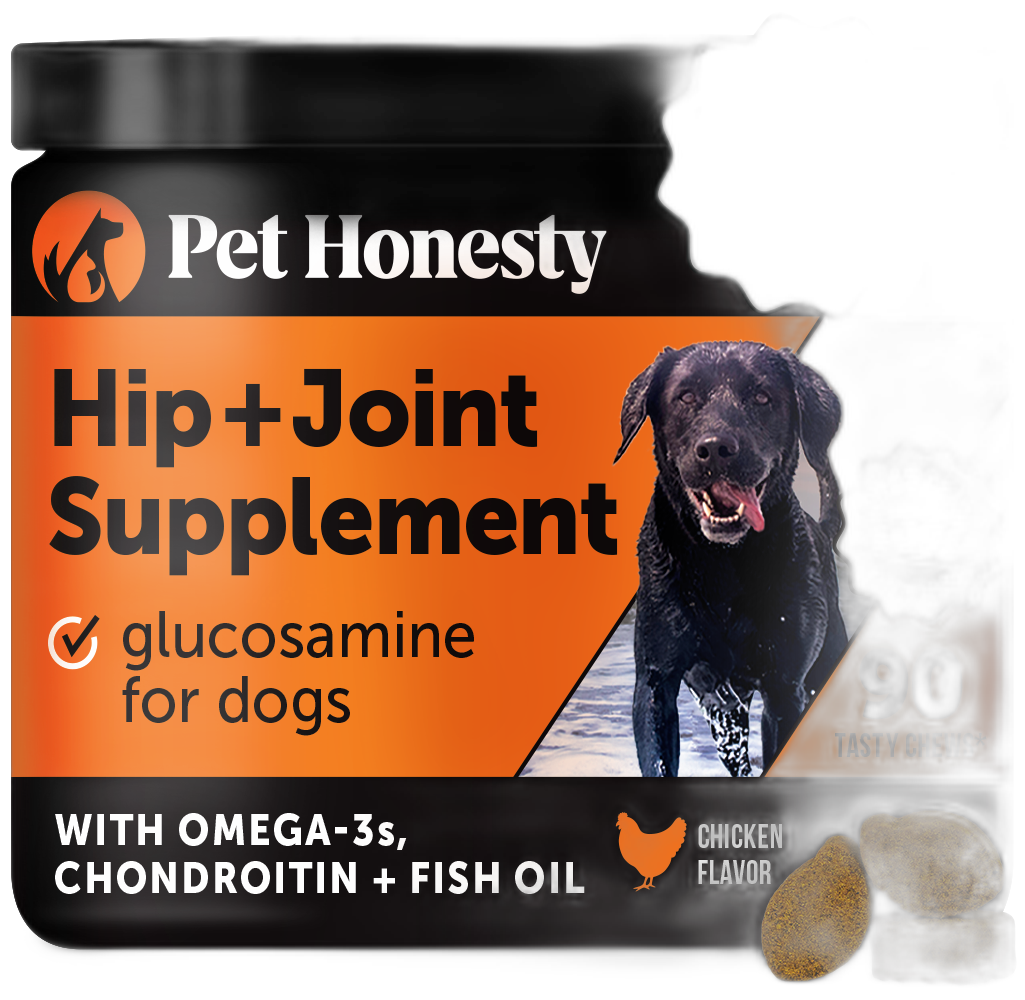
Pet Honesty Hip & Joint Supplement Chicken Flavored Glucosamine & Chondroitin with MSM, Turmeric Hip & Joint Chews for Dogs
Pet Honesty

PetHonesty Advanced Hip & Joint Supplement for Dogs - Glucosamine, MSM, Turmeric
PetHonesty
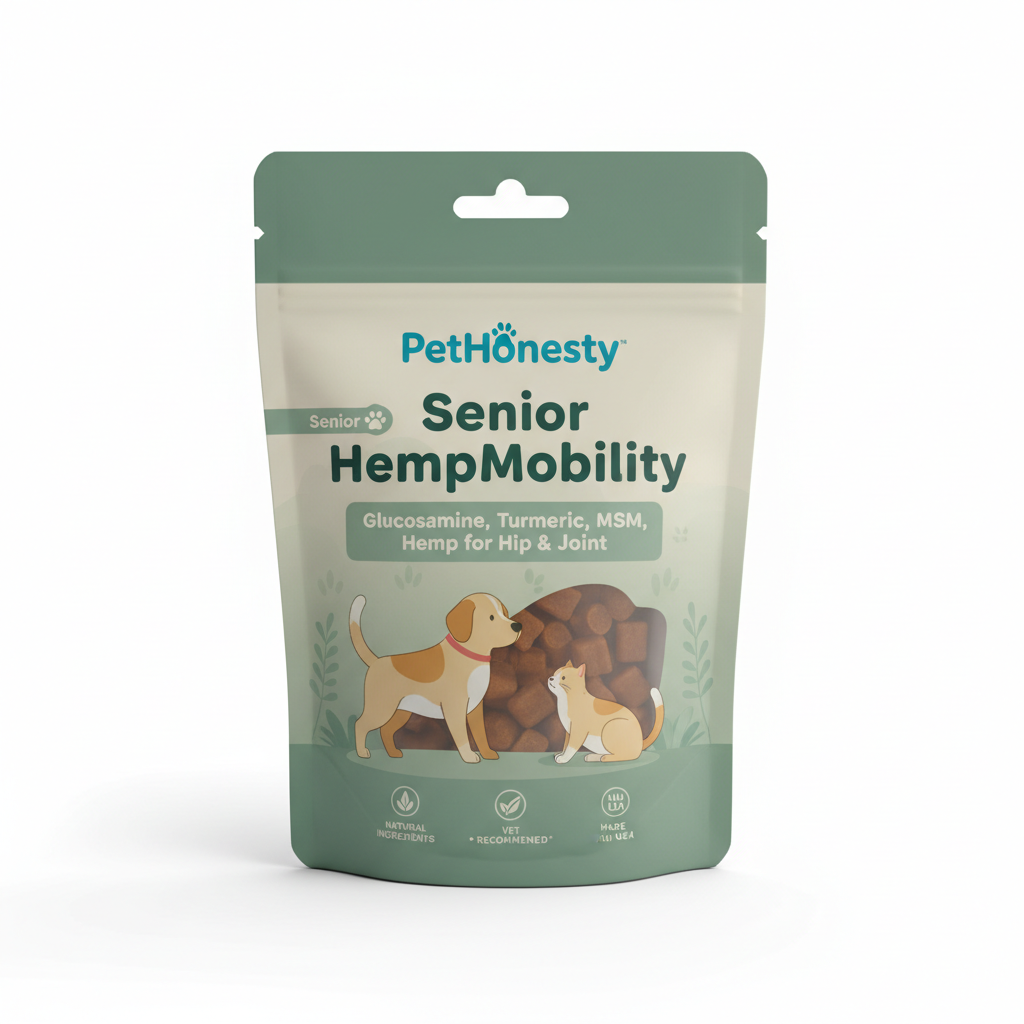
PetHonesty Senior HempMobility - Glucosamine, Turmeric, MSM, Hemp for Hip & Joint
PetHonesty
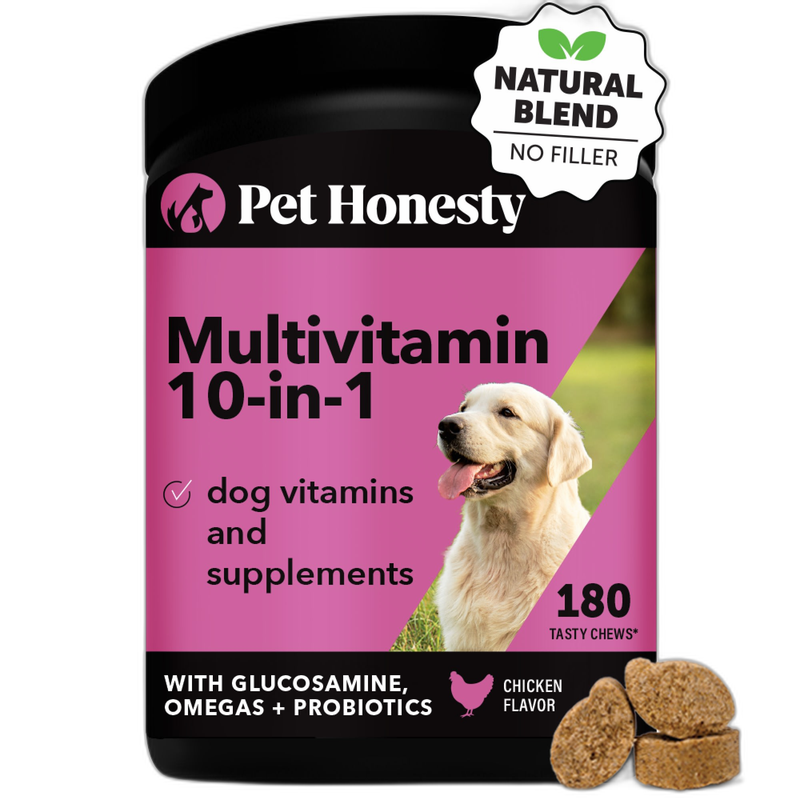
PetHonesty 10-for-1 Multivitamin with Glucosamine
PetHonesty
Fera Pet Organics Joint Support for Dogs
Fera Pet Organics

Immune Support for Dogs
PetHonesty
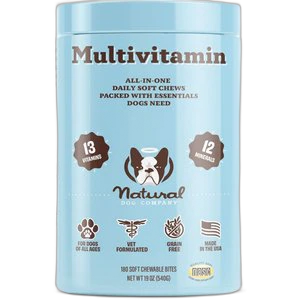
Natural Dog Company, Multivitamin for Dogs, All Ages
Natural Dog Company