CBD
cannabinoid
The increasing popularity of cannabidiol (CBD) has extended beyond human applications, finding its way into the realm of pet care. As pet owners seek alternative methods to support their animals' well-being, CBD for dogs and cats has emerged as a topic of considerable interest. This guide explores what CBD is, its potential benefits for pets, considerations for proper dosage, and crucial safety information to help pet owners make informed decisions.
Understanding CBD for Pets
CBD is a non-intoxicating compound derived from the cannabis plant. Unlike tetrahydrocannabinol (THC), the psychoactive component, CBD does not produce a "high." Instead, it interacts with the endocannabinoid system (ECS), a complex cell-signaling system present in all mammals, including dogs and cats. The ECS plays a role in regulating various physiological processes, such as mood, pain sensation, appetite, and immune response.
When considering CBD for dogs, it's important to differentiate between full-spectrum, broad-spectrum, and isolate products. Full-spectrum CBD contains all the natural compounds found in the cannabis plant, including other cannabinoids, terpenes, and a trace amount of THC (typically less than 0.3% to be federally legal). Broad-spectrum CBD contains multiple cannabinoids and terpenes but no THC. CBD isolate is pure CBD, with all other plant compounds removed. For pets, many owners and veterinarians prefer broad-spectrum or isolate products to avoid any potential, albeit minimal, THC exposure, especially for cats who can be more sensitive.
Potential Benefits of CBD for Dogs and Cats
Research into the specific effects of CBD on pets is ongoing, but anecdotal evidence and preliminary studies suggest several potential benefits. Pet owners often report using CBD to address a range of issues in their dogs and cats.
Managing Discomfort and Inflammation
One of the most frequently cited reasons for using CBD in pets is its potential to help manage discomfort and inflammation. Conditions like osteoarthritis, common in older dogs, can lead to chronic pain and reduced mobility. Some studies indicate that CBD may help alleviate these symptoms by interacting with pain receptors and reducing inflammatory responses. For example, a study published in Frontiers in Veterinary Science (though specific studies should not be cited as definitive without broad consensus) explored the use of CBD in dogs with osteoarthritis, noting improvements in pain and activity levels.
Reducing Anxiety and Stress
Many pets experience anxiety due to various factors, such as separation from owners, loud noises (thunderstorms, fireworks), travel, or visits to the veterinarian. CBD is thought to have anxiolytic properties, meaning it may help reduce feelings of anxiety and promote a sense of calm. This can be particularly beneficial for cats, who are often prone to stress-related behaviors like inappropriate urination or excessive grooming.
Supporting Neurological Health
There's growing interest in CBD's potential neuroprotective properties. For pets suffering from seizures, some preliminary research suggests that CBD might help reduce the frequency and severity of episodes. This area requires more extensive research, but initial findings are promising for conditions like epilepsy in dogs.
Improving Appetite and Digestion
CBD may also help stimulate appetite in pets that are reluctant to eat due to illness or medication side effects. Additionally, its anti-inflammatory properties could contribute to better digestive health by soothing an irritated gut.
Overall Well-being and Quality of Life
Beyond specific ailments, many pet owners use CBD as a general supplement to support their animal's overall health and improve their quality of life, particularly in aging pets. The interaction with the ECS can help maintain homeostasis, contributing to a balanced internal environment.
Dosage Guidelines for CBD for Pets
Determining the correct CBD dosage for dogs and cats is crucial for effectiveness and safety. There isn't a universally agreed-upon standard dosage, as it can depend on several factors:
- Pet's Weight: This is often the primary factor, with larger animals typically requiring more CBD.
- Severity of Condition: More pronounced symptoms might warrant a slightly higher dose.
- CBD Concentration: The amount of CBD per milliliter (ml) or per treat varies significantly between products.
- Individual Metabolism: Just like humans, pets can metabolize CBD differently.
- Type of Product: Oils, treats, and capsules have different absorption rates.
A common recommendation is to start with a low dose and gradually increase it while observing your pet's response. This "start low, go slow" approach helps identify the minimum effective dose and minimizes potential side effects.
General Starting Dosage Recommendations
While highly individualized, here are some general guidelines often suggested by veterinarians and manufacturers for CBD for dogs and cats:
| Pet Weight (lbs) | Starting Dose (mg CBD) | Frequency |
|---|---|---|
| Under 10 | 0.5 - 1 | 1-2 times daily |
| 10 - 25 | 1 - 2 | 1-2 times daily |
| 25 - 50 | 2 - 4 | 1-2 times daily |
| 50 - 100 | 4 - 8 | 1-2 times daily |
| Over 100 | 8 - 15 | 1-2 times daily |
Note: These are general guidelines. Always consult your veterinarian before starting any new supplement for your pet, especially if they are on other medications.
For cats, the dosage tends to be on the lower end of the spectrum due to their smaller size and potentially higher sensitivity. A typical starting point might be 0.5 mg per 10 lbs of body weight.
It's important to monitor your pet closely after administering CBD. Look for signs of improvement in their condition, as well as any adverse reactions. If you don't see the desired effect after a week or two, you can slowly increase the dose by small increments.
How to Administer CBD
CBD for dogs and cats comes in various forms:
- Oils/Tinctures: These are often the most versatile, allowing for precise dosing with a dropper. They can be administered directly into the pet's mouth, mixed with food, or dropped onto a treat.
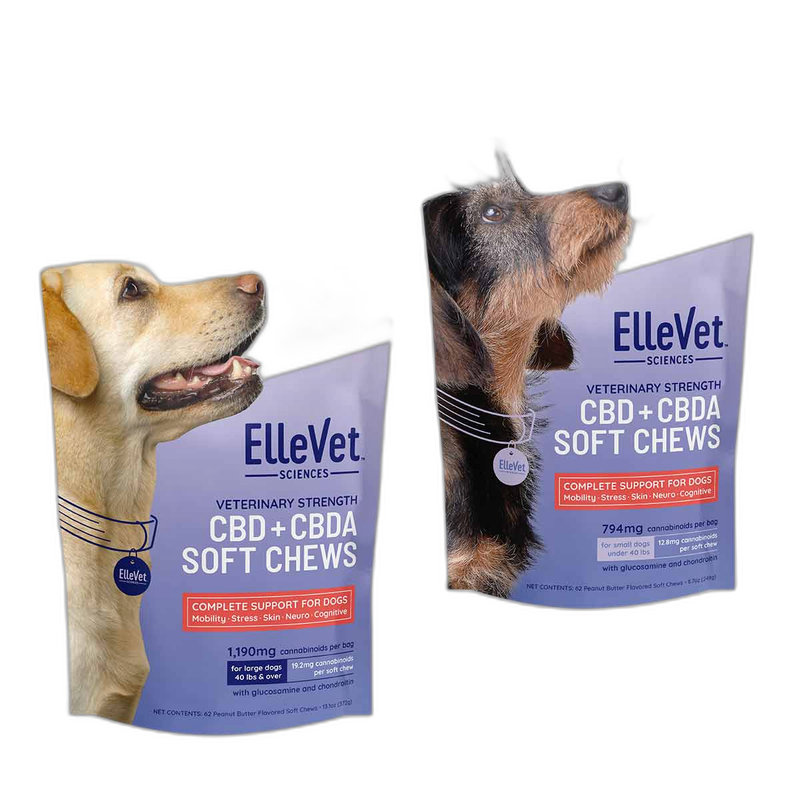
- Treats/Chews: Pre-dosed treats offer convenience but can make dosage adjustment more challenging. Ensure the CBD content per treat is clearly labeled.
- Capsules: Similar to human supplements, capsules provide a precise dose but can be harder to administer if your pet is finicky about pills.
- Topicals: Creams and balms are applied directly to the skin and are often used for localized pain or skin conditions.
When choosing a product, consider your pet's preferences and ease of administration.
Safety Considerations for CBD for Pets
The safety of CBD for dogs and cats is a primary concern for pet owners. While generally considered safe, there are potential side effects and important precautions to take.
Potential Side Effects
The most commonly reported side effects of CBD in pets are usually mild and temporary:
- Drowsiness/Lethargy: Especially at higher doses, CBD can cause some sedation.
- Dry Mouth: CBD may reduce saliva production, leading to increased thirst.
- Lowered Blood Pressure: A temporary drop in blood pressure can occur, which might manifest as lightheadedness.
- Diarrhea or Vomiting: These gastrointestinal issues are often associated with the carrier oil (e.g., MCT oil) rather than the CBD itself, or a too-high dose.
If you observe any of these side effects, reduce the dosage or discontinue use and consult your veterinarian.
Drug Interactions
CBD can interact with certain medications by affecting the liver enzymes responsible for drug metabolism. If your pet is on any prescription medications, it is paramount to discuss CBD use with your veterinarian before starting. This is particularly important for drugs that have a narrow therapeutic window, where even slight changes in blood levels could have significant consequences.
Quality and Purity of Products
The CBD market is largely unregulated, leading to significant variations in product quality. To ensure the safety of your pet, look for products that meet the following criteria:
- Third-Party Lab Testing: Reputable brands provide a Certificate of Analysis (COA) from an independent lab. This document verifies the CBD content, confirms the absence of THC (or within legal limits), and checks for contaminants like pesticides, heavy metals, and residual solvents.
- Organic Hemp Source: CBD derived from organically grown hemp is less likely to contain harmful chemicals.
- Clear Labeling: The product label should clearly state the amount of CBD per serving, the total CBD content, and a comprehensive ingredient list.
- Pet-Specific Formulation: While human CBD is generally safe, pet-specific products are often formulated with flavors and concentrations suitable for animals, and are less likely to contain ingredients that might be harmful to pets (e.g., xylitol).
Consulting Your Veterinarian
This cannot be stressed enough: always consult your veterinarian before giving your pet any new supplement, including CBD. Your vet can provide personalized advice based on your pet's health history, current medications, and specific needs. They can also help monitor for any adverse effects or drug interactions.
Comparing CBD Products for Pets
The market for pet CBD products is diverse, offering various forms, concentrations, and formulations. Understanding the differences can help pet owners choose the most suitable option for their animals.
Product Types
| Product Type | Pros | Cons | Best For... |
|---|---|---|---|
| Oils/Tinctures | Precise dosing, fast absorption, versatile (can mix with food) | Can be messy, some pets dislike taste/texture, requires careful measurement | Pets needing precise dosage adjustments, fast-acting relief, picky eaters (when mixed) |
| Treats/Chews | Convenient, palatability often high, pre-dosed | Less precise dosing than oils, slower absorption, may contain fillers | Pets who readily accept treats, owners prioritizing convenience, general wellness |
| Capsules | Exact dosing, tasteless/odorless (if swallowed whole) | Can be difficult to administer to some pets, slower absorption than oils | Pets that easily take pills, owners needing consistent, precise dosage without taste issues |
| Topicals | Localized relief, bypasses digestive system | Not for systemic issues, absorption can vary, pet may lick off | Skin conditions, localized joint pain, muscle soreness |
Factors to Consider When Choosing
- Full-Spectrum vs. Broad-Spectrum vs. Isolate: For pets, broad-spectrum or isolate are often preferred to avoid THC, though full-spectrum with legal THC limits is generally considered safe.
- Carrier Oil: Most CBD oils use an MCT (medium-chain triglyceride) oil, like coconut oil, which aids absorption. Ensure the carrier oil is safe for pets.
- Flavoring: Unflavored options are good for mixing with food. Some pet-specific products come in flavors like bacon or chicken to enhance palatability.
- Price per Milligram of CBD: Compare costs based on the actual CBD content, not just the bottle size. This helps determine true value.
- Brand Reputation: Look for brands with transparent manufacturing processes, positive customer reviews, and readily available third-party lab results.
What You Should Know Before Giving Your Dog CBD
Before introducing CBD as a supplement for your dog, or cat, several key considerations are paramount to ensure their safety and the product's efficacy. This isn't a decision to be made lightly, and it requires careful thought and research.
Regulatory Landscape and Research Gaps
It's important to understand that CBD products for pets are not currently regulated by the FDA. This means there's no federal oversight ensuring product quality, consistency, or accurate labeling. While some states have begun to implement their own regulations, a patchwork of rules exists. This lack of regulation underscores the importance of choosing reputable brands that voluntarily adhere to high standards and provide third-party testing.
Furthermore, while anecdotal reports are abundant, robust scientific research on CBD for pets is still in its early stages. Most studies conducted so far have involved small sample sizes or are preliminary. Researchers are actively working to fill these gaps, but conclusive evidence for many purported benefits is still emerging. Pet owners should approach claims with a healthy dose of skepticism and rely on evidence-based information where available.
Potential for Misinformation
Given the unregulated nature of the market and the high demand, misinformation surrounding CBD for pets is common. Be wary of exaggerated claims, products that promise "cures" for serious diseases, or those that lack transparency about their ingredients or testing. Always cross-reference information from multiple, reliable sources and prioritize advice from veterinary professionals.
Long-Term Effects
The long-term effects of daily CBD administration in pets have not been extensively studied. While short-term use appears to be well-tolerated by most animals, the cumulative impact over months or years remains less clear. This is another reason why regular veterinary check-ups and open communication with your vet are essential when using CBD as a long-term supplement.
Storage and Handling
Proper storage of CBD products is crucial to maintain their potency and prevent degradation. Most CBD oils should be stored in a cool, dark place, away from direct sunlight and extreme temperatures. Always keep CBD products out of reach of pets and children, just as you would with any medication or supplement.
By being informed about these critical points, pet owners can navigate the CBD landscape more effectively and make choices that genuinely support their pet's health and well-being.
Frequently Asked Questions
What CBD is the best for dogs?
The "best" CBD for dogs is subjective and depends on your dog's specific needs and your preferences. Generally, look for products that are:
- Third-party lab tested: This verifies potency and purity, ensuring no harmful contaminants.
- Organic and U.S.-grown hemp: Minimizes exposure to pesticides and heavy metals.
- Broad-spectrum or isolate: To avoid any psychoactive effects from THC.
- Clearly labeled: With CBD content per serving and ingredients.
- Formulated for pets: Often comes in flavors dogs enjoy and appropriate concentrations.
- Recommended by your veterinarian: For personalized guidance.
Is CBD good for Hashimoto's?
Hashimoto's thyroiditis is an autoimmune condition primarily affecting humans. While CBD is being studied for its potential anti-inflammatory and immune-modulating effects in humans, there is currently no definitive scientific evidence or clinical consensus supporting CBD as a treatment for Hashimoto's in either humans or pets. If your pet has an autoimmune condition, consult your veterinarian for appropriate treatment and management strategies.
How much CBD for lupus?
Lupus is a complex autoimmune disease. As with Hashimoto's, there is no established CBD dosage or proven efficacy for treating lupus in pets. The use of CBD for autoimmune diseases is an area of ongoing research. Any decision to use CBD for a pet with lupus should be made in close consultation with a veterinarian who can assess the specific case, potential drug interactions, and monitor for any effects.
Conclusion
CBD for dogs and cats presents a promising avenue for pet owners seeking to support their animals' health and well-being, particularly in areas like discomfort management, anxiety reduction, and overall quality of life improvement. However, the decision to use a CBD supplement for pets should be approached with careful consideration. The current lack of comprehensive regulation and extensive scientific research necessitates a proactive approach to product selection, focusing on transparency, third-party testing, and organic sourcing. Most importantly, open communication and collaboration with a trusted veterinarian are crucial for determining appropriate dosages, monitoring for efficacy and side effects, and ensuring the safest possible experience for your beloved companion. By staying informed and making responsible choices, pet owners can explore the potential benefits of CBD while prioritizing their pet's health and safety.
Products Containing CBD
Top-rated supplements featuring this ingredient, ranked by our PSI+ score.