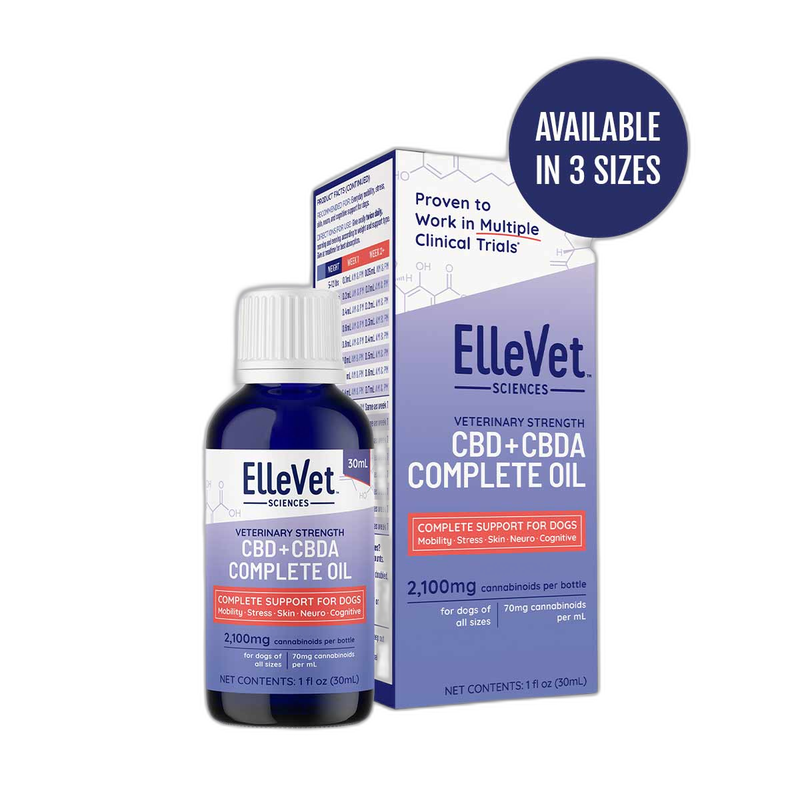
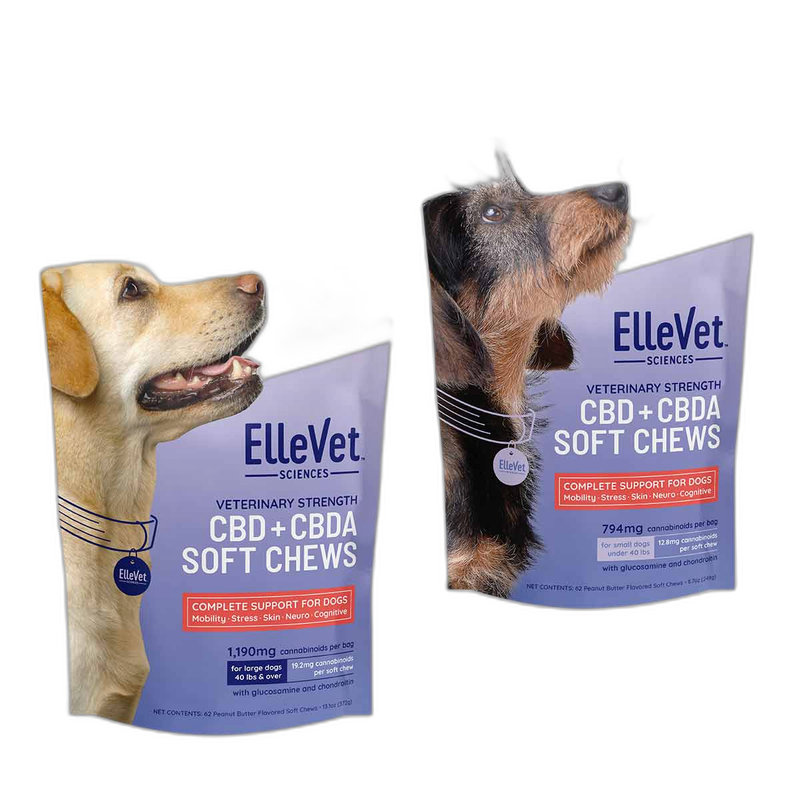
Full Spectrum Hemp Extract (CBD+CBDA)
cannabinoid
Full spectrum hemp extract, particularly formulations that include both CBD and CBDA, has become a topic of interest for pet owners seeking complementary approaches to their companions' well-being. This guide explores what full spectrum hemp extract with CBD+CBDA entails, its potential benefits for dogs and cats, considerations for proper dosage, and important safety guidelines. Understanding these aspects is crucial for making informed decisions about integrating such supplements into a pet's health regimen.
Full Spectrum Hemp CBD For Dogs: Beyond Isolated Compounds
When discussing full spectrum hemp extract (CBD+CBDA) for dogs, it's essential to understand what "full spectrum" signifies. Unlike isolated CBD products, full spectrum extracts contain a wide array of cannabinoids, terpenes, flavonoids, and other beneficial compounds naturally found in the hemp plant. This includes not only CBD (cannabidiol) but also its acidic precursor, CBDA (cannabidiolic acid), along with trace amounts of other cannabinoids like CBG, CBC, and CBN, and often very low, non-intoxicating levels of THC (below 0.3%).
The presence of this diverse range of compounds is believed to contribute to what is known as the "entourage effect." This theory suggests that these compounds work synergistically, enhancing each other's therapeutic properties and potentially offering greater benefits than any single compound in isolation. For dogs, this could mean a more comprehensive approach to managing various conditions. For instance, while CBD is often lauded for its potential anti-inflammatory and anxiolytic properties, CBDA is also being investigated for similar effects, and some research suggests it might be even more bioavailable or potent for certain applications.
Practically, choosing a full spectrum hemp extract (CBD+CBDA) for dogs means opting for a product that aims to leverage the plant's complete biochemical profile. This contrasts with broad-spectrum extracts (which contain many cannabinoids but no THC) or CBD isolates (pure CBD). The trade-off for the potential enhanced benefits of full spectrum is the presence of trace THC, which, while generally considered safe and non-intoxicating at legal levels, is a factor some pet owners prefer to avoid. However, for many, the potential for a more robust therapeutic effect outweighs this concern, especially when sourcing from reputable brands that provide third-party lab testing to confirm THC levels.
Consider a dog struggling with age-related joint stiffness. While an isolated CBD product might offer some relief, a full spectrum extract with CBD+CBDA could, in theory, provide a broader anti-inflammatory response due to the combined action of multiple cannabinoids and terpenes, potentially leading to more noticeable improvements in mobility and comfort.
CBD Oil for Dogs - 100% Organic Full Spectrum: Quality and Sourcing
The phrase "100% Organic Full Spectrum CBD Oil for Dogs" highlights critical aspects of product quality: organic certification and the full spectrum nature of the extract. Organic certification means the hemp was grown without synthetic pesticides, herbicides, or fertilizers, which is important for any product ingested by pets. Since hemp is known to be a bioaccumulator, meaning it readily absorbs substances from the soil, organic farming practices help ensure the final product is free from potentially harmful contaminants.
For pet owners, prioritizing organic full spectrum hemp extract (CBD+CBDA) for dogs means a commitment to purity and safety. The production process, from seed to bottle, should adhere to strict organic standards. This often translates to a more expensive product, but it can offer peace of mind regarding the absence of unwanted chemicals.
Clarifying practical implications, "100% Organic" doesn't just refer to the hemp plant itself but ideally extends to the carrier oil (like organic MCT oil) and any other ingredients in the formulation. Trade-offs here involve cost versus perceived safety and environmental impact. While non-organic options may be cheaper, they might carry the risk of pesticide residues.
When evaluating such products, look for transparency from the manufacturer. Reputable brands will provide certificates of analysis (COAs) from independent third-party labs. These COAs verify not only the cannabinoid profile (confirming it's full spectrum and contains CBD and CBDA) but also test for contaminants like pesticides, heavy metals, residual solvents, and mold. Without these reports, claims of "100% organic" and "full spectrum" are difficult to verify.
For example, if you're looking at two different full spectrum hemp extracts for your cat, and one is USDA-certified organic with a readily available COA showing no contaminants, while the other makes similar claims without certification or lab results, the organic, lab-tested option provides a much higher degree of confidence in its quality and safety.
#1 Rated CBD for Dogs from USDA Organic Hemp: Understanding Certifications
The claim "#1 Rated CBD for Dogs from USDA Organic Hemp" emphasizes both product popularity and a specific, high standard of organic certification. USDA Organic certification is a rigorous process, ensuring that agricultural products meet strict federal guidelines regarding soil quality, pest and weed control, and additive use. For hemp, this means the plant itself was grown without prohibited substances, and the processing facility adheres to organic standards as well.
This level of certification offers significant assurance to consumers, particularly when considering full spectrum hemp extract (CBD+CBDA) for dogs and cats. It goes beyond a simple "organic" label, which can sometimes be less defined. USDA Organic signifies adherence to a nationally recognized standard, overseen by an accredited third-party certifier.
The practical implication is a higher likelihood of purity and absence of synthetic chemicals in the raw material. Trade-offs include the premium price associated with organically certified products, as the farming and processing methods are more costly. However, for pets, especially those with sensitivities or chronic conditions, minimizing exposure to potential toxins can be a priority.
The claim "rated #1" is often a marketing tactic; its meaning is subjective. While a product might be popular or highly reviewed, its true value comes from verifiable quality attributes like USDA Organic certification and thorough third-party lab testing. These lab reports should confirm the presence of CBD and CBDA, a full spectrum profile, and the absence of contaminants.
For instance, a pet owner considering a full spectrum hemp extract (CBD+CBDA) for an elderly dog with a sensitive stomach might specifically seek USDA Organic certified products. This choice reduces the risk of introducing unknown chemicals that could exacerbate digestive issues, even if it means a higher initial investment. The "USDA Organic" stamp acts as a reliable indicator of careful cultivation and processing.
The ABC's of Cannabidiol (CBD) from Hemp: Cannabinoids and Their Roles
Understanding the "ABC's of cannabidiol (CBD) from hemp" involves delving into the nature of cannabinoids and their interaction with the body. CBD is just one of over 100 cannabinoids found in the hemp plant. While it's the most widely studied non-intoxicating cannabinoid, its effects are often modulated by other compounds present in full spectrum extracts, including CBDA.
CBD, or cannabidiol, interacts with the endocannabinoid system (ECS) in both humans and animals. The ECS is a complex cell-signaling system that plays a role in regulating a wide range of functions and processes, including sleep, mood, appetite, memory, and reproduction. It helps maintain homeostasis, or balance, in the body. CBD doesn't directly bind to the primary cannabinoid receptors (CB1 and CB2) but influences them indirectly, along with other receptors and enzymes. This indirect action is thought to contribute to its potential anti-inflammatory, pain-relieving, and anxiolytic properties.
CBDA, or cannabidiolic acid, is the raw, acidic precursor to CBD. It's abundant in raw hemp and converts to CBD when heated (a process called decarboxylation). Historically, CBDA was often overlooked in favor of CBD. However, recent research suggests CBDA has its own unique therapeutic potential. For example, some studies indicate CBDA might be a more potent anti-inflammatory than CBD, especially by interacting with serotonin receptors (5-HT1A), which could be relevant for nausea and anxiety. It may also have different bioavailability, meaning how well it's absorbed and utilized by the body.
The practical implication for full spectrum hemp extract (CBD+CBDA) for dogs and cats is that products containing both CBD and CBDA offer a broader range of potential therapeutic effects. The inclusion of CBDA means the extract is less processed, retaining more of the plant's raw cannabinoid profile. This can be beneficial for conditions where CBDA's specific mechanisms of action might be more effective.
For example, a cat experiencing motion sickness might benefit from the potential anti-nausea effects attributed to CBDA, while a dog with chronic pain might find relief from the combined anti-inflammatory actions of both CBD and CBDA. The trade-off is often a slightly different flavor profile compared to highly processed CBD isolates, and the need for careful sourcing to ensure the preservation of these delicate acidic compounds.
Hemp CBD Oil for Dogs: Administration and Efficacy
"Hemp CBD Oil for Dogs" generally refers to liquid formulations of hemp extract, typically suspended in a carrier oil like MCT coconut oil or hemp seed oil. This form is popular due to its versatility in administration and potential for efficient absorption. When considering full spectrum hemp extract (CBD+CBDA) for dogs, the oil format allows for precise dosing and can be easily mixed with food or administered directly into the mouth.
The efficacy of hemp CBD oil for dogs is an active area of research, with anecdotal evidence from pet owners often preceding formal scientific studies. Current research, while still in its early stages, suggests potential benefits for:
- Pain and Inflammation: Particularly for osteoarthritis and other chronic pain conditions. Studies have shown improvements in pain scores and activity levels in dogs with osteoarthritis.
- Anxiety and Stress: Helping to calm anxious dogs, whether due to separation, noise phobias (e.g., thunderstorms, fireworks), or travel.
- Seizures: Some preliminary studies indicate a reduction in seizure frequency in epileptic dogs.
- Appetite and Nausea: Potentially stimulating appetite and reducing nausea, especially in pets undergoing certain medical treatments.
The practical implications for pet owners involve understanding that responses can vary. What works well for one dog might not be as effective for another, due to individual differences in metabolism, the severity of the condition, and the specific cannabinoid profile of the product. Consistency in administration is often key to observing potential benefits.
A common scenario is a dog owner using full spectrum hemp extract (CBD+CBDA) for an older dog with arthritis. Administering the oil daily, at a consistent time, allows for the cannabinoids to build up in the system, potentially leading to more sustained relief. The liquid form makes it easy to adjust the dose gradually until the desired effect is achieved, without over-administering.
CBD for Dogs: Oils, Chews & Supplements: Choosing the Right Format
When exploring "CBD for Dogs: Oils, Chews & Supplements," pet owners are faced with a variety of product formats, each with its own advantages and disadvantages. This choice is particularly relevant for full spectrum hemp extract (CBD+CBDA) for dogs and cats, as the delivery method can influence absorption, ease of administration, and consistency of dosage.
Here's a comparison of common formats:
| Feature | Oils/Tinctures | Chews/Treats | Capsules/Softgels |
|---|---|---|---|
| Pros | Precise dosing; fast absorption (sublingually); versatile (can be added to food) | Easy to administer (palatable); pre-dosed; good for picky eaters | Precise, consistent dosing; no taste; easy for travel |
| Cons | Can be messy; some pets dislike taste; requires measuring | Variable absorption rate; can be inconsistent; often contain other ingredients; slower onset | Slower onset than oil; not suitable for picky eaters; hard to adjust dose |
| Best For | Rapid relief; dose titration; pets needing specific dosing | Daily maintenance; pets that refuse oil; ease of use | Daily maintenance; pets needing exact, consistent dose |
| Considerations | Carrier oil type; dropper accuracy | Ingredient list; sugar content; actual CBD/CBDA per treat | Size of capsule; bioavailability of formulation |
Oils are often recommended for initial dosing and titration of full-spectrum hemp extract (CBD+CBDA) for dogs because they allow for precise adjustments. For instance, if a dog needs 5mg of CBD but a chew contains 10mg, an oil allows you to administer the exact 5mg. Once an effective dose is established, chews or capsules can offer a convenient alternative for daily maintenance, particularly for busy owners or pets who are difficult to dose with a dropper.
The practical implications involve matching the product format to your pet's temperament and your lifestyle. A highly anxious dog might benefit from the faster onset of an oil administered sublingually before a stressful event. A cat with chronic pain might do better with a capsule mixed into wet food, ensuring they get the full dose without fuss.
The trade-offs involve balancing convenience with control. While chews are easy, the exact amount absorbed can be less predictable due to digestion. Oils offer control but require more active participation from the owner. Regardless of the format, always ensure the product is full spectrum and provides third-party lab results verifying its cannabinoid content, including both CBD and CBDA, and confirming the absence of contaminants. This ensures you're giving your pet a quality product consistent with your intentions.
Conclusion
The use of full spectrum hemp extract (CBD+CBDA) for dogs and cats represents a growing area of interest for pet owners seeking natural support for their companions. Understanding the nuances of "full spectrum," the importance of organic certification, the roles of CBD and CBDA, and the various product formats is crucial for making informed decisions. While research into cannabinoid efficacy in pets is ongoing, many owners report positive outcomes for issues ranging from anxiety and pain to seizures.
For pet owners considering these supplements, the main takeaway is to prioritize product quality, transparency, and consultation with a veterinarian. Look for USDA Organic certification and comprehensive third-party lab testing to confirm cannabinoid content and purity. Start with a low dose and gradually increase it, observing your pet's response. This approach allows for a personalized and potentially beneficial integration of full spectrum hemp extract into your pet's health regimen.
Products Containing Full Spectrum Hemp Extract (CBD+CBDA)
Top-rated supplements featuring this ingredient, ranked by our PSI+ score.